Pet Carrier for Air Travel 2026: FAA Guidelines & Top Picks
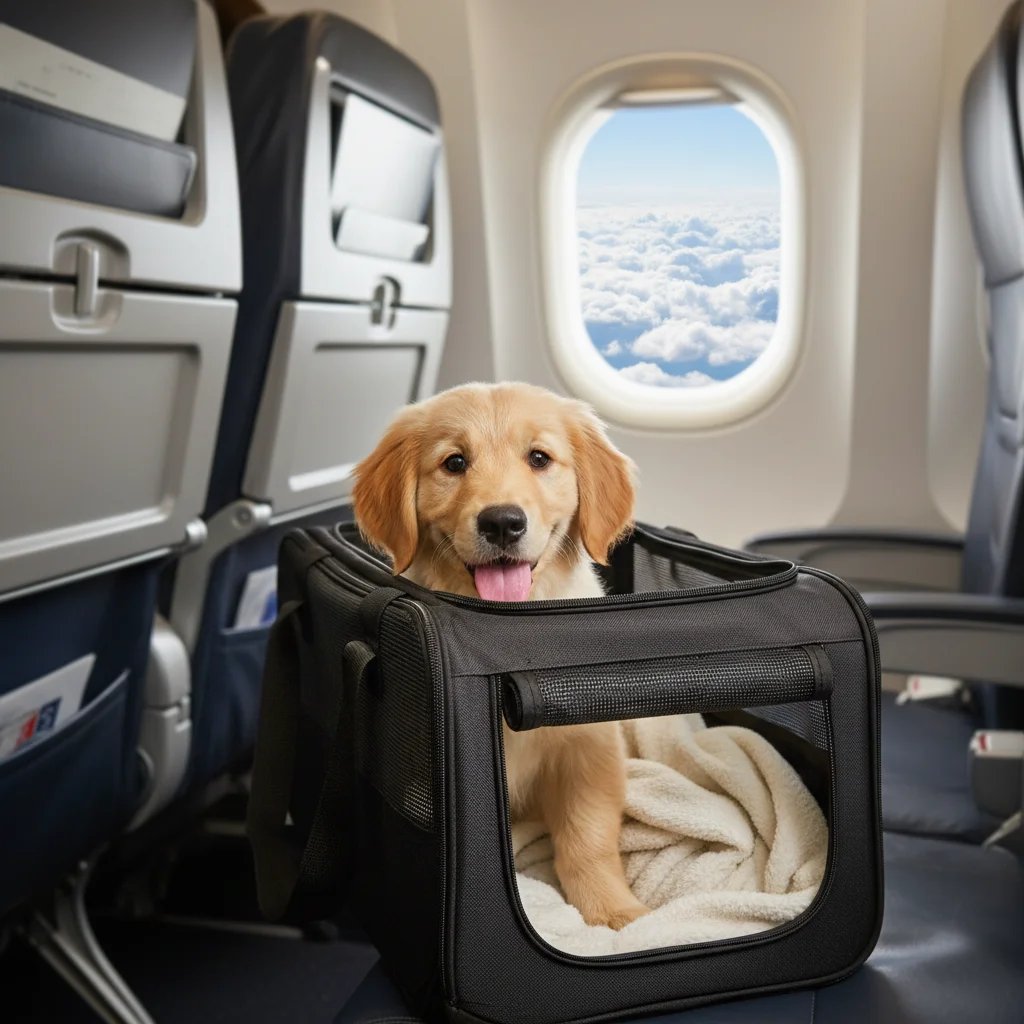
Flying with a beloved pet can be an incredibly rewarding experience, offering the joy of shared adventures and the comfort of their companionship even when far from home. However, the process of navigating air travel with an animal is often fraught with complexities, primarily revolving around airline regulations and the critical choice of a pet carrier. As we approach 2026, it’s more important than ever to stay informed about the latest FAA guidelines and to select a carrier that not only meets these stringent requirements but also ensures your pet’s comfort and safety. This comprehensive guide is designed to demystify the process, providing you with up-to-date information on FAA regulations for pet carriers and presenting our top three picks for airline-approved carriers for U.S. departures.
The landscape of pet travel is constantly evolving, with airlines and regulatory bodies like the Federal Aviation Administration (FAA) regularly updating their policies to enhance safety and animal welfare. For pet owners, this means continuous vigilance to avoid last-minute surprises or, worse, being denied boarding. Choosing the right pet carrier for air travel is not just about compliance; it’s about providing a secure, comfortable, and stress-free environment for your furry friend during what can be a bewildering experience for them. From understanding size restrictions to ventilation requirements and material durability, every detail matters.
In this article, we will delve deep into the intricacies of flying with pets, focusing specifically on the FAA’s stance on pet carriers for 2026. We will explore what constitutes an ‘airline-approved’ carrier, the common pitfalls to avoid, and crucial tips for preparing your pet for their journey. Furthermore, we’ve meticulously researched and selected three outstanding pet carriers that consistently receive high marks for safety, comfort, and compliance across various airlines. Our goal is to empower you with the knowledge and resources needed to make informed decisions, ensuring your next air travel adventure with your pet is as smooth as possible.
Understanding 2026 FAA Guidelines for Pet Carriers
The Federal Aviation Administration (FAA) plays a pivotal role in ensuring the safety of all passengers, including our four-legged companions, during air travel. While individual airlines set their specific policies regarding pet travel, these policies are always developed within the overarching framework of FAA regulations. For 2026, the fundamental principles governing pet carrier for air travel remain centered on safety, accessibility, and the well-being of the animal.
Key FAA Requirements and Recommendations:
- Under-Seat Placement: For pets traveling in the cabin, the carrier must be able to fit comfortably and securely under the seat in front of you. This is a non-negotiable requirement. The carrier must not obstruct the aisle or emergency exits.
- Ventilation: Adequate ventilation is crucial. Carriers must have sufficient openings (mesh windows, vents) on at least two, preferably three or four, sides to ensure proper airflow. This prevents overheating and allows your pet to breathe easily.
- Leak-Proof Bottom: The carrier must have a waterproof or leak-proof bottom to contain any accidents and maintain hygiene within the cabin environment. Absorbent padding is highly recommended inside.
- Secure Closures: Zippers or latches must be secure and escape-proof. Many airlines now prefer carriers with self-locking zippers or additional clips to prevent accidental openings.
- Pet’s Ability to Stand and Turn: The carrier must be large enough for your pet to stand up, turn around, and lie down in a natural position without touching the top or sides of the carrier. This isn’t just a comfort issue; it’s a welfare requirement.
- Material and Durability: Carriers should be made of durable, non-toxic materials that can withstand the rigors of travel. Soft-sided carriers are generally preferred for in-cabin travel due to their flexibility, allowing them to conform to under-seat spaces.
- Identification: While not strictly an FAA mandate, it’s a universal airline requirement and a wise practice to have proper identification on the carrier, including your name, contact information, and your pet’s name.
It’s important to differentiate between FAA guidelines and individual airline policies. The FAA sets the baseline for safety, but airlines often impose stricter size, weight, and sometimes even breed-specific restrictions. Therefore, always verify the specific requirements of your chosen airline well in advance of your travel date. This includes checking their current pet policy on their official website or by contacting their customer service directly. A pet carrier for air travel that meets FAA standards is a good starting point, but airline-specific nuances can make all the difference.
For example, while the FAA dictates the general principles of under-seat storage, each airline will publish the maximum dimensions (length, width, height) for carriers that fit under their specific aircraft seats. These dimensions can vary significantly even within the same airline, depending on the aircraft model (e.g., Boeing 737 vs. Airbus A320). Being aware of these variations is critical to avoiding issues at the gate.
Why FAA Guidelines Are Crucial for Your Pet’s Journey
Adhering to FAA guidelines isn’t just about avoiding trouble with airline staff; it’s fundamentally about your pet’s welfare. A carrier that is too small can cause significant stress, discomfort, and even injury. Insufficient ventilation can lead to heatstroke or respiratory distress, especially during unexpected delays. A flimsy or poorly secured carrier poses an escape risk, which can be catastrophic in an airport or airplane environment.
Moreover, these guidelines are in place to ensure the safety of all passengers and crew. An improperly sized carrier could impede emergency evacuations, and an escaped pet could create a hazardous situation. By understanding and complying with these regulations, you contribute to a safer, more orderly, and humane travel experience for everyone involved. Your choice of pet carrier for air travel is a direct reflection of your commitment to your pet’s well-being and responsible pet ownership.
Top 3 Pet Carriers for Air Travel in 2026 (U.S. Departures)
After extensive research into 2026 FAA guidelines, airline-specific requirements, and countless user reviews, we’ve identified three outstanding pet carriers that consistently deliver on safety, comfort, and compliance. These carriers are designed to meet the demands of air travel, providing peace of mind for pet owners and a secure environment for their furry companions. When choosing a pet carrier for air travel, these options stand out.
1. The Sherpa Original Deluxe Pet Carrier
The Sherpa Original Deluxe is often considered the gold standard for in-cabin pet travel, and for good reason. It has been a consistent favorite among pet owners and airline personnel for years, thanks to its thoughtful design and reliable performance. For 2026, it continues to be a top recommendation.
- Key Features:
- Spring Wire Frame: This innovative feature allows the rear end of the carrier to be pushed down several inches, enabling it to fit under various airline seats while maintaining rigidity and comfort for the pet.
- Guaranteed On-Board Program: Sherpa offers a ‘Guaranteed On-Board’ program, which, for a fee, assures you that if the carrier doesn’t meet airline requirements, they’ll refund your flight and carrier purchase. While you still need to check airline specifics, this shows their confidence in compliance.
- Excellent Ventilation: Features ample mesh windows on multiple sides for optimal airflow and visibility.
- Plush Faux Lambskin Liner: Provides a soft and comfortable bedding for your pet, which is removable and machine washable for easy cleaning.
- Secure Zippers: Locking zippers ensure your pet remains safely inside throughout the journey.
- Multiple Access Points: Top and side entries make it easy to load and unload your pet.
- Storage Pockets: Convenient pockets for storing treats, waste bags, or important documents.
- Airline Compatibility: Available in several sizes (Small, Medium, Large), with the Medium size being the most commonly accepted for in-cabin travel across major U.S. airlines (e.g., Delta, United, American, Southwest). Always double-check the dimensions against your specific airline’s requirements.
- Ideal For: Small dogs (up to 16 lbs for the medium size) and cats. Its flexible design makes it highly adaptable to varying under-seat dimensions.
- Why It’s a Top Pick: Its reputation precedes it. The Sherpa Original Deluxe combines comfort, safety, and airline compliance with a practical design. The spring wire frame is a game-changer for fitting under seats, and the overall construction is robust and pet-friendly. It’s a reliable pet carrier for air travel that consistently delivers.
2. Sleepypod Air In-Cabin Pet Carrier
The Sleepypod Air is a premium choice for discerning pet owners who prioritize unparalleled safety and comfort. While it comes at a higher price point, its innovative design and superior construction justify the investment, especially for frequent travelers. It’s truly a top-tier pet carrier for air travel.
- Key Features:
- Adjustable Length: The most unique feature is its ability to compress in length to fit various under-seat dimensions, making it incredibly versatile. This flexibility is a significant advantage when dealing with different aircraft types.
- Crash-Tested Design: Sleepypod products are renowned for their crash-test certification, ensuring maximum safety not just in the air, but also during car travel to and from the airport. This commitment to safety sets it apart.
- Ultra-Plush Bedding: Features a removable, machine-washable ultra-plush bedding that provides exceptional comfort and a sense of security for your pet.
- Superior Ventilation: Ample mesh on three sides, plus top ventilation, ensures excellent airflow.
- Durable Materials: Made from luggage-grade, ballistic nylon and a sturdy internal frame, ensuring longevity and protection.
- Multiple Access Points: Top and side zipper entries for easy access.
- Trolley Sleeve: Allows you to slide the carrier over a luggage handle for effortless transport through the airport.
- Airline Compatibility: Designed to fit under most airline seats when fully compressed. Its adjustable length feature makes it highly adaptable. Always check specific airline dimensions, but the Sleepypod Air generally meets requirements for major U.S. carriers.
- Ideal For: Small to medium-sized dogs (up to 18 lbs) and cats, especially those who appreciate extra comfort and security.
- Why It’s a Top Pick: The Sleepypod Air excels in safety, comfort, and adaptability. Its crash-tested design offers peace of mind, and the adjustable length is a game-changer for airline compliance. It’s an investment in your pet’s well-being and a highly recommended pet carrier for air travel.
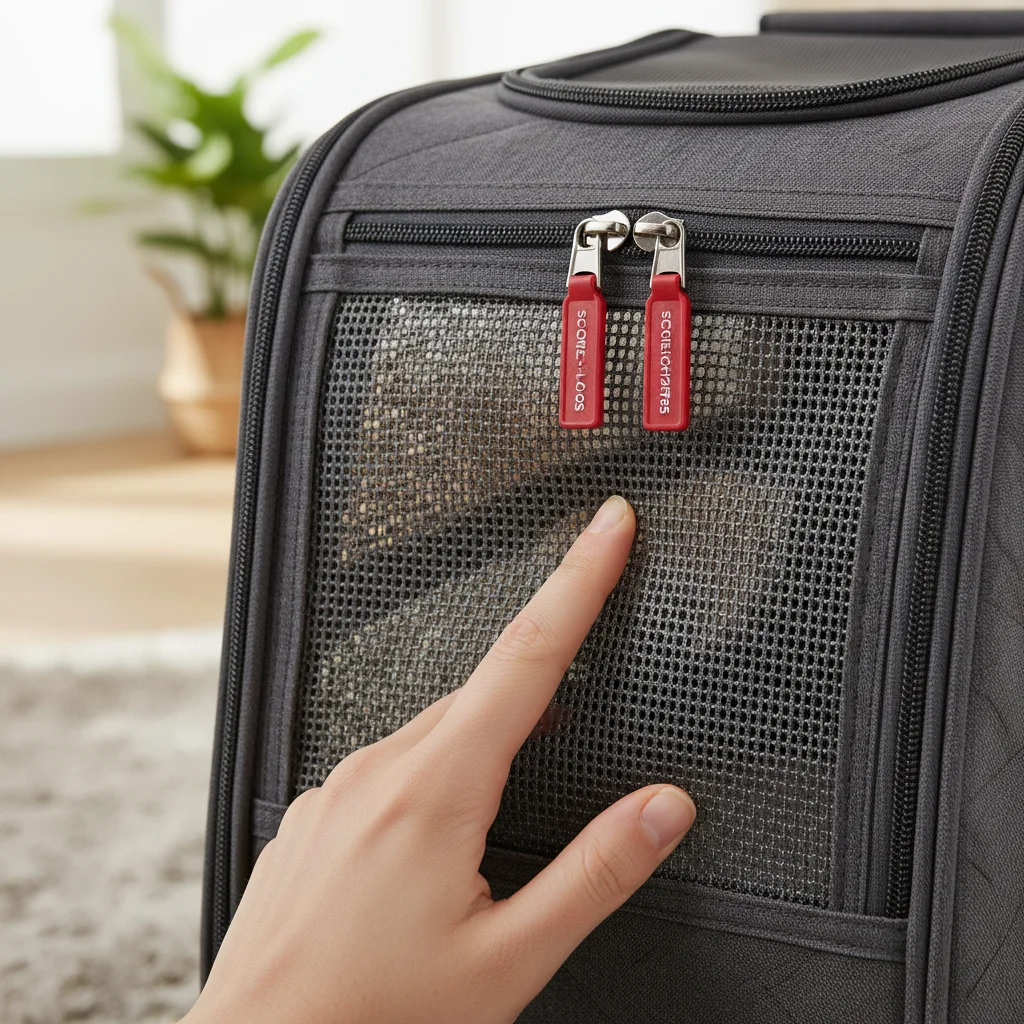
3. SturdiBag Flexible Pet Carrier (Large)
The SturdiBag Flexible Pet Carrier, particularly the Large size, is an excellent option for slightly larger small pets or those who prefer more space, while still adhering to most airline’s in-cabin requirements. Its unique flexible design allows it to conform to tight spaces without compromising structural integrity or pet comfort. This is a very versatile pet carrier for air travel.
- Key Features:
- Flexible Height Design: The SturdiBag’s patented flex-height design allows it to compress vertically to fit under a wide range of airline seats, much like the Sherpa, but with a different internal structure.
- Lightweight and Durable: Constructed from lightweight yet sturdy materials, making it easy to carry while still being robust enough for travel.
- Ample Ventilation: Features large mesh windows on the top and sides, ensuring excellent airflow and visibility for your pet.
- Comfortable Fleece Pad: Includes a soft, washable fleece pad for your pet’s comfort.
- Seatbelt Loops: Integrated loops allow the carrier to be securely fastened in a car, enhancing safety for ground transport.
- Multiple Sizes: Available in various sizes, but the ‘Large’ is often the sweet spot for maximum space while still fitting under most seats.
- Storage Pocket: A small pocket for essential pet items.
- Airline Compatibility: The ‘Large’ size is widely accepted by many U.S. airlines for in-cabin travel, especially due to its flexible height. As always, verify the exact dimensions with your specific airline.
- Ideal For: Small to medium-sized dogs (up to 25 lbs depending on the specific model and pet’s build) and cats who might need a bit more headroom or floor space.
- Why It’s a Top Pick: The SturdiBag’s flexibility and lightweight design make it a practical choice for pet owners seeking a balance between space for their pet and compliance with airline rules. Its robust construction ensures durability, making it a reliable pet carrier for air travel.
Preparing Your Pet for Air Travel: Beyond the Carrier
Choosing the right pet carrier for air travel is just one piece of the puzzle. Proper preparation of your pet is equally vital for a smooth and stress-free journey. A well-prepared pet is more likely to remain calm and comfortable, making the experience better for everyone.
Before You Fly: Essential Steps
- Veterinary Check-up: Schedule a vet visit well in advance (ideally 2-4 weeks before travel). Ensure your pet is healthy enough to fly, and discuss any potential travel-related anxieties. Some airlines require a health certificate issued within a specific timeframe (e.g., 10 days before travel). Discuss sedation with your vet; many vets advise against it due to potential respiratory and cardiovascular problems at altitude.
- Acclimate Your Pet to the Carrier: This is perhaps the most crucial step. Start weeks or even months before your trip. Leave the carrier open in a comfortable spot, place treats and toys inside, and encourage your pet to enter voluntarily. Feed them meals inside the carrier. Gradually increase the time they spend inside, ensuring it’s a positive experience. This helps them view the carrier as a safe den, not a scary cage.
- Practice Confinement: Once your pet is comfortable entering, practice closing the carrier for short periods, gradually increasing the duration. Take them on short car rides in the carrier to simulate movement.
- Exercise Before Travel: On the day of travel, give your pet plenty of exercise to burn off excess energy. A tired pet is more likely to rest quietly during the flight.
- Limit Food and Water: Feed your pet a light meal about 4-6 hours before the flight. Limit water intake in the hours leading up to departure to minimize the risk of accidents, but ensure they are not dehydrated. Offer ice cubes instead of water in the carrier to prevent spills.
- Potty Breaks: Allow for ample potty breaks immediately before entering the airport and just before boarding. Many airports now have designated pet relief areas.
- Identification: Ensure your pet has proper identification on their collar (ID tag with your name and phone number) and that their microchip information is up-to-date. Attach a label to the carrier with your contact information, flight details, and your pet’s name.
- Pack Essentials: Bring a small bag with your pet’s essentials: a familiar toy, a small blanket that smells like home, a few treats, waste bags, and any necessary medications.
During the Journey: Tips for a Smooth Flight
- Remain Calm: Your pet can pick up on your emotions. If you’re stressed, they’re more likely to be stressed. Maintain a calm and reassuring demeanor.
- Under-Seat Placement: Once on board, gently place the carrier under the seat in front of you. Ensure it’s not tilted or squashed in a way that compromises your pet’s comfort or airflow.
- Minimal Interaction: During the flight, it’s generally best to minimize interaction with your pet, especially if they are anxious. Reaching into the carrier or constantly talking to them can sometimes heighten their stress. A familiar blanket or toy can provide comfort.
- Avoid Sedation (Unless Vet Approved): As mentioned, most vets advise against sedating pets for air travel. The changes in air pressure and altitude can have unpredictable and potentially dangerous effects on sedated animals. Always consult your vet.
- Stay Hydrated (Carefully): If it’s a long flight, you can offer a few sips of water or a small ice cube if your pet seems thirsty, but be cautious to avoid spills.
- Post-Flight Potty Break: As soon as you disembark, find the nearest pet relief area. Your pet will likely be eager to stretch their legs and relieve themselves.
By investing time in these preparatory steps, you significantly increase the chances of a positive and comfortable travel experience for your pet. A good pet carrier for air travel is only as effective as the preparation that goes into using it.
Common Mistakes to Avoid When Choosing a Pet Carrier for Air Travel
Even with the best intentions, pet owners can sometimes make critical errors when selecting a pet carrier for air travel. Avoiding these common mistakes can save you stress, time, and potential heartache at the airport.
1. Not Checking Airline-Specific Dimensions
This is arguably the most frequent and impactful mistake. While FAA guidelines provide a general framework, each airline has specific maximum dimensions for under-seat carriers, and these can vary by aircraft type. A carrier that fits perfectly on a Boeing 737 might be too tall for an Airbus A320 on the same airline. Always check the exact dimensions for your specific flight and aircraft model. Don’t rely solely on a carrier being labeled ‘airline approved’ without cross-referencing.
2. Choosing a Carrier That’s Too Small (or Too Large)
A carrier that’s too small is inhumane and can cause extreme stress and discomfort for your pet. They must be able to stand up, turn around, and lie down naturally. Conversely, a carrier that’s too large for the under-seat space will be rejected at the gate, forcing you to scramble for alternatives or even miss your flight. Find the ‘Goldilocks’ size – just right for both your pet and the airline’s requirements.
3. Overlooking Ventilation and Security
Some cheaper carriers might skimp on mesh windows or use flimsy zippers. Inadequate ventilation can lead to overheating or respiratory issues. Non-secure zippers pose an escape risk. Always prioritize carriers with robust, self-locking zippers and ample, durable mesh on multiple sides. Your pet carrier for air travel must be a safe enclosure.
4. Neglecting Carrier Acclimation
Many pet owners buy a carrier just before the trip and expect their pet to be comfortable with it. This is a recipe for disaster. Pets need time to associate the carrier with safety and comfort, not fear. Start the acclimation process weeks or even months in advance.
5. Forgetting Essential Documentation and Identification
While not directly about the carrier, failing to have up-to-date health certificates (if required), vaccination records, and proper identification on both your pet and the carrier can cause significant delays or even prevent boarding. Always have all necessary paperwork readily accessible.
6. Not Considering Your Pet’s Temperament
Some pets are naturally anxious, while others are laid-back. For anxious pets, a carrier that offers more enclosed spaces or a familiar scent (like a blanket from home) might be more comforting. For very curious pets, more mesh windows might be preferred. Tailor your pet carrier for air travel choice to your pet’s individual needs.
7. Buying a Carrier Without a Leak-Proof Bottom
Accidents happen, especially during stressful situations. A carrier without a leak-proof bottom or adequate absorbent padding can lead to unsanitary conditions and potential issues with airline staff. Always ensure the bottom is waterproof and consider washable pee pads for extra protection.
By being mindful of these potential pitfalls, you can ensure that your choice of pet carrier for air travel is well-informed and contributes positively to your overall travel experience.
The Future of Pet Travel: What to Expect Beyond 2026
As pet ownership continues to rise and more individuals seek to travel with their furry companions, the landscape of pet air travel is constantly evolving. While our focus has been on 2026 guidelines and current best practices for a pet carrier for air travel, it’s worth considering what the future might hold.
Potential Trends and Developments:
- Standardization of Carrier Sizes: One significant challenge for pet owners is the varying under-seat dimensions across airlines and aircraft. There’s a growing call for greater standardization of in-cabin pet carrier sizes, which would simplify the selection process and reduce stress for travelers. While a complete overhaul is unlikely soon, clearer guidelines or a universal ‘approved’ list might emerge.
- Enhanced Technology in Carriers: Imagine carriers with integrated temperature monitoring, GPS tracking, or even small cameras to allow owners to check on their pets via a smartphone app. While some of these features exist in niche products, they could become more mainstream, especially for cargo travel.
- Increased Focus on Pet Welfare: The emphasis on pet welfare is likely to intensify. This could lead to stricter regulations regarding carrier ventilation, space requirements, and perhaps even mandatory pre-travel vet checks for all pets, not just those traveling internationally.
- Dedicated Pet Travel Services: We might see a rise in specialized pet travel services or even dedicated pet-friendly cabins on certain flights, offering more space and amenities for animals and their owners.
- Biometric Identification: Advanced biometric scanning for pets (e.g., paw print or facial recognition) could streamline check-in processes and enhance security, reducing the reliance on microchips alone.
- More Pet Relief Areas: Airports are increasingly recognizing the need for pet relief areas. We can expect more sophisticated and easily accessible facilities both pre- and post-security, making travel more convenient for pet owners.
Staying Ahead of the Curve
For pet owners, the key to successful future air travel will remain adaptability and proactive research. Always consult official airline websites and the FAA for the most current information. Join online forums or social media groups dedicated to pet travel, as fellow travelers often share valuable, up-to-the-minute insights.
Investing in a high-quality, durable pet carrier for air travel, like the ones reviewed, is a long-term decision. These carriers are often designed with future regulations in mind and are built to last through many journeys. By staying informed and prepared, you can continue to enjoy the incredible bond of traveling with your pet for years to come, no matter how the regulations evolve.
Conclusion: Your Pet’s Safe Journey Starts with the Right Carrier
Navigating the complexities of air travel with your pet can seem daunting, but with the right information and preparation, it can be a smooth and enjoyable experience for both of you. As we’ve explored, selecting the appropriate pet carrier for air travel in 2026 is paramount, forming the foundation of a safe and compliant journey.
We’ve delved into the crucial 2026 FAA guidelines, emphasizing the importance of understanding dimensions, ventilation, and security. We’ve also highlighted three exceptional pet carriers – the Sherpa Original Deluxe, Sleepypod Air, and SturdiBag Flexible Pet Carrier – each offering unique advantages designed to meet stringent airline requirements while prioritizing your pet’s comfort and safety. These carriers represent the pinnacle of design and functionality for in-cabin pet travel, offering peace of mind to pet parents.
Beyond the carrier itself, thorough preparation, including vet check-ups, carrier acclimation, and understanding your pet’s temperament, is indispensable. Avoiding common mistakes, such as neglecting airline-specific dimensions or failing to properly identify your pet, will further ensure a hassle-free journey.
The world of pet travel is dynamic, with continuous advancements and evolving regulations. By staying informed, being proactive, and choosing a reliable pet carrier for air travel, you are not just buying a product; you are investing in your pet’s well-being and the countless shared memories that await you. Here’s to many safe and happy travels with your cherished companion!