Prevent Destructive Chewing: 4 Smart Strategies for a Happy Dog in 2026
Prevent Destructive Chewing: 4 Smart Strategies for a Happy Dog in 2026
As a dog owner, few things are as frustrating as walking into a room only to find your favorite pair of shoes gnawed beyond recognition, a table leg sporting new ‘tooth marks,’ or the corner of your couch looking like it lost a fight with a beaver. Destructive chewing is a common, yet often exasperating, behavior in dogs. While it can be a natural instinct, especially for puppies exploring their world or adult dogs dealing with anxiety, boredom, or dental discomfort, it doesn’t have to be a permanent fixture in your home. The good news is that with understanding, patience, and the right strategies, you can effectively prevent destructive chewing and guide your canine companion towards more appropriate behaviors.
In this comprehensive guide for 2026, we’ll delve into four smart, actionable strategies that will not only help you curb unwanted chewing but also foster a stronger, more positive relationship with your dog. We’re talking about methods that address the root causes of chewing, providing long-term solutions rather than just quick fixes. So, if you’re ready to reclaim your belongings and enjoy a more harmonious home life with your furry friend, keep reading!
Understanding Why Dogs Chew: The First Step to Prevent Destructive Chewing
Before we jump into the solutions, it’s crucial to understand why dogs chew. This isn’t about blaming your dog; it’s about gaining insight into their world and motivations. Chewing is a natural and often necessary behavior for dogs, serving multiple purposes:
- Exploration and Learning (Especially Puppies): Much like human babies, puppies use their mouths to explore their environment. Everything goes into their mouths as they learn about textures, tastes, and shapes. This exploratory chewing is a vital part of their development.
- Teething Relief: For puppies, chewing helps relieve the discomfort of erupting adult teeth. The pressure on their gums can be soothing.
- Boredom and Lack of Mental Stimulation: A bored dog is often a destructive dog. If they don’t have enough to do, or if their minds aren’t challenged, they’ll find their own entertainment, which often involves chewing on things they shouldn’t.
- Anxiety and Stress: Dogs, like humans, can experience anxiety. Separation anxiety, fear of loud noises, or general stress can manifest as destructive chewing as a coping mechanism. Chewing can release endorphins, providing a sense of comfort.
- Hunger or Nutritional Deficiencies: While less common, some dogs may chew inappropriately if they are genuinely hungry or if their diet is lacking essential nutrients.
- Attention-Seeking: If a dog learns that chewing on something forbidden gets a reaction (even a negative one) from their owner, they might repeat the behavior to gain attention.
- Instinct and Enjoyment: Simply put, chewing feels good to dogs! It’s a natural canine behavior that helps keep their jaws strong and teeth clean.
Identifying the underlying cause of your dog’s chewing is the cornerstone of effectively trying to prevent destructive chewing. Once you understand the ‘why,’ you can tailor your approach to address the specific needs of your dog.
Strategy 1: Provide Appropriate Chewing Outlets and Enrichment
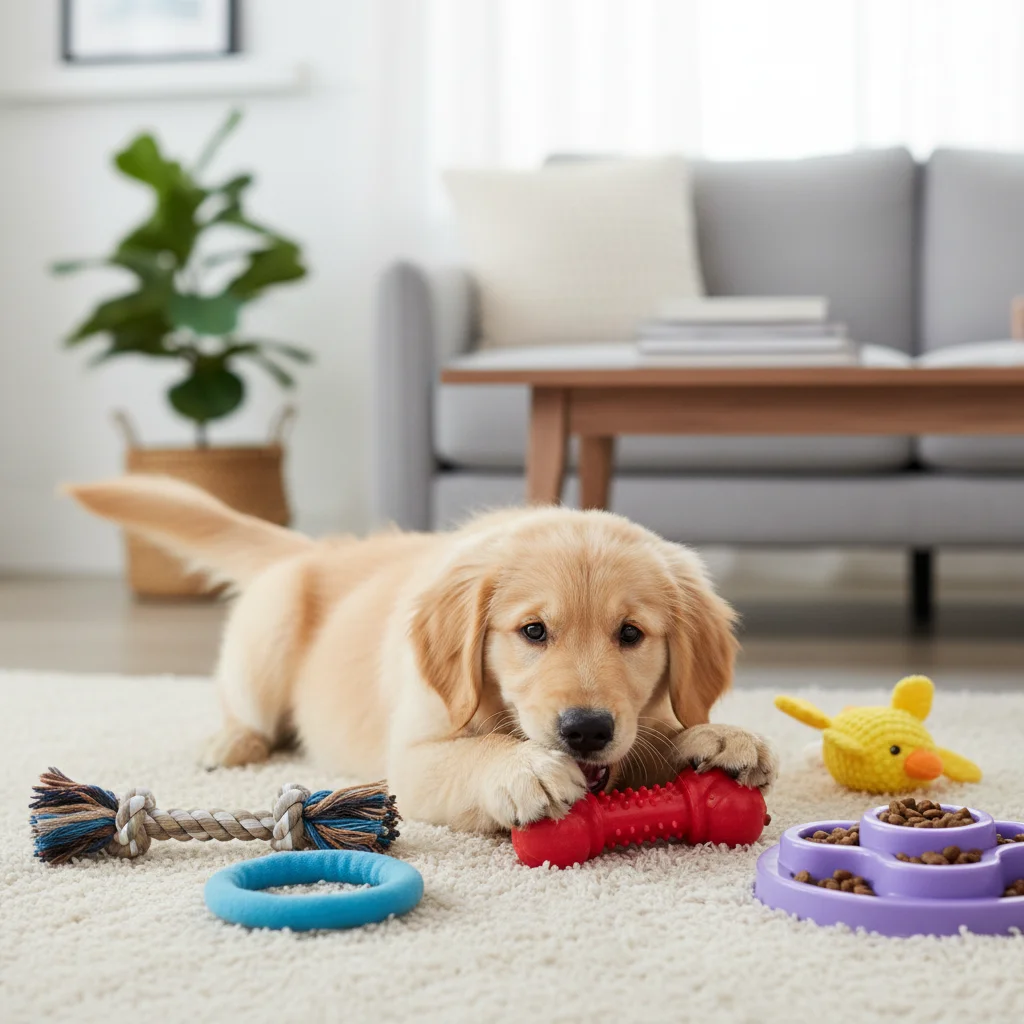
One of the most effective ways to prevent destructive chewing is to redirect your dog’s natural urge to chew onto acceptable items. This isn’t just about giving them any toy; it’s about providing a variety of stimulating, durable, and safe chewing outlets that cater to their preferences and needs.
The Right Chew Toys for the Right Dog
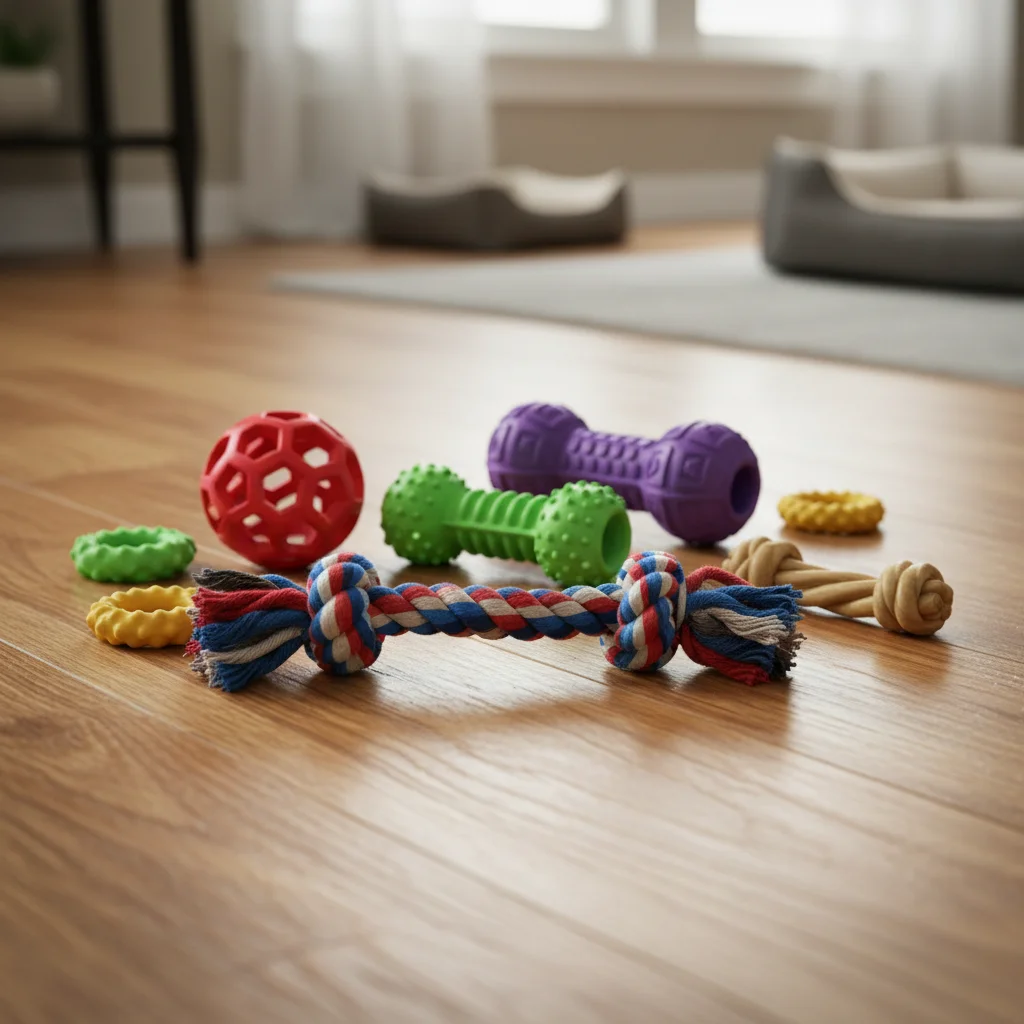
Not all chew toys are created equal. Consider the following when selecting toys:
- Durability: For power chewers, invest in toys made from tough rubber, nylon, or natural materials designed to withstand aggressive chewing. Avoid flimsy toys that can be easily destroyed and ingested.
- Size Appropriateness: The toy should be large enough that your dog cannot swallow it whole or choke on it.
- Variety of Textures: Offer different textures to keep things interesting. Some dogs prefer soft, pliable rubber, while others enjoy the hardness of nylon or the satisfying feel of a rope toy.
- Safety: Always ensure toys are non-toxic and don’t have small parts that can break off and become choking hazards. Regularly inspect toys for wear and tear and replace them when necessary.
- Interactive Chew Toys: Toys like KONGs that can be stuffed with treats, peanut butter, or kibble are excellent. They provide a challenge, keep your dog engaged for extended periods, and reward them for appropriate chewing. Freezing stuffed KONGs can make them last even longer.
- Edible Chews (with caution): Dental chews, bully sticks, and similar items can be good options, but always supervise your dog to ensure they don’t ingest large pieces too quickly. Be mindful of calorie content and choose reputable brands.
Rotation is Key
To keep your dog interested, don’t leave all their chew toys out at once. Rotate them every few days or weekly. This makes old toys feel ‘new’ again and maintains their novelty, encouraging your dog to choose them over your furniture.
Encourage and Praise
When you see your dog chewing on an appropriate toy, offer praise, a gentle pat, or even a small treat. Positive reinforcement helps them understand that this is the desired behavior and encourages them to repeat it. If they start to chew something inappropriate, immediately redirect them to an acceptable chew toy. As soon as they take the toy, praise them enthusiastically.
Strategy 2: Environmental Management and Dog-Proofing Your Home
While providing alternatives is crucial, it’s equally important to manage your dog’s environment to minimize opportunities for destructive chewing. This strategy is about prevention and setting your dog up for success by removing temptations and creating boundaries.
The ‘Out of Sight, Out of Mind’ Principle
The simplest way to prevent destructive chewing of your belongings is to make them inaccessible. This means:
- Put Away Valuables: Shoes, remote controls, books, eyeglasses, and children’s toys are common targets. Keep them in closets, drawers, or on high shelves where your dog cannot reach them.
- Secure Electrical Cords: Exposed electrical cords are not only tempting to chew but also extremely dangerous. Use cord protectors, secure them behind furniture, or lift them out of reach.
- Clear Low Surfaces: Keep coffee tables and end tables clear of items that might entice your dog.
- Protect Furniture: For persistent chewers, consider using temporary barriers, covers, or even applying deterrent sprays (more on this below) to furniture legs or corners until the behavior is under control.
Restrict Access When Unsupervised
If you can’t supervise your dog directly, restrict their access to areas where they might get into trouble. This is particularly vital for puppies or new dogs in the household. Consider:
- Crate Training: A properly introduced and positively reinforced crate can be a safe haven for your dog when you can’t watch them. It should be a comfortable, den-like space, not a punishment. Ensure it’s not too large; just enough space to stand, turn around, and lie down.
- Pet Gates: Use pet gates to confine your dog to a ‘safe zone’ – a dog-proofed room (like the kitchen or a utility room) where all temptations have been removed and appropriate chew toys are readily available.
- Exercise Pens: For puppies or smaller dogs, an exercise pen can provide a larger, contained space than a crate, allowing for more movement while still keeping them away from chewable hazards.
Bitter Apple and Other Deterrents
Bitter-tasting sprays like bitter apple or bitter lime can be effective deterrents for some dogs. Apply them to items you don’t want your dog to chew (e.g., furniture legs, electrical cords). Always do a patch test on an inconspicuous area first to ensure it doesn’t stain. Remember, these are deterrents, not solutions. They work best in conjunction with providing appropriate chewing alternatives and supervision.
Strategy 3: Increase Exercise and Mental Stimulation
A tired dog is a good dog, and a mentally stimulated dog is a less destructive dog. Boredom and pent-up energy are massive contributors to destructive chewing. By increasing your dog’s physical exercise and mental engagement, you can significantly reduce their need to chew inappropriately to self-entertain or relieve stress.
Physical Exercise Tailored to Your Dog
The amount and type of exercise your dog needs will vary greatly depending on their breed, age, and energy level. However, a general rule is that most dogs benefit from at least 30-60 minutes of moderate to vigorous exercise daily, often broken into multiple sessions.
- Daily Walks: Beyond just a potty break, aim for brisk walks where your dog can explore sights, sounds, and smells. Vary your routes to keep things interesting.
- Running and Fetch: For high-energy breeds, incorporate activities like running, fetching a ball, or even cycling alongside you (once properly trained and conditioned).
- Dog Parks or Playdates: Social interaction and off-leash play with other dogs can be incredibly tiring and satisfying for many canines.
- Structured Play: Engage in games like tug-of-war (with rules!) or hide-and-seek in the house or yard.
Mental Stimulation is Just as Important
Physical exercise alone isn’t always enough. Dogs also need to use their brains. Mental fatigue can be just as effective as physical fatigue in preventing destructive behaviors.
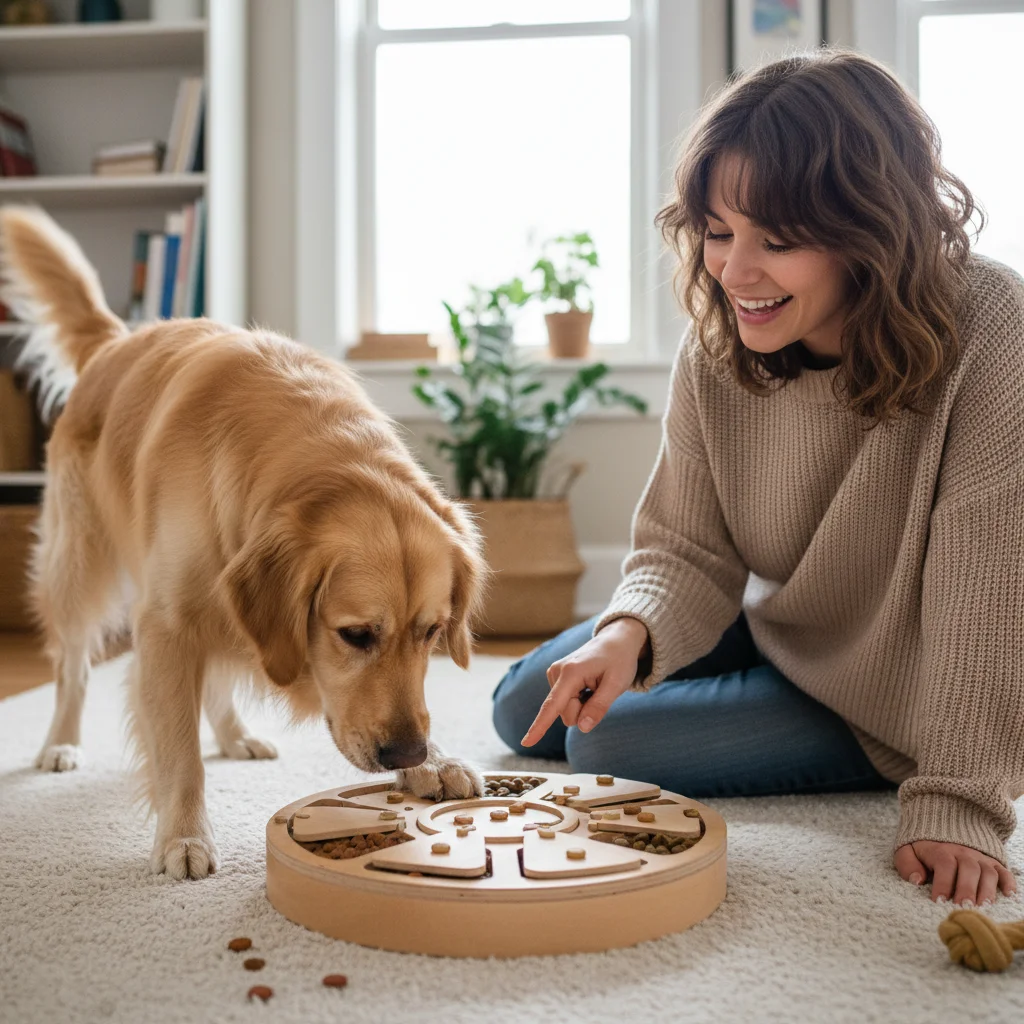
- Puzzle Toys and Food Dispensers: As mentioned earlier, KONGs and other puzzle toys that dispense food or treats are fantastic. They make your dog work for their food, engaging their problem-solving skills. Use them for meal times instead of a regular bowl to slow down eating and provide enrichment.
- Training Sessions: Even short, 5-10 minute training sessions a few times a day can be mentally taxing and rewarding for your dog. Teach new tricks, practice obedience commands, or work on advanced skills. This also strengthens your bond.
- Scent Games: Dogs have an incredible sense of smell. Hide treats around the house or yard and encourage your dog to ‘find it.’ This engages their natural sniffing instincts and is a great mental workout.
- Interactive Play: Games that require your dog to think, like ‘which hand is the treat in?’ or ‘find the hidden toy,’ can provide valuable mental stimulation.
By ensuring your dog is adequately exercised both physically and mentally, you’ll find they are much more likely to settle down and chew on their designated toys, rather than your belongings, helping to prevent destructive chewing.
Strategy 4: Address Underlying Behavioral or Medical Issues
Sometimes, destructive chewing isn’t just a matter of boredom or lack of appropriate toys; it can be a symptom of a deeper issue. Addressing these underlying problems is critical for long-term success in trying to prevent destructive chewing.
Separation Anxiety
If your dog primarily chews when left alone, especially around exit points (doors, windows) or items that smell like you, separation anxiety might be the culprit. Symptoms often include:
- Excessive drooling, pacing, or panting when you prepare to leave.
- Barking, howling, or whining when left alone.
- House soiling.
- Escaping.
- Destructive chewing focused on objects associated with your departure or confinement.
Treating separation anxiety often requires a multi-faceted approach, including desensitization and counter-conditioning techniques, sometimes with the help of a professional dog trainer or veterinary behaviorist. Medication may be prescribed in severe cases.
Stress and Fear
Dogs can chew destructively when they are stressed or fearful. This might be triggered by loud noises (thunderstorms, fireworks), changes in routine, new pets, or household disruptions. Identifying the stressors and working to alleviate them, possibly with calming aids, a safe den, or behavior modification, can help.
Medical Conditions
While less common, certain medical conditions can lead to increased chewing. For instance:
- Dental Pain: Gum disease, broken teeth, or other oral pain can cause a dog to chew excessively in an attempt to relieve discomfort. Regular veterinary dental check-ups are essential.
- Gastrointestinal Issues: Some GI problems can lead to pica (the eating of non-food items), which might include destructive chewing.
- Nutritional Deficiencies: Though rare with a balanced commercial diet, a lack of certain nutrients could theoretically contribute to unusual chewing behaviors.
If destructive chewing is sudden, severe, or accompanied by other behavioral changes, a trip to the veterinarian is always recommended to rule out any underlying medical causes.
Seeking Professional Help
If you’ve tried the above strategies consistently and are still struggling to prevent destructive chewing, don’t hesitate to seek professional help. A certified professional dog trainer or a veterinary behaviorist can assess your dog’s specific situation, identify the root cause of the chewing, and develop a tailored behavior modification plan. They can offer invaluable guidance and support to help you and your dog overcome this challenge.
Consistency and Patience: The Unsung Heroes of Training
Regardless of which strategies you employ, consistency and patience are paramount. Dogs thrive on routine and clear expectations. If you are inconsistent with your rules (e.g., sometimes they can chew on an old sock, sometimes they can’t), your dog will become confused, and the destructive chewing is likely to persist.
- Be Consistent: Ensure everyone in the household is on the same page regarding what is and isn’t allowed for chewing. Use the same commands and reactions.
- Be Patient: Changing ingrained behaviors takes time, especially for adult dogs. Don’t get discouraged if you don’t see immediate results. Celebrate small victories and keep working at it.
- Positive Reinforcement: Always focus on rewarding desired behaviors rather than punishing unwanted ones. Punishment can create fear and anxiety, potentially exacerbating chewing problems. Instead, redirect and reward.
- Supervise Actively: Especially during the initial stages of training, active supervision is key. This allows you to interrupt inappropriate chewing immediately and redirect your dog to an appropriate toy.
Conclusion: A Chew-Free Future is Possible
Destructive chewing can be a frustrating problem for any dog owner, but it is a solvable one. By understanding why your dog chews, implementing smart strategies to provide appropriate outlets, managing their environment, ensuring adequate exercise and mental stimulation, and addressing any underlying issues, you can effectively prevent destructive chewing.
Remember, your dog isn’t chewing to spite you; they are fulfilling a natural urge, coping with stress, or seeking stimulation. With a proactive and positive approach, you can guide them towards acceptable behaviors, protect your belongings, and strengthen the bond you share. Embrace these strategies in 2026, and look forward to a happier, healthier, and chew-free home with your beloved canine companion.