Beyond the Bowl: Insider Strategies for Incorporating 5 Key Micronutrients into Your Pet’s 2026 Diet

Beyond the Bowl: Insider Strategies for Incorporating 5 Key Micronutrients into Your Pet’s 2026 Diet
The landscape of pet nutrition is constantly evolving, and as we move into 2026, the focus on optimal health extends far beyond basic kibble. Pet owners are increasingly seeking to understand the intricate details of what fuels their beloved companions, leading to a surge in interest in micronutrients. These tiny powerhouses, though required in small amounts, play monumental roles in everything from immune function and energy production to coat health and cognitive vitality. But how do you ensure your furry friend is getting enough of these essential elements without overdoing it or causing imbalances? This comprehensive guide delves into insider pet micronutrient strategies for 2026, offering practical, evidence-based approaches to elevate your pet’s diet and overall well-being.
We’re not just talking about adding a generic supplement to their bowl; we’re exploring sophisticated methods, whole food integrations, and personalized approaches that cater to the unique needs of each animal. From the bustling energy of a growing puppy to the serene wisdom of a senior cat, micronutrients are the unsung heroes of their daily health.
The journey to superior pet health starts with understanding the ‘why’ behind micronutrients. Macronutrients – proteins, fats, and carbohydrates – provide the bulk of energy and building blocks. Micronutrients – vitamins and minerals – are the catalysts, the essential co-factors that enable all biological processes to function correctly. Without them, even the most protein-rich diet can fall short, leaving pets vulnerable to a myriad of health issues. As we look towards 2026, the emphasis is on a holistic, preventative approach to pet care, with micronutrient optimization at its core.
The Critical Five: Essential Micronutrients for 2026 Pet Health
While a multitude of vitamins and minerals are vital, five key micronutrients are emerging as particularly crucial for maintaining peak pet health in the coming years. Understanding their roles and how to effectively incorporate them into your pet’s diet is a cornerstone of modern pet micronutrient strategies.
1. Vitamin D: The Sunshine Vitamin for Strong Bones and Immunity
Often dubbed the "sunshine vitamin," Vitamin D is not just for humans. It’s crucial for calcium and phosphorus regulation, directly impacting bone health, and plays a significant role in immune system modulation. Deficiencies can lead to skeletal issues, weakened immunity, and even certain cancers in pets.
Why it’s Crucial in 2026:
With more pets living indoors and dietary trends sometimes overlooking natural sources, Vitamin D deficiency is a growing concern. Optimal levels are key for preventing chronic diseases and supporting a robust immune response, particularly as pets age.
Insider Strategies for Incorporation:
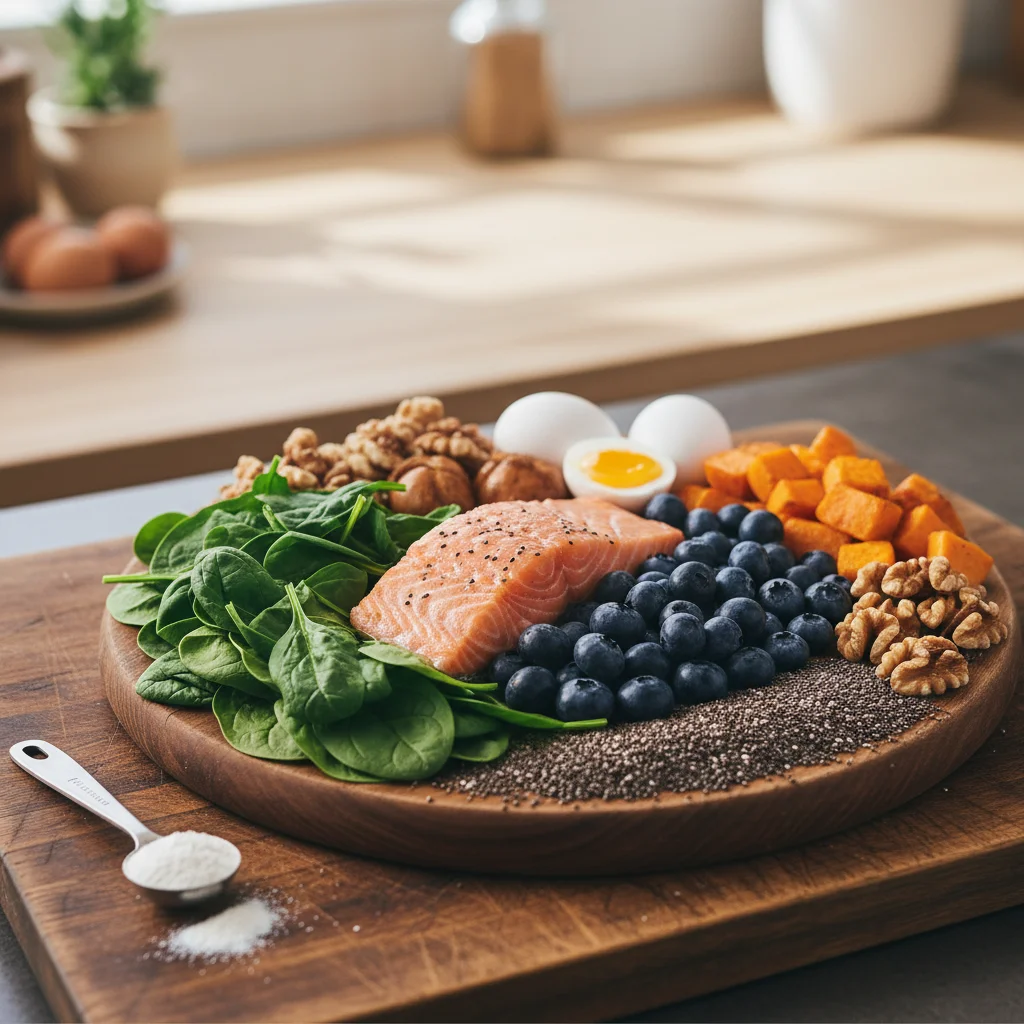
- Fatty Fish Powerhouse: Incorporate small, cooked portions of fatty fish like salmon, mackerel, or sardines (in water, no salt) a few times a week. These are natural powerhouses of Vitamin D.
- Fortified Foods: Choose high-quality commercial pet foods that explicitly state Vitamin D fortification. Always check the ingredient list and nutritional analysis.
- Veterinary-Approved Supplements: For pets with diagnosed deficiencies or specific health conditions, your vet might recommend a targeted Vitamin D supplement. Never self-prescribe, as excessive Vitamin D can be toxic.
- Egg Yolks: Cooked egg yolks can provide a small but beneficial amount of Vitamin D. Offer as an occasional treat.
2. Omega-3 Fatty Acids: Beyond the Shine – Brain and Anti-Inflammatory Power
While technically macronutrients, Omega-3 fatty acids (EPA and DHA) are often discussed alongside micronutrients due to their profound impact on cellular health, despite being needed in larger quantities than traditional vitamins and minerals. They are potent anti-inflammatory agents, vital for brain development, cognitive function, joint health, and a lustrous coat.
Why it’s Crucial in 2026:
Chronic inflammation is a silent killer, contributing to arthritis, allergies, heart disease, and cognitive decline. Omega-3s are critical in combating this, offering a proactive approach to long-term health. The rise in pet allergies and joint issues makes these fatty acids indispensable.
Insider Strategies for Incorporation:
- Fish Oil Supplements: The most direct and concentrated source. Opt for high-quality, third-party tested fish oil (preferably wild-caught small fish) to avoid contaminants. Dosage is critical and depends on your pet’s weight and health status.
- Algae Oil: A sustainable, plant-based alternative for DHA and EPA, especially good for pets with fish allergies or owners seeking vegan options.
- Flaxseed Oil (Limited Conversion): While flaxseed oil contains ALA (alpha-linolenic acid), pets have a limited ability to convert it to EPA and DHA. It’s better as a secondary source or for its fiber benefits.
- Whole Fish: Similar to Vitamin D, small amounts of cooked, boneless, unseasoned fatty fish can be an excellent source.
3. Zinc: The Immune and Skin Supercharger
Zinc is a trace mineral involved in over 300 enzymatic reactions in the body. It’s fundamental for immune function, wound healing, thyroid function, and maintaining healthy skin and coat. Deficiencies can manifest as poor skin quality, weakened immunity, and growth issues.
Why it’s Crucial in 2026:
With environmental stressors and an increasing prevalence of allergies, a strong immune system is more important than ever. Zinc supports this defense and is vital for pets prone to skin conditions or those recovering from illness or injury.
Insider Strategies for Incorporation:
- Red Meat & Poultry: Lean cuts of beef, lamb, and chicken are excellent sources of bioavailable zinc.
- Shellfish: Oysters are incredibly rich in zinc, but should be offered sparingly and cooked, if at all, due to potential contaminants and high mineral content. Consult your vet before offering.
- Pumpkin Seeds: A good plant-based source (raw, unsalted, ground) that can be sprinkled over food.
- Fortified Foods & Supplements: Many quality pet foods include adequate zinc. If supplementation is needed, chelated forms (e.g., zinc picolinate, zinc methionine) are often better absorbed.
4. B Vitamins (Complex): The Energy and Nerve Network
The B vitamin complex – including B1 (thiamine), B2 (riboflavin), B3 (niacin), B5 (pantothenic acid), B6 (pyridoxine), B7 (biotin), B9 (folate), and B12 (cobalamin) – are water-soluble vitamins crucial for energy metabolism, nerve function, red blood cell formation, and DNA synthesis. They work synergistically to support overall vitality.
Why it’s Crucial in 2026:
For active pets, aging pets, and those under stress, B vitamins are paramount. They help convert food into energy, support a healthy nervous system, and are particularly important for pets on certain medications or those with gastrointestinal issues that might impair absorption.
Insider Strategies for Incorporation:
- Organ Meats: Liver, kidney, and heart are incredibly rich in various B vitamins. Offer small, cooked portions occasionally.
- Lean Meats & Fish: Excellent sources of most B vitamins.
- Eggs: A good source of biotin and B12.
- Nutritional Yeast: A popular supplement for humans, nutritional yeast can also be a good source of B vitamins for pets (ensure it’s inactive nutritional yeast, not baker’s yeast).
- Fortified Pet Foods: Most complete and balanced pet foods will contain a full spectrum of B vitamins.
5. Choline: The Brain and Liver Protector
Choline is an essential nutrient, often grouped with B vitamins, that plays a critical role in brain development, nervous system function, and liver health. It’s a precursor to acetylcholine, a neurotransmitter involved in memory and muscle control, and aids in fat metabolism in the liver.
Why it’s Crucial in 2026:
As pet lifespans increase, cognitive decline and liver issues are becoming more prevalent. Choline offers neuroprotective benefits and supports liver detoxification, making it a key player in promoting healthy aging and overall organ function.
Insider Strategies for Incorporation:
- Egg Yolks: The single richest dietary source of choline. Incorporating cooked egg yolks is an excellent strategy.
- Organ Meats: Liver is also a significant source of choline.
- Lean Meats: Beef, chicken, and fish contain good amounts of choline.
- Soy Lecithin: A common supplement that is a concentrated source of choline, often found in pet supplements.
- Commercial Pet Foods: Many high-quality pet foods are formulated with adequate choline levels.
Beyond the Basics: Advanced Pet Micronutrient Strategies for 2026
Moving beyond simply knowing which micronutrients are important, these advanced strategies focus on how to implement them effectively and safely.
Personalized Nutrition Plans: The Future of Pet Health
One-size-fits-all diets are becoming a thing of the past. In 2026, personalized nutrition plans, often developed with the guidance of a veterinary nutritionist, will be paramount. Factors like breed, age, activity level, existing health conditions, and even genetic predispositions will influence micronutrient requirements.
How to Implement:
- Consult a Veterinary Nutritionist: This is the gold standard. They can analyze your pet’s current diet, health status, and lifestyle to create a bespoke plan that targets specific micronutrient needs.
- At-Home Dietary Analysis: Keep a detailed food diary for your pet. This can help identify potential gaps or excesses when reviewed by a professional.
- Breed-Specific Research: Some breeds have known predispositions to certain deficiencies or sensitivities. For example, certain large breeds might benefit from extra joint-supporting micronutrients.
The Role of Whole Foods and "Food First" Philosophy
While supplements have their place, the "food first" philosophy emphasizes obtaining micronutrients from whole, unprocessed foods whenever possible. This approach provides nutrients in their natural matrix, often with synergistic compounds that enhance absorption and utilization.
Practical Application:
- Strategic "Toppers": Instead of just kibble, consider adding small amounts of vet-approved whole food toppers. Examples include a spoonful of cooked, pureed pumpkin (Vitamin A, fiber), a few blueberries (antioxidants), or a small piece of cooked lean meat (B vitamins, zinc).
- Homemade Diets (with caution): If considering a homemade diet, it is absolutely crucial to work with a veterinary nutritionist to ensure it is complete and balanced. Unbalanced homemade diets are a common cause of micronutrient deficiencies.
- Rotation of Proteins: Don’t stick to just one protein source. Rotating between different meats, poultry, and fish can provide a broader spectrum of micronutrients.
Navigating the Supplement Landscape: Quality and Safety
The pet supplement market is booming, but not all supplements are created equal. Quality, bioavailability, and appropriate dosing are critical considerations for any pet micronutrient strategies involving supplementation.
Key Considerations:
- Veterinary Approval: Always consult your veterinarian before adding any supplements to your pet’s diet. They can advise on necessity, dosage, and potential interactions with medications.
- Third-Party Testing: Look for supplements that have undergone third-party testing for purity, potency, and absence of contaminants. Certifications from organizations like the National Animal Supplement Council (NASC) are good indicators of quality.
- Bioavailability: Some forms of micronutrients are better absorbed than others. For example, chelated minerals (like zinc picolinate) are generally more bioavailable than inorganic forms.
- Avoid Human Supplements: Many human supplements contain ingredients or dosages that are toxic or inappropriate for pets. Stick to pet-specific formulations.
- Holistic View: Remember that supplements should complement, not replace, a balanced diet.
Understanding Bioavailability and Absorption
It’s not just about how much of a micronutrient is present in food or a supplement; it’s about how much the pet’s body can actually absorb and utilize. Factors like gut health, the form of the nutrient, and interactions with other dietary components can all affect bioavailability.
Enhancing Absorption:
- Gut Health: A healthy gut microbiome is crucial for nutrient absorption. Probiotics and prebiotics can support gut health.
- Pairing Nutrients: Some nutrients work best together. For example, Vitamin D enhances calcium absorption, and Vitamin C can improve iron absorption.
- Proper Food Preparation: Cooking certain foods can increase the bioavailability of some nutrients, while overcooking can destroy others. For instance, light cooking of some vegetables can break down cell walls, making nutrients more accessible.
Common Micronutrient Deficiencies and Their Impact
Despite the best intentions, deficiencies can still occur. Recognizing the signs and understanding their impact is crucial for timely intervention.
- Vitamin D Deficiency: Can lead to rickets in young animals, osteomalacia in adults, and weakened immune function.
- Omega-3 Deficiency: Associated with dull coats, dry skin, excessive shedding, joint stiffness, and increased inflammatory responses.
- Zinc Deficiency: Manifests as poor coat quality, skin lesions, immune dysfunction, and impaired wound healing. Certain breeds, like Siberian Huskies and Alaskan Malamutes, are genetically predisposed to zinc-responsive dermatosis.
- B Vitamin Deficiencies: Can cause lethargy, poor appetite, neurological issues, and anemia (especially B12).
- Choline Deficiency: May contribute to fatty liver disease, growth issues, and neurological problems.
If you suspect your pet has a micronutrient deficiency, consult your veterinarian immediately. They can perform diagnostic tests and recommend appropriate interventions.
The Future of Pet Nutrition: What to Expect in 2026 and Beyond
The trend towards personalized, preventative, and precisely managed pet nutrition will only accelerate. Expect to see:
- Advanced Diagnostic Tools: More sophisticated blood tests and genetic profiling to pinpoint individual micronutrient needs and predispositions.
- AI-Driven Diet Recommendations: Artificial intelligence will likely play a larger role in analyzing pet data (breed, age, activity, health records) to suggest highly tailored dietary plans.
- Sustainable Sourcing: Increased demand for ethically and sustainably sourced ingredients, including novel protein sources and plant-based options, will influence micronutrient delivery.
- Microbiome-Focused Nutrition: A deeper understanding of the gut microbiome’s role in nutrient absorption and overall health will lead to more targeted nutritional interventions.
Adopting these pet micronutrient strategies now will not only keep your pet ahead of the curve but will lay a robust foundation for a long, healthy, and vibrant life. It’s about feeding for wellness, not just sustenance.

Practical Implementation: A Step-by-Step Guide for Pet Owners
Integrating these strategies might seem daunting, but by breaking it down, you can systematically enhance your pet’s diet.
Step 1: Assess Your Pet’s Current Diet
Start by honestly evaluating what your pet is currently eating. Is it a high-quality commercial food? Are you adding any toppers or treats? Understanding the baseline is crucial. Look for foods that are "complete and balanced" according to AAFCO (Association of American Feed Control Officials) standards, which ensures a baseline level of essential nutrients.
Step 2: Consult Your Veterinarian
Before making any significant dietary changes or introducing supplements, always have a conversation with your vet. Discuss your goals, concerns, and any specific health issues your pet may have. They can provide guidance, recommend specific brands or tests, and help you avoid potential pitfalls.
Step 3: Gradually Introduce Whole Food Sources
If you plan to incorporate whole food sources of micronutrients, do so gradually. Small amounts, introduced over several days, can help prevent digestive upset. Always ensure foods are cooked appropriately, unseasoned, and free of any toxic ingredients (e.g., onions, garlic, grapes, xylitol).
Step 4: Consider Targeted Supplementation (If Recommended)
If your vet identifies specific deficiencies or recommends supplementation for preventative reasons (e.g., Omega-3s for joint health), choose high-quality, pet-specific products. Pay close attention to dosage instructions and monitor your pet for any adverse reactions.
Step 5: Monitor and Adjust
Observe your pet closely after any dietary changes. Look for improvements in coat quality, energy levels, digestion, and overall demeanor. If you notice any negative changes, revert to the previous diet and consult your vet. Regular check-ups are also an opportunity to discuss your pet’s nutritional status.
Conclusion: A Proactive Approach to Pet Wellness in 2026
As pet parents, our ultimate goal is to provide our companions with the longest, happiest, and healthiest lives possible. In 2026, this means moving beyond conventional feeding practices and embracing sophisticated pet micronutrient strategies. By focusing on Vitamin D, Omega-3 fatty acids, Zinc, B Vitamins, and Choline – and by adopting a personalized, whole-food-first approach with expert veterinary guidance – you can unlock a new level of vitality for your pet.
Remember, every pet is unique, and what works for one may not work for another. The key is continuous learning, careful observation, and a strong partnership with your veterinarian. By investing time and effort into optimizing your pet’s micronutrient intake, you’re not just feeding them; you’re nurturing their potential for a truly thriving life.
Embrace these insider strategies, and watch your beloved companion flourish, experiencing enhanced energy, a stronger immune system, and a vibrant quality of life well into the future.