Understanding 2026 Pet Microchip Technology: What Every U.S. Owner Needs to Know for Identification and Recovery
As pet owners, the safety and well-being of our beloved companions are paramount. In an increasingly technological world, advancements in pet identification play a crucial role in ensuring that if our pets ever go missing, they can be swiftly and safely returned home. The year 2026 marks a significant period for pet microchip technology, bringing with it potential updates, enhanced functionalities, and a renewed focus on standardization. This comprehensive guide aims to equip U.S. pet owners with everything they need to know about pet microchip 2026 advancements, from understanding the core technology to navigating registration and ensuring optimal recovery chances.
The Foundation: What is a Pet Microchip?
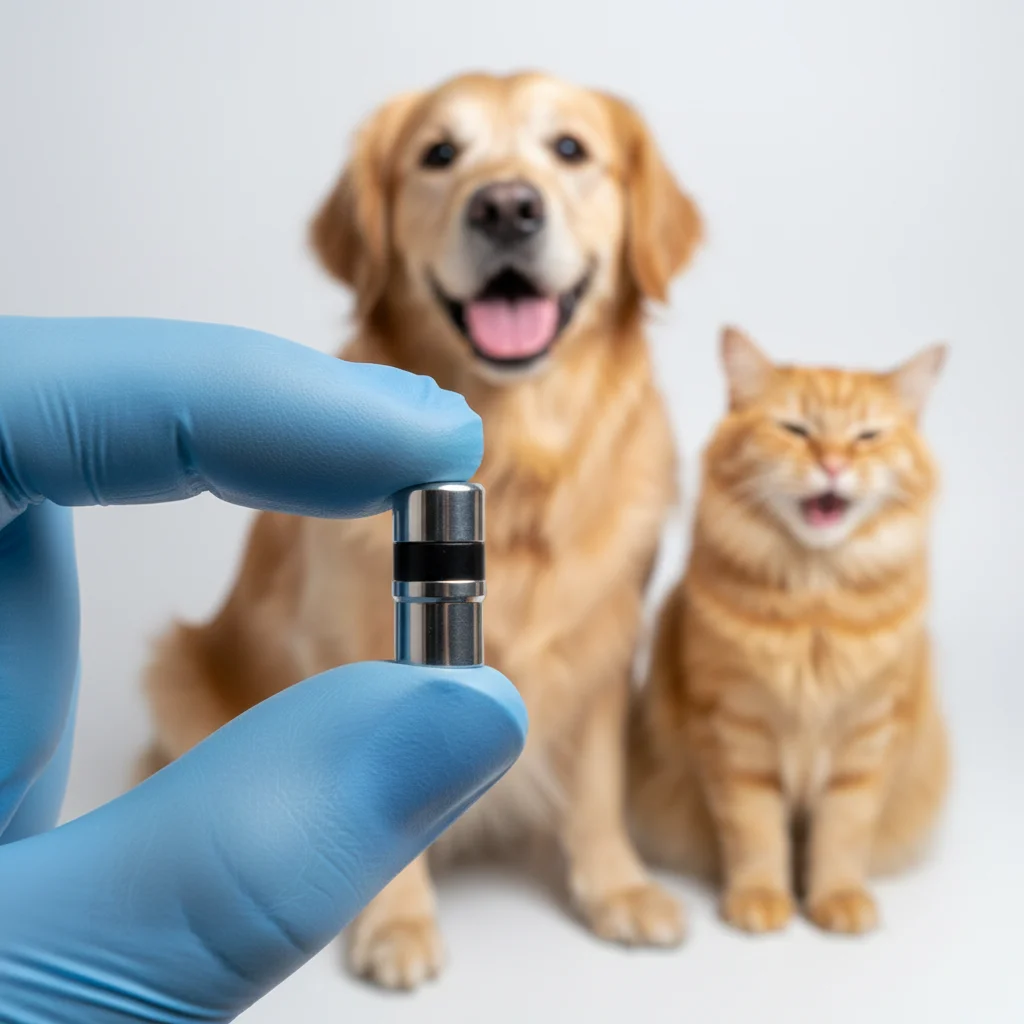
Before delving into the specifics of pet microchip 2026, let’s revisit the fundamental concept. A pet microchip is a tiny, implantable computer chip, about the size of a grain of rice. It contains a unique identification number that is registered to a pet owner’s contact information in a national database. Implanted painlessly under the skin, usually between the shoulder blades, it serves as a permanent form of identification that cannot be lost or removed like a collar or tag.
How Microchips Work: A Quick Review
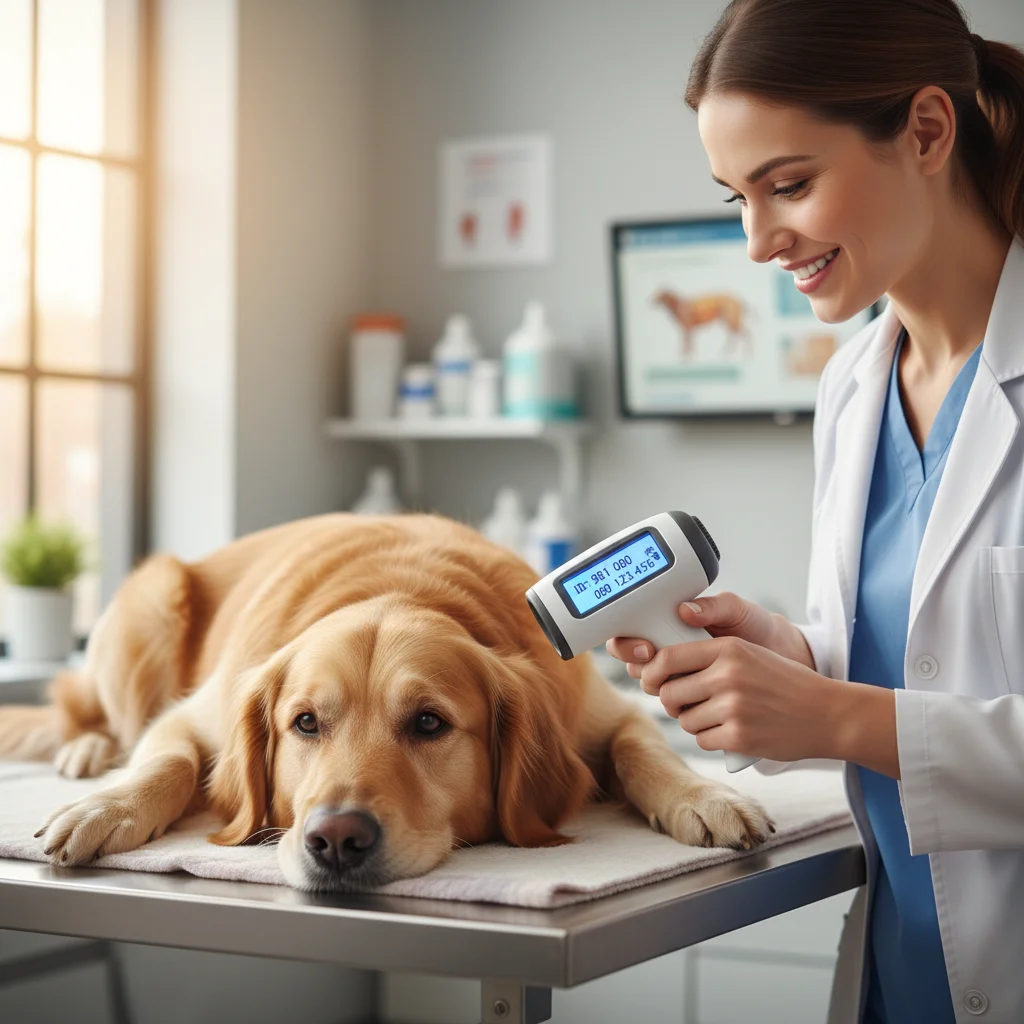
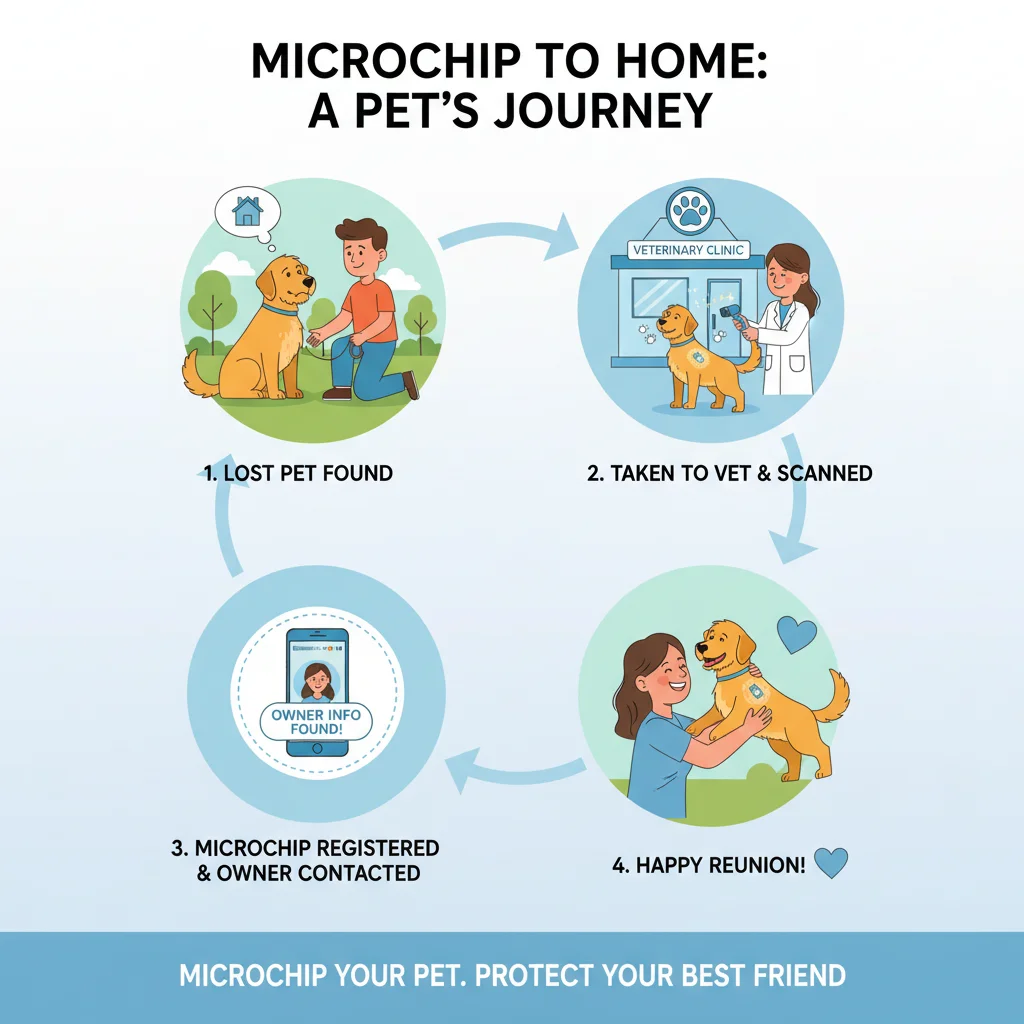
Microchips are passive devices, meaning they do not require a power source and do not transmit a signal. When a lost pet is found and taken to a shelter or veterinary clinic, a special scanner is passed over the pet’s skin. This scanner emits a low-frequency radio wave that activates the microchip, causing it to transmit its unique ID number back to the scanner. The ID number is then entered into a microchip registry database, which provides the owner’s contact information, facilitating a reunion.
Why Focus on 2026 for Pet Microchip Technology?
The year 2026 isn’t just an arbitrary date; it represents a horizon for potential shifts in technological capabilities, regulatory considerations, and industry best practices. While no single, sweeping federal mandate is currently scheduled for 2026 concerning pet microchips, the pet care industry, driven by technological innovation and a commitment to animal welfare, continuously evolves. Anticipating these changes allows pet owners to be proactive and ensure their pets are equipped with the most effective identification methods available.
Anticipated Advancements in Pet Microchip 2026
Several areas are expected to see significant development by 2026, impacting how pet microchip technology functions and benefits owners:
- Enhanced Data Capacity and Security: While current microchips primarily store an ID number, future iterations might allow for limited, secure data storage directly on the chip, such as basic medical alerts or emergency contact redundancies. Encryption and advanced security protocols could also become more commonplace to protect owner data.
- Improved Scanner Compatibility: The issue of scanner compatibility (different frequencies for different microchips) has historically been a challenge. By 2026, there’s a strong push towards universal scanners capable of reading all ISO-compliant microchips, minimizing the chance of an unreadable chip.
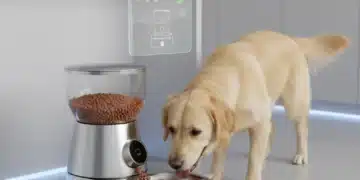
- Integration with IoT and Smart Pet Devices: The Internet of Things (IoT) is expanding rapidly. While microchips themselves won’t transmit real-time location, their unique IDs could be integrated into broader smart pet ecosystems. Imagine a scenario where a pet’s microchip ID could be instantly verified against a national lost pet database via a smart feeder or collar that has scanning capabilities.
- Miniaturization and Biocompatibility: Continued research aims to make microchips even smaller and more biocompatible, further reducing the already minimal risk of migration or tissue reaction.
- Standardization Efforts: Greater emphasis on national and international standardization of microchip frequencies and database interoperability is expected. This would streamline the process of identifying and returning pets, especially those that cross state or national borders.
The Importance of Microchip Registration and Updates
A microchip is only as effective as its registration. Even with the most advanced pet microchip 2026 technology, an unregistered chip or one linked to outdated contact information is virtually useless. This is a critical point that cannot be stressed enough.
Steps to Ensure Your Microchip is Active and Accurate:
- Initial Registration: After your pet is microchipped by a vet or shelter, ensure the chip is registered with a reputable microchip registry. Your veterinarian can often guide you through this process.
- Verify Information Annually: Make it a habit to log into your microchip registry account at least once a year to confirm all contact details (phone numbers, addresses, emergency contacts) are current.
- Update After Life Changes: Any change in address, phone number, or even pet ownership necessitates an immediate update to the microchip registration.
- Check for Multiple Registries: Some microchip companies allow registration with multiple databases. While not always necessary, it can provide an extra layer of security.
- Know Your Microchip Number: Keep a record of your pet’s microchip number in a safe place, perhaps in your pet’s medical file or on your phone. This number is essential for accessing and updating your registration.
ISO Standards and Universal Scanners: A Key for 2026
A significant aspect of pet microchip 2026 discussions revolves around the adoption and enforcement of ISO (International Organization for Standardization) standards. The ISO 11784 and 11785 standards define the technical specifications for microchips and scanners, ensuring global compatibility.
Why ISO Compliance Matters:
Historically, different microchip manufacturers have used varying frequencies (e.g., 125 kHz, 128 kHz, 134.2 kHz). While 134.2 kHz is the ISO standard, older chips or chips from non-compliant manufacturers might use other frequencies. This created a problem where a shelter might have a scanner that couldn’t read a specific chip, leading to a lost pet remaining unidentified.
By 2026, the widespread availability and mandatory use of universal scanners capable of reading all common microchip frequencies is a strong goal. Many shelters and veterinary clinics in the U.S. already utilize universal scanners, but continued advocacy and technological development will solidify this standard, making it easier to identify any microchipped pet, regardless of its chip’s frequency or origin.
Microchip Implantation: What to Expect
For those considering microchipping their pet or getting a new pet, understanding the implantation process is important. The procedure is quick, relatively painless, and can be performed during a routine veterinary visit.
The Procedure:
- Preparation: The veterinarian will typically locate an appropriate spot, usually between the shoulder blades, and may clean the area.
- Implantation: Using a sterile, pre-loaded syringe, the microchip is injected under the skin. The needle is slightly larger than a typical vaccination needle, but most pets tolerate it well, often reacting no more than they would to a routine vaccination.
- Verification: Immediately after implantation, the veterinarian will use a scanner to ensure the chip is working correctly and to record its unique ID number.
- Registration: You will then be guided through the process of registering the microchip with your contact information in a national database.
There are minimal risks associated with microchipping, primarily minor swelling at the injection site or, in very rare cases, chip migration. The benefits of permanent identification far outweigh these minimal risks.
Beyond the Microchip: Complementary Identification Methods
While pet microchip 2026 technology offers unparalleled permanent identification, it’s crucial to remember that it’s just one piece of a comprehensive safety strategy. Combining microchipping with other identification methods significantly increases the chances of a swift reunion.
Essential Complements to Microchips:
- Visible ID Tags: A collar with an up-to-date ID tag displaying your pet’s name and your phone number provides immediate identification. A rescuer doesn’t need a scanner to get this vital information.
- Rabies Tags: In many states, a rabies tag is legally required and can also serve as an additional identifier, often linking back to the veterinary clinic that issued it.
- GPS Trackers: For pets prone to wandering or those who spend time outdoors, a GPS tracker on their collar offers real-time location tracking. While not a replacement for a microchip, it provides an active layer of protection.
- Clear Pet Photos: Keep recent, clear photos of your pet from various angles, including any unique markings. These are invaluable if you need to create ‘Lost Pet’ posters or share information online.
- Pet Insurance Information: While not directly identification, having pet insurance details readily available can assist with any medical needs if your pet is found injured.
The Role of Databases and Registries in 2026
The effectiveness of a microchip hinges on robust, accessible, and interoperable databases. By 2026, we anticipate continued improvements in how these registries operate and communicate with each other.
Key Aspects of Microchip Databases:
- Centralized Search Tools: Initiatives like AAHA’s Universal Pet Microchip Lookup Tool already exist, allowing users to search across multiple participating registries. We expect these tools to become even more comprehensive and user-friendly.
- Real-time Updates: The ability for owners to make instant updates to their contact information online will be crucial.
- Data Security and Privacy: With enhanced data capacity, robust security measures to protect owner information from breaches will be paramount.
- 24/7 Accessibility: Shelters and veterinary clinics need round-the-clock access to these databases for immediate identification.
- Interoperability: The goal is a seamless system where any legitimate scanner can read any ISO-compliant chip, and that chip’s ID can be quickly traced to owner information, regardless of which specific registry it was initially placed in.
Addressing Common Concerns and Misconceptions
Despite the undeniable benefits, some pet owners still have concerns or misconceptions about microchipping. Let’s address some of these in the context of pet microchip 2026.
Myth vs. Fact:
- Myth: Microchips are GPS trackers.
- Fact: Microchips are passive ID devices; they do not contain GPS technology and cannot track your pet’s real-time location. For tracking, a separate GPS collar is needed.
- Myth: Microchips require batteries and can run out.
- Fact: Microchips are passive RFID (Radio-Frequency Identification) devices. They are activated by the scanner’s radio waves and do not require an internal power source, meaning they never ‘run out’ or need replacement due to battery failure.
- Myth: Implantation is very painful and dangerous.
- Fact: The procedure is quick and similar to a vaccine injection. Most pets show minimal discomfort. Serious complications are extremely rare.
- Myth: All microchips are read by all scanners.
- Fact: While universal scanners are becoming the norm, older or non-ISO compliant chips can sometimes be missed by certain scanners. This is precisely why the push for ISO standards and universal scanners by 2026 is so important.
- Myth: Once chipped, my pet is guaranteed to be returned.
- Fact: A microchip significantly increases the chances of reunion, but it’s not a guarantee. It only works if the chip is registered with accurate, up-to-date contact information and if the pet is scanned.
Preparing for 2026: Actionable Steps for U.S. Pet Owners
As we look towards 2026, proactive steps can ensure your pet benefits from the latest advancements and best practices in microchip technology. Here’s a checklist for every U.S. pet owner:
- Microchip Your Pet: If your pet isn’t already microchipped, schedule an appointment with your veterinarian. It’s a small investment for lifelong peace of mind.
- Verify Microchip Functionality: During your pet’s annual check-up, ask your vet to scan your pet to ensure the microchip is still in place and functioning correctly.
- Confirm Registration Details: Log into your microchip registry account (or find out which one your pet is registered with) and verify that all contact information is current and accurate. Set a calendar reminder to do this annually.
- Understand ISO Standards: Ask your veterinarian about the type of microchip they use and if it’s ISO compliant. Most modern chips are.
- Consider a Universal Lookup Tool: Familiarize yourself with tools like the AAHA Universal Pet Microchip Lookup Tool, which can help you verify your pet’s registration across multiple databases.
- Maintain Visible ID: Always keep a collar with up-to-date ID tags on your pet, even if they are microchipped.
- Educate Others: Share the importance of microchipping and registration with friends, family, and other pet owners.
- Stay Informed: Keep an eye on news and updates from reputable animal welfare organizations and veterinary associations regarding advancements in pet identification technology.
The Future of Pet Identification Beyond 2026
While pet microchip 2026 focuses on current and near-future enhancements, the trajectory of pet identification technology continues to evolve. We might see further integration with biometric data, such as facial recognition for pets, or even more sophisticated health monitoring capabilities embedded within or linked to microchip IDs. The overarching goal remains the same: to create an unbreakable link between pets and their owners, ensuring safety, responsible ownership, and swift reunions.
The commitment to animal welfare drives these innovations. As technology progresses, so too does our ability to protect our furry, feathered, and scaled family members. Being informed and proactive as a pet owner is the best way to leverage these advancements for your pet’s benefit.
Conclusion: Securing Your Pet’s Future with 2026 Microchip Technology
The landscape of pet identification is continuously improving, and pet microchip 2026 represents a pivotal point in this evolution. For U.S. pet owners, understanding these advancements and actively participating in maintaining their pet’s microchip registration is not just recommended, it’s essential. A microchip is a powerful, permanent tool that provides a critical layer of protection against loss. By embracing the current best practices and staying informed about future developments, you are taking a vital step in safeguarding your cherished companion and ensuring that they can always find their way back home.
Invest in your pet’s safety today by microchipping them and diligently keeping their registration information current. It’s a small act with potentially life-saving consequences, offering invaluable peace of mind for years to come.