Choosing the Right Pet Grooming Tools for 2026: A Comprehensive Guide
As pet parents, we all want what’s best for our furry companions. This includes ensuring they are well-groomed, not just for aesthetics, but for their overall health and well-being. Regular grooming helps prevent matting, skin issues, and can even highlight potential health problems early on. But with the myriad of pet grooming tools available on the market, how do you choose the right ones for your beloved animal? This comprehensive guide for 2026 will walk you through the essential tools, comparing brushes, clippers, and deshedders, to help you make informed decisions.
The pet care industry is constantly evolving, with new and improved pet grooming tools emerging every year. What was considered state-of-the-art last year might have a more efficient counterpart today. Staying updated on the latest innovations can significantly improve your pet’s grooming experience and make your life easier. From specialized brushes designed for specific coat types to advanced cordless clippers, the options are vast. Let’s dive in and explore the world of pet grooming tools.
Understanding Your Pet’s Coat Type: The First Step to Choosing the Right Tools
Before you even think about purchasing pet grooming tools, it’s crucial to understand your pet’s specific coat type. Just like human hair, animal fur comes in various textures, lengths, and densities. Using the wrong tools can be ineffective at best, and at worst, cause discomfort or even harm to your pet.
- Short, Smooth Coats (e.g., Beagles, Boxers): These coats are generally low maintenance. A rubber curry brush or a shedding blade is often sufficient to remove loose hair and stimulate circulation.
- Short, Wiry Coats (e.g., Terriers): These coats require regular stripping or plucking to maintain their texture. A stripping knife and a slicker brush are key.
- Medium to Long Coats (e.g., Golden Retrievers, Border Collies): These coats are prone to matting and require frequent brushing. Pin brushes, slicker brushes, and undercoat rakes are essential.
- Double Coats (e.g., Huskies, German Shepherds): Breeds with a dense undercoat and a protective outer coat need specialized deshedding tools to manage shedding and prevent matting. Undercoat rakes and deshedding tools are vital.
- Curly/Wavy Coats (e.g., Poodles, Bichon Frise): These coats don’t shed much but can mat easily. Slicker brushes, metal combs, and professional clippers are often needed for regular trims.
- Long, Silky Coats (e.g., Afghan Hounds, Maltese): These coats require delicate care to prevent breakage and matting. Pin brushes, wide-tooth combs, and detangling sprays are necessary.
Knowing your pet’s coat type will significantly narrow down your choices and ensure you invest in the most effective pet grooming tools.
Brushes: The Foundation of Pet Grooming
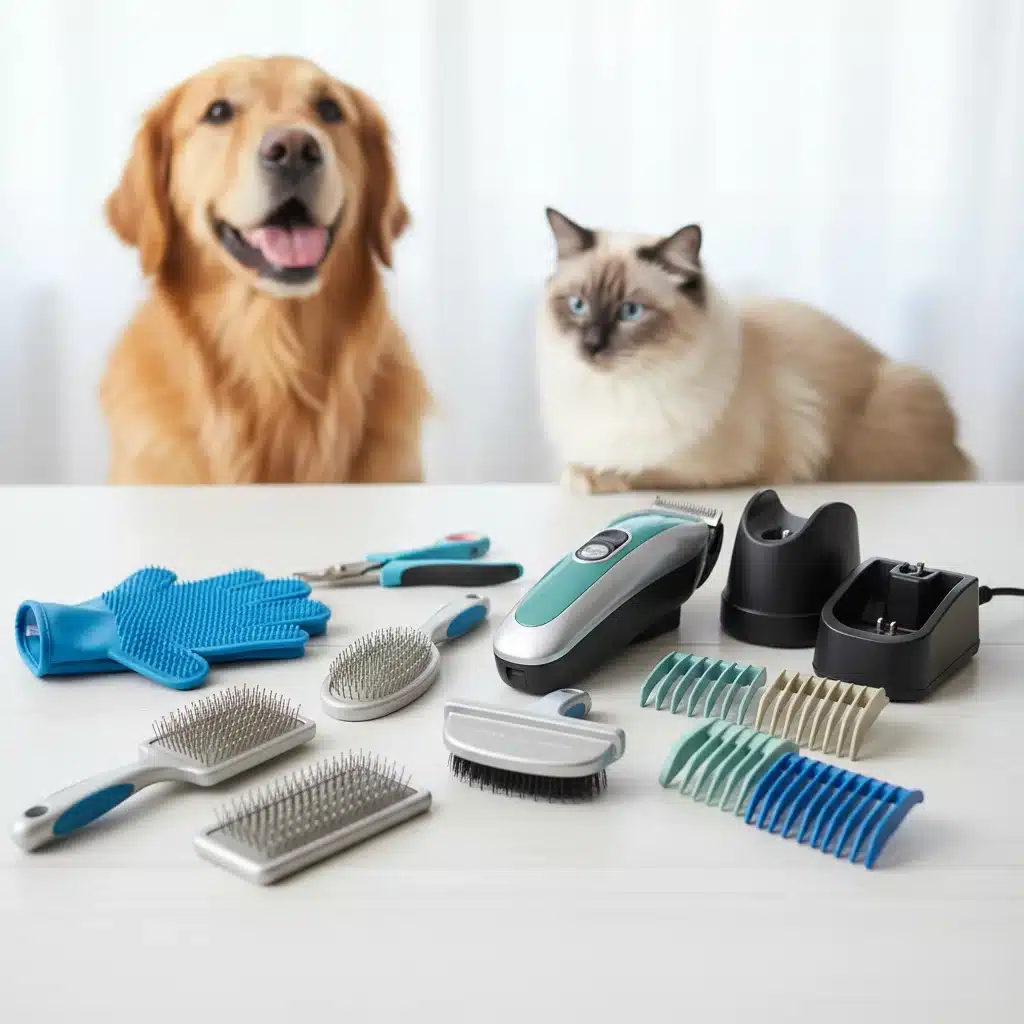
Brushing is arguably the most fundamental aspect of pet grooming. It removes loose hair, dirt, and debris, prevents matting, distributes natural oils for a healthy shine, and provides a bonding opportunity between you and your pet. Here’s a breakdown of common brush types and their uses as essential pet grooming tools:
Slicker Brushes
Slicker brushes feature fine, short wires packed closely together on a flat or curved surface. They are excellent for removing loose hair, mats, and tangles from medium to long-haired breeds and those with curly coats. The wires are angled to grab loose fur without scratching the skin, provided you use a gentle hand. Regular use of a slicker brush can drastically reduce shedding in your home.
Pin Brushes
Pin brushes have widely spaced metal pins with rounded tips. They are ideal for pets with medium to long, silky, or wiry coats. These brushes are great for general detangling and fluffing, and they are less likely to pull on the fur than slicker brushes. They’re also perfect for finishing touches, leaving the coat smooth and shiny.
Bristle Brushes
Bristle brushes are made with natural or synthetic bristles and are best suited for short-haired breeds with smooth coats. They help remove loose hair, dirt, and stimulate the skin, distributing natural oils for a healthy sheen. They are also excellent for breeds with wiry coats to remove loose hair after stripping.
Rubber Curry Brushes/Grooming Gloves
These flexible rubber tools are fantastic for short-haired pets. They gently massage the skin, stimulating circulation, while effectively removing loose hair and dirt. Grooming gloves offer a more natural feel, allowing you to pet your animal while simultaneously grooming them, which can be very comforting for anxious pets. They are also great for bath time to work in shampoo and rinse out thoroughly.
Undercoat Rakes
Designed for double-coated breeds, undercoat rakes have long, widely spaced teeth that penetrate the topcoat to reach and remove loose undercoat fur. This is crucial for preventing matting and reducing shedding. Using an undercoat rake regularly, especially during shedding seasons, can make a significant difference in your pet’s comfort and your home’s cleanliness.
Deshedders: Winning the Battle Against Shedding
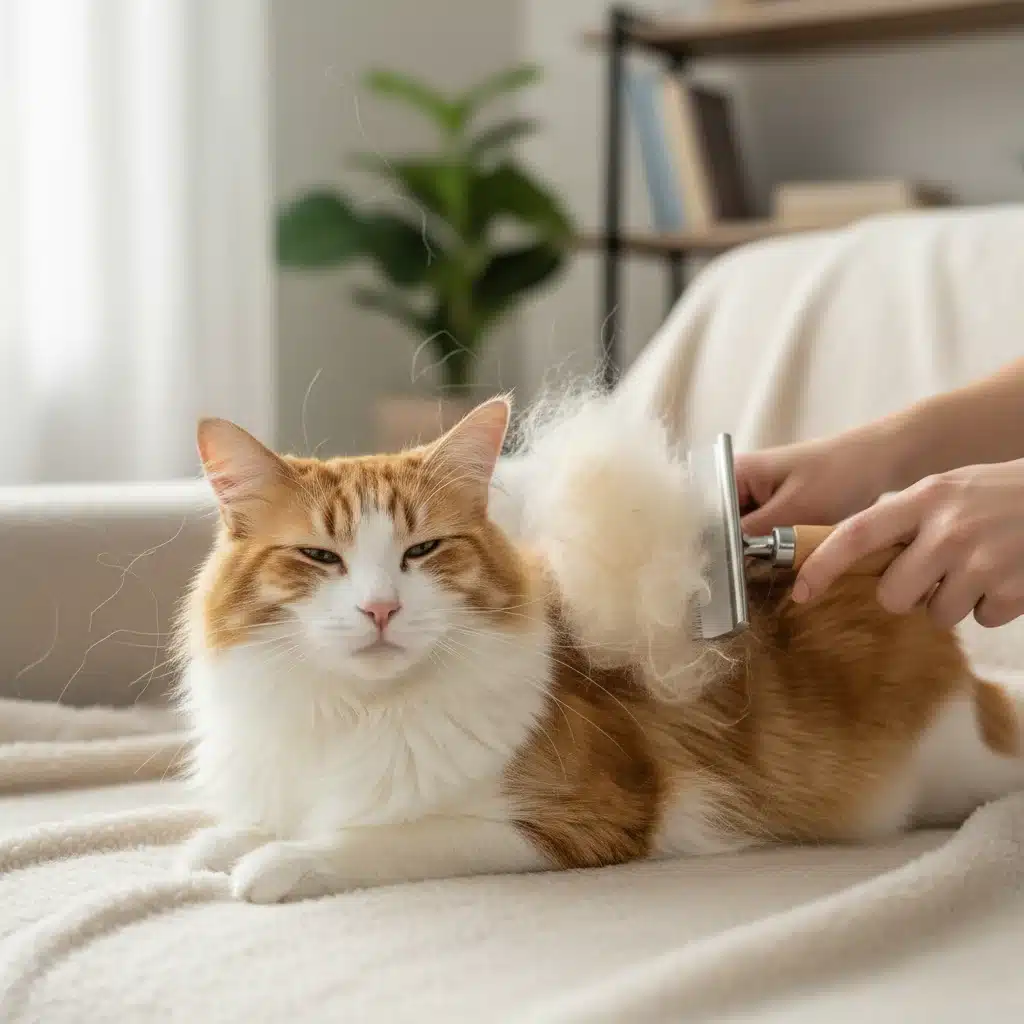
Shedding is a natural process, but for many pet owners, it can feel like a never-ending battle. Deshedding tools are specifically designed to remove loose undercoat hair that would otherwise end up on your furniture and clothes. These are among the most popular pet grooming tools for a reason.
The FURminator and Similar Tools
The FURminator is perhaps the most well-known deshedding tool, and many brands now offer similar designs. These tools feature a fine-toothed blade that reaches deep into the undercoat to remove loose hair without cutting the topcoat. They are incredibly effective at reducing shedding by up to 90% when used regularly. However, it’s important to use them correctly and not over-brush, as excessive use can irritate the skin or damage the coat. Always follow the manufacturer’s instructions.
When choosing a deshedding tool, consider the size and type of your pet’s coat. There are specific versions for short-haired, long-haired, small, medium, and large pets. Investing in the right deshedding tool can dramatically improve your pet’s coat health and reduce the amount of fur around your home.
Clippers: For Trimming, Styling, and Health
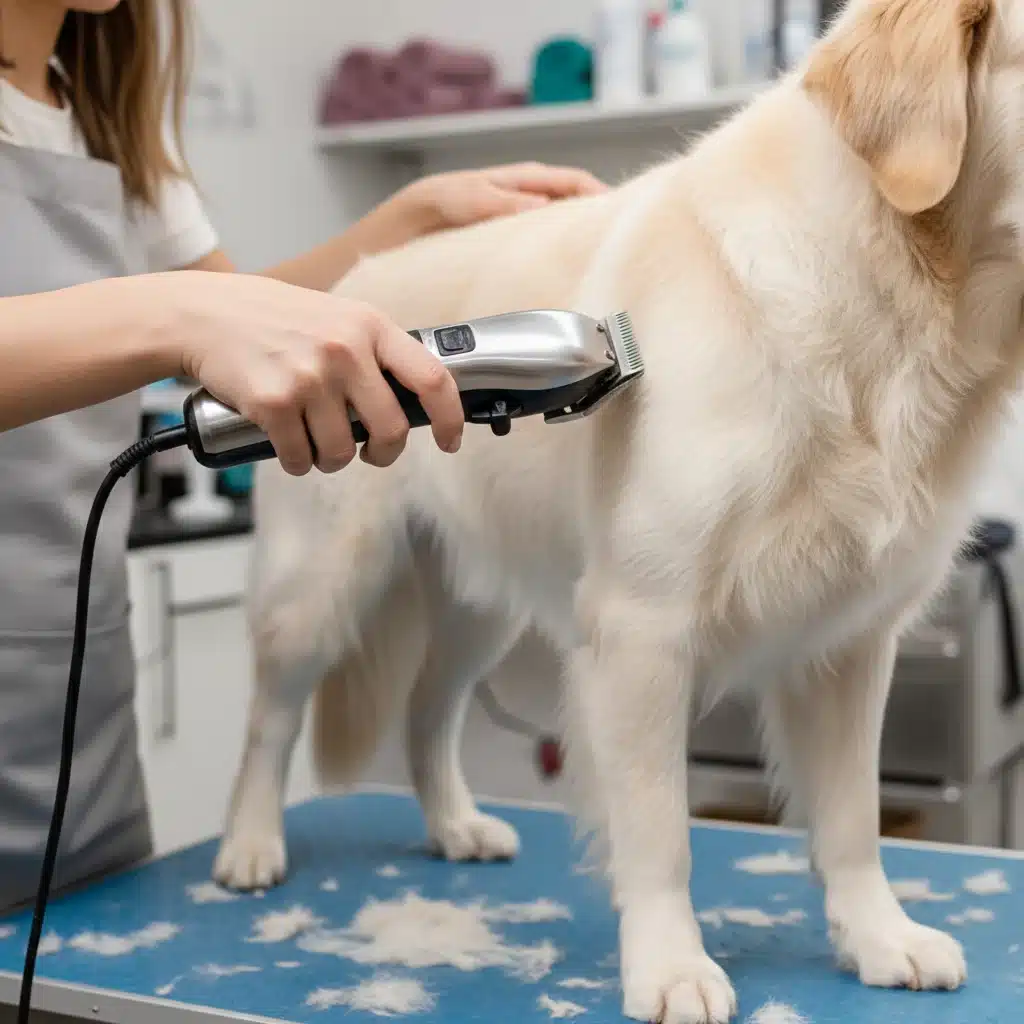
Clippers are essential pet grooming tools for maintaining a pet’s coat length, removing matted fur, and for certain breeds, achieving specific styles. They come in various types, each suited for different needs.
Corded vs. Cordless Clippers
- Corded Clippers: These typically offer more power and consistent performance, making them ideal for heavy-duty grooming or for pets with very thick coats. They are great for professional groomers or pet owners who do extensive clipping. The downside is the cord can limit mobility.
- Cordless Clippers: Offering superior flexibility and ease of use, cordless clippers are perfect for touch-ups, smaller pets, or for pets who are nervous about cords. Battery life and motor power are key considerations when choosing cordless models.
Motor Types: Rotary, Pivot, and Magnetic
- Rotary Motors: Found in most high-end clippers, rotary motors are powerful and versatile, capable of handling all coat types. They are durable and run cooler than other types.
- Pivot Motors: These motors offer good power for thick coats but operate at a slower blade speed. They are often quieter, which can be beneficial for anxious pets.
- Magnetic Motors: Primarily found in older or more basic clippers, magnetic motors are fast but can heat up quickly and are generally less powerful for very thick coats.
Blades and Guards
The blades are crucial components of your clippers. They come in various sizes (e.g., #10, #30, #4F, #7F), each designed for a specific cut length or purpose. Stainless steel or ceramic blades are common, with ceramic blades often staying cooler for longer. Clipper guards (also known as comb attachments) attach to the blade to leave a longer length of hair, protecting the skin and ensuring an even cut. Always ensure your blades are sharp and clean to prevent pulling and discomfort for your pet.
Noise and Vibration Levels
Many pets are sensitive to noise and vibrations. When selecting clippers, especially for a nervous pet, look for models advertised as ‘quiet’ or ‘low vibration.’ This can make a significant difference in your pet’s willingness to tolerate grooming sessions.
Other Essential Pet Grooming Tools
Beyond brushes, deshedders, and clippers, several other pet grooming tools are indispensable for a complete grooming routine.
Nail Clippers/Grinders
Keeping your pet’s nails trimmed is vital for their comfort and health. Overgrown nails can cause pain, affect their gait, and even lead to infections. There are two main types:
- Scissor-style clippers: Best for larger, stronger nails.
- Guillotine-style clippers: Often preferred for smaller to medium-sized pets.
- Nail Grinders: An alternative to clippers, grinders use a rotating abrasive surface to file down the nails. Many pets tolerate grinders better than clippers, and they allow for a smoother finish, reducing the risk of splitting.
Always have styptic powder on hand in case you accidentally cut too close to the quick.
Grooming Scissors (Blunt-Tipped)
Blunt-tipped grooming scissors are perfect for carefully trimming sensitive areas like around the eyes, ears, and paws. The blunt tips minimize the risk of accidental pokes or cuts. They are excellent for tidying up stray hairs that clippers might miss or for intricate detailing.
Detangling Sprays and Conditioners
These products are not tools in the traditional sense, but they are invaluable aids. Detangling sprays can make brushing through mats and tangles much easier, reducing discomfort for your pet. Conditioners can help maintain coat health, add shine, and prevent future matting.
Shampoos and Conditioners
Choosing the right shampoo and conditioner for your pet’s skin and coat type is just as important as selecting the right brushes. Look for products that are pH-balanced for pets, hypoallergenic, or formulated for specific concerns like sensitive skin, shedding, or dry coats. Avoid human shampoos, as they can irritate your pet’s skin.
Ear Cleaners
Regular ear cleaning is essential to prevent infections, especially for breeds with floppy ears. Use a pet-specific ear cleaning solution and cotton balls or pads. Never use cotton swabs inside the ear canal, as this can push debris further in or damage the eardrum.
Dental Care Tools
While often overlooked in grooming discussions, dental health is crucial. Pet toothbrushes and pet-specific toothpaste are vital for preventing dental disease. Regular brushing can significantly improve your pet’s overall health and extend their lifespan. Dental wipes and oral sprays can also be helpful supplements.
Maintenance and Care of Your Pet Grooming Tools
To ensure your pet grooming tools last longer and perform effectively, proper maintenance is key. Cleanliness is not just about extending the life of your tools; it’s also about preventing the spread of bacteria and fungi between grooming sessions.
- Clean Brushes Regularly: After each use, remove all hair from brushes. Periodically wash plastic and rubber brushes with mild soap and water, then air dry completely.
- Sanitize Clippers and Blades: After each use, brush off loose hair from clipper blades. Use a blade wash or disinfectant spray to clean and sanitize them. Lubricate blades with clipper oil to keep them running smoothly and prevent rust. Store blades properly to protect their sharpness.
- Sharpen Blades and Scissors: Over time, clipper blades and grooming scissors will dull. Have them professionally sharpened or replace them when necessary to ensure a clean, comfortable cut for your pet. Dull tools can pull hair, causing pain and an uneven finish.
- Store Tools Properly: Keep all your pet grooming tools in a clean, dry place. A dedicated grooming kit or tackle box can help keep everything organized and protected.
Tips for a Successful Grooming Session
Even with the best pet grooming tools, a successful grooming session depends on your approach. Here are some tips to make it a positive experience for both you and your pet:
- Start Young: Introduce grooming tools and routines to your pet when they are young. This helps them get accustomed to the process and view it as a normal, positive part of their life.
- Positive Reinforcement: Use treats, praise, and gentle handling throughout the grooming session. Make it an enjoyable experience rather than a chore.
- Short and Frequent Sessions: Especially for new or anxious pets, start with short grooming sessions and gradually increase the duration as they become more comfortable.
- Be Patient: Some pets may take longer to adjust to grooming. Patience is key. Never force your pet or get frustrated, as this can create negative associations.
- Choose the Right Environment: Groom your pet in a calm, quiet area where they feel safe and comfortable. A non-slip mat on a table can provide stability.
- Check for Lumps and Bumps: Use grooming as an opportunity to perform a quick health check. Feel for any unusual lumps, bumps, skin irritations, or parasites.
The Future of Pet Grooming Tools in 2026 and Beyond
As we look ahead to 2026, we can anticipate continued advancements in pet grooming tools. Expect to see more:
- Smart Grooming Devices: Integration with apps for tracking grooming schedules, coat health analysis, and personalized product recommendations.
- Ergonomic Designs: Tools designed for maximum comfort for both the groomer and the pet, reducing strain and improving efficiency.
- Eco-Friendly Materials: A growing focus on sustainable and recyclable materials for brushes, handles, and packaging.
- Advanced Motor Technology: Quieter, more powerful, and longer-lasting motors for clippers, making grooming less stressful.
- Specialized Solutions: Even more niche tools designed for specific breeds, coat conditions, or grooming challenges.
Staying informed about these innovations will help you continue to provide the best care for your pet.
Conclusion: Investing in the Right Pet Grooming Tools for a Happy, Healthy Pet
Choosing the right pet grooming tools is an investment in your pet’s health, happiness, and your bond with them. By understanding your pet’s coat type, selecting appropriate brushes, deshedders, and clippers, and maintaining your tools properly, you can ensure a comfortable and effective grooming routine. Remember that grooming is more than just making your pet look good; it’s a vital part of their overall well-being. With the insights from this 2026 guide, you are well-equipped to navigate the world of pet grooming tools and provide your furry friend with the best care possible. Happy grooming!