Mastering Long-Haired Dog Grooming: Shedding Solutions for 2026
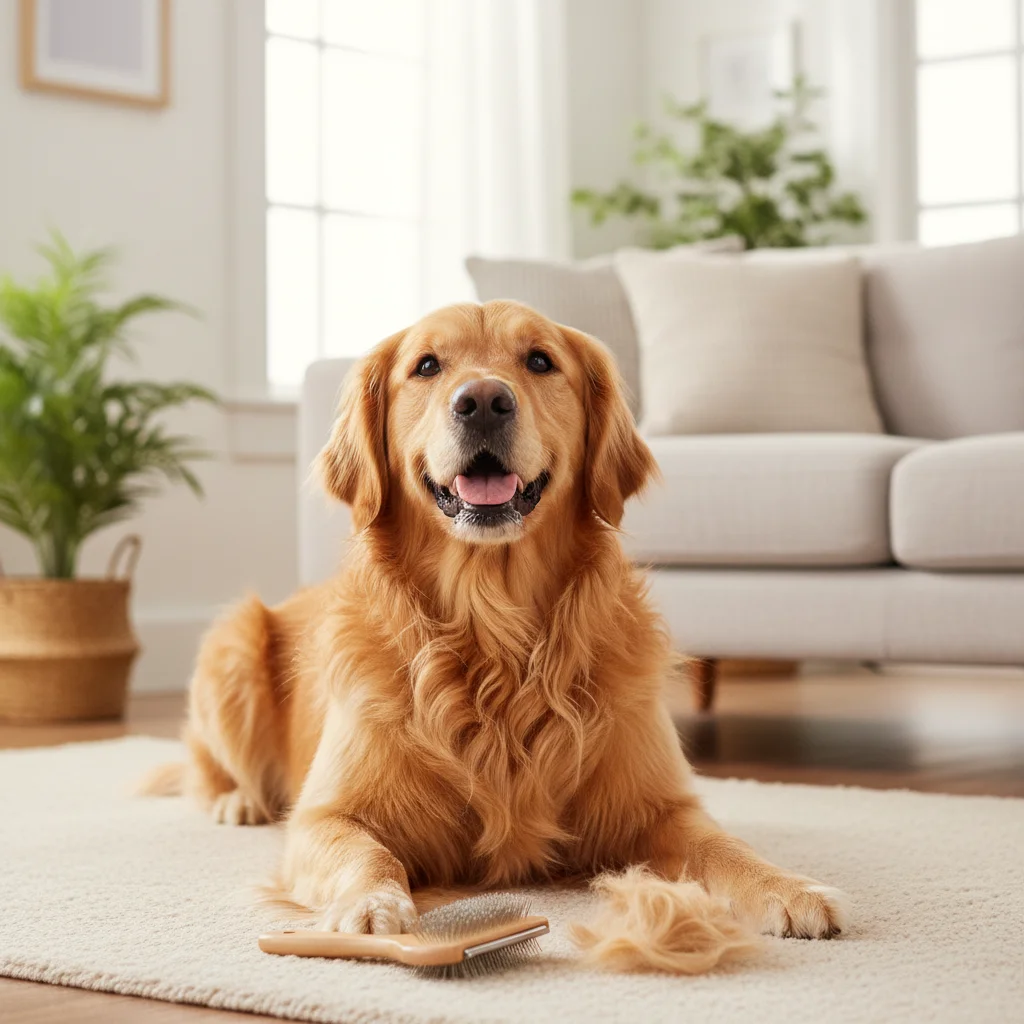
As devoted pet parents, we all adore our long-haired companions. Their majestic coats are a sight to behold, but let’s be honest – the constant battle against shedding can sometimes feel overwhelming. If you’ve ever found yourself wondering how to keep your home from being perpetually covered in a fine layer of fur, you’re not alone. The good news is that with the right knowledge, tools, and techniques, you can significantly reduce shedding and maintain a healthy, beautiful coat for your long-haired dog. This comprehensive guide will delve into the world of long-haired dog grooming, offering cutting-edge strategies for 2026 that promise to reduce shedding by a remarkable 50% or even more.
Shedding is a natural process, but excessive shedding can be a sign of improper grooming, nutritional deficiencies, or even underlying health issues. Our focus here is on optimizing your grooming routine to manage and minimize this natural process, ensuring both your dog’s comfort and your home’s cleanliness. We’ll explore everything from understanding your dog’s coat type to advanced grooming technologies and dietary considerations that impact coat health. Get ready to transform your approach to long-haired dog grooming and enjoy a cleaner home and a happier, healthier pet.
Understanding Your Long-Haired Dog’s Coat: A Foundation for Effective Grooming
Before diving into specific techniques, it’s crucial to understand the unique characteristics of your long-haired dog’s coat. Not all long coats are created equal. Breeds like Golden Retrievers, Collies, Afghan Hounds, and Shih Tzus all have distinct coat types, each requiring a tailored grooming approach. Generally, long-haired breeds possess a double coat – a soft, dense undercoat for insulation and a coarser, longer outer coat that protects against elements. It’s often the undercoat that contributes most to shedding, especially during seasonal changes.
Understanding the growth cycle of your dog’s hair is also important. Hair grows, rests, and then sheds. Factors like diet, hormones, stress, and environmental conditions can all influence this cycle. Recognizing these nuances is the first step towards developing an effective long-haired dog grooming strategy that targets the root cause of excessive shedding.
Common Long-Haired Breeds and Their Specific Grooming Needs
- Golden Retrievers & Collies: These breeds have a dense double coat that requires regular brushing to prevent matting and remove loose undercoat. Seasonal shedding can be intense.
- Afghan Hounds & Maltese: Their single, flowing coats are prone to tangles and require daily detangling and gentle brushing to maintain their luxurious appearance.
- Shih Tzus & Lhasa Apsos: These smaller breeds often have hair that grows continuously, similar to human hair, making regular trims and daily brushing essential to prevent mats and keep hair out of their eyes.
- Newfoundlands & Bernese Mountain Dogs: With very thick double coats, these dogs need powerful de-shedding tools and consistent grooming to manage their heavy shedding.
Identifying your dog’s specific coat type will help you choose the right tools and techniques, making your long-haired dog grooming routine much more efficient and effective.
The 2026 Grooming Toolkit: Essential Tools for Shedding Reduction
Investing in the right grooming tools is paramount for successful long-haired dog grooming. The market is constantly evolving, and 2026 brings new advancements and refinements to classic tools. Forget the single-brush approach; a multi-tool strategy is key to tackling shedding effectively.
Must-Have Brushes and Combs:
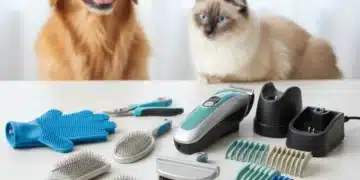
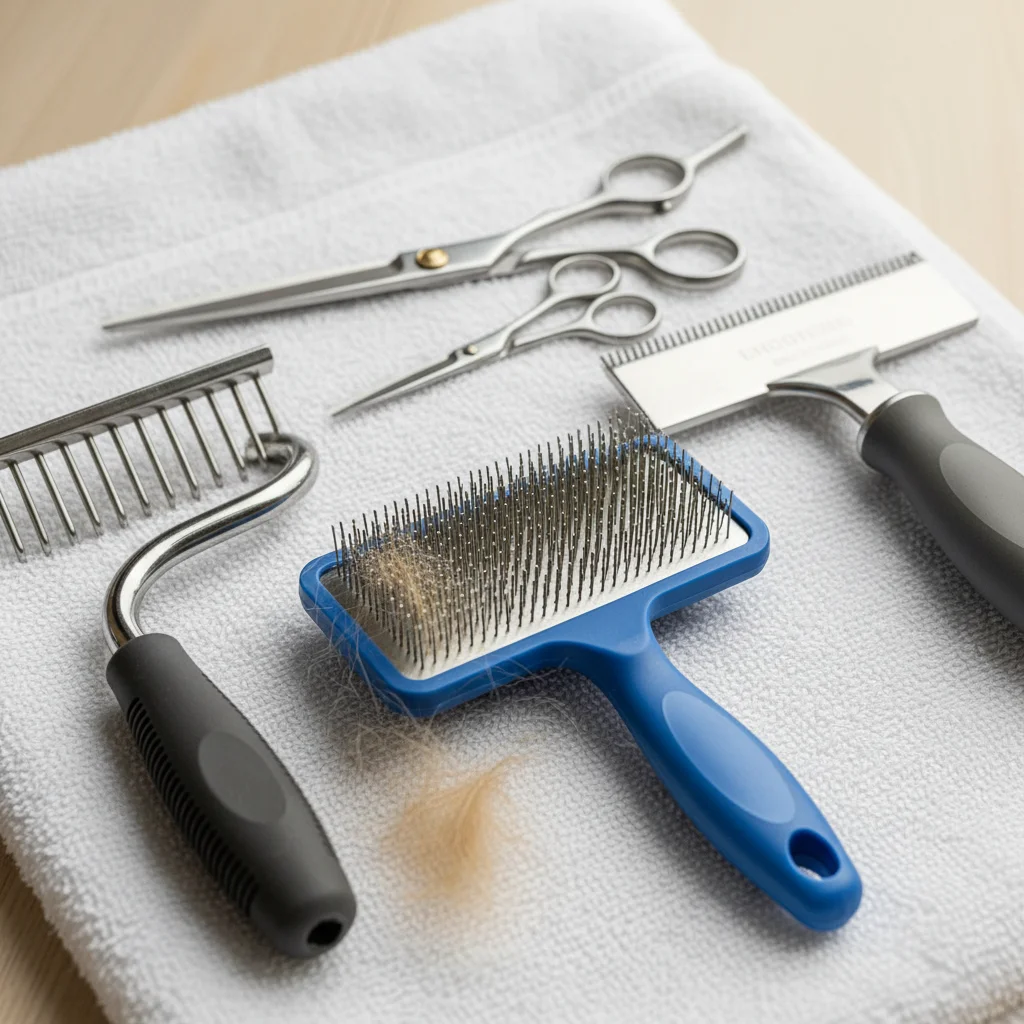
- Slicker Brush: Indispensable for removing loose hair from the topcoat and undercoat, and for detangling. Look for models with flexible pins that contour to your dog’s body.
- Undercoat Rake: This tool is a game-changer for double-coated breeds. Its long, widely spaced teeth penetrate the topcoat to gently pull out loose undercoat without damaging the guard hairs. Regular use can dramatically reduce shedding.
- De-shedding Tool (e.g., Furminator-style): Designed to reach deep into the undercoat and remove dead hair without cutting the topcoat. Use with caution and follow instructions, as overuse can irritate the skin.
- Pin Brush: Ideal for longer, silkier coats, it helps to separate hairs and remove minor tangles, leaving the coat smooth and shiny.
- Wide-toothed Comb: Essential for checking for tangles and mats after brushing, especially in areas prone to knotting like behind the ears, armpits, and tails.
Advanced Grooming Gadgets for 2026:
- Pet Grooming Vacuums: These integrated systems combine brushing with vacuum suction, capturing loose hair directly into a canister. They are a significant step forward in containing shedding and keeping your grooming area clean.
- Ionic Brushes: Some brushes now incorporate ionic technology, claiming to reduce static and frizz, leading to a smoother, less tangled coat.
- Waterless Shampoos & Conditioners with De-shedding Formulas: Perfect for quick touch-ups between baths, these products help loosen and release dead hair, making subsequent brushing more effective.
Selecting the right tools is an investment in your dog’s health and your peace of mind. High-quality tools last longer and are more comfortable for both you and your pet during the long-haired dog grooming process.
The Daily Grooming Routine: Reducing Shedding by 50%
Consistency is key when it comes to managing shedding in long-haired dogs. A daily or every-other-day routine is far more effective than sporadic, intensive grooming sessions. Our goal is a 50% reduction in shedding, and this is achievable through a structured, proactive approach.
Step-by-Step Daily Grooming Plan:
- The Pre-Brush Spritz (Optional but Recommended): Lightly mist your dog’s coat with a detangling spray or a de-shedding conditioner diluted with water. This helps to hydrate the hair, reduce static, and make brushing easier and more comfortable.
- Undercoat Removal with Rake or De-shedding Tool (5-10 minutes): For double-coated breeds, start with an undercoat rake or de-shedding tool. Work in small sections, always brushing in the direction of hair growth. Be gentle, especially around sensitive areas. The goal is to remove as much loose undercoat as possible.
- Slicker Brush for Topcoat and Detangling (5-10 minutes): Follow up with a slicker brush to smooth the topcoat, remove any remaining loose hairs, and address minor tangles. Pay extra attention to areas prone to matting.
- Pin Brush for Shine and Finish (2-3 minutes): For breeds with longer, silkier coats, a pin brush can add a final polish, separating individual hairs and enhancing shine.
- Wide-toothed Comb Check (2-3 minutes): After brushing, run a wide-toothed comb through your dog’s entire coat, from skin to tip. If the comb glides through easily, you’ve done a great job! If it snags, gently work through any remaining tangles.
- Positive Reinforcement: Always end grooming sessions with praise, treats, and affection. This makes grooming a positive experience for your dog and strengthens your bond.
This routine, when performed consistently, will not only drastically reduce the amount of hair shed around your home but also prevent painful mats and tangles, improve air circulation to the skin, and distribute natural oils for a healthier, shinier coat. Regular long-haired dog grooming also allows you to check for any skin issues, lumps, or parasites early on.
Beyond the Brush: Bathing, Nutrition, and Health
While daily brushing is the cornerstone of shedding reduction, it’s just one piece of the puzzle. A holistic approach to long-haired dog grooming includes proper bathing techniques, a balanced diet, and overall health monitoring.
Bathing for Shedding Control:
Bathing can help loosen dead hair, making it easier to remove during the drying and brushing process. However, over-bathing can strip natural oils, leading to dry skin and potentially more shedding. Aim for a bath every 4-8 weeks, or as needed, using a high-quality shampoo and conditioner specifically formulated for dogs with long coats and shedding issues.
- De-shedding Shampoos & Conditioners: These products are designed with ingredients that help release loose undercoat. Let the conditioner sit for the recommended time to maximize its effectiveness.
- Thorough Rinsing: Ensure all shampoo and conditioner are completely rinsed out to prevent skin irritation and residue buildup.
- Proper Drying: Towel dry thoroughly, then use a dog-specific blow dryer on a cool or low heat setting while brushing. This helps fluff the coat and remove even more loose hair before it has a chance to fall out in your home.
The Role of Nutrition in Coat Health:
A healthy coat starts from within. A diet rich in essential fatty acids, particularly Omega-3 and Omega-6, is crucial for skin health and coat quality. These nutrients can help reduce dryness, flakiness, and excessive shedding.
- High-Quality Dog Food: Choose a premium dog food with a named meat source as the first ingredient and a balanced nutrient profile.
- Supplements: Consider adding fish oil (salmon oil, cod liver oil) or flaxseed oil supplements to your dog’s diet. Always consult your veterinarian before introducing new supplements.
- Hydration: Ensure your dog has constant access to fresh, clean water. Dehydration can lead to dry skin and a dull coat, potentially increasing shedding.
By addressing these internal factors, you’ll notice a significant improvement in your dog’s coat health and a further reduction in shedding, complementing your external long-haired dog grooming efforts.
Troubleshooting Common Long-Haired Dog Grooming Challenges
Even with the best intentions and tools, you might encounter specific challenges during your long-haired dog grooming journey. Here’s how to tackle some common issues:
Dealing with Mats and Tangles:
Mats are painful and can lead to skin infections if left untreated. Prevention is always better than cure, which is why consistent daily brushing is so important.
- Never Cut Mats with Scissors: This is incredibly dangerous and can easily lead to accidental injury.
- Use a Mat Splitter or Dematting Tool: These tools are designed to safely break apart mats without pulling excessively on the skin.
- Work Slowly and Gently: Apply a detangling spray and use your fingers to carefully separate the mat, then use a comb or mat splitter.
- Seek Professional Help: For severe matting, it’s best to consult a professional groomer. They have the expertise and specialized tools to safely remove mats, sometimes requiring shaving the affected area.
Skin Irritation and Dandruff:
If your dog develops skin irritation, redness, or excessive dandruff, it could be due to allergies, dry skin, parasites, or an underlying medical condition. While grooming can help, it’s crucial to consult your veterinarian to rule out any health issues.
- Hypoallergenic Shampoos: If allergies are suspected, your vet might recommend a specific shampoo.
- Humidifiers: In dry climates, a humidifier can help alleviate dry skin.
- Parasite Control: Ensure your dog is on a regular flea and tick prevention program, as these can cause intense itching and skin irritation.
Grooming-Resistant Dogs:
Some dogs simply don’t enjoy grooming. Patience, positive reinforcement, and starting early are key.
- Start Young: Introduce puppies to grooming tools and short sessions early on.
- Short, Frequent Sessions: Don’t try to do everything at once. Break grooming into several short sessions throughout the day.
- High-Value Treats: Reward your dog generously during and after grooming.
- Professional Guidance: A professional groomer or a dog trainer specializing in behavior can offer techniques for desensitizing your dog to grooming.
The Future of Long-Haired Dog Grooming: Innovations for 2026 and Beyond
The pet care industry is constantly innovating, and 2026 promises even more advanced solutions for long-haired dog grooming. Here’s a glimpse into what’s on the horizon:
- Smart Grooming Devices: Imagine brushes with built-in sensors that analyze coat health, identify potential skin issues, and even track shedding patterns over time, providing personalized grooming recommendations.
- AI-Powered Grooming Assistants: Apps that use artificial intelligence to guide pet owners through proper grooming techniques, offering real-time feedback and troubleshooting.
- Biodegradable & Eco-Friendly Products: A greater emphasis on sustainable grooming products, from shampoos to tools made from recycled or natural materials.
- Advanced Nutritional Supplements: Targeted supplements formulated with specific amino acids and vitamins to optimize hair follicle health and significantly reduce shedding from the inside out.
- Professional Grooming Technology: Grooming salons may adopt robotic brushing systems or advanced hydro-baths that offer a more efficient and stress-free experience for dogs.
Staying informed about these advancements will empower you to provide the best possible care for your long-haired companion, making long-haired dog grooming not just a chore, but an enjoyable bonding experience.
Conclusion: Embrace a Shed-Reduced Future with Effective Long-Haired Dog Grooming
Managing the beautiful, flowing coats of long-haired dogs doesn’t have to be a constant struggle against fur. By implementing a consistent, informed, and proactive long-haired dog grooming routine, you can realistically reduce shedding by 50% or more, leading to a cleaner home and a happier, healthier pet.
Remember, the key lies in understanding your dog’s specific coat type, investing in the right high-quality tools, adhering to a daily brushing schedule, and supporting coat health through proper nutrition and regular veterinary check-ups. Embrace the journey of grooming as an opportunity to bond with your beloved companion, and you’ll soon reap the rewards of a magnificent, shed-controlled coat that both you and your dog will adore.
Start today, and by 2026, your home will be a testament to the power of effective long-haired dog grooming!