Gentle Exercise Senior Pets: Boost Mobility & Comfort 2026
As our beloved companions age, their needs evolve, and one of the most critical aspects of their well-being becomes maintaining mobility and comfort. Just like humans, senior pets benefit immensely from regular, appropriate physical activity. This isn’t about high-impact workouts or strenuous runs; it’s about gentle exercise senior pets can enjoy, designed to preserve muscle mass, support joint health, and enhance their overall quality of life. In 2026, with increasing awareness and advancements in veterinary care, focusing on tailored exercise routines for our aging furry friends is more important than ever.
The journey through a pet’s senior years can be incredibly rewarding, but it often comes with challenges like arthritis, decreased energy levels, and reduced flexibility. Ignoring these changes can lead to a rapid decline in their physical and mental health. Conversely, incorporating thoughtful, gentle exercise senior pets can engage in can significantly slow down the aging process, keep them mentally stimulated, and strengthen the bond you share. This comprehensive guide will delve into the importance of senior pet exercise, how to assess their readiness, and four specific gentle routines perfect for 2026 and beyond.
Understanding the Importance of Gentle Exercise for Senior Pets
The phrase "use it or lose it" applies just as much to our senior pets as it does to us. Without regular movement, their muscles can atrophy, joints can stiffen, and their overall physical condition can deteriorate rapidly. This can lead to a vicious cycle where pain and discomfort discourage movement, which in turn exacerbates their physical issues. Gentle exercise senior pets engage in helps break this cycle, offering a multitude of benefits:
- Maintains Muscle Mass: Regular, low-impact activity helps prevent sarcopenia (age-related muscle loss), which is crucial for supporting joints and maintaining strength.
- Improves Joint Flexibility and Health: Movement encourages the production of synovial fluid, which lubricates joints and reduces stiffness. It also helps distribute nutrients to cartilage.
- Enhances Circulation: Better blood flow means more oxygen and nutrients reach tissues, aiding in healing and overall organ function.
- Manages Weight: Senior pets often have slower metabolisms. Gentle exercise, combined with a proper diet, can help prevent obesity, a major contributor to joint problems and other health issues.
- Boosts Mental Stimulation: Engaging in activities, even gentle ones, provides mental enrichment, preventing boredom and cognitive decline.
- Reduces Stress and Anxiety: Physical activity can release endorphins, acting as natural mood boosters and helping to alleviate anxiety.
- Strengthens the Human-Animal Bond: Shared activities, even quiet walks or gentle play, deepen the connection between you and your pet.
- Improved Digestion and Elimination: Movement can aid in regular bowel movements and overall digestive health.
- Better Sleep Quality: A moderately active pet is often a pet that sleeps more soundly and restfully.
It’s important to remember that "gentle" doesn’t mean "ineffective." Even short, consistent bursts of appropriate activity can make a profound difference in your senior pet’s life. The key is to tailor the exercise to their individual capabilities and health status.
Assessing Your Senior Pet’s Readiness for Gentle Exercise
Before embarking on any new exercise routine for your senior pet, a visit to your veterinarian is paramount. They can provide a thorough physical examination, assess any underlying health conditions (such as arthritis, heart disease, or respiratory issues), and offer personalized recommendations. This veterinary consultation is the first and most crucial step in ensuring that any gentle exercise senior pets undertake is safe and beneficial.
What Your Vet Will Look For:
- Joint Health: X-rays or palpation can reveal the extent of arthritis or other joint problems.
- Cardiovascular Health: A heart check ensures they can handle mild exertion.
- Respiratory Function: Especially important for brachycephalic breeds (flat-faced dogs and cats).
- Overall Pain Assessment: Identifying any areas of chronic pain that might be exacerbated by certain movements.
- Neurological Function: Checking for any balance issues or weakness that could lead to falls.
Signs Your Pet May Need Modified Exercise:
- Limping or favoring a limb.
- Difficulty getting up or lying down.
- Reluctance to jump, climb stairs, or play.
- Stiffness after rest.
- Excessive panting or fatigue during mild activity.
- Changes in gait or balance.
- Increased irritability or withdrawal.
Your vet might also suggest supplements like glucosamine, chondroitin, or omega-3 fatty acids, or even pain management strategies, to make exercise more comfortable for your pet. Remember, the goal is always to enhance their well-being, not to push them beyond their limits.
4 Gentle Exercise Routines for Senior Pets in 2026
Once you have your vet’s approval, you can start incorporating these routines. Consistency and observation are key. Always start slowly and gradually increase duration or intensity as your pet tolerates it. Remember, even short, frequent sessions are more beneficial than long, infrequent ones.
Routine 1: Slow and Steady Walks (For Dogs) & Structured Play (For Cats)
For Senior Dogs:
Description: This is arguably the most fundamental form of gentle exercise senior pets can enjoy. Instead of long, brisk walks, focus on shorter, more frequent strolls at a leisurely pace. The goal is gentle movement, not speed or endurance.
How to Implement:
- Duration: Start with 5-10 minute walks, 2-3 times a day. Gradually increase to 15-20 minutes if your dog shows no signs of discomfort.
- Pace: Allow your dog to set the pace. If they want to sniff around, let them. This mental stimulation is also beneficial.
- Terrain: Opt for flat, even surfaces like paved paths or short grass. Avoid steep hills, uneven ground, or slippery surfaces.
- Observation: Watch for signs of fatigue (excessive panting, lagging behind, limping). End the walk immediately if you notice any discomfort.
- Hydration: Always carry water, especially on warmer days.
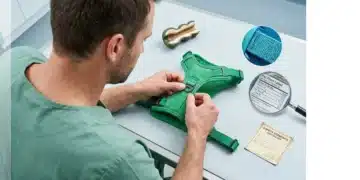
- Consider a Harness: A comfortable harness can reduce strain on the neck and spine compared to a collar.
Benefits: Improves circulation, maintains joint flexibility, strengthens leg muscles, provides mental stimulation through new sights and smells, and prevents boredom.
For Senior Cats:
Description: While less inclined to walk on a leash, senior cats still benefit from structured, gentle play that mimics hunting behaviors without overexertion.
How to Implement:
- Wand Toys: Use feather wands or other "prey" toys to encourage gentle pounces and stretches. Keep the toy low to the ground to avoid high jumps.
- Laser Pointers (with caution): A laser pointer can encourage movement, but always end the session by letting them "catch" a physical toy to prevent frustration.
- Short Sessions: 5-10 minutes, 2-3 times a day, is often sufficient.
- Puzzle Feeders: These encourage gentle movement as they bat at the feeder to get treats, providing both physical and mental engagement.
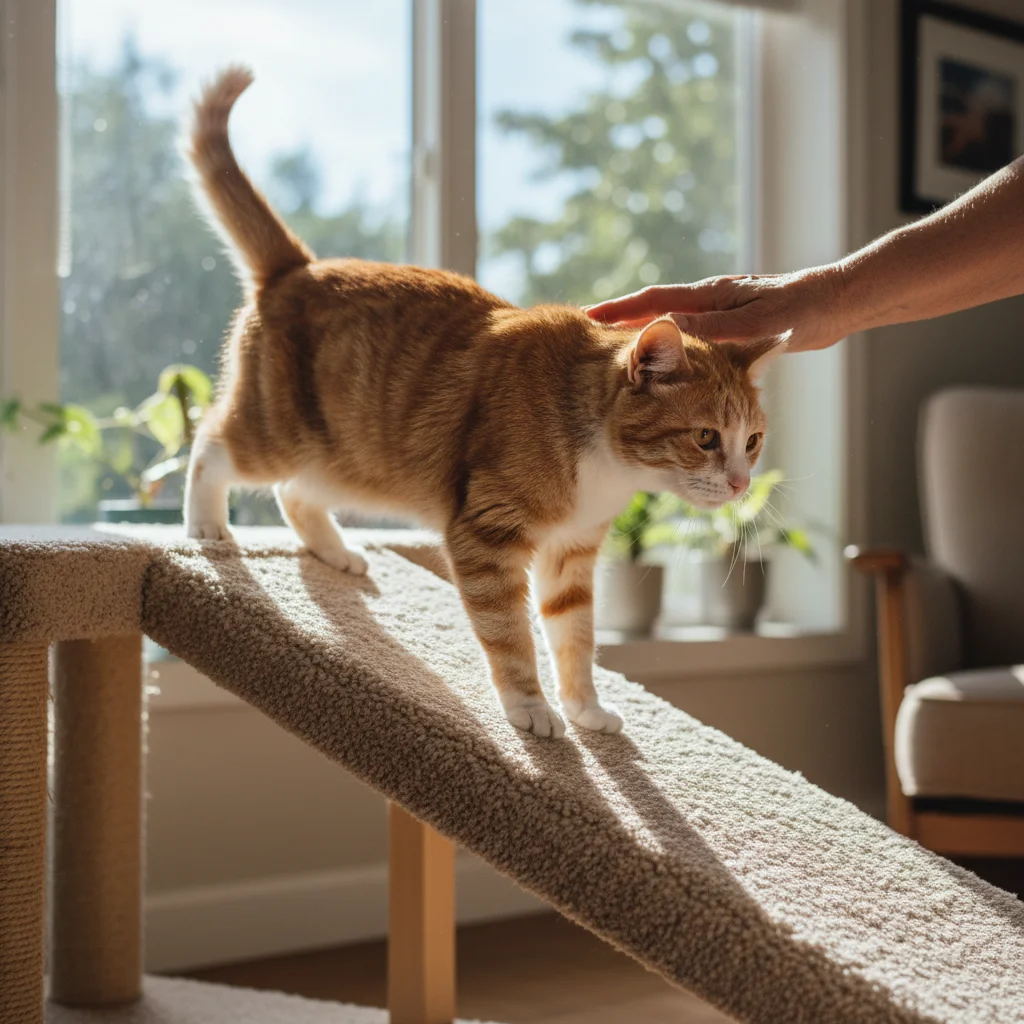
- Climbing (Low): If your cat still enjoys climbing, provide low, stable cat trees or steps to access favorite spots, rather than expecting them to jump from the floor.
Benefits: Maintains agility, keeps muscles toned, provides mental enrichment, and fulfills their natural predatory instincts in a safe, controlled manner.
Routine 2: Gentle Stretching and Massage
Description: This routine focuses on improving flexibility, reducing muscle stiffness, and increasing blood flow. It’s a wonderful way to bond with your pet and can be done daily.
How to Implement:
- Warm-up: Begin with a short, gentle walk (for dogs) or some light play (for cats) to warm up their muscles slightly.
- Passive Range of Motion (PROM): Gently extend and flex each limb, holding for a few seconds at the point of mild resistance, never forcing. Your vet or a certified rehabilitation therapist can teach you proper PROM techniques. Focus on one joint at a time – hip, knee, ankle, shoulder, elbow, wrist.
- Gentle Massage: Use circular motions with light to moderate pressure over large muscle groups (shoulders, back, thighs). Watch for your pet’s reactions; if they flinch or show discomfort, stop immediately. Focus on areas where they might carry tension.
- Tail Base Massage: Many pets enjoy gentle massage at the base of their tail, which can relax the lower back.
- Ear Rubs: Massaging the ears can be surprisingly relaxing due to nerve endings.
- Frequency: 5-10 minutes, once or twice a day, or whenever your pet is relaxed and receptive.
Benefits: Increases flexibility, reduces stiffness, promotes circulation, aids in pain relief, and strengthens the bond between you and your pet. This is a crucial component of gentle exercise senior pets truly benefit from.
Routine 3: Water Therapy / Hydrotherapy (Low-Impact)
Description: Water provides buoyancy, which reduces the impact on joints while offering resistance for muscle strengthening. This makes it an ideal form of gentle exercise senior pets can engage in, especially those with significant arthritis or recovering from injuries.
How to Implement:
- Professional Hydrotherapy: The safest and most effective option is often a supervised session with a certified canine rehabilitation therapist. They have specialized pools or underwater treadmills and can ensure proper technique and safety. This is highly recommended for pets with significant mobility issues.
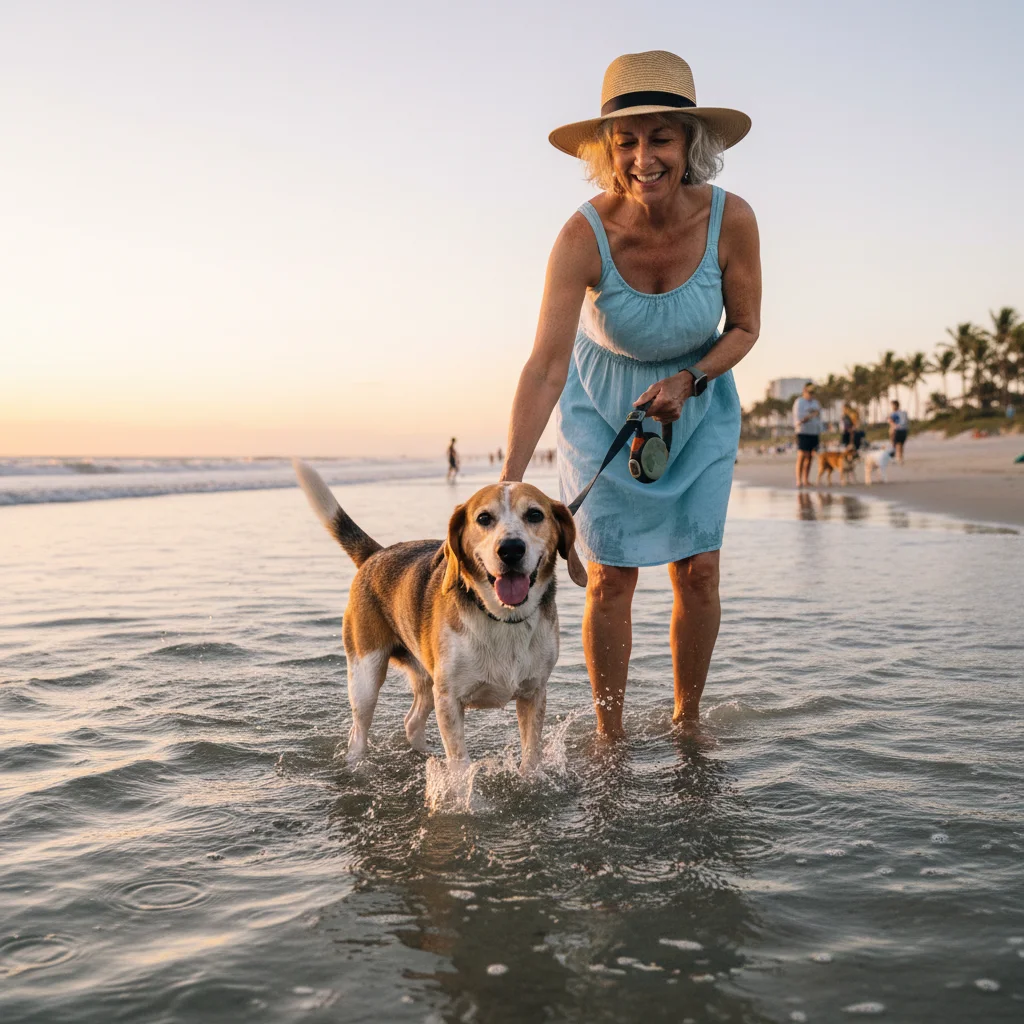
- Shallow Water Wading (for Dogs): If professional hydrotherapy isn’t accessible, and your dog enjoys water, wading in shallow, warm water (like a kiddie pool or a calm, shallow lake/beach) can be beneficial. The water should be no higher than their chest.
- Supervision is Key: Never leave your pet unattended in water.
- Life Vest: For dogs, a properly fitted life vest can provide extra buoyancy and support, especially if they are weak or not strong swimmers.
- Short Sessions: Start with 5-10 minutes, 2-3 times a week, and always follow with thorough drying to prevent skin issues.
- For Cats: Most cats are not fond of water. For a very rare water-loving cat, extremely shallow wading might be possible, but typically not recommended.
Benefits: Builds muscle without joint strain, improves cardiovascular health, increases range of motion, and can be very therapeutic for pets with chronic pain.
Routine 4: Balance and Core Strengthening Exercises
Description: As pets age, their proprioception (awareness of their body in space) can decline, leading to unsteadiness. Balance exercises, even gentle ones, help strengthen core muscles and improve stability, reducing the risk of falls.
How to Implement:
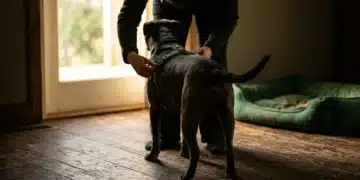
- Slow Figure-Eights or Circles: Guide your dog or cat through slow, deliberate figure-eights or large circles. This requires them to shift their weight and engage core muscles. Keep the movements smooth and controlled.
- Weight Shifting: Gently encourage your pet to shift their weight from side to side or front to back while standing. You can do this by gently pushing on their shoulder or hip, or by offering a treat just out of reach to one side.
- Standing on Uneven Surfaces (Controlled): Introduce them to slightly uneven, but stable, surfaces like a thick mat, a folded blanket, or a low cushion for very short periods. This challenges their balance without being too difficult. Always supervise closely.
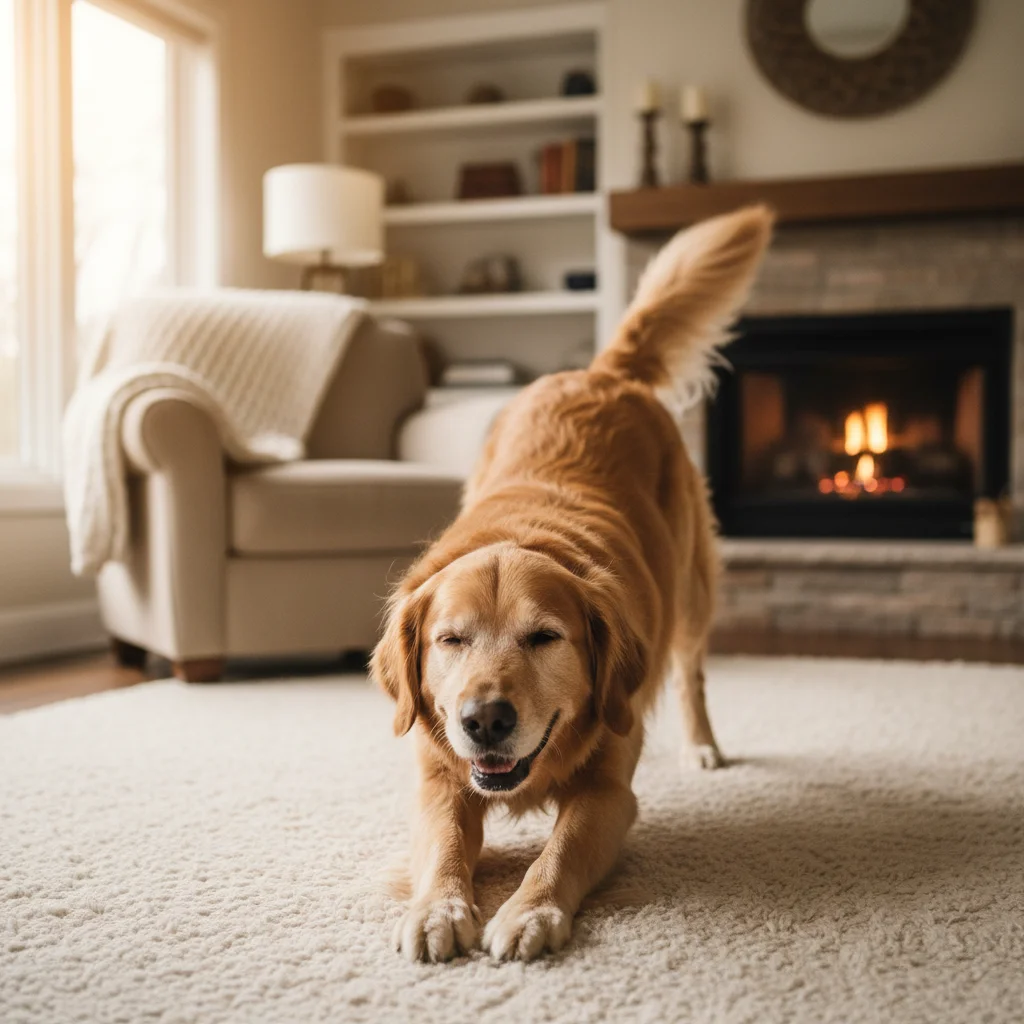
- "Cookie Stretches" (for Dogs): Hold a treat near their nose and slowly guide it towards their hip, encouraging them to twist their body to reach it. This engages core muscles and improves spinal flexibility. Repeat on both sides.
- Walking Over Low Obstacles: Place a broomstick or a small cushion on the floor and encourage your dog to step over it slowly. This helps with limb awareness and coordination.
- Frequency: 5-10 minutes, 2-3 times a week, integrated into other gentle play or walk sessions.
Benefits: Improves balance, strengthens core muscles, enhances proprioception, and reduces the risk of falls and injuries. This is an often-overlooked but vital aspect of gentle exercise senior pets need.
Adapting and Monitoring Your Senior Pet’s Exercise Routine
The beauty of gentle exercise senior pets can participate in is its adaptability. What works one day might need adjustment the next, depending on your pet’s energy levels, pain, or even the weather. Continuous monitoring and adaptation are key to a successful and beneficial exercise program.
Key Adaptation Strategies:
- Listen to Your Pet: They will tell you when they’ve had enough. Signs include excessive panting, lagging, limping, reluctance to move, or seeking a resting spot.
- Start Slow, Progress Gradually: Always err on the side of doing less rather than too much. You can always increase duration or intensity, but overdoing it can set back progress and cause pain.
- Warm-up and Cool-down: Just like human athletes, pets benefit from a few minutes of slow walking or gentle petting before and after activity.
- Consider the Weather: Hot or extremely cold weather can be dangerous for senior pets. Adjust outdoor activities accordingly, opting for indoor play or shorter sessions during extreme temperatures.
- Pain Management: If your pet is on pain medication or supplements, ensure they are administered as prescribed, as this will directly impact their comfort during exercise.
- Surfaces: Provide non-slip surfaces indoors, especially where they eat or sleep, to prevent falls and provide confidence. Ramps can be helpful for accessing furniture or cars.
- Consistency: Regular, short sessions are far more effective than sporadic, intense ones. Aim for daily activity, even if it’s just a few minutes of gentle stretching.
Monitoring for Signs of Discomfort or Overtraining:
After any exercise session, observe your pet closely for 24-48 hours for any of the following signs:
- Increased stiffness or lameness.
- Reluctance to move the next day.
- Excessive licking at joints or muscles.
- Changes in appetite or thirst.
- Unusual lethargy or restlessness.
- Difficulty sleeping or finding a comfortable position.
If you notice any of these symptoms, it’s a sign you may have pushed them too hard. Reduce the intensity or duration of the next session, or consult your vet if symptoms persist.
Beyond Exercise: A Holistic Approach to Senior Pet Care
While gentle exercise senior pets can engage in is crucial, it’s part of a larger picture of holistic senior pet care. To truly maximize their comfort and longevity, consider these additional factors:
1. Nutrition:
- Senior-Specific Diets: These diets are formulated with appropriate protein levels, lower calories, and often include joint-supporting supplements.
- Supplements: Omega-3 fatty acids, glucosamine, chondroitin, and MSM can help support joint health and reduce inflammation. Always discuss supplements with your vet.
- Portion Control: Prevent obesity by carefully measuring food and limiting treats.
2. Comfortable Environment:
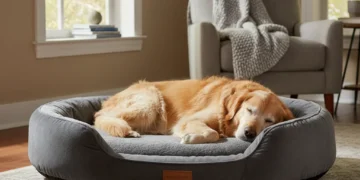
- Orthopedic Beds: Provide soft, supportive bedding to cushion joints and prevent pressure sores.
- Ramps and Steps: Help them access favorite spots without jumping, reducing strain on joints.
- Non-Slip Flooring: Use rugs or carpet runners on slippery floors to prevent falls.
- Accessibility: Ensure food, water, and litter boxes are easily accessible without too much bending or climbing.
3. Regular Veterinary Check-ups:
- Bi-annual Visits: Senior pets benefit from more frequent check-ups (every 6 months) to catch potential issues early.
- Blood Work: Regular blood tests can monitor organ function and detect diseases before they become advanced.
- Dental Care: Dental disease is common in senior pets and can cause pain and lead to other health problems.
4. Mental Enrichment:
- Puzzle Toys: Keep their minds sharp with toys that dispense treats.
- Scent Games: "Find the treat" games engage their powerful sense of smell.
- New Experiences: Even short, gentle outings to a new, quiet place can provide mental stimulation.
The Future of Senior Pet Care: Trends for 2026 and Beyond
As we look towards 2026, the landscape of senior pet care continues to evolve. Advancements in veterinary medicine, nutrition, and rehabilitation are offering more options than ever to help our pets age gracefully. Here are some trends impacting how we approach gentle exercise senior pets:
- Personalized Medicine: Genetic testing and advanced diagnostics are allowing for more tailored treatment plans, including exercise recommendations based on a pet’s unique predisposition to certain conditions.
- Telemedicine and Virtual Consultations: Remote consultations with vets and rehabilitation specialists make it easier for owners to get expert advice on exercise routines and modifications, especially for pets with limited mobility.
- Wearable Technology: Smart collars and trackers are becoming more sophisticated, monitoring activity levels, sleep patterns, and even vital signs, providing valuable data to help owners and vets fine-tune exercise plans.
- Regenerative Therapies: Stem cell therapy and platelet-rich plasma (PRP) treatments are becoming more accessible for joint conditions, potentially reducing pain and allowing for more comfortable movement.
- Advanced Pain Management: New medications, acupuncture, chiropractic care, and cold laser therapy are providing more options for managing chronic pain, making gentle exercise more feasible and enjoyable for many senior pets.
- Specialized Rehabilitation Centers: The growth of dedicated pet rehabilitation centers offers access to state-of-the-art equipment and trained professionals for hydrotherapy, therapeutic exercises, and gait training.
- Nutraceutical Innovations: Ongoing research is leading to new and more effective joint supplements, anti-inflammatory diets, and cognitive support formulas.
These trends highlight a future where senior pets can enjoy an even higher quality of life, with integrated care that addresses their physical, mental, and emotional needs. Embracing gentle exercise senior pets can perform, alongside these innovations, ensures they remain cherished and active members of our families for as long as possible.
Conclusion: Embracing a Fulfilling Senior Life for Your Pet
Watching our pets age can be bittersweet, but it also presents an opportunity to provide them with the best possible care during their golden years. Implementing gentle exercise senior pets can comfortably perform is not just about extending their life, but enriching it. By focusing on slow, controlled movements, therapeutic activities, and consistent monitoring, you can help your senior dog or cat maintain their mobility, reduce discomfort, and continue to enjoy their daily lives.
Remember, every pet is an individual, and their needs will vary. Always prioritize your veterinarian’s advice, observe your pet closely, and be prepared to adapt their routine as needed. With patience, dedication, and a loving approach, you can ensure that your senior companion remains active, comfortable, and cherished for many happy years to come. The year 2026 brings with it new possibilities and enhanced resources, making it an excellent time to recommit to your senior pet’s health and happiness through the power of gentle, mindful exercise.