Mastering Feline Environmental Enrichment: 5 Key Strategies for a Happier Cat in 2026
Mastering Feline Environmental Enrichment: 5 Key Strategies for a Happier Cat in 2026
As devoted cat parents, we constantly strive to provide the best possible lives for our beloved feline companions. Beyond basic needs like food, water, and shelter, a truly fulfilling life for a cat hinges on something often overlooked: feline enrichment strategies. Environmental enrichment isn’t just a buzzword; it’s a critical component of feline well-being, directly impacting their physical health, mental acuity, and emotional stability. In 2026, with our understanding of feline behavior constantly evolving, it’s more important than ever to implement thoughtful and effective enrichment practices.
Cats are natural predators, explorers, and social creatures (to varying degrees). When confined to an indoor environment, they can easily become bored, stressed, or develop behavioral issues if their innate needs are not met. This comprehensive guide will delve into five key feline enrichment strategies that will transform your home into a stimulating paradise, fostering a happier, healthier, and more well-adjusted cat. We’ll explore practical tips, innovative ideas, and insider knowledge to help you create an environment where your cat can truly thrive.
Understanding the ‘why’ behind enrichment is the first step. Cats, despite their domesticated status, retain many of the instincts of their wild ancestors. They need to hunt, climb, scratch, hide, and explore. When these natural behaviors are suppressed, it can lead to a range of problems, including destructive scratching, aggression, excessive vocalization, litter box issues, and even health problems stemming from stress. By implementing effective feline enrichment strategies, we empower our cats to express these natural behaviors in appropriate ways, leading to a more harmonious household and a deeply satisfied feline friend.
1. Vertical Space and Climbing Opportunities: Reaching New Heights of Happiness
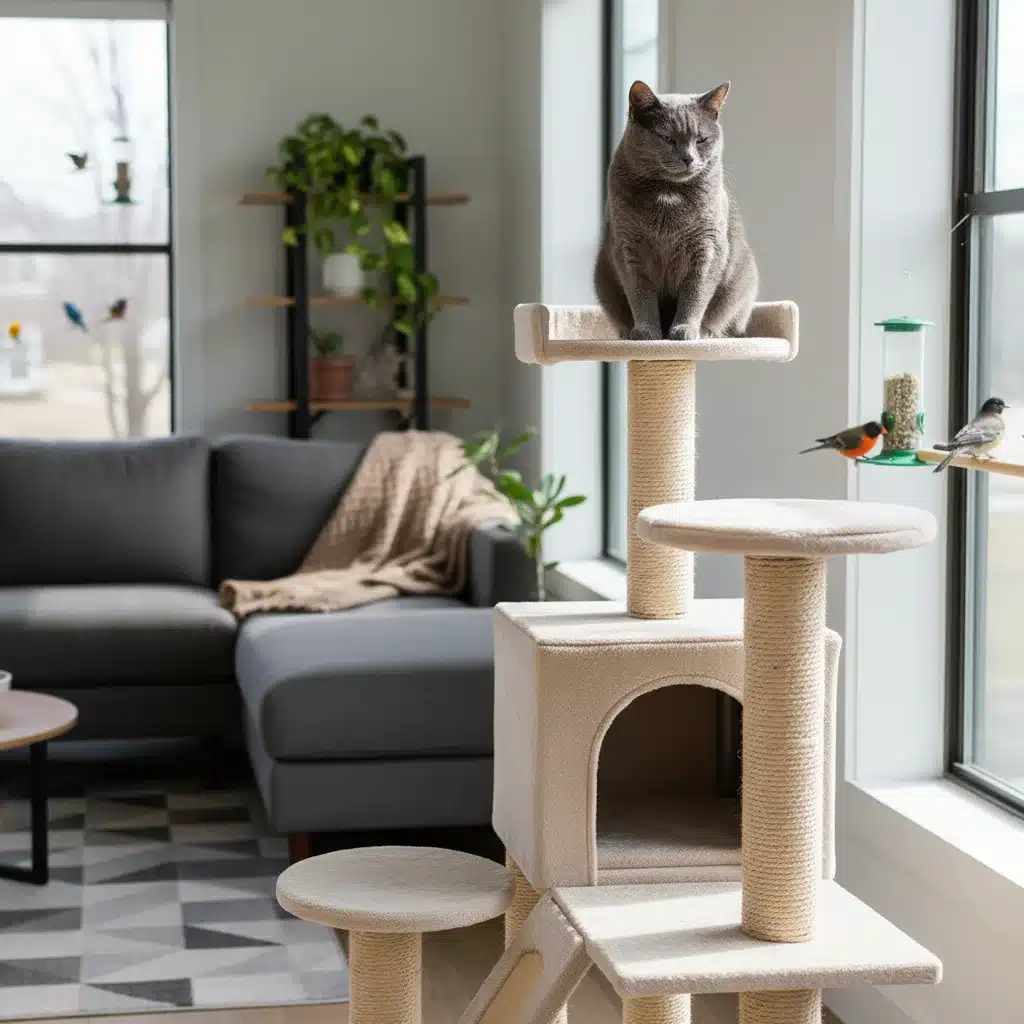
One of the most fundamental feline enrichment strategies is providing ample vertical space. In the wild, cats climb trees and rocky outcrops for safety, observation, and hunting advantages. Replicating this in your home allows them to express these instincts and feel more secure.
Why Vertical Space is Crucial for Feline Enrichment
- Security and Safety: Being high up gives cats a sense of security, allowing them to observe their surroundings from a safe vantage point, away from perceived threats (like children or other pets).
- Exercise: Climbing, jumping, and stretching to reach elevated spots provides essential physical exercise, helping to prevent obesity and keep muscles strong.
- Territorial Management: In multi-cat households, vertical space can help reduce tension by allowing cats to establish separate territories and avoid direct confrontation. A cat on a higher perch often signals dominance, which can help maintain peace.
- Mental Stimulation: Navigating different levels and finding new perches offers mental engagement, preventing boredom.
Practical Tips for Maximizing Vertical Space
- Cat Trees and Condos: Invest in sturdy, multi-level cat trees with scratching posts, perches, and enclosed hideaways. Place them near windows for added entertainment. Look for trees that are tall enough to allow your cat to stretch fully.
- Wall-Mounted Shelves and Catwalks: Utilize wall space to create a feline highway system. Wall-mounted shelves, especially those with soft coverings or carpeted surfaces, can turn an ordinary room into an exciting climbing adventure. Ensure they are securely fastened and can support your cat’s weight.
- Window Perches: Cats love to watch the world go by. A comfortable window perch provides a prime viewing spot and a sunbathing haven.
- Bookcases and Furniture: If your furniture is stable, allow your cat access to the tops of bookcases, wardrobes, or tall cabinets. Ensure there are safe ways for them to ascend and descend.
- Ramps and Stairs: For older or less agile cats, consider adding ramps or small steps to help them access higher areas safely.
When designing your vertical landscape, think about your cat’s personality. A shy cat might prefer a secluded, high hideaway, while a confident explorer might enjoy a series of open shelves to survey their kingdom. Integrating vertical elements is one of the most effective feline enrichment strategies you can implement.
2. Interactive Play and Hunting Simulation: Tapping into the Hunter Within
Cats are obligate carnivores and natural hunters. Their predatory instincts are deeply ingrained, and failing to provide outlets for these behaviors can lead to frustration and behavioral issues. Interactive play is not just fun; it’s a vital part of feline enrichment strategies.
The Importance of Play for Feline Well-being
- Physical Exercise: Chasing, pouncing, and leaping provide a full-body workout, crucial for maintaining a healthy weight and strong muscles.
- Mental Stimulation: Strategic play engages a cat’s mind, requiring them to problem-solve, strategize, and anticipate movements.
- Stress Reduction: Play is an excellent stress reliever, helping cats burn off excess energy and anxiety.
- Bonding: Interactive play strengthens the bond between you and your cat, building trust and communication.
Effective Interactive Play Techniques
- Wand Toys: These are arguably the best interactive toys. Feather wands, strings with soft toys, or even simple ribbons on a stick allow you to mimic prey movement. Drag the toy along the floor, hide it, make it dart, and allow your cat to ‘catch’ it periodically to prevent frustration.
- Laser Pointers (with a caveat): Laser pointers can be highly engaging, but it’s crucial to always end a laser play session by directing the beam onto a physical toy or treat that your cat can ‘capture.’ This prevents the frustration of never being able to catch the elusive red dot.
- Puzzle Toys: Food puzzles (discussed further below) encourage problem-solving and slow down eating. Other puzzle toys require cats to manipulate parts to get a treat or toy.
- Rotate Toys: Cats get bored easily. Keep a selection of toys and rotate them regularly to maintain novelty and interest. Store unused toys out of sight.
- Scheduled Playtimes: Aim for at least two 10-15 minute interactive play sessions daily, ideally around dawn and dusk when cats are naturally most active.

Remember that the key to successful interactive play is mimicking the hunt cycle: stalk, chase, pounce, and ‘kill’ (capture the toy). Always allow your cat to ‘win’ and catch the toy at the end of a session to satisfy their predatory drive. This is a cornerstone of effective feline enrichment strategies.
3. Scent and Auditory Enrichment: Engaging All the Senses
Cats experience the world through a rich tapestry of senses. Beyond sight and touch, their powerful sense of smell and acute hearing play significant roles in their perception and interaction with their environment. Incorporating scent and auditory elements is a sophisticated aspect of feline enrichment strategies.
The Power of Scent for Cats
- Exploration and Information: Scent provides cats with a wealth of information about their surroundings, other animals, and potential prey.
- Calming and Stimulating: Certain scents can be calming, while others can be highly stimulating, encouraging play and investigation.
- Territorial Marking: Cats use scent glands (on their cheeks, paws, and flanks) to mark their territory, which provides them with a sense of security.
Scent Enrichment Ideas
- Catnip and Silvervine: Offer fresh catnip or silvervine toys. Many cats respond positively, exhibiting playful behaviors like rolling, rubbing, and batting. Not all cats respond to catnip, but silvervine often elicits a reaction in those that don’t.
- Feliway Diffusers: For anxious or stressed cats, Feliway diffusers release synthetic feline facial pheromones that mimic the natural calming pheromones cats use to mark their territory as safe. This can be a powerful tool for reducing stress.
- Safe Outdoor Scents: Bring in natural elements from outside, such as a clean, untreated stick, a fallen leaf, or a small, non-toxic plant branch (ensure it’s safe for cats). These new scents can be incredibly stimulating.
- Scent Trails: Hide treats or toys infused with a novel scent (like a small amount of catnip) to encourage your cat to follow a trail and ‘hunt’ for their reward.
- Novel Objects: Introduce new, cat-safe objects with interesting textures and scents, like a cardboard box, a crinkly paper bag (handles removed), or a new blanket.
Auditory Enrichment for Felines
- Nature Sounds: Playing soft nature sounds (birdsong, gentle rain) can provide a soothing or stimulating background.
- Classical Music: Some studies suggest that classical music can have a calming effect on cats.
- Interactive Toys with Sound: Toys that crinkle, jingle, or squeak can pique a cat’s interest and encourage play.
- Bird Feeders: Placing a bird feeder outside a window provides visual and auditory stimulation, allowing your cat to ‘hunt’ from a safe distance.
Be mindful of loud or sudden noises, as these can be stressful for cats. The goal is to provide enriching auditory experiences, not overwhelming ones. By engaging their senses of smell and hearing, you add another layer to your feline enrichment strategies.
4. Food Puzzles and Foraging Opportunities: Making Mealtime a Challenge
In the wild, cats spend a significant portion of their day hunting for food. When food is simply presented in a bowl, they miss out on this crucial mental and physical activity. Food puzzles and foraging opportunities are excellent feline enrichment strategies that tap into their natural hunting behaviors.
Benefits of Food Puzzles
- Slower Eating: Prevents scarf-and-barf syndrome and promotes better digestion.
- Mental Stimulation: Requires problem-solving and strategic thinking to extract food.
- Physical Activity: Encourages movement and manipulation, burning calories.
- Reduced Boredom and Stress: Provides a productive outlet for energy and reduces frustration.
- Weight Management: Can help regulate food intake and prevent obesity.
Types of Food Puzzles and Foraging Ideas
- Commercial Food Puzzles: There’s a wide variety available, from simple treat balls to complex mazes and interactive feeders. Start with easier puzzles and gradually introduce more challenging ones as your cat masters them.
- DIY Food Puzzles: You don’t need to spend a lot of money. A clean, empty toilet paper roll with kibble inside and the ends folded in can be a great starter puzzle. Muffin tins with small balls or crumpled paper covering treats also work well.
- Scattering Kibble: Instead of putting all their food in one bowl, scatter a portion of their kibble around the house. Hide it in different rooms, on low shelves, or under furniture. This encourages them to ‘hunt’ for their meals.
- Puzzle Feeders for Wet Food: Some puzzle feeders are designed for wet food, requiring cats to lick or scoop food out of crevices, which can slow down eating and provide mental engagement.
- Rotate Puzzle Types: Just like toys, rotate different food puzzles to keep your cat interested and challenged.
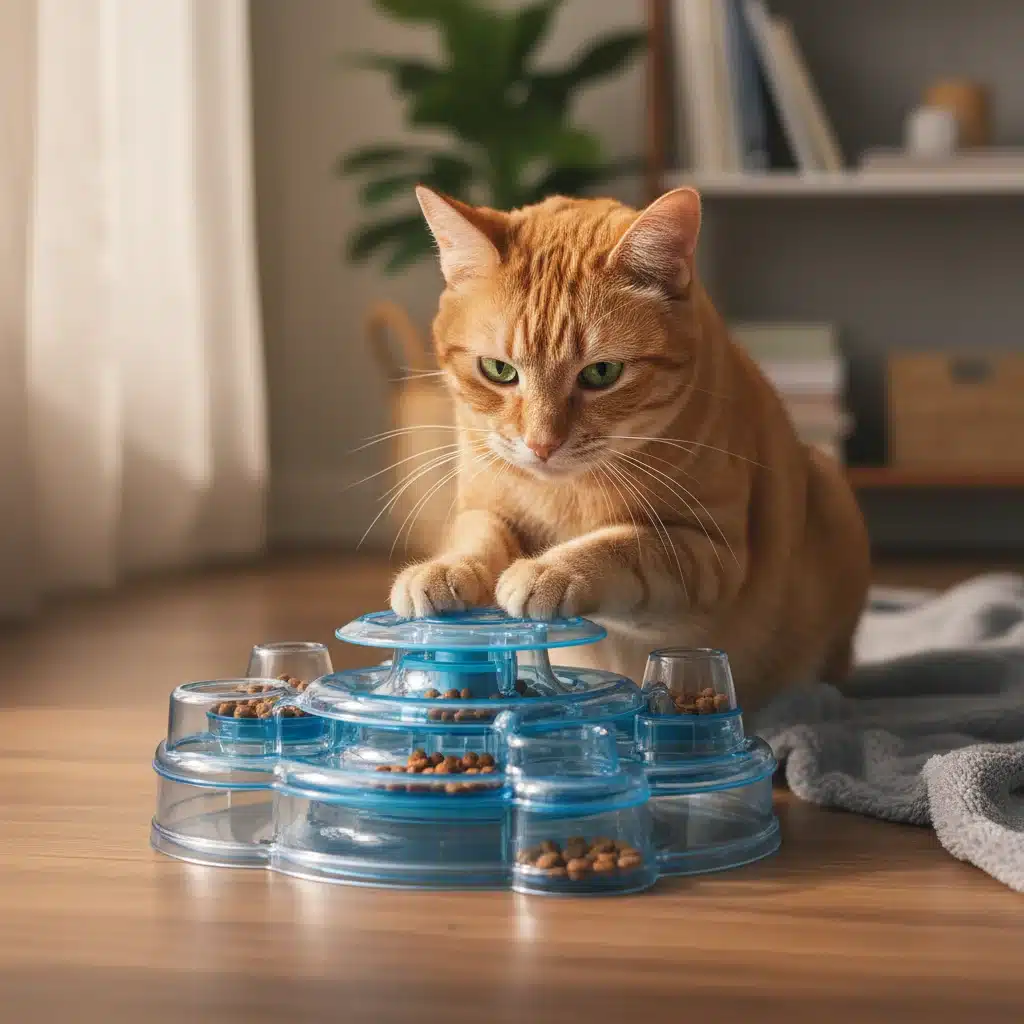
Introducing food puzzles should be a positive experience. If your cat is struggling, make it easier initially by leaving some food easily accessible or showing them how it works. The goal is engagement, not frustration. Incorporating these foraging activities is a powerful component of effective feline enrichment strategies.
5. Scratching Posts and Appropriate Scratching Surfaces: Protecting Furniture and Promoting Health
Scratching is an absolutely essential and non-negotiable feline behavior. Cats scratch for multiple reasons: to sharpen their claws, to stretch their muscles, to mark their territory (visually and with scent from glands in their paws), and to relieve stress. Providing appropriate scratching surfaces is not just about saving your furniture; it’s a critical feline enrichment strategy.
Why Cats Need to Scratch
- Claw Maintenance: Scratching removes the outer sheath of old claw, revealing the new, sharper claw underneath.
- Stretching: It allows cats to stretch their back, shoulders, and legs, keeping them flexible and agile.
- Territorial Marking: Visual marks and pheromones from their paw pads communicate their presence and ownership.
- Stress Relief: Scratching can be a calming and comforting activity for cats, especially when stressed or excited.
Providing Optimal Scratching Opportunities
- Variety of Materials: Offer different scratching materials such as sisal rope, corrugated cardboard, carpet, and wood. Cats have individual preferences, and providing options increases the likelihood they’ll use them.
- Vertical and Horizontal Scratchers: Some cats prefer to scratch vertically, stretching upwards, while others prefer horizontal surfaces. Provide both.
- Sturdy and Tall Scratching Posts: Vertical posts should be tall enough for your cat to stretch to their full height. They must also be stable and not wobble, or your cat won’t use them.
- Strategic Placement: Place scratchers in prominent areas where your cat spends time, especially near their sleeping spots, entryways, and areas where they might currently be scratching inappropriately. Cats scratch to mark territory, so these locations are important.
- Encouragement: Encourage use by sprinkling catnip on new scratchers, dangling toys near them, or gently guiding your cat’s paws to the surface.
- Don’t Punish: Never punish your cat for scratching inappropriate surfaces. Instead, redirect them to an appropriate scratcher and make the inappropriate spot less appealing (e.g., cover it with double-sided tape or foil temporarily).
The right scratching post can be a game-changer for both your cat’s well-being and your furniture’s longevity. It’s one of the most practical and essential feline enrichment strategies.
Integrating Feline Enrichment Strategies into Your Daily Routine
Implementing these feline enrichment strategies doesn’t have to be overwhelming. Start small and gradually introduce new elements. Observe your cat’s reactions and adjust accordingly. Every cat is an individual, and what one cat loves, another might ignore. The key is to provide a variety of options and rotate them regularly to maintain novelty.
Creating an Enrichment Plan
- Assess Your Home: Look for areas where you can add vertical space, place scratchers, or hide food puzzles.
- Observe Your Cat: Pay attention to their preferences. Do they love climbing? Are they obsessed with certain textures? Do they respond to catnip?
- Schedule Play: Make interactive play a non-negotiable part of your daily routine. Even 10-15 minutes twice a day can make a huge difference.
- Rotate and Refresh: Keep toys and puzzles fresh by rotating them. Introduce new scents or DIY puzzles regularly.
- Be Patient: It might take time for your cat to adapt to new enrichment items. Don’t get discouraged if they don’t immediately take to a new toy or scratcher.
Remember, a well-enriched cat is less likely to develop behavioral problems, is generally healthier, and forms a stronger bond with their human companions. These feline enrichment strategies are not just about toys and cat trees; they are about understanding and respecting your cat’s natural instincts and providing them with an environment where they can truly flourish.
The Future of Feline Well-being: Looking Ahead to 2026 and Beyond
As we move further into 2026, the emphasis on comprehensive feline care continues to grow. Veterinary professionals, behaviorists, and cat owners alike are recognizing the profound impact of environmental enrichment on a cat’s overall quality of life. The feline enrichment strategies discussed here are not just trends; they are foundational principles for responsible cat ownership.
Technological advancements are also playing a role. Smart toys that move autonomously, apps that simulate interactive play, and even pet cameras that allow remote engagement are becoming more sophisticated. While technology can supplement, it should never replace direct human interaction and the fundamental enrichment elements. The core needs of a cat remain timeless, rooted in their evolutionary history.
Educating ourselves and others about the importance of these strategies is paramount. By sharing knowledge and demonstrating effective enrichment in our own homes, we contribute to a broader understanding of what it means to provide a truly enriched life for our feline friends. The goal is not just to house a cat, but to allow them to live a life filled with purpose, stimulation, and joy.
In conclusion, dedicating time and effort to implementing these five key feline enrichment strategies—vertical space, interactive play, sensory stimulation, food puzzles, and appropriate scratching surfaces—will undoubtedly lead to a happier, healthier, and more contented cat. Your feline companion deserves an environment that caters to their natural instincts and allows them to thrive. Embrace these strategies, and watch your cat’s personality blossom in 2026 and for many years to come.