Feline Weight Management 2026: 15% Calorie Reduction for Cat Longevity
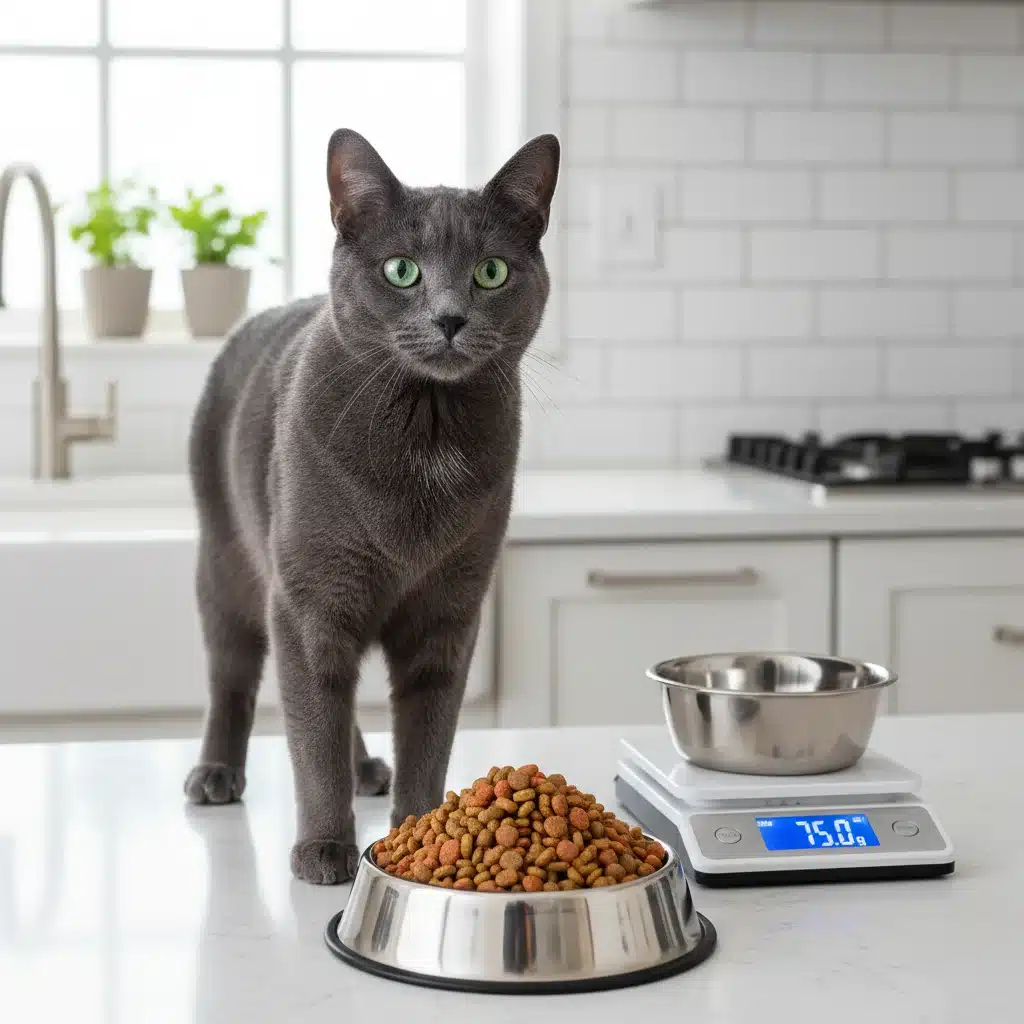
In the evolving landscape of pet care, the year 2026 brings with it a heightened awareness of feline health and longevity. Among the myriad factors influencing our beloved cats’ well-being, dietary management stands out as a cornerstone. Specifically, recent research and veterinary consensus are increasingly pointing towards the profound impact of a seemingly modest adjustment: a 15% calorie reduction. This isn’t just about preventing obesity; it’s about unlocking a longer, healthier, and more vibrant life for our feline companions. This comprehensive guide delves into the science, practicalities, and benefits of implementing a strategic cat calorie reduction plan, ensuring your cat thrives for years to come.
The Silent Epidemic: Feline Obesity and Its Repercussions
Before we explore the benefits of reducing caloric intake, it’s crucial to understand the problem it aims to solve. Feline obesity is not merely a cosmetic issue; it’s a serious health concern that affects a significant portion of the domestic cat population. Studies indicate that over 50% of cats in many developed countries are overweight or obese. This condition predisposes cats to a host of debilitating diseases, significantly diminishing their quality of life and shortening their lifespan.
The health consequences of feline obesity are far-reaching:
- Diabetes Mellitus: Obese cats are significantly more likely to develop insulin resistance and Type 2 diabetes, requiring lifelong management and often insulin injections.
- Arthritis and Joint Pain: Excess weight puts immense strain on joints, exacerbating conditions like osteoarthritis, leading to chronic pain, reduced mobility, and a reluctance to engage in natural feline behaviors.
- Urinary Tract Diseases: Obese cats are at a higher risk of developing lower urinary tract issues, including bladder stones and idiopathic cystitis, often linked to decreased water intake and less frequent urination due to reduced mobility.
- Liver Disease: Hepatic lipidosis (fatty liver disease) is a life-threatening condition more common in overweight cats, particularly during periods of anorexia or stress.
- Cardiovascular Disease: While less common than in humans, obesity can contribute to heart strain and increase the risk of certain cardiac conditions in cats.
- Reduced Quality of Life: Beyond specific diseases, obese cats often have less energy, are less playful, struggle with grooming, and may experience chronic discomfort, impacting their overall happiness.
- Shorter Lifespan: Ultimately, the cumulative effect of these health issues translates to a statistically shorter lifespan for overweight and obese cats compared to their lean counterparts.
Understanding these risks underscores the urgency and importance of effective feline weight management. This is where a targeted cat calorie reduction strategy becomes not just beneficial, but essential.
The Science Behind a 15% Cat Calorie Reduction for Longevity
The concept of caloric restriction extending lifespan is not new; it has been observed across various species, from yeast to primates. While directly translating all findings to cats requires careful consideration, the underlying biological mechanisms are compelling. A 15% cat calorie reduction is often cited as an optimal target because it’s significant enough to elicit metabolic changes without causing nutritional deficiencies or excessive hunger.
How does a moderate calorie reduction work its magic?
- Improved Metabolic Health: Reducing caloric intake can improve insulin sensitivity, reduce systemic inflammation, and optimize glucose metabolism. This helps prevent conditions like diabetes and generally keeps the body’s systems running more efficiently.
- Reduced Oxidative Stress: Metabolism naturally produces free radicals, which can damage cells and contribute to aging. By reducing the overall metabolic load, caloric restriction can decrease the production of these harmful byproducts, thus slowing cellular aging.
- Activation of Longevity Pathways: Caloric restriction triggers specific cellular pathways (e.g., sirtuins, AMPK, mTOR) that are associated with cellular repair, stress resistance, and longevity. These pathways essentially tell the body to shift resources from growth and reproduction towards maintenance and repair, enhancing resilience.
- Maintenance of Lean Body Mass: When done correctly, a modest cat calorie reduction encourages the body to utilize fat stores for energy while preserving muscle mass. Maintaining a healthy muscle-to-fat ratio is crucial for mobility, metabolic rate, and overall health as cats age.
- Reduced Strain on Organs: A lighter body means less strain on the heart, joints, and other vital organs, allowing them to function optimally for a longer period.
It’s important to note that this isn’t about starvation or drastic dieting. A 15% reduction is a calculated, sustainable approach aimed at optimizing metabolic function and promoting overall health, rather than simply achieving rapid weight loss.
Implementing a 15% Cat Calorie Reduction: A Step-by-Step Guide
Embarking on a journey to optimize your cat’s diet requires a thoughtful and systematic approach. Here’s how to safely and effectively implement a 15% cat calorie reduction:
Step 1: Consult Your Veterinarian
This is the most critical first step. Every cat is an individual, with unique needs based on age, breed, activity level, current weight, and existing health conditions. Your veterinarian can:
- Assess Body Condition Score (BCS): This standardized method helps determine if your cat is underweight, ideal, overweight, or obese.
- Calculate Ideal Weight and Caloric Needs: Based on your cat’s ideal weight and activity level, your vet can provide a precise daily caloric target. They will account for factors like whether your cat is spayed/neutered (which lowers metabolic rate) and their lifestyle (indoor vs. outdoor, active vs. sedentary).
- Rule Out Underlying Medical Conditions: Weight gain can sometimes be a symptom of conditions like hypothyroidism (though rare in cats) or other metabolic issues.
- Recommend Appropriate Food: Your vet can suggest specific diets formulated for weight management that are calorie-controlled yet nutritionally complete.
Do not attempt significant dietary changes without professional guidance.
Step 2: Understand Your Cat’s Current Caloric Intake
Many owners unknowingly overfeed their cats. To achieve a 15% cat calorie reduction, you first need to know the baseline. Carefully measure your cat’s current food intake for a few days:
- Measure Precisely: Use a kitchen scale to weigh dry food or precise measuring cups. Don’t rely on guesswork or “fill the bowl.”
- Account for All Calories: Include treats, table scraps, and any other food items your cat consumes. These can add significant calories.
- Read Food Labels: Note the calorie content (kcal/cup or kcal/can) of your cat’s current food. This information is usually found on the packaging.
Once you have an average daily caloric intake, you can calculate the 15% reduction. For example, if your cat currently consumes 250 kcal/day, a 15% reduction would mean a new target of 212.5 kcal/day (250 * 0.85).
Step 3: Choose the Right Food
The type of food you feed is as important as the quantity. For effective cat calorie reduction and overall health, consider:
- High-Quality Protein: Cats are obligate carnivores. Ensure the food has a high percentage of animal-based protein to maintain muscle mass during weight loss.
- Moderate Fat: While fat is calorie-dense, it’s essential for satiety and nutrient absorption. Look for moderate fat levels.
- Appropriate Fiber: Some weight management diets include increased fiber to help cats feel full. However, excessive fiber can reduce nutrient absorption. Discuss this with your vet.
- Wet Food vs. Dry Food: Wet food generally has a lower caloric density per serving due to its high water content, which can be beneficial for weight management and hydration. A combination or exclusive wet food diet might be recommended.
- Prescription Diets: For cats needing significant weight loss or with specific health concerns, your vet might recommend a prescription weight management diet. These are scientifically formulated to provide complete nutrition at lower calorie levels.
Step 4: Implement Gradual Changes
Sudden drastic changes in diet can upset your cat’s digestive system and lead to food aversion. Introduce the new, reduced portion gradually over 7-10 days:
- Week 1: Mix 25% new food with 75% old food.
- Week 2: Mix 50% new food with 50% old food.
- Week 3: Mix 75% new food with 25% old food.
- Week 4: 100% new food at the target reduced portion.
Monitor your cat for any digestive upset (vomiting, diarrhea) and adjust the transition speed if necessary.

Beyond Diet: Lifestyle Adjustments for Optimal Feline Weight Management
While cat calorie reduction is paramount, it’s only one piece of the puzzle. A holistic approach to feline weight management includes increasing activity and mental stimulation.
Exercise and Play
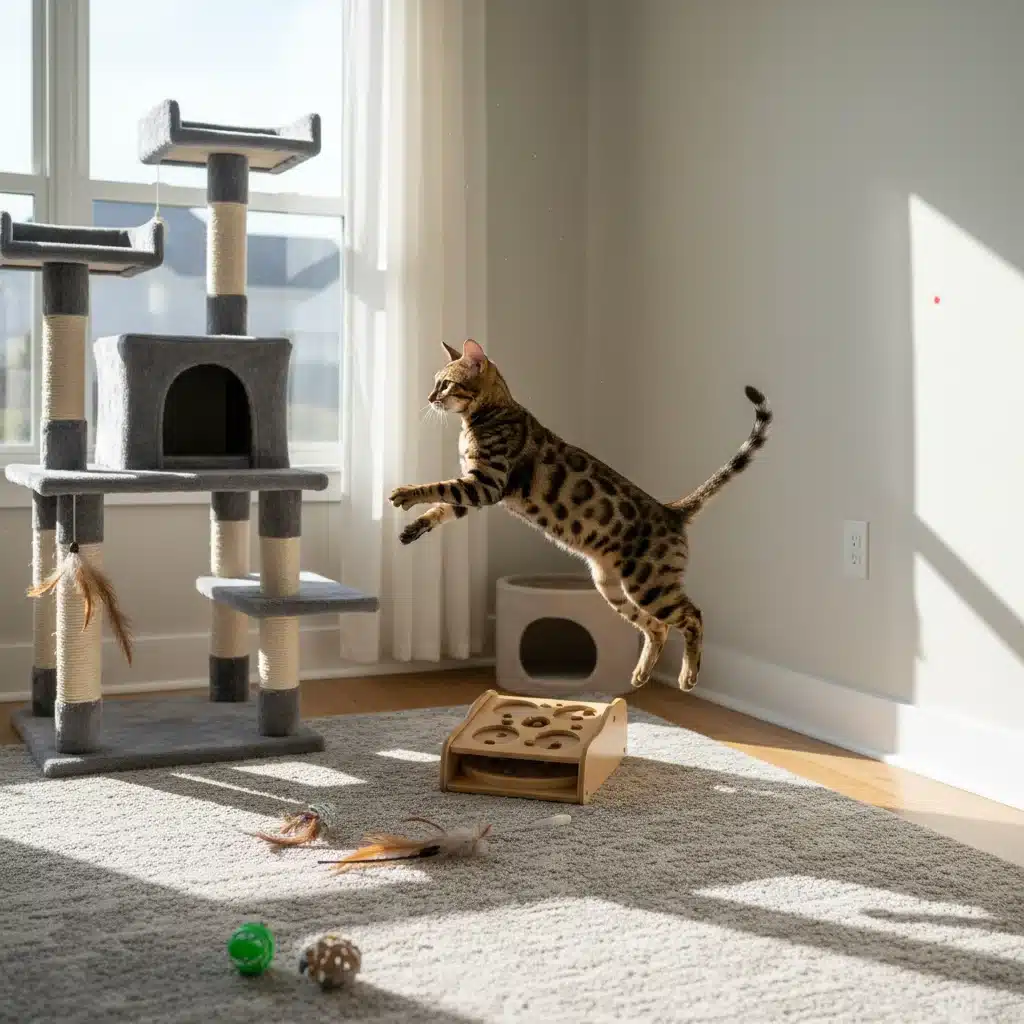
Encouraging physical activity burns calories, builds muscle, and provides mental enrichment. Aim for 15-20 minutes of active play daily, broken into several shorter sessions.
- Interactive Toys: Laser pointers (ensure you end with a tangible reward), feather wands, and fishing pole toys encourage chasing, jumping, and pouncing.
- Puzzle Feeders: These toys dispense food slowly, making your cat work for their meals. This slows down eating, provides mental stimulation, and burns a few extra calories.
- Vertical Space: Cat trees, shelves, and window perches encourage climbing and exploration.
- Leash Training: For some cats, supervised outdoor walks on a harness and leash can provide excellent exercise and enrichment.
- Scheduled Playtime: Establish a routine for play to ensure consistency.
Environmental Enrichment
A stimulating environment prevents boredom, which can lead to overeating. Rotate toys, provide scratching posts, offer safe plants to sniff, and ensure access to windows for “cat TV.”
Monitoring Progress
Regularly monitor your cat’s weight and body condition. Weigh your cat at home weekly or bi-weekly using a baby scale or by weighing yourself holding the cat, then subtracting your weight. Track their progress and adjust food intake as needed, always in consultation with your vet. Look for a gradual weight loss of 0.5-2% of body weight per week. Rapid weight loss can be dangerous for cats.
Common Challenges and Solutions in Cat Calorie Reduction
Implementing dietary changes can come with its own set of hurdles. Here are some common issues and how to address them:
My Cat is Always Begging for Food!
- Increase Meal Frequency: Instead of two large meals, try three or four smaller meals throughout the day to keep your cat feeling more satisfied.
- Puzzle Feeders: As mentioned, these make meals last longer and provide mental engagement.
- High-Fiber, Low-Calorie Treats: Offer small pieces of cooked chicken, green beans, or specific low-calorie cat treats in moderation.
- Ignore Begging: It’s tough, but consistency is key. Don’t give in, as it reinforces the behavior. Redirect with play instead.
My Cat Won’t Eat the New Food!
- Slow Transition: Ensure you’re transitioning very slowly. Some cats need an even longer transition period.
- Warm Wet Food: Gently warming wet food can enhance its aroma and make it more appealing.
- Try Different Flavors/Textures: If your vet approves, try another flavor or texture of the recommended diet.
- Consult Your Vet: If your cat refuses to eat for more than 24 hours, contact your veterinarian immediately, as this can lead to serious health issues like hepatic lipidosis.
My Cat is Not Losing Weight!
- Re-evaluate Calorie Intake: Are you measuring accurately? Are treats being accounted for?
- Increase Activity: Is your cat getting enough exercise? Increase playtime intensity and duration.
- Rule Out Medical Issues: Sometimes, underlying conditions can hinder weight loss. A vet check-up is warranted.
- Adjust Calories Further: Your vet might recommend a slightly larger cat calorie reduction, but this should always be done under professional guidance.
The Future of Feline Health: A Proactive Approach
As we move further into 2026 and beyond, the emphasis in pet care is shifting from reactive treatment to proactive prevention. Implementing a strategic cat calorie reduction plan is a prime example of this forward-thinking approach. It’s not just about managing an existing weight problem; it’s about optimizing health from a young age and maintaining it throughout your cat’s life.
Consider the long-term benefits:
- Reduced Veterinary Costs: Preventing chronic diseases like diabetes and arthritis can save significant money on long-term medical treatments, medications, and specialized diets.
- Enhanced Bond: A healthier, more energetic cat is often a more interactive and playful companion, strengthening the human-animal bond.
- Peace of Mind: Knowing you are providing your cat with the best possible chance for a long and healthy life brings immense peace of mind.
The commitment to a 15% cat calorie reduction, coupled with an active lifestyle, is an investment in your cat’s future. It requires diligence, patience, and a close partnership with your veterinarian, but the rewards are immeasurable: a vibrant, healthy cat by your side for many more years to come.
Conclusion: A Small Change, A Big Impact on Cat Longevity
The journey to optimal feline health in 2026 is paved with informed choices and dedicated care. The evidence strongly supports that a modest yet consistent 15% cat calorie reduction can be a game-changer for your feline friend’s longevity and overall well-being. By understanding their caloric needs, providing a balanced diet, encouraging regular activity, and working closely with your veterinarian, you can significantly mitigate the risks associated with obesity and unlock a future filled with vitality for your cat.
It’s more than just feeding less; it’s about feeding smarter. It’s about nourishing their bodies, stimulating their minds, and ensuring they live out their nine lives to the fullest. Make 2026 the year you commit to this powerful strategy, and watch your beloved cat thrive, enjoying a longer, happier, and healthier life by your side.