Mastering Cat Leash Training: A Comprehensive Guide for Happy Outdoor Adventures
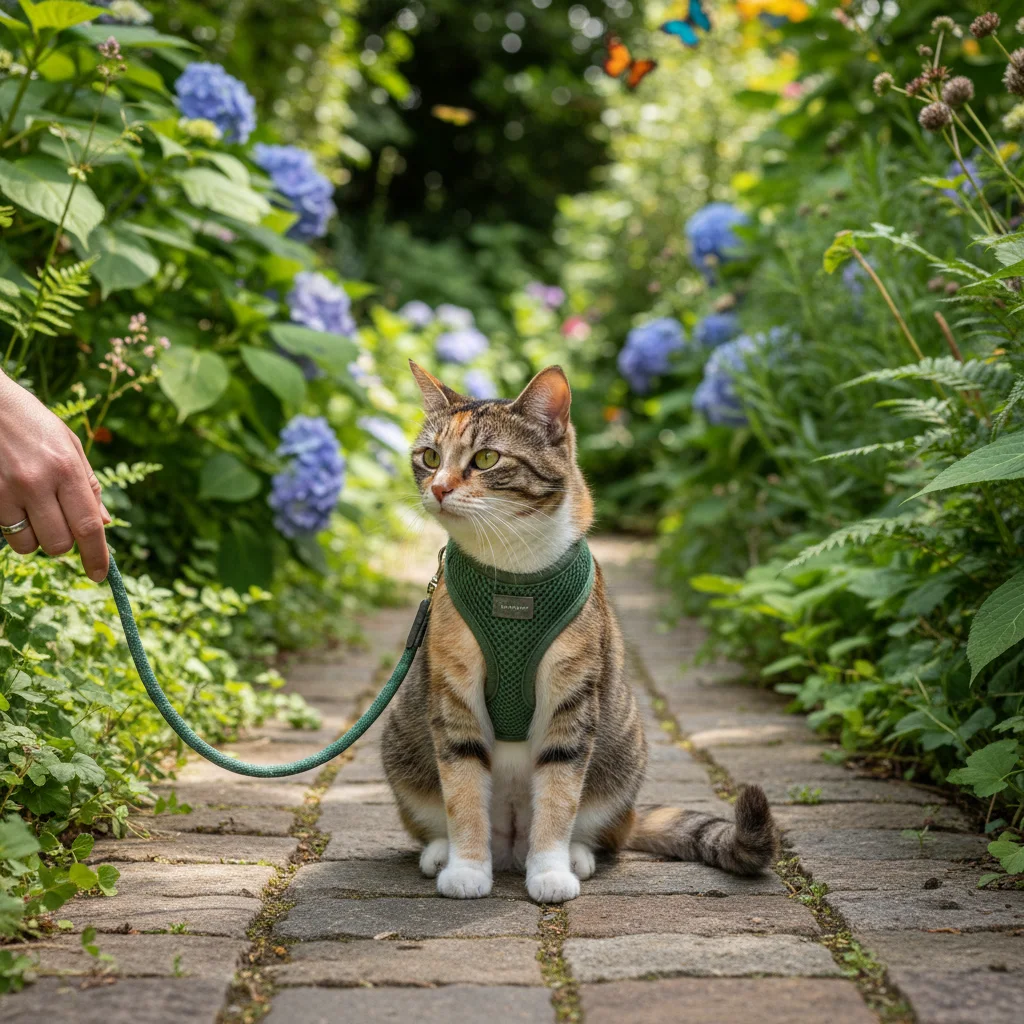
Are you a cat owner dreaming of sharing the joy of the outdoors with your feline companion? While often associated with dogs, cat leash training is becoming increasingly popular, offering a safe and enriching way for your cat to explore the world beyond your home. This comprehensive guide will walk you through every step of the process, from understanding the benefits to mastering advanced walking techniques. Get ready to embark on a new adventure with your beloved cat!
Mastering Cat Leash Training: A Comprehensive Guide for Happy Outdoor Adventures
For many years, the idea of taking a cat for a walk on a leash seemed almost absurd. Cats were, by nature, perceived as independent creatures content within the confines of their homes. However, a growing number of cat owners are discovering the incredible benefits of cat leash training, transforming their feline friends into adventurous explorers. This isn’t just a quirky trend; it’s a way to enhance your cat’s physical and mental well-being, providing stimulation, exercise, and a deeper bond between you and your pet.
The journey of teaching your cat to walk on a leash requires patience, understanding, and a gentle approach. Unlike dogs, cats often respond best to positive reinforcement and a gradual introduction to new experiences. Rushing the process can lead to stress and a negative association with the harness and leash. Our goal with this guide is to equip you with all the knowledge and techniques needed to make cat leash training a positive and successful experience for both you and your furry friend. From selecting the right gear to understanding feline body language, we’ll cover every essential detail to help you unlock a world of safe outdoor adventures.
Why Consider Cat Leash Training? The Benefits for Your Feline Friend
The primary reason for engaging in cat leash training is to enrich your cat’s life. While indoor cats are generally safer from many outdoor hazards, they can sometimes lack the mental and physical stimulation that comes from exploring new environments. Leash training offers a controlled way to provide this.
1. Mental Stimulation and Enrichment
Cats are natural hunters and explorers. Even the most content indoor cat can benefit from new sights, sounds, and smells. Regular outdoor excursions, even short ones, can significantly reduce boredom and prevent behavioral issues that stem from lack of stimulation. The changing environment provides a rich tapestry of sensory input, engaging your cat’s instincts and keeping their mind sharp.
2. Physical Exercise
Obesity is a growing concern for indoor cats. While playtime indoors helps, nothing quite compares to the varied terrain and natural movements encouraged by outdoor walks. Leash walks can help your cat maintain a healthy weight, build muscle, and improve their overall physical fitness. This is particularly important for less active breeds or older cats who might not engage in vigorous play inside.
3. Strengthening Your Bond
Shared experiences, especially novel ones, can deepen the connection between you and your cat. Cat leash training involves trust, patience, and positive interaction, all of which contribute to a stronger, more loving relationship. Your cat will learn to associate you with exciting new adventures, fostering a sense of security and companionship.
4. Safe Exploration
Allowing a cat to roam freely outdoors comes with numerous risks: traffic, predators, territorial disputes with other animals, exposure to diseases, and getting lost. A harness and leash provide a safe way for your cat to experience the outdoors under your supervision, mitigating these dangers while still offering the benefits of fresh air and exploration. You control the environment, ensuring their safety at all times.
5. Behavioral Improvement
Cats with insufficient stimulation can sometimes develop undesirable behaviors like excessive meowing, destructive scratching, or aggression. Providing an outlet for their natural instincts through supervised outdoor time can often alleviate these issues, leading to a calmer, happier cat indoors. The mental workout from exploring can tire them out in a healthy way, similar to how a good run can calm a high-energy dog.
Getting Started with Cat Leash Training: Essential Gear and Preparation
Before you even think about stepping outside, proper preparation is key. The right equipment and a calm environment will set the stage for successful cat leash training.
1. Choosing the Right Harness
This is arguably the most critical step. A cat harness is very different from a dog harness. Cats are escape artists, and a poorly fitted harness can lead to them slipping out. Look for:
- H-style or Vest-style Harnesses: These distribute pressure more evenly across the chest and shoulders, rather than just the neck, which is crucial for a cat’s delicate trachea. Vest harnesses tend to be more secure and comfortable for most cats. Avoid simple collar-and-leash setups, as cats can easily slip out or injure their necks.
- Adjustability: The harness should be snug but not tight. You should be able to fit two fingers comfortably under the straps. Many harnesses come with adjustable straps around the neck and girth.
- Material: Choose a lightweight, breathable material that won’t irritate your cat’s skin. Nylon or soft mesh are common and effective choices.
- Durability: Ensure the buckles and D-rings are sturdy and secure.
Measure your cat’s girth (the widest part of their chest behind their front legs) and neck circumference to ensure you get the correct size. A harness that is too loose is a safety hazard, and one that is too tight will be uncomfortable and deter your cat from wearing it.
2. Selecting the Leash
A lightweight, standard 4-6 foot leash is ideal. Avoid retractable leashes, especially in the beginning, as they can be unpredictable and teach your cat to pull. A fixed-length leash gives you more control and allows your cat to explore within a safe radius.
3. High-Value Treats
Positive reinforcement is the cornerstone of successful cat leash training. Have a supply of your cat’s absolute favorite treats readily available. These should be small, easily digestible, and highly motivating.
4. A Safe and Calm Environment
Your first training sessions should take place indoors in a quiet, familiar space where your cat feels secure and there are minimal distractions. Avoid loud noises, other pets, or boisterous children during initial introductions.

Step-by-Step Guide to Cat Leash Training
Patience is paramount throughout this process. Each step should be mastered before moving to the next. Some cats will take to it quickly, while others may need weeks or even months.
Phase 1: Introducing the Harness (Indoors)
Step 1: Familiarization with the Harness
- Allow Sniffing: Place the harness near your cat’s food bowl or sleeping area for a few days so they can investigate it at their leisure. Associate it with positive things by placing treats near it.
- Positive Association: Every time your cat interacts positively with the harness (sniffs it, rubs against it), offer a treat and praise.
Step 2: First Fittings (Short Bursts)
- Quick On, Quick Off: During a calm moment, gently place the harness on your cat for just a few seconds. Immediately give a high-value treat and praise, then take it off.
- Repeat and Extend: Gradually increase the duration the harness stays on. Do this several times a day. If your cat shows signs of stress (freezing, refusing treats, flattened ears, excessive grooming), take it off and try again later for a shorter period.
- Distraction: Once your cat tolerates the harness for a minute or two, try distracting them with play or food while wearing it. This helps them forget they’re wearing it and associate it with fun activities.
Step 3: Wearing the Harness Comfortably
- Normal Activities: Once your cat seems comfortable, let them wear the harness for longer periods while they eat, play, or nap. Always supervise them to ensure they don’t get tangled or try to chew it off.
- Checking Fit: Regularly check that the harness fits snugly but allows for full range of motion. It shouldn’t chafe or restrict breathing.
Phase 2: Introducing the Leash (Indoors)
Step 1: Attaching the Leash
- Connect and Disconnect: Once your cat is completely comfortable wearing the harness, attach the leash for a few minutes while they are wearing the harness indoors. Let them drag it around under supervision.
- Positive Reinforcement: Offer treats and praise whenever the leash is attached.
Step 2: Getting Used to the Leash’s Presence
- Short Sessions: Allow your cat to wear the harness with the leash attached for short, supervised periods (5-10 minutes) while they engage in their normal activities.
- No Pressure: Do not pull on the leash or try to direct them yet. The goal is simply to get them accustomed to the feeling and weight of the leash.
Step 3: Gentle Guidance
- Follow, Don’t Lead: Once your cat is comfortable, pick up the end of the leash. Let them lead initially. If they walk, follow them.
- Gentle Pressure: If they stop or go in an undesirable direction, apply very gentle, consistent pressure on the leash. As soon as they take a step in the desired direction (even a small one), release the pressure and reward with a treat and praise. This teaches them that giving in to the pressure leads to a reward and comfort.
- Keep it Fun: End sessions on a positive note. Don’t push your cat past their comfort level.
Phase 3: First Outdoor Excursions
Step 1: Choosing the Right Location
- Safe and Quiet: Start in a very quiet, enclosed, and safe outdoor space, such as a private backyard or a very calm patio. Avoid busy streets, dog parks, or areas with loud noises or many people.
- Short and Sweet: Keep the first few outdoor sessions very short – just 5-10 minutes. The goal is positive exposure, not a long walk.
Step 2: The First Steps Outside
- Carry Them Out: Instead of making them walk out the door, carry your cat to your chosen outdoor spot. This prevents them from associating the harness with being forced out.
- Explore at Their Pace: Once outside, let your cat explore at their own pace. They might just sit and observe for a while, which is perfectly normal. Don’t pull or try to force them to move.
- Observe and Reassure: Watch for signs of stress (tail tucked, flattened ears, excessive scanning, trying to hide). If your cat is stressed, calmly pick them up and bring them back inside. Offer reassurance and treats.
- Positive Reinforcement: Reward curiosity and calm exploration with treats and praise.
Step 3: Gradually Extending Walks
- Increase Duration and Distance: As your cat becomes more comfortable, gradually increase the length of your outdoor sessions and the distance you cover.
- New Environments: Once they are confident in your initial safe spot, you can slowly introduce them to slightly new, still quiet, environments. Always prioritize their safety and comfort.

Understanding Cat Behavior on a Leash
Cats don’t walk like dogs. They are typically more interested in exploring scents and textures than covering long distances. Your cat leash training journey will be unique to your cat.
1. The “Flop and Freeze”
Many cats, when first wearing a harness or leash, will flop over and refuse to move. This is a common reaction. Do not try to drag them. Wait patiently. Offer a treat to entice them to stand up. If they remain frozen, calmly remove the harness and try again later for a shorter period.
2. The “Crouch and Stalk”
Cats are natural hunters. Outdoors, they might crouch, stalk, and observe. This is normal and part of their enrichment. Allow them to engage in these behaviors within the safety of the leash.
3. Scent Exploration
A cat’s world is largely defined by scent. They will want to sniff every blade of grass, every bush, and every patch of dirt. Allow them time to do this. This is their way of taking in the environment.
4. “Walking You”
Unlike dogs who often walk beside you, your cat will likely lead the way, stopping frequently to investigate. Think of it less as a walk and more as a guided exploration. Be prepared to follow their lead and adjust your pace to theirs.
Advanced Cat Leash Training Tips and Troubleshooting
Once your cat is comfortable with basic leash walks, you can refine the experience.
1. Teaching a “Come” Command
This is invaluable for safety. While indoors, call your cat’s name and offer a high-value treat when they approach. Gradually introduce this outdoors in a quiet area. If they ignore you, gently reel them in with the leash while repeating the command and offering the treat.
2. Dealing with Distractions
As your cat gains confidence, you might encounter other animals or people. Keep a close eye on your cat’s body language. If they seem stressed, pick them up or move to a quieter area. Use treats to create positive associations with novel stimuli from a distance.
3. Handling Escapes (Prevention is Key)
The best way to handle an escape is to prevent it. Always ensure the harness is snug, never leave your cat unattended, and always supervise them. If your cat does slip out, remain calm. Get down to their level, offer treats, and try to coax them back. Avoid chasing, as this often scares them further.
4. Weather Considerations
Cats are sensitive to extreme temperatures. Avoid walking your cat in very hot or very cold weather. Pavement can get extremely hot and burn their paw pads. Rain and snow can also be uncomfortable. Choose pleasant days for your outdoor adventures.
5. Respecting Your Cat’s Limits
Not every cat will enjoy cat leash training. Some are simply too timid or prefer the safety of indoors. If your cat consistently shows signs of severe stress or fear despite your patient efforts, it’s okay to accept that it might not be for them. There are many other ways to enrich an indoor cat’s life, such as puzzle toys, window perches, and interactive play sessions.
Safety First: Important Considerations for Outdoor Adventures
While cat leash training offers many benefits, safety must always be your top priority.
1. Vaccinations and Parasite Prevention
Ensure your cat is up-to-date on all vaccinations (especially rabies and feline leukemia, if exposed to other cats or wildlife) and on a regular flea, tick, and worm prevention program as recommended by your veterinarian. Outdoor exposure increases the risk of parasites and diseases.
2. Microchipping and ID Tags
Even with a leash, accidents can happen. A microchip and an ID tag on their harness (with your phone number) are crucial layers of protection in case your cat ever gets separated from you.
3. Environmental Hazards
- Toxic Plants: Be aware of toxic plants in your walking area. Research common toxic plants in your region.
- Pesticides/Herbicides: Avoid areas that have recently been treated with chemicals.
- Other Animals: Be vigilant for dogs, other cats, and wildlife. If you see another animal approaching, pick up your cat or move to a safe distance.
- Traffic: Never walk your cat near busy roads.
4. Supervise Constantly
Never leave your cat unattended while on a leash, even for a moment. They can get tangled, injure themselves, or become vulnerable to other animals.
5. Sun Protection
Cats, especially those with light-colored fur or thin coats, can get sunburned. Limit sun exposure during peak hours, and consider pet-safe sunscreens if recommended by your vet for sensitive areas like ear tips.
Frequently Asked Questions About Cat Leash Training
Q: How long does cat leash training take?
A: The timeline varies greatly depending on the individual cat’s personality, age, and previous experiences. Some cats may be comfortable in a harness within days, while others might take weeks or even months to tolerate it and start walking. Patience and consistency are far more important than speed.
Q: Can older cats be leash trained?
A: Yes! While kittens and younger cats often adapt more quickly, older cats can absolutely be leash trained. The key is to be even more patient and gentle, respecting any physical limitations they might have. The benefits of mental stimulation and gentle exercise can be particularly valuable for senior felines.
Q: My cat just flops over when I put the harness on. What should I do?
A: This is a very common reaction! It’s often a sign of mild discomfort or confusion. Do not drag them. Instead, wait patiently. Offer a high-value treat to encourage them to stand up. If they remain flopped, remove the harness, end the session, and try again later for a shorter period, focusing on positive associations with treats and praise.
Q: What if my cat hates the harness?
A: If your cat shows extreme distress (hissing, growling, biting, frantic attempts to escape) even with gradual introduction, it might be that the harness is uncomfortable, ill-fitting, or that your cat is simply not a candidate for leash training. Double-check the fit, try a different style of harness (e.g., vest vs. H-style), or consider if leash training is truly the best enrichment for your particular cat. Forcing it will only create negative associations.
Q: How often should I take my cat for a walk?
A: There’s no fixed rule. Some cats enjoy daily walks, while others prefer a few times a week. Start with short, frequent sessions and observe your cat’s cues. If they seem to enjoy it and are eager to go, you can increase frequency. The duration can also vary, from 5-minute explorations to 30-minute strolls, depending on your cat’s interest and stamina.
Q: Can I let my cat off-leash once they’re trained?
A: Absolutely not. Even the most well-trained cat can be unpredictable outdoors. A sudden loud noise, a passing dog, or the sight of prey can trigger their instincts to bolt, and they can get lost or injured very quickly. The leash is a crucial safety measure that should never be removed when outside.
Q: What if my cat tries to eat grass or plants?
A: Eating grass is a common and natural behavior for cats, often to aid digestion or as a source of fiber. As long as the grass is free from pesticides and isn’t a known toxic plant, it’s generally fine. However, always supervise to ensure they don’t ingest anything harmful. If you’re unsure about a plant, prevent them from eating it.
Q: My cat just sits and stares. Are they enjoying it?
A: Yes, very likely! Cats absorb their environment through all their senses. Sitting and observing is a form of exploration and mental stimulation for them. Don’t feel pressured for them to be constantly moving. Allow them to take in the sights, sounds, and smells at their own pace. Reward their calm observation with quiet praise or a treat.
Conclusion: A World of Adventure Awaits with Cat Leash Training
Embarking on cat leash training is a rewarding journey that can significantly enhance your cat’s quality of life and strengthen your bond. It requires patience, consistency, and a deep understanding of feline behavior, but the benefits of increased mental stimulation, physical exercise, and safe exploration are immeasurable.
Remember to prioritize your cat’s comfort and safety above all else. Start with the right gear, introduce the harness and leash gradually, and always use positive reinforcement. Respect your cat’s individual pace and personality, and don’t be discouraged by setbacks. Every small step forward is a victory.
With dedication and a loving approach, you and your feline companion can unlock a whole new world of shared adventures, transforming those indoor purrs into happy outdoor explorations. So, choose that perfect harness, grab some tasty treats, and get ready to discover the joy of walking your cat!