Mastering Resource Guarding: A Comprehensive 6-Step Protocol for Safer Homes
Mastering Resource Guarding: A Comprehensive 6-Step Protocol for Safer Homes
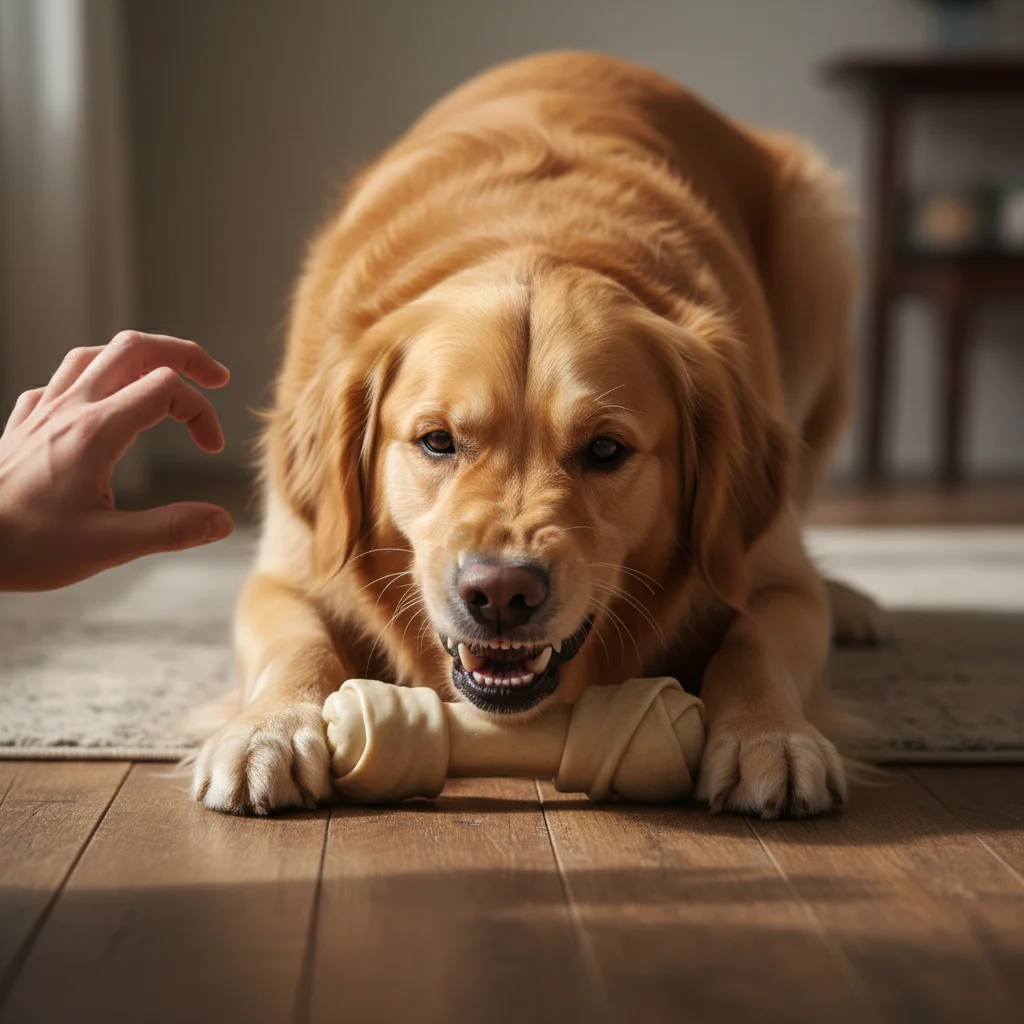
Resource guarding, a common behavioral issue in dogs, can range from a subtle stiffening of the body when approached while eating to aggressive growling, snapping, or biting over prized possessions. Understanding and effectively addressing this behavior is crucial for ensuring the safety and harmony of your home. This article delves into a comprehensive resource guarding protocol, offering a 6-step approach to manage and mitigate this challenging behavior. Our goal is to empower pet owners with the knowledge and tools to foster a secure and trusting relationship with their canine companions, turning potential conflict into peaceful coexistence.
What is Resource Guarding? Unpacking the Behavior
Before we dive into the resource guarding protocol, it’s essential to grasp what resource guarding truly entails. At its core, resource guarding is a dog’s natural instinct to protect valuable items from perceived threats. These ‘resources’ can be anything the dog deems important: food, toys, sleeping spots, favorite people, or even specific areas of the house. While often seen as a problem behavior, it’s rooted in a primal survival instinct. In the wild, guarding resources is vital for survival; in our homes, it can lead to dangerous situations.
The intensity of resource guarding varies significantly among dogs. Some dogs might display mild signs, such as eating faster when someone approaches, while others might exhibit more overt aggression, including growling, snarling, lunging, or even biting. Recognizing these signs early is paramount. Ignoring subtle cues can inadvertently escalate the behavior, making it more challenging to address later.
Understanding the underlying causes can also shed light on why a dog might develop this behavior. Factors such as genetics, early life experiences (e.g., competition for food in a litter), previous negative interactions, or even a perceived scarcity of resources can contribute. It’s not about the dog being ‘mean’ or ‘dominant’ in the traditional sense, but rather a manifestation of anxiety and a strong desire to protect what they value.
Our resource guarding protocol is designed to address these underlying anxieties and teach your dog that human presence around their resources is a positive, non-threatening experience. It’s about building trust and changing your dog’s emotional response to perceived threats, rather than punishing the behavior, which can often exacerbate the problem.
Step 1: Assess and Identify Triggers – The Foundation of Your Resource Guarding Protocol
The first and most critical step in any effective resource guarding protocol is a thorough assessment of the situation. This involves identifying precisely what resources your dog guards and under what circumstances. Observation is key here. What items does your dog protect? Is it always food, or specific types of food (e.g., high-value treats vs. kibble)? Does it involve certain toys, bones, or even household items like socks?
Equally important is identifying the triggers. Who or what initiates the guarding behavior? Is it family members, strangers, other pets, or specific actions like someone walking past, reaching for the item, or even just making eye contact? The distance at which your dog reacts is also a crucial piece of information. Does your dog start growling when you’re across the room, or only when you’re within arm’s reach?
Keep a detailed log of these observations. Note down the resource, the trigger, the intensity of the reaction (e.g., stiffening, growl, snap), and the outcome. This data will be invaluable in tailoring your resource guarding protocol to your dog’s specific needs and in tracking progress. It helps you understand your dog’s threshold and allows you to work below that threshold, which is essential for successful behavior modification.
For example, if your dog guards their food bowl when you approach within two feet, your initial training will involve staying further away than two feet. If they only guard high-value chew bones, your initial focus will be on those items. This systematic approach ensures that you’re not inadvertently putting yourself or others at risk during the training process. Remember, safety first!
Step 2: Establish a Safe Environment – Minimizing Risk with Your Resource Guarding Protocol
Once you’ve identified the triggers, the next step in our resource guarding protocol is to establish a safe and controlled environment. This means taking proactive measures to prevent guarding incidents from occurring. Prevention is a powerful tool in behavior modification, as it stops the dog from practicing the undesirable behavior and potentially rehearsing aggressive responses.
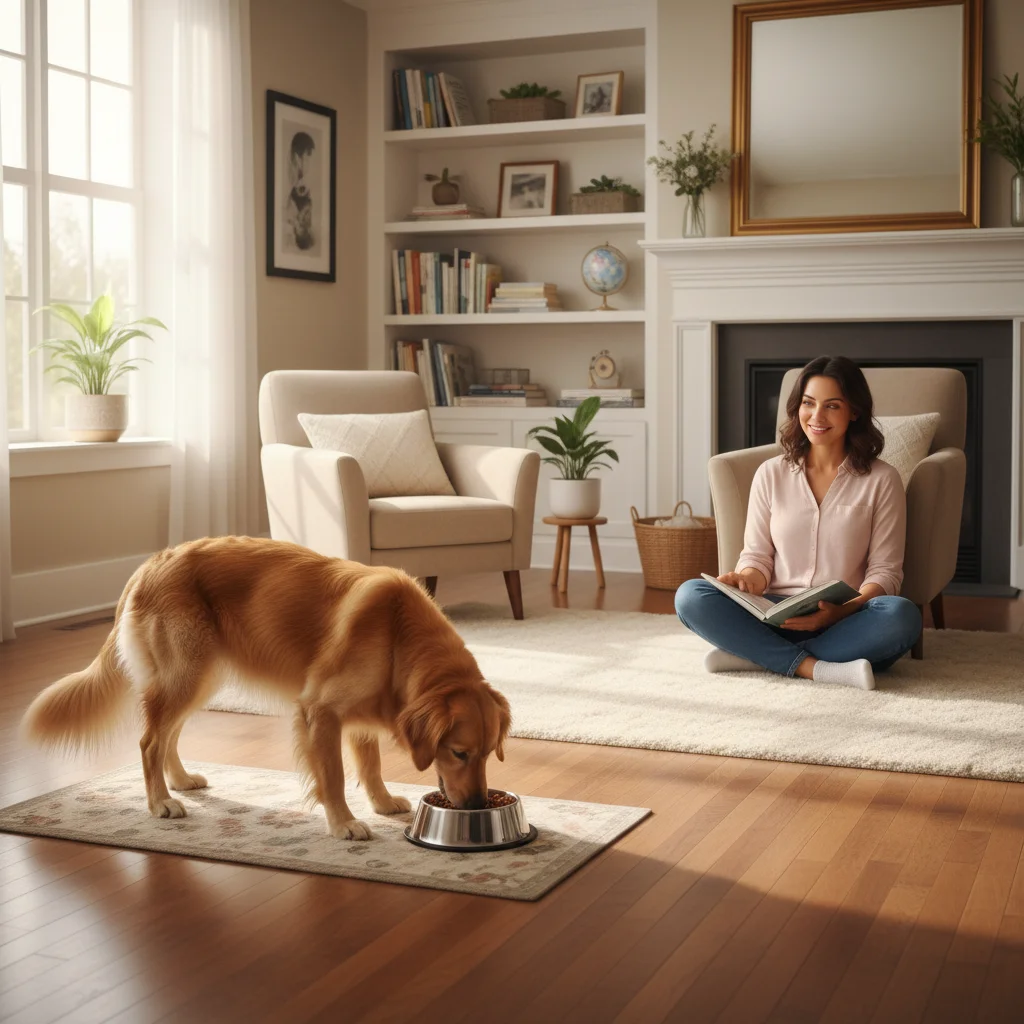
Initially, this might involve removing high-value items that your dog guards when you cannot supervise them directly. For instance, if your dog guards certain toys, pick them up when you’re not actively playing. If they guard their food bowl, consider feeding them in a separate, secure room where they won’t be disturbed by family members or other pets. This temporary management strategy reduces opportunities for conflict and allows you to control the environment.
If your dog guards a specific area, like their bed or a favorite couch, you might need to restrict access to that area during certain times or use gates to create boundaries. The goal is not to punish your dog but to manage the environment so that guarding behaviors are not reinforced and no one gets hurt. This step is crucial for both human and canine safety and sets the stage for effective training.
Additionally, consider feeding your dog in a way that minimizes competition, especially in multi-dog households. Feed dogs in separate rooms or use crates. This reduces the perceived need for guarding and lowers overall stress levels. Creating this safe space is foundational to building trust and preparing your dog for the subsequent steps of the resource guarding protocol.
Step 3: Desensitization and Counter-Conditioning – Changing Emotional Responses
This is where the real work of modifying your dog’s emotional response begins within our resource guarding protocol. Desensitization and counter-conditioning are powerful tools that aim to change your dog’s negative association with your presence near their resources into a positive one. The core idea is to gradually expose your dog to the trigger (your presence) while simultaneously associating it with something highly rewarding (high-value treats).
Start by identifying your dog’s threshold – the point at which they begin to show signs of guarding. You want to work *below* this threshold. For example, if your dog starts growling when you are 5 feet away from their food bowl, begin your training at 7 or 8 feet away. At this safe distance, approach, drop a super high-value treat (something they absolutely love, like chicken or cheese) near their food bowl, and then immediately retreat. Repeat this process multiple times. Your dog learns that your approach means good things happen, not that their resource will be taken away.
Gradually, over many sessions and days, you can decrease the distance. The key is to go at your dog’s pace. If your dog shows any signs of tension or guarding, you’ve moved too quickly. Back up to the previous comfortable distance and build up again. Never try to take the item away during this process; the goal is to *add* value, not subtract it.
This same principle applies to toys, bones, or any other guarded item. Always exchange for something better. If your dog has a guarded toy, offer a higher-value treat, and as they take the treat, gently pick up the toy. Then, return the toy. This teaches them that giving up an item results in a reward and that the item will be returned, building trust and reducing the perceived threat. This systematic approach is central to a successful resource guarding protocol.
Step 4: The ‘Trade-Up’ Game – Building Trust and Voluntary Exchange
The ‘Trade-Up’ game is an advanced application of counter-conditioning and a vital component of our resource guarding protocol. This exercise specifically teaches your dog to willingly give up a guarded item in exchange for something even better. It transforms a potentially confrontational situation into a positive interaction, reinforcing the idea that humans are givers, not takers.
To play the ‘Trade-Up’ game, you’ll need a variety of high-value treats and a guarded item (start with a moderately guarded item, not their absolute most prized possession). Approach your dog while they have the item, but stay at a distance where they are still comfortable and not exhibiting guarding behavior. Offer a highly desirable treat. As your dog takes the treat, gently pick up the guarded item. Immediately, return the original item to your dog. Repeat this several times. The goal is to create a positive association: ‘I give up my item, I get a treat, and then I get my item back!’
Once your dog is consistently and happily trading, you can introduce a verbal cue like ‘Trade!’ or ‘Give!’ right before you offer the treat. Over time, your dog will associate the cue with the positive exchange. As they become proficient, you can start holding onto the original item for a brief moment before returning it, or even replace it with a different, equally appealing item. This teaches flexibility and trust.
The ‘Trade-Up’ game is powerful because it empowers your dog. They learn they have a choice and that choosing to release an item leads to a reward. This reduces the need for guarding, as the perceived threat of loss diminishes. Consistency and patience are key. Never force the trade or snatch the item, as this can severely damage trust and escalate guarding behaviors, undermining your entire resource guarding protocol efforts.
Step 5: Incorporate ‘Leave It’ and ‘Drop It’ Commands – Essential Tools for Your Resource Guarding Protocol
While desensitization and the ‘Trade-Up’ game focus on changing emotional responses, teaching reliable ‘Leave It’ and ‘Drop It’ commands provides practical tools for managing situations and preventing guarding incidents in real-time. These commands are indispensable in any comprehensive resource guarding protocol.
‘Leave It’ Command:
This command teaches your dog to ignore an enticing item. Start by placing a low-value treat on the floor and covering it with your hand. When your dog tries to get it, say ‘Leave It’. The moment they look away from the treat (even for a split second), mark the behavior (with a clicker or a verbal ‘Yes!’) and reward them with a higher-value treat from your other hand. Gradually, increase the duration they have to ‘Leave It’ and the distance from the item, eventually moving to higher-value distractions.
The goal is for your dog to understand that ‘Leave It’ means ‘don’t touch that, and something better is coming from me.’ This is invaluable for preventing your dog from picking up potentially guarded items or things they shouldn’t have.
‘Drop It’ Command:
This command teaches your dog to release an item they already have in their mouth. Start with your dog holding a low-value toy. Offer a high-value treat right to their nose. The moment they open their mouth to take the treat, say ‘Drop It’ (or ‘Give!’), mark the behavior, and take the toy. Immediately return the toy (or a similar one) after they’ve eaten the treat. This is crucial for reinforcing the idea that dropping an item leads to a reward and that the item isn’t permanently gone.
As with ‘Leave It’, gradually increase the value of the items your dog is asked to ‘Drop It’ for. Always ensure the reward (either the treat or the return of the item) is more appealing than the item they are dropping. These commands, when trained consistently and positively, become powerful tools in managing your dog’s interactions with resources and are a cornerstone of an effective resource guarding protocol.
Step 6: Ongoing Management and Maintenance – Sustaining Your Resource Guarding Protocol
Resource guarding is rarely a behavior that completely disappears overnight. It often requires ongoing management and reinforcement. The final step in our resource guarding protocol emphasizes consistency, patience, and continued positive reinforcement to maintain the progress you’ve made.
Continue practicing the desensitization and ‘Trade-Up’ games periodically, even after your dog has shown significant improvement. This helps reinforce the positive associations and keeps their skills sharp. Randomly approach their food bowl and drop a treat, or ask for a ‘Trade!’ with a favorite toy, ensuring that these interactions remain positive and predictable.
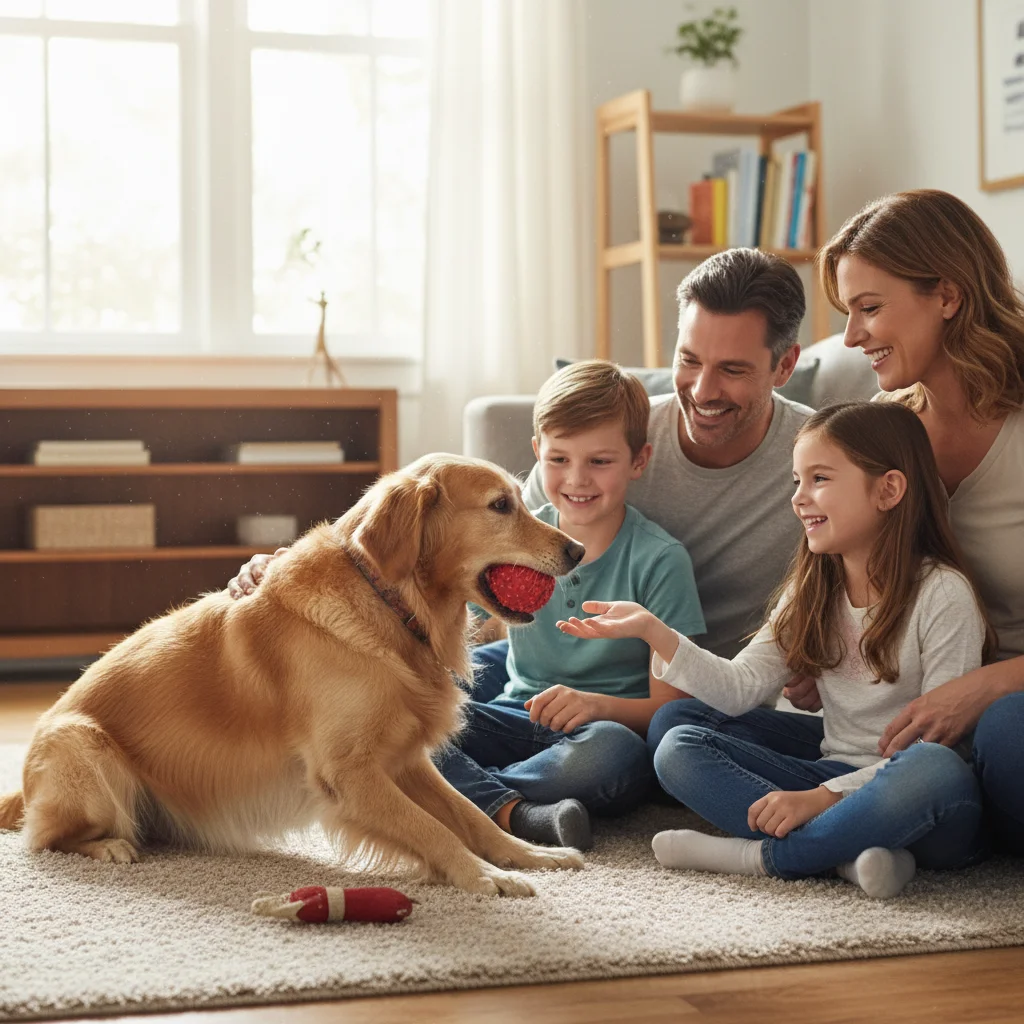
Always supervise interactions, especially in multi-pet households or when children are present. Educate all family members on the resource guarding protocol and ensure everyone is consistent with the training methods. Inconsistency can confuse your dog and undermine your efforts. Children, in particular, should be taught never to approach a dog while it’s eating or has a valued item, and to always respect a dog’s space.
Be mindful of new or novel items that might become guarded resources. If your dog shows any subtle signs of guarding, revisit the earlier steps of the protocol with that specific item. It’s much easier to address mild guarding symptoms than to wait until they escalate.
Finally, remember that patience is key. Modifying ingrained behaviors takes time and dedication. Celebrate small victories and don’t get discouraged by occasional setbacks. If you encounter significant challenges or if your dog’s guarding behavior is severe, do not hesitate to consult with a certified professional dog trainer or a veterinary behaviorist. They can provide personalized guidance and ensure the safety of everyone involved, helping you fine-tune your resource guarding protocol for optimal results.
When to Seek Professional Help for Your Resource Guarding Protocol
While this 6-step resource guarding protocol provides a robust framework for many common cases, there are instances where professional intervention is not just recommended, but essential. Recognizing when to call in an expert is a sign of responsible pet ownership and can prevent potential harm to both humans and animals.
You should seek professional help if:
- Aggression is Severe: If your dog has bitten someone, broken skin, or exhibits intense aggression (snarling, lunging, repeated snapping) during guarding incidents, it’s crucial to consult a certified professional dog trainer or a veterinary behaviorist immediately. These professionals have the expertise to manage high-risk situations safely.
- You Feel Unsafe: If you or any family member feels unsafe implementing the training steps, or if you are afraid of your dog’s reactions, it’s time for expert guidance. Your safety is paramount.
- Lack of Progress: If you’ve been diligently following the resource guarding protocol for several weeks or months and see little to no improvement, or if the behavior seems to be worsening, a professional can assess your specific situation and offer tailored strategies.
- Multiple Triggers/Complex Cases: Dogs that guard a wide variety of resources, guard people, or exhibit guarding alongside other behavioral issues (e.g., separation anxiety, fear aggression) often benefit from a nuanced approach that only a professional can provide.
- Uncertainty About Implementation: If you’re unsure about how to correctly apply the desensitization and counter-conditioning techniques, or if you fear making the problem worse, a professional can provide hands-on guidance and demonstrate the proper methods.
A qualified professional can conduct a thorough behavioral assessment, rule out any underlying medical conditions that might contribute to the behavior, and develop a customized behavior modification plan. They can also teach you advanced handling techniques and help you understand your dog’s body language better, enhancing the effectiveness of your resource guarding protocol.
Remember, seeking help is not a failure; it’s a commitment to your dog’s well-being and the safety of your household. Early intervention by a professional can often lead to faster and more sustainable results.
Conclusion: A Safer, Happier Home Through a Dedicated Resource Guarding Protocol
Resource guarding, while a challenging behavior, is manageable with patience, consistency, and a well-structured approach. Our 6-step resource guarding protocol – from assessment and environmental management to desensitization, trade-up games, command training, and ongoing maintenance – provides a clear roadmap to address this issue effectively. By understanding your dog’s motivations, working below their threshold, and consistently creating positive associations with your presence around their valued items, you can transform a source of tension into an opportunity to build deeper trust and understanding.
The journey to overcome resource guarding is a marathon, not a sprint. It requires dedication from all members of the household and a commitment to positive reinforcement techniques. Avoid punishment, as it can escalate fear and aggression, ultimately making the guarding behavior worse. Instead, focus on building a relationship based on mutual respect and positive exchanges.
A home where resource guarding is successfully managed is a happier, safer place for everyone – both human and canine. By implementing this comprehensive resource guarding protocol, you’re not just modifying a behavior; you’re fostering a harmonious environment where your dog feels secure and understood, and where you can enjoy a more peaceful coexistence. Remember, every small step forward is a victory, and with persistence, you can achieve remarkable results. If at any point you feel overwhelmed or unsafe, do not hesitate to reach out to a professional for expert guidance. Your dog’s well-being and your family’s safety are worth the effort.