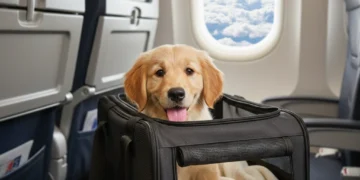
Safe Pet Travel: Essential Car Gear for 2026 Trips
Safe Pet Travel: Essential Car Gear for 2026 Trips
As pet parents, the safety and well-being of our furry companions are paramount, especially when it comes to car travel. What once might have been an afterthought – a quick trip to the vet with your dog loose in the back seat – has evolved significantly. Today, understanding and implementing proper safe pet travel practices is not just a recommendation; it’s a critical component of responsible pet ownership. With advancements in pet safety technology and a growing awareness of potential hazards, ensuring your pet is secure in the car is as important as buckling up yourself. This comprehensive guide will delve into the essential car gear updates for 2026, helping you reduce risks and make every car trip a safe and enjoyable experience for your beloved animal.
The road can be unpredictable, and even a minor fender bender can turn tragic for an unrestrained pet. An unsecured pet can become a projectile, causing injury to themselves and human occupants. Beyond accident scenarios, a free-roaming pet can distract the driver, leading to dangerous situations. Statistics reveal a startling number of accidents are caused by distracted driving, and a significant portion of these distractions involve pets. By proactively addressing these risks with the right equipment and habits, we can significantly enhance safe pet travel outcomes.
In this article, we will explore the latest innovations in pet car safety, from crash-tested crates and harnesses to smart travel accessories designed for comfort and security. We’ll provide actionable advice on choosing the best gear for your specific pet, understanding safety standards, and preparing for both short errands and long road trips. Our goal is to empower you with the knowledge and resources to ensure that every journey with your pet is a testament to your commitment to their safety and happiness.
The Importance of Secure Pet Restraint for Safe Pet Travel
The concept of safe pet travel begins with understanding why restraint is non-negotiable. An unrestrained pet, regardless of size, poses several dangers. In the event of a sudden stop or collision, an animal can be thrown forward with considerable force. For example, a 60-pound dog traveling at 30 mph can exert over 2,700 pounds of force upon impact. This force is not only devastating to the pet but also presents a severe risk to human passengers.
Beyond the immediate danger of impact, unrestrained pets can cause driver distraction. A dog attempting to sit on your lap, a cat exploring the footwell, or a pet simply moving around the cabin can divert your attention from the road, even for a split second. That brief moment is all it takes for an accident to occur. Studies by the AAA Foundation for Traffic Safety have highlighted that more than 65% of pet owners admit to engaging in distracting activities with their pets while driving, such as petting them, giving them food, or even letting them sit on their laps. These behaviors drastically increase the risk of accidents.
Furthermore, an unrestrained pet can easily escape the vehicle if a window is open or a door is accidentally left ajar, leading to them getting lost or injured in traffic. In the unfortunate event of an accident, emergency responders are also safer when dealing with contained animals, allowing them to focus on human occupants first without the added stress of a frightened, loose animal.
Choosing the right restraint system is therefore a cornerstone of safe pet travel. This isn’t about restricting your pet’s freedom unnecessarily; it’s about providing a secure environment that protects everyone in the vehicle. The market now offers a variety of solutions, each designed to address different pet sizes, temperaments, and travel needs, all while adhering to evolving safety standards.
Understanding Crash-Tested Pet Products: A 2026 Perspective
As consumer awareness around pet safety grows, so does the demand for rigorously tested products. The term ‘crash-tested’ has become a significant indicator of reliability in pet travel gear. But what does it truly mean, and how can you identify genuinely safe products for safe pet travel?
In 2026, the gold standard for crash-tested pet products often refers to certifications from organizations like the Center for Pet Safety (CPS). The CPS is a non-profit research and consumer advocacy organization that conducts independent crash tests on pet travel safety products using standardized crash test dummies. Their certification programs evaluate crates, carriers, and harnesses under conditions simulating real-world car crashes. Products that pass these rigorous tests are awarded a certification, giving pet owners confidence in their safety claims.
When selecting gear, look for explicit mention of CPS certification or similar independent testing. Be wary of vague claims like ‘safety tested’ or ‘automotive grade’ without specific details or verifiable third-party validation. A truly crash-tested product will typically provide information about the testing protocols and results, often available on the manufacturer’s website or the product packaging.
The benefits of investing in crash-tested gear for safe pet travel are immense. These products are engineered to withstand significant forces, keeping your pet contained and minimizing the risk of injury during an impact. They are designed to prevent the pet from becoming a projectile, protecting both the animal and human occupants. While they might come at a higher price point, the peace of mind and the level of protection they offer are invaluable.
Essential Gear Updates for 2026: Enhancing Safe Pet Travel
The landscape of pet travel gear is constantly evolving, with manufacturers introducing innovative solutions to improve safety and comfort. For 2026, several key categories of products have seen significant advancements, making safe pet travel more accessible and effective than ever before.
1. Advanced Pet Car Harnesses and Seatbelts
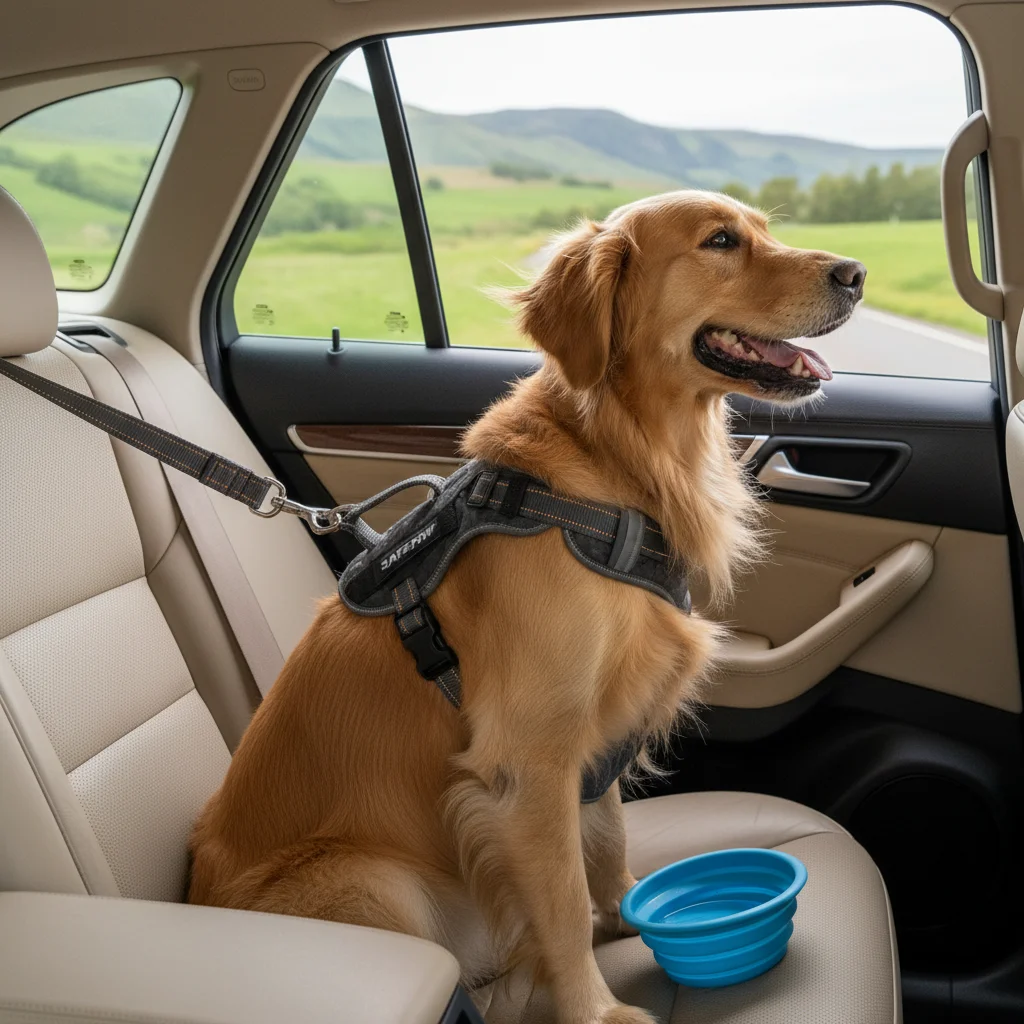
Pet car harnesses have come a long way from simple straps. Modern harnesses are designed to distribute crash forces across your pet’s chest, minimizing injury. For 2026, look for harnesses that feature:
- Crash-Tested Certifications: As mentioned, prioritize harnesses that have passed independent crash tests, such as those by the Center for Pet Safety (CPS). These certifications ensure the harness can withstand significant forces without breaking or allowing the pet to escape.
- Enhanced Design and Materials: Newer models often incorporate padded chest plates, wider straps, and breathable, durable materials for both safety and comfort. Reinforced stitching and metal hardware are also common features in high-quality harnesses.
- Multiple Attachment Points: Some harnesses offer more than one attachment point to the seatbelt system, providing greater stability and preventing excessive movement.
- Adjustability and Fit: A proper fit is crucial. The best harnesses offer extensive adjustability to ensure a snug, yet comfortable, fit for various body shapes and sizes. A poorly fitting harness can be ineffective or even dangerous.
- Quick-Release Buckles: While security is paramount, the ability to quickly release your pet in an emergency is also important. Look for sturdy, yet intuitive, buckle systems.
When using a harness, always ensure it is attached to the vehicle’s seatbelt system using a compatible tether. Never attach a leash directly to a harness and then to the seatbelt, as leashes are not designed to withstand crash forces.
2. Crash-Tested Crates and Carriers
For many pets, especially smaller dogs and cats, or those prone to anxiety, a secure crate or carrier is the safest option for safe pet travel. The market for crash-tested crates has expanded significantly, offering options for almost every size and type of pet.
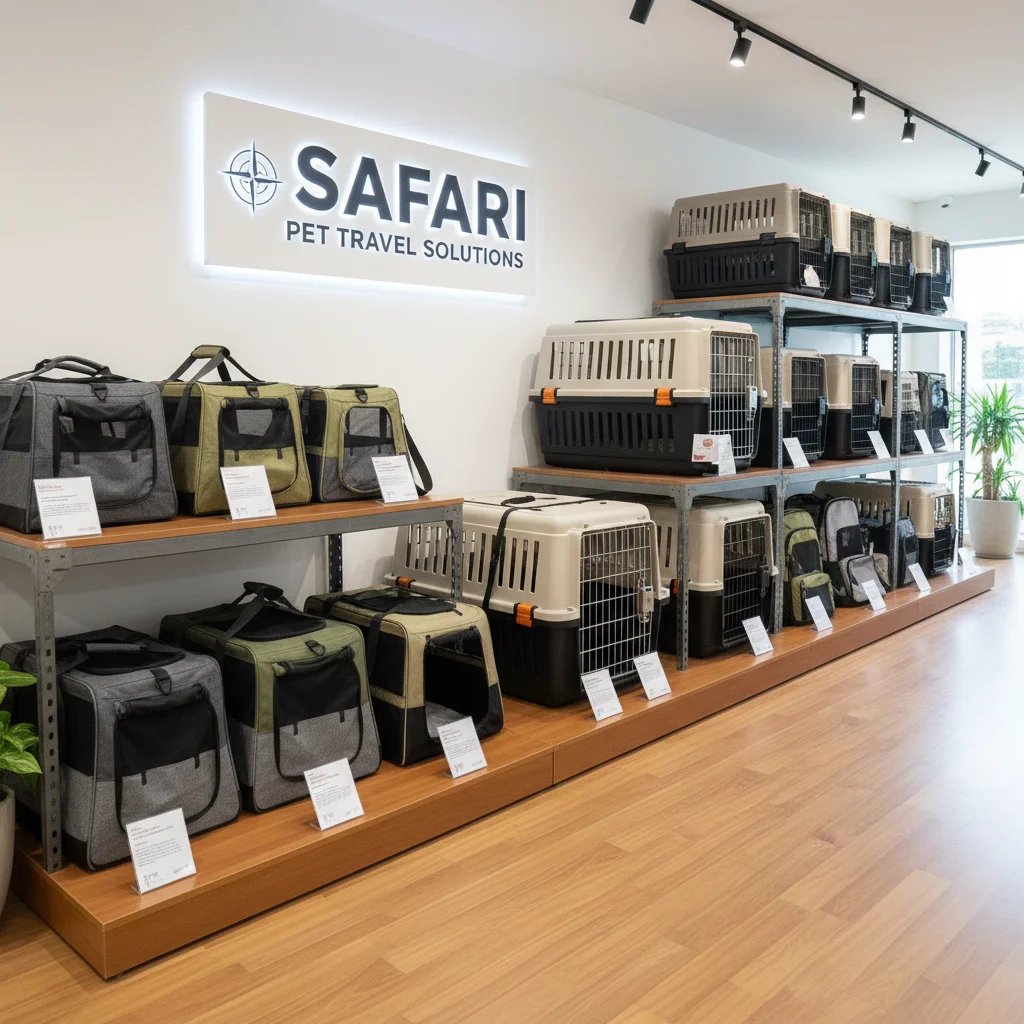
- Rigid, Crash-Tested Crates: These are the ultimate in pet car safety. Made from durable materials like aluminum or high-grade plastic, these crates are designed to absorb impact and prevent your pet from being ejected or injured. Look for CPS-certified models. They often feature reinforced doors, secure latching mechanisms, and ventilation.
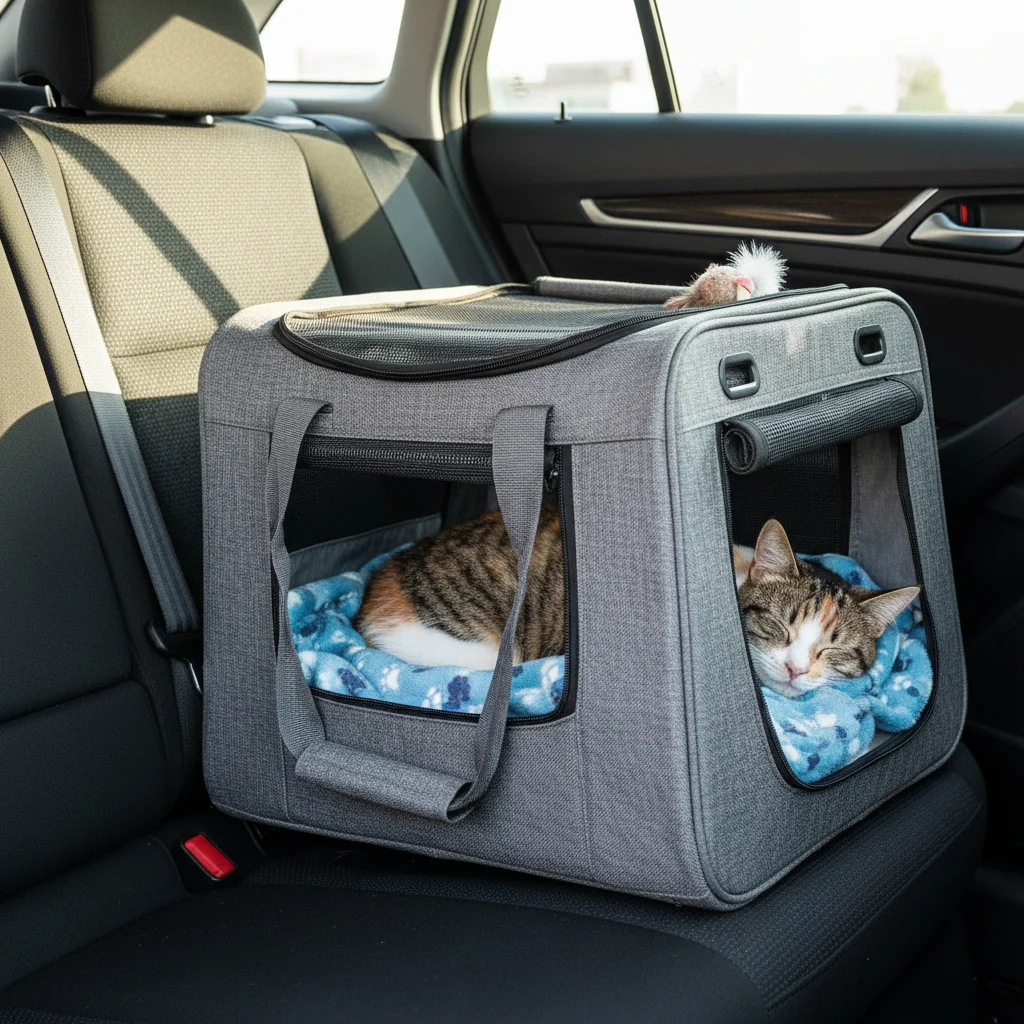
- Soft-Sided Carriers (for smaller pets): While generally not crash-tested to the same rigorous standards as rigid crates, some soft-sided carriers offer features for securement. Look for carriers with internal tethers, strong zippers, and loops to thread a seatbelt through, ensuring they remain stationary. These are best for very small pets for short trips.
- Securing the Crate/Carrier: Regardless of the type, proper securing is vital. Crates should be placed in the cargo area of an SUV or hatchback, or on the back seat, and secured with straps or seatbelts to prevent shifting. Never place a crate on the front passenger seat, especially if airbags are active.
- Size Matters: The crate should be large enough for your pet to stand up, turn around, and lie down comfortably, but not so large that they can be tossed around inside during a sudden stop.
3. Travel Comfort and Convenience Accessories
While safety is paramount, comfort and convenience play a significant role in reducing stress for your pet during travel. These accessories contribute to overall safe pet travel by minimizing anxiety and providing essential needs.
- Spill-Proof Water Bowls: Hydration is key, but ordinary bowls can spill. Look for specially designed spill-proof bowls or water bottles with attached dispensers that allow your pet to drink without making a mess.
- Comfortable Bedding/Mats: A familiar scent and comfortable surface can reduce anxiety. Place your pet’s favorite bed or a non-slip mat inside their crate or carrier. For harnessed pets, a car seat cover can provide a soft surface and protect your car’s upholstery.
- Portable Pet Ramps: For older, larger, or arthritic pets, a portable ramp can make getting in and out of the car much easier and safer, preventing injuries from jumping.
- Window Shades/Ventilation Fans: Overheating is a serious concern. Window shades can block direct sunlight, and small, battery-operated fans can improve air circulation, especially in the cargo area.
- First-Aid Kit: A dedicated pet first-aid kit is a must for any car trip. Include essentials like bandages, antiseptic wipes, tweezers, and any specific medications your pet requires.
- Waste Bags and Cleaning Supplies: Accidents happen. Be prepared with waste bags, paper towels, and pet-safe cleaning sprays.
By combining robust safety gear with thoughtful comfort accessories, you create an environment conducive to successful and stress-free safe pet travel.
Choosing the Right Gear for Your Pet
Selecting the best safe pet travel gear isn’t a one-size-fits-all situation. Several factors need to be considered to ensure the chosen equipment is effective and appropriate for your individual pet.
Size and Breed Considerations
The size and breed of your pet heavily influence the type of restraint you should choose. A small Chihuahua will have very different needs than a large Great Dane. For smaller dogs and most cats, a crash-tested carrier is often the most secure option. Ensure the carrier is large enough for them to stand, turn around, and lie down comfortably, but not so spacious that they can be jostled excessively during travel.
For medium to large dogs, crash-tested harnesses are a popular choice, provided they fit correctly and are secured properly. For very large or giant breeds, or for owners who prefer maximum protection, a heavy-duty, crash-tested crate designed for the cargo area of an SUV or truck may be the safest bet. Always check the weight and size limits specified by the manufacturer for any product.
Pet’s Temperament and Health
Your pet’s personality and health status also play a role. An anxious pet might feel more secure and less stressed in a familiar crate, which can act as a den. A pet that tends to chew might require a metal crate over a plastic one. For pets with mobility issues, a ramp is essential, and a comfortable, supportive bed within their restraint can make a world of difference.
If your pet suffers from car sickness, a well-ventilated carrier or harness that allows them to face forward might help. Consult your veterinarian for advice on managing motion sickness or anxiety during travel.
Vehicle Type and Space
The type of vehicle you drive dictates what kind of gear you can comfortably and safely install. A small sedan might only accommodate a small carrier on the back seat, while an SUV or minivan offers more space for larger crates in the cargo area. Always measure your vehicle’s available space before purchasing a crate or carrier to ensure a proper fit. Ensure that any restraint system does not obstruct your view or interfere with the safe operation of the vehicle.
Preparing Your Pet for Safe Pet Travel
Having the right gear is only half the battle; preparing your pet for car travel is equally important for ensuring safe pet travel. A well-prepared pet is a less stressed and therefore safer travel companion.
Acclimation and Training
Introduce your pet to their new travel gear gradually. Let them explore the harness or crate at home, associating it with positive experiences like treats or playtime. For crates, start with short periods of time inside, gradually increasing the duration. Feed them meals in the crate, or leave their favorite toys inside. This helps them view the crate as a safe, comfortable space rather than a punishment.
Once they are comfortable with the gear, begin with short, positive car rides. Start with just sitting in the car, then short trips around the block, slowly extending the duration. Praise and reward calm behavior. This desensitization process is crucial for pets who are new to car travel or prone to anxiety.
Pre-Trip Preparations
Before any car trip, especially longer ones, there are several steps you can take to ensure safe pet travel:
- Potty Break: Always give your pet a chance to relieve themselves before getting in the car to avoid accidents and discomfort during the journey.
- Limit Food Intake: Some pets experience motion sickness. Feeding a light meal a few hours before travel, or skipping a meal entirely for very sensitive pets, can help prevent upset stomachs.
- Pack Essentials: Create a ‘pet travel bag’ with water, food, treats, waste bags, a favorite toy, comfort items (like a blanket), medications, and a copy of their vaccination records and identification.
- Proper Identification: Ensure your pet wears a collar with up-to-date ID tags (including your phone number) and is microchipped. This is vital in case they get separated from you.
- Veterinary Check-up: For long trips, a quick vet check-up can ensure your pet is healthy enough for travel and address any potential concerns like anxiety or motion sickness.
On the Road: Best Practices for Safe Pet Travel
Once you’re on the road, maintaining vigilance and adhering to best practices will further enhance safe pet travel.
Regular Breaks and Hydration
Just like humans, pets need breaks. Plan to stop every 2-3 hours for a potty break, a stretch, and some fresh air. Always keep your pet on a leash during stops to prevent them from running off in unfamiliar surroundings. Offer water frequently, especially on warm days. Never leave your pet unattended in a parked car, even for a few minutes, as temperatures inside can rise rapidly to dangerous levels.
Temperature Control
Maintain a comfortable temperature inside the vehicle. Pets can overheat quickly, particularly breeds with thick coats or brachycephalic (short-nosed) breeds. Ensure good air circulation and use air conditioning when necessary. Avoid direct sunlight streaming into their crate or resting spot.
Avoid Distractions
Even with your pet securely restrained, avoid engaging in distracting behaviors. Keep your focus on the road. If your pet needs attention, pull over to a safe location. Teach children in the car how to interact safely with the pet during travel, ensuring they don’t inadvertently cause a distraction.
Emergency Preparedness
Always be prepared for the unexpected. Have your pet’s vet’s number, as well as the number for an emergency vet clinic along your route, readily accessible. Know basic pet first aid. In case of an accident, secure your pet (if safe to do so) before tending to other matters, as a frightened animal might try to escape.
The Future of Safe Pet Travel: What to Expect Beyond 2026
The commitment to safe pet travel is only deepening, and we can anticipate even more sophisticated solutions beyond 2026. Innovations are likely to focus on integrating smart technology, advanced materials, and personalized safety features.
- Smart Monitoring Systems: Expect to see more in-car systems that monitor your pet’s temperature, heart rate, and stress levels, alerting you to potential issues. Some vehicles might even incorporate pet-specific climate control or camera systems.
- Biometric Feedback Harnesses: Harnesses could evolve to include biometric sensors that provide real-time data on your pet’s well-being, enhancing both safety and comfort.
- Customizable Crate Interiors: Crates might offer more modular and customizable interiors, allowing for better fit and comfort for individual pets, and possibly even integrated cooling/heating elements.
- Enhanced Material Science: Lighter, stronger, and more energy-absorbing materials will likely be developed for crates and harnesses, further improving crash protection without adding excessive bulk.
- Autonomous Vehicle Integration: As autonomous vehicles become more prevalent, there will be unique opportunities to design car interiors and restraint systems specifically for pet travel, potentially allowing for more freedom of movement within a safe, controlled environment.
These future developments underscore a growing societal recognition of pets as integral family members, deserving of the highest safety standards in all aspects of life, including travel. Staying informed about these advancements will be key to continuing to provide the best possible care for our animal companions.
Conclusion: Prioritizing Safe Pet Travel for Every Journey
In conclusion, ensuring safe pet travel is a multifaceted responsibility that requires careful consideration of gear, preparation, and on-road practices. The 2026 updates in pet car safety gear, particularly crash-tested harnesses and crates, offer unprecedented levels of protection, significantly reducing the risks associated with vehicular travel for our beloved pets. By investing in certified products and adopting responsible travel habits, pet owners can dramatically enhance the safety and comfort of their furry friends on every journey.
Remember, an unsecured pet is not only a danger to themselves but also a significant distraction and potential hazard to human occupants. Prioritizing proper restraint and preparing your pet for travel are acts of love and responsibility. As technology continues to advance, we can look forward to even safer and more comfortable travel solutions, but the fundamental principles of secure restraint and mindful planning will always remain at the core of truly safe pet travel. Make every trip a safe one for your cherished companion.