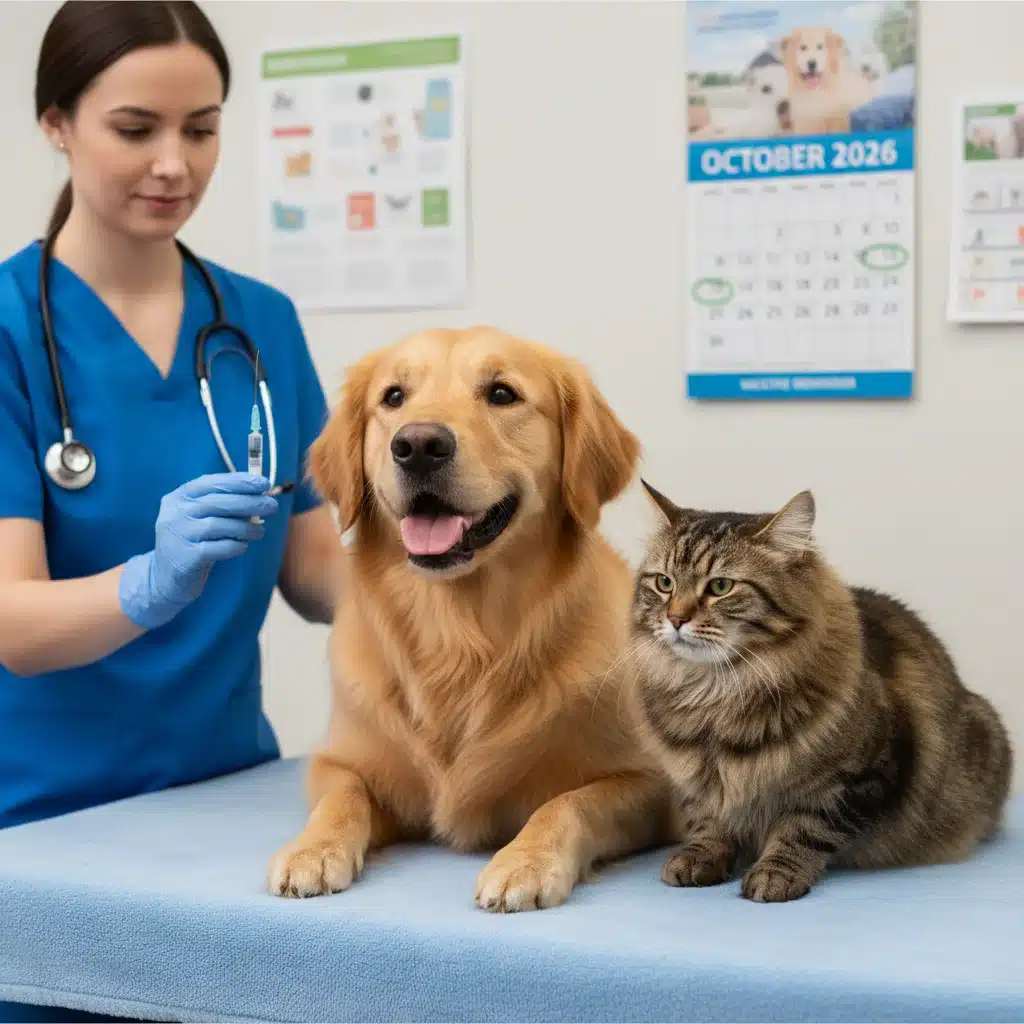
Step-by-Step Guide: Optimizing Your Pet’s 2026 Vaccination Schedule for Maximum Protection and Cost Efficiency (PRACTICAL SOLUTIONS)
As responsible pet owners, our primary goal is to ensure the health and longevity of our beloved companions. A critical component of preventive care is maintaining an up-to-date and appropriate Pet Vaccination Schedule. However, the world of veterinary medicine is constantly evolving, with new research and recommendations emerging regularly. For 2026, understanding how to optimize your pet’s vaccination schedule isn’t just about blindly following a generic protocol; it’s about making informed, personalized decisions that offer the best protection while also being mindful of financial implications. This comprehensive guide will walk you through the nuances of modern pet vaccination, helping you navigate the options for 2026 to achieve maximum protection and cost efficiency.
The Evolving Landscape of Pet Vaccinations
Gone are the days when a one-size-fits-all approach to pet vaccinations was universally accepted. Today, veterinary professionals emphasize individualized care, taking into account a pet’s age, lifestyle, geographic location, and overall health status. This shift is driven by a deeper understanding of immunology, the duration of immunity provided by various vaccines, and the potential risks associated with over-vaccination. Optimizing your Pet Vaccination Schedule for 2026 means moving beyond routine annual boosters for every vaccine and embracing a more tailored approach.
Why Personalization is Key for Your Pet’s Vaccination Schedule
Every pet is unique. A city-dwelling indoor cat faces different disease risks than a rural dog who frequently interacts with wildlife. Similarly, a puppy or kitten requires a different vaccination protocol than a senior pet. A personalized Pet Vaccination Schedule minimizes unnecessary vaccinations, reducing the potential for adverse reactions while still providing robust protection against prevalent diseases. This approach also contributes to cost efficiency by avoiding expenses for vaccines your pet may not genuinely need.
Understanding Core vs. Non-Core Vaccines
The foundation of any effective Pet Vaccination Schedule lies in distinguishing between core and non-core vaccines. This distinction is crucial for making informed decisions.
Core Vaccines: Essential Protection for All Pets
Core vaccines are those recommended for all pets, regardless of their lifestyle, due to the severe nature and widespread prevalence of the diseases they protect against. For dogs, core vaccines typically include:
- Canine Distemper Virus (CDV): A highly contagious and often fatal systemic disease.
- Canine Adenovirus (CAV): Causes infectious hepatitis, affecting the liver.
- Canine Parvovirus (CPV): A severe and often fatal gastrointestinal illness, especially in puppies.
- Rabies Virus: A zoonotic (transmissible to humans) and almost always fatal neurological disease, legally mandated in many regions.
For cats, core vaccines generally include:
- Feline Panleukopenia Virus (FPV): Also known as feline distemper, a highly contagious and severe gastrointestinal disease.
- Feline Herpesvirus-1 (FHV-1): A common cause of upper respiratory infections.
- Feline Calicivirus (FCV): Another common cause of upper respiratory infections and oral disease.
- Rabies Virus: Similar to dogs, legally mandated in many areas and crucial for public health.
These core vaccines form the bedrock of your pet’s immunity and should be a non-negotiable part of their Pet Vaccination Schedule for 2026, with booster frequencies determined by your veterinarian.
Non-Core (Lifestyle) Vaccines: Tailored to Risk
Non-core vaccines are recommended based on a pet’s individual risk of exposure to specific diseases. These are where personalization truly comes into play for your Pet Vaccination Schedule. Examples include:
- For Dogs:
- Bordetella bronchiseptica (Kennel Cough): Recommended for dogs attending daycare, boarding, grooming, or dog parks.
- Leptospirosis: Important for dogs with exposure to wildlife, stagnant water, or rural environments.
- Lyme Disease: For dogs in endemic areas or those who spend time in wooded or grassy regions.
- Canine Influenza Virus (CIV): Considered for dogs with high exposure to other dogs, similar to Bordetella.
- For Cats:
- Feline Leukemia Virus (FeLV): Highly recommended for all kittens and outdoor cats, or those in multi-cat households with unknown FeLV status.
- Feline Immunodeficiency Virus (FIV): While a vaccine exists, its efficacy and necessity are often debated and should be discussed thoroughly with your vet.
Discussing your pet’s lifestyle, environment, and potential exposure risks with your veterinarian is crucial to determining which non-core vaccines are appropriate for their 2026 Pet Vaccination Schedule.
The Role of Vaccine Titers in 2026
One of the most significant advancements in optimizing a Pet Vaccination Schedule is the use of vaccine titers. A titer test measures the level of antibodies in a pet’s blood, indicating their existing immunity to specific diseases. If a pet has sufficient antibody levels, they may not need a booster vaccination for that particular disease, even if it’s due according to a standard schedule.
Benefits of Titer Testing: Protection and Cost Efficiency
- Avoiding Unnecessary Vaccinations: Titers can confirm existing immunity, preventing over-vaccination and reducing the potential for adverse reactions.
- Ensuring Adequate Protection: If antibody levels are low, a booster can be administered to restore protection.
- Cost Savings: While a titer test has its own cost, it can potentially save money by avoiding multiple vaccine boosters over several years. This contributes significantly to a cost-efficient Pet Vaccination Schedule.
- Peace of Mind: Knowing your pet is protected without unnecessary interventions.
For 2026, many veterinarians are increasingly recommending titer testing for certain core vaccines (like canine distemper, parvovirus, and adenovirus, and feline panleukopenia) every three years or more, instead of automatically re-vaccinating. Rabies, however, is often legally mandated for regular vaccination regardless of titer results due to public health concerns.
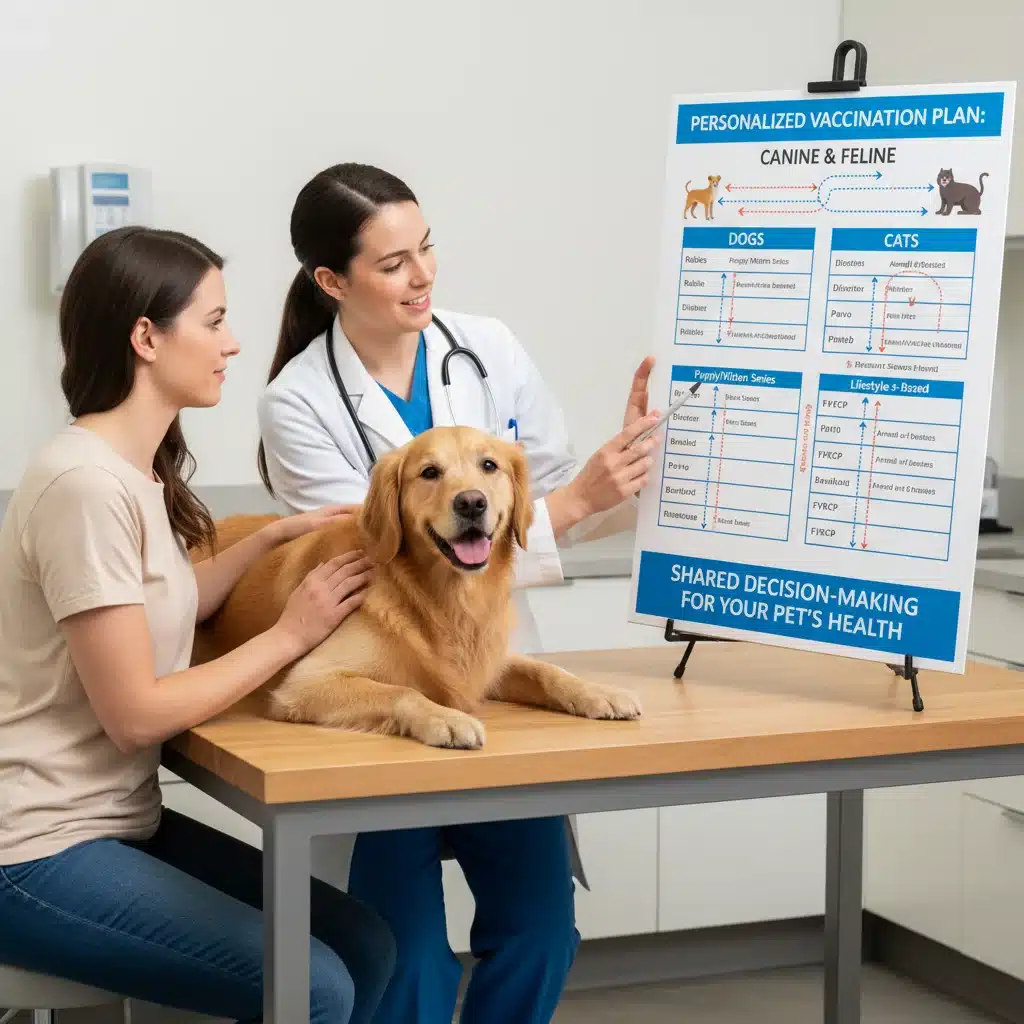
Developing a Personalized Pet Vaccination Schedule for 2026
Creating an optimized Pet Vaccination Schedule for 2026 is a collaborative effort between you and your veterinarian. Here’s a step-by-step approach:
Step 1: Comprehensive Health Assessment
Before discussing vaccines, your vet will perform a thorough physical examination to ensure your pet is healthy enough for vaccination. They will also review your pet’s medical history, including any previous vaccine reactions or chronic conditions.
Step 2: Lifestyle and Risk Assessment
This is where your input is invaluable. Be prepared to discuss:
- Your Pet’s Environment: Is your pet primarily indoors or outdoors? Do they have access to a yard?
- Social Interactions: Do they attend dog parks, daycare, boarding facilities, or grooming salons? Do they interact with other animals (e.g., neighborhood cats, wildlife)?
- Travel History: Do you travel with your pet, especially to different regions or states?
- Exposure to Water Sources: Do they swim in lakes, ponds, or drink from puddles? (Relevant for Leptospirosis).
- Geographic Location: Certain diseases are more prevalent in specific areas (e.g., Lyme disease in tick-heavy regions).
This information will help your vet determine the appropriate non-core vaccines for your 2026 Pet Vaccination Schedule.
Step 3: Discuss Core Vaccine Frequencies and Titers
For core vaccines, discuss the recommended frequency with your vet. Many core vaccines provide immunity for three years or longer after the initial series and first annual booster. Inquire about the possibility of titer testing for distemper, parvovirus, adenovirus, and panleukopenia to avoid unnecessary re-vaccination if your pet has sufficient immunity. This is a key strategy for an optimized and cost-efficient Pet Vaccination Schedule.
Step 4: Prioritize Non-Core Vaccines Based on Risk
Based on the lifestyle assessment, your vet will recommend specific non-core vaccines. Understand the risks and benefits of each. For example, if your dog frequently goes to dog parks, a Bordetella vaccine is a wise choice. If your cat is an outdoor explorer, FeLV vaccination is highly recommended.
Step 5: Schedule and Reminders
Once your personalized Pet Vaccination Schedule is established, ensure you receive clear documentation of which vaccines were given, when, and when the next boosters or titer tests are due. Many veterinary clinics offer reminder services, but it’s always good practice to keep your own records.
Special Considerations for Puppies, Kittens, and Senior Pets
The Pet Vaccination Schedule varies significantly with age.
Puppies and Kittens: Building Foundational Immunity
Young animals have immature immune systems and receive maternal antibodies that can interfere with vaccines. Therefore, puppies and kittens require a series of vaccinations, usually starting at 6-8 weeks of age and repeated every 3-4 weeks until they are 16 weeks old. This series ensures they develop robust immunity once maternal antibodies wane. This initial series is the most critical part of their Pet Vaccination Schedule.
Senior Pets: Re-evaluating Needs
As pets age, their immune systems can become less responsive, or they may develop chronic health conditions. For senior pets, a careful review of their Pet Vaccination Schedule is essential. Your vet might recommend fewer non-core vaccines if their lifestyle has changed (e.g., an outdoor cat becoming indoor-only). Titer testing is particularly valuable for senior pets to avoid unnecessary immune stimulation.
Addressing Common Concerns and Misconceptions
Vaccine Reactions
While rare, vaccine reactions can occur. Most are mild, such as soreness at the injection site, lethargy, or a mild fever. More severe reactions, like allergic responses (facial swelling, hives, vomiting, collapse), are uncommon but require immediate veterinary attention. Discuss any previous reactions with your vet when planning your 2026 Pet Vaccination Schedule.
Over-Vaccination Concerns
The concern about over-vaccination is a driving force behind the shift to personalized schedules and titer testing. The goal is to provide immunity without repeatedly stimulating the immune system unnecessarily, which is why optimizing the Pet Vaccination Schedule is so important.
Cost of Vaccinations vs. Cost of Treatment
While vaccinations and titer tests incur costs, they are generally far less expensive than treating the diseases they prevent. For example, treating a severe case of parvovirus or distemper can cost thousands of dollars and may not even be successful. Investing in a strategic Pet Vaccination Schedule is a smart financial decision for long-term pet health.

Practical Solutions for Cost Efficiency in Your Pet Vaccination Schedule
1. Embrace Titer Testing
As discussed, titer testing can confirm immunity for several years, potentially replacing annual or triennial boosters. While a titer test has an upfront cost, it can eliminate the need for multiple vaccine purchases over time, making your Pet Vaccination Schedule more cost-efficient in the long run.
2. Prioritize Core Vaccines
Ensure your pet receives all necessary core vaccines. These protect against the most dangerous and prevalent diseases. Skipping core vaccines to save money is a false economy, as the cost of treating these illnesses is significantly higher.
3. Carefully Consider Non-Core Vaccines Based on Actual Risk
Don’t just get every vaccine available. Work with your vet to assess your pet’s true risk factors. If your indoor cat never goes outside, a FeLV vaccine might be unnecessary. If your dog lives in an urban apartment and only walks on paved streets, Lyme disease or Leptospirosis vaccines might not be indicated. This targeted approach streamlines your Pet Vaccination Schedule and reduces expenses.
4. Look for Package Deals or Wellness Plans
Many veterinary clinics offer wellness plans that bundle annual exams, core vaccinations, and sometimes even parasite prevention into a monthly payment. These plans can often lead to savings compared to paying for each service individually, providing a structured approach to your Pet Vaccination Schedule and overall preventive care.
5. Attend Low-Cost Vaccine Clinics (with Caution)
Some communities offer low-cost vaccine clinics. While these can be beneficial for specific vaccines (like rabies), it’s important to remember that they often don’t include a comprehensive health exam or personalized discussion with a veterinarian. They should not replace your regular vet visits, which are crucial for developing and maintaining an optimized Pet Vaccination Schedule and overall health plan.
6. Maintain Good Overall Health
A healthy immune system responds better to vaccines. Proper nutrition, regular exercise, and stress reduction contribute to your pet’s overall well-being and their ability to develop strong immunity from their Pet Vaccination Schedule.
The Future of Pet Vaccination: What to Expect Beyond 2026
The field of veterinary immunology is continuously advancing. Research is ongoing into:
- New Vaccine Technologies: Development of even safer and more effective vaccines.
- Extended Durations of Immunity: Vaccines that provide even longer-lasting protection, further reducing the frequency of boosters.
- More Precise Diagnostics: Improved ways to assess individual immune responses and disease risks.
- Oral and Nasal Vaccines: Non-injectable options for certain diseases, which can be less stressful for pets.
Staying informed and maintaining an open dialogue with your veterinarian will ensure your pet’s Pet Vaccination Schedule remains cutting-edge and provides the best possible protection for years to come.
Conclusion: Your Pet’s Health, Your Informed Choice
Optimizing your pet’s 2026 Pet Vaccination Schedule is a proactive step towards ensuring their long-term health and well-being. By understanding the distinction between core and non-core vaccines, embracing the potential of titer testing, and engaging in a thorough discussion with your veterinarian about your pet’s unique lifestyle and risk factors, you can create a personalized vaccination plan that offers maximum protection while also being mindful of costs.
Remember, vaccinations are a cornerstone of preventive veterinary care. A well-thought-out Pet Vaccination Schedule not only safeguards your furry friend from potentially devastating diseases but also contributes to public health, especially in the case of zoonotic diseases like rabies. Make 2026 the year you take a truly informed and proactive approach to your pet’s immunity, ensuring they live a happy, healthy, and protected life.