Choosing the Right Pet Gear: An Updated Guide for Pet Owners
Walking into a pet store or scrolling through online retailers can feel like navigating a maze. One minute you’re filled with the simple joy of bringing a new companion home, and the next you’re facing a wall of a thousand different collars, bowls, and beds, each claiming to be the best. This explosion of choice can quickly turn excitement into anxiety. How can you be sure you’re choosing gear that will genuinely improve your pet’s life, rather than just adding to a pile of unused accessories?
The answer lies in shifting your mindset from simply buying products to making strategic investments in your pet’s well-being. Every item you purchase should serve a clear purpose rooted in one of four core pillars: safety, health, comfort, and mental stimulation. This framework transforms your shopping list into a deliberate plan for a thriving animal. It’s the difference between buying the trendiest food bowl and choosing one that actively improves your pet’s digestion and long-term health.
This guide is designed to cut through the marketing noise and empower you to make confident decisions. We will break down the non-negotiable safety equipment every pet needs, from harnesses to travel crates. We’ll then explore the daily essentials, like orthopedic beds and hygienic bowls, that form the foundation of a comfortable home. Finally, we’ll dive into the world of enrichment toys that prevent boredom and look ahead at the smart technology shaping the future of pet care. Consider this your roadmap to outfitting your companion with everything they need to flourish.
Understanding Your Pet’s Core Needs: Beyond the Basics
Before you even think about adding that fancy gadget to your online cart, it’s primary to zoom out and consider what your pet requires to thrive. Every purchase should be rooted in four core pillars: safety, comfort, health, and stimulation. These are the non-negotiables of responsible pet ownership. Thinking this way is like packing for a trip; you grab your passport and wallet before you even consider bringing that extra pair of shoes.
The definition of ‘primary’ changes dramatically based on your specific companion. A senior cat living indoors has different comfort needs than a young, high-energy Labrador who spends hours outdoors. According to a recent survey by the American Pet Products Association, owners spend billions annually on pet supplies, but how much of that is necessary? The key is matching gear to your pet’s unique biology and lifestyle, which is a core part of pet welfare.
This approach prevents you from wasting money on items that just collect dust.
What most people miss is that understanding these core needs directly informs everything from your daily schedule to your shopping list. Proper mental stimulation, for instance, might not come from an expensive puzzle toy but from applying some Basic Pet Training Techniques. Similarly, a pet’s health is more influenced by a consistent, high-quality diet—something you can learn more about in our Healthy Pet Diet Plans—than by the trendiest food bowl. By focusing on the ‘why’ behind each purchase, you build a happier, healthier life for your animal companion.
Safety First: Collars, Harnesses, Leashes, and Crates
Selecting the right safety equipment is one of the most direct ways to protect your pet. This gear isn’t just an accessory; it’s a vital communication tool between you and your animal and a key component of their security in and out of the home. The market is flooded with options, but understanding the core function of each piece helps you make a choice that supports both safety and your pet’s comfort.
Making the wrong choice can unfortunately lead to problems. A survey by the Center for Pet Safety found that improperly fitted harnesses were a factor in 42% of leash-related accidents reported by owners. It is a reminder that the fit and type of gear matter immensely.
Collars vs. Harnesses: Making the Right Choice
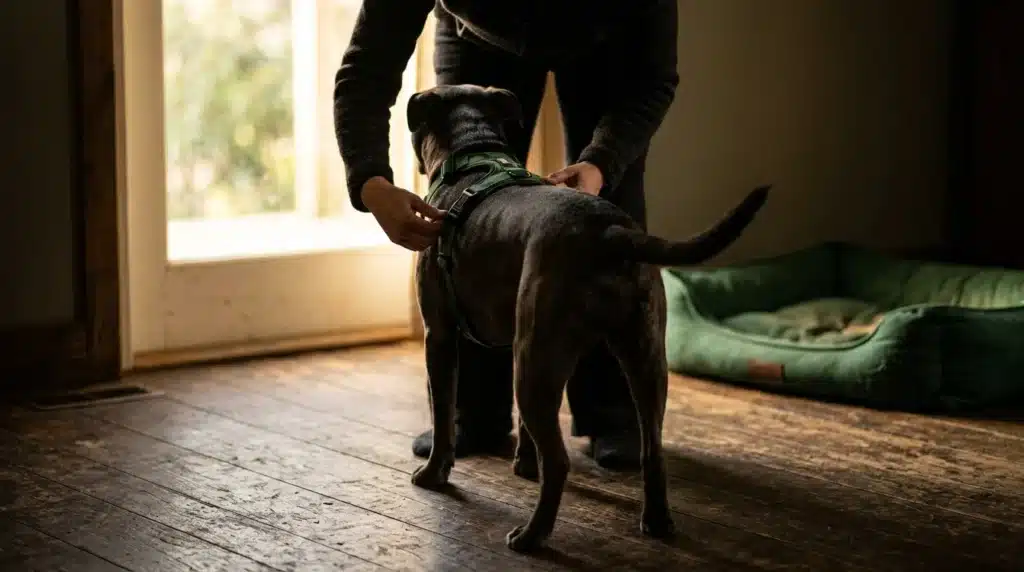
The classic debate between a collar and a harness often comes down to your pet’s specific needs and behavior. A flat collar is primary for every dog and cat, as it’s the primary place to hold identification and registration tags. For well-behaved dogs that don’t pull, a flat collar attached to a leash can be perfectly adequate for casual walks. But what about dogs that pull or have delicate necks, like greyhounds?
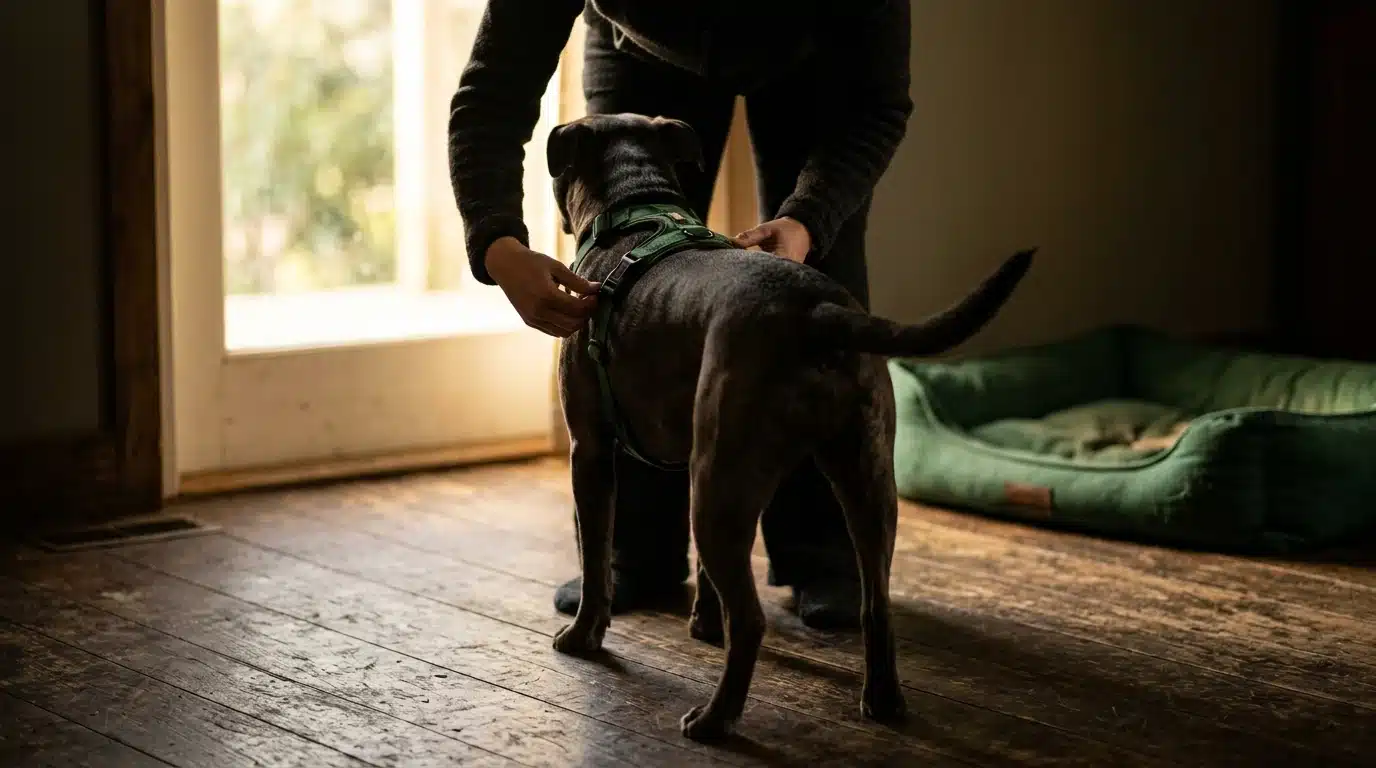
For them, a martingale collar, which tightens slightly under tension without choking, can prevent them from slipping out. A harness, is often the superior choice for managing pulling and protecting your pet’s throat. A back-clip harness is comfortable for general use, while a front-clip harness redirects a dog’s momentum back toward you when they pull — it’s like power steering for your dog — making it a favorite for those working on Understanding Pet Behavior Cues during leash training.
The underrated factor is how the gear interacts with your pet’s anatomy. For brachycephalic (flat-faced) breeds like Pugs or French Bulldogs, a harness is non-negotiable to avoid restricting their already compromised airways.
Leash Types for Every Adventure
A leash is your direct line to your pet, and its design can dramatically affect your walks. The standard 6-foot leash, typically made of nylon or leather, offers reliable control and is the top recommendation of most professional trainers. It provides enough room for sniffing but keeps your pet close and safe from traffic or other hazards.
Retractable leashes offer more freedom, but they come with significant drawbacks. Dr. Ian Dunbar, a leading veterinarian and animal behaviorist, points out that they can teach dogs to pull because tension is always on the line. They also pose a risk of serious injury if the cord wraps around a person or another animal, or if the locking mechanism fails. A hands-free leash, worn around the waist or over the shoulder, is an excellent option for runners or hikers who need to keep their hands available while maintaining secure control of their pet.
Travel Safety: Crates and Car Restraints
A crate is more than just a tool for travel; it’s a personal den that can be an integral part of your Everyday Routines for Happy Pets. When properly introduced, a crate provides a secure, quiet space for your pet to retreat to. This is incredibly useful for house training, managing behavior when you can’t supervise, and keeping them safe during travel.
In a car, an unrestrained pet is a dangerous distraction and is at high risk of injury. A secured crate or a tested pet seat belt is required. Choosing between them often depends on your pet’s size and temperament, as well as your vehicle’s layout.
Choosing the Right Crate Size and Material
Selecting the right crate is like picking a bedroom; it needs to be just the right size for comfort and security. Your pet should be able to stand up, turn around completely, and lie down comfortably in a natural position. A crate that is too large might encourage them to use one end as a bathroom, which defeats a major purpose of crate training.
- Wire Crates: These offer excellent ventilation and visibility. Most come with a divider, allowing you to buy a crate for your pet’s adult size and adjust it as they grow. Their main drawback is they are heavy and less cozy without bedding.
- Plastic Crates: Often required for air travel, these “flight kennels” provide a more den-like feel with solid walls. They are generally lighter than wire crates of a similar size but offer less ventilation.
- Soft-Sided Crates: Made from fabric, these are lightweight and highly portable, perfect for short trips or for pets already comfortable with confinement. they are not suitable for destructive chewers or determined escape artists.
Ultimately, the best gear becomes an extension of your care, enhancing safety without sacrificing comfort. The next step is to integrate these tools positively into your pet’s life.
A toy that has been put away for a week can feel brand new to a dog, reigniting their interest and curiosity.
— Dr. Chloe Bennett, Veterinary Behaviorist
| Gear Category | Best For… | Key Consideration |
|---|---|---|
| Collars & Harnesses | Daily walks, identification, and training | Choose a harness for pullers or flat-faced breeds to protect their throat. |
| Crates & Carriers | Travel, safety, and creating a personal den | The crate should be just large enough for the pet to stand, turn, and lie down. |
| Pet Beds | Joint support, security, and temperature regulation | Orthopedic foam is crucial for seniors and large breeds prone to arthritis. |
| Food & Water Bowls | Promoting healthy eating habits and hygiene | Stainless steel is non-porous and easy to sanitize, preventing bacteria buildup. |
| Enrichment Toys | Mental stimulation and preventing boredom | Rotate toys weekly to maintain novelty and inspect for wear and tear. |
Comfort and Well-being: Beds, Bowls, and Grooming Tools
Beyond the basics of safety gear, your pet’s daily comfort and health depend on the items they use every single day. Creating a supportive home environment is less about luxury and more about proactively managing their physical and mental well-being. These foundational pieces of gear are the building blocks of a happy home life.
Selecting the Perfect Pet Bed
A pet bed is more than just a cushion; it’s a personal sanctuary that supports their health. For senior pets or large breeds prone to joint issues, an orthopedic pet bed with high-density memory foam can make a world of difference. The data suggests that proper joint support can improve a pet’s mobility by over 30% in just a few months, according to a study by the Veterinary Orthopedic Society. It’s a significant improvement.
For pets with anxiety, a calming bed with raised rims can provide a sense of security, mimicking the feeling of being cradled. This can be a turning point when working on separation anxiety or other behavioral issues. In warmer climates or for long-haired breeds, a cooling bed with a gel-infused interior helps regulate body temperature and prevent overheating. Choosing the right bed is like picking the right mattress for yourself—it directly impacts sleep quality and overall mood.
Hygienic Feeding: Bowls for Health and Hydration
The type of bowl you choose for food and water has direct health implications. Stainless steel bowls are a top choice for veterinarians because they are non-porous, incredibly durable, and easy to sanitize, which prevents bacteria buildup that can cause pet acne. Ceramic bowls are a stylish alternative, but you must ensure they have a lead-free, food-grade glaze. Any chips or cracks can harbor germs.
Does the shape of the bowl really matter? For some pets, absolutely. Fast eaters are at a higher risk for bloat, a life-threatening condition. A slow feeder bowl uses built-in obstacles to make your pet eat more slowly, improving digestion and turning mealtime into a small enrichment activity. Pairing the right bowl with a tailored diet, like one of our Healthy Pet Diet Plans, creates a powerful combination for their long-term health.
Grooming and dental care are also non-negotiable for well-being. Your pet’s needs will vary based on their coat, but a basic grooming kit is primary. Here’s a simple checklist to start:
- Brush or Comb: A slicker brush for long-haired breeds, a bristle brush for short coats, or an undercoat rake for double-coated pets.
- Nail Clippers or Grinder: Choose the style you and your pet are most comfortable with.
- Pet-safe Shampoo: Human shampoos have the wrong pH and can irritate their skin.
- Dental Care Tools: A pet-specific toothbrush and enzymatic toothpaste are key for preventing periodontal disease, which affects over 80% of dogs over the age of three.
These daily items aren’t just accessories; they are tools that actively contribute to a healthier, more comfortable life for your companion. Taking the time to choose them wisely sets the stage for a positive daily routine.
Enrichment and Activity: Toys, Puzzles, and Outdoor Gear
Beyond a comfortable bed and a full food bowl, your pet needs engagement to thrive. A lack of mental and physical stimulation is a primary cause of unwanted behaviors, a fact that ties directly into understanding pet behavior cues. Providing the right enrichment gear isn’t about spoiling your pet; it’s about meeting their instinctual needs for play, problem-solving, and exploration. This is preventative care.
Thinking about toys in categories can simplify your choices. Chew toys are fantastic for dental health and satisfying a natural urge to gnaw, while comfort toys like plushies can provide security, especially for anxious pets. Then there are the interactive toys, which are designed to make your pet think. The underrated factor here is that the best toy collection includes a mix of all three types to provide a well-rounded enrichment plan.
Interactive Toys for Mental Stimulation
Puzzle feeders and treat-dispensing toys are some of the most effective tools for mental exercise. Instead of just placing food in a bowl, these items require your pet to sniff, nudge, paw, and problem-solve to get their reward. For many dogs and cats, this mimics the natural process of foraging for food. What’s the real benefit here? A tired brain leads to a calm pet, which can be a major shift for high-energy animals confined indoors.
To keep things interesting, it’s a good idea to rotate toys every week. According to Dr. Chloe Bennett, a veterinary behaviorist, “A toy that has been put away for a week can feel brand new to a dog, reigniting their interest and curiosity.” Keeping a toy rotation is like creating a new playlist for your workout — it prevents boredom. This also gives you a regular opportunity to inspect toys for any damage (like loose parts or sharp edges) that could pose a safety hazard. A quick check can prevent an emergency vet visit.
Outdoor Gear for Active Pets
For owners who love bringing their companions on adventures, the market for outdoor pet equipment has expanded significantly. Items like durable, all-terrain pet strollers allow older or smaller pets with mobility issues to continue enjoying the sights and sounds of the outdoors. For the more rugged explorer, specialized dog-carrying backpacks let you bring your canine friend on strenuous hikes they might not otherwise be able to complete.
This type of gear does more than just facilitate adventure; it integrates your pet more fully into your life. A stroller can help a senior dog maintain their role in everyday routines for happy pets, like the family’s evening walk. These new environments also present unique opportunities to reinforce basic pet training techniques in distracting, real-world settings. Ultimately, a shared activity, whether it’s a puzzle at home or a trail on a mountain, strengthens the bond you have with your animal.
Smart Gear and Future Trends in Pet Care
The pet gear landscape is rapidly evolving beyond simple leashes and chew toys. Technology and a growing focus on sustainability are introducing a new class of products designed to monitor health, automate care, and reduce our pets’ environmental footprint. This shift offers incredible tools for managing your pet’s well-being, especially when integrated with consistent Everyday Routines for Happy Pets.
The Rise of Smart Pet Devices
Smart technology is no longer just for our homes; it’s for our pets, too. These connected devices provide data and convenience that were unimaginable a decade ago, feeding a market that, according to Global Market Insights, is expected to exceed $20 billion in the coming years. For owners with busy schedules, these tools can offer peace of mind and a deeper connection to their animal companions. The goal isn’t to replace interaction but to enhance the quality of care you can provide.
Automated Feeders and Water Dispensers
One of the most practical applications of pet tech is in nutrition management. Smart pet feeders allow you to schedule precise meal times and portion sizes directly from your smartphone, which is a powerful tool for maintaining a consistent diet. This level of control is required for any Healthy Pet Diet Plans, particularly for animals with weight management issues or medical conditions requiring strict feeding schedules. Many models even send you alerts when food levels are low.
What most people miss is the potential downside. Over-reliance on automation can lead to missing the subtle cues an animal gives during feeding time, which often signals health issues. A sudden loss of appetite is a critical symptom, and if you’re not the one filling the bowl, you might not notice it as quickly. Technology should be a supplement, not a substitute, for your direct involvement.
Tracking and Monitoring Solutions
The fear of a lost pet is a universal anxiety for owners. GPS pet trackers that attach to a collar offer a direct solution, providing real-time location data to your phone. With the American Humane Association estimating that nearly 10 million pets are lost each year, these devices can be a literal lifesaver. Some advanced trackers even allow you to set up “safe zones” and receive alerts if your pet wanders out of the designated area.
Beyond location, many trackers function like a fitness band for your pet, monitoring activity levels, sleep quality, and even scratching frequency. But what if that data could do more than just show you how active your dog was? This information creates a baseline for your pet’s normal behavior, making it easier to spot deviations that could indicate illness or distress, a key part of Understanding Pet Behavior Cues. Pet cameras with two-way audio have also become popular, letting you check in on your pet and even speak to them — a feature that’s surprisingly useful for calming a barking dog from the office.
Sustainable and Eco-Friendly Pet Products
Beyond the digital realm, another significant trend is shaping the pet gear industry: sustainability. Consumers are increasingly demanding products that are safe for their pets and gentle on the planet. This has led to a surge in eco-friendly pet products made from renewable, recycled, or biodegradable materials. It’s a powerful movement.
You can now find everything from dog beds stuffed with filling made from recycled plastic bottles to cat litter produced from sustainably sourced corn or wheat. Bamboo food bowls are a durable alternative to plastic, and leashes woven from hemp offer a strong, earth-friendly option. I suspect that while these products sometimes carry a slightly higher price tag, many owners are willing to pay a premium for the peace of mind that comes with making a more responsible choice.
What’s Next? Future Innovations in Pet Gear
Looking ahead, the integration of artificial intelligence is poised to offer even more personalized pet care. Imagine a smart litter box that analyzes your cat’s waste for early indicators of urinary tract infections or kidney disease and sends a report to your veterinarian. Dr. Alistair Finch, a researcher in animal-computer interaction at Stanford University, suggests that the next wave of tech will focus on “predictive health analytics, where a collar could monitor subtle changes in vital signs to flag a potential illness days before physical symptoms appear.”
We may also see more advanced enrichment tools, such as interactive puzzles that adapt their difficulty based on your pet’s success rate. The ultimate aim of these future technologies isn’t to create distance, but to deepen our understanding and improve our ability to care for the animals we love.
Making Informed Decisions: Tips for Savvy Pet Owners
Navigating the world of pet supplies can sometimes feel like trying to pick the right tool from an overstuffed toolbox. With countless options available, making the best choice requires a bit of strategy. The goal is to move beyond flashy marketing and focus on what serves your companion’s needs. It’s about being a smart consumer.
A few simple steps can help guide your purchasing decisions and ensure you get the right product every time.
- Read real-world reviews. Look for detailed feedback from owners with pets of a similar breed or size. A five-star review for a small cat’s scratching post might not hold up for your 15-pound Maine Coon.
- Always check the return policy. Sometimes, a product just doesn’t work out. A flexible return policy provides a notable safety net, especially when trying a pricier item like an orthopedic bed.
- Prioritize quality over a low price tag. A cheap toy that breaks in five minutes isn’t a bargain; it’s a potential safety hazard. Investing in durable, well-made gear often saves money in the long run.
- Consider your pet’s current life stage and size. A growing puppy has different needs than a senior dog, from chew toys to joint support.
What most people miss is how their pet communicates discomfort or approval with new items. After introducing new gear, pay close attention to their reaction—are they avoiding the new bed or obsessively trying to remove the new collar? This is where Understanding Pet Behavior Cues becomes invaluable. Finally, be wary of counterfeit products. A study by the Pet Products Integrity Coalition suggested that nearly 18% of certain pet wellness items sold on major third-party marketplaces were either fake or contained unlisted ingredients. Your pet’s well-being depends on authentic, safe equipment.
Beyond the Gear: The Tools of Your Relationship
As we’ve seen, the right equipment can profoundly impact your pet’s safety, health, and happiness. But the true value of any collar, crate, or puzzle toy isn’t in the object itself—it’s in how you use it to build a better life together. A front-clip harness becomes a tool for teaching patience on walks. A well-chosen crate becomes a shared signal for quiet time and security. An interactive feeder turns a routine meal into a moment of shared problem-solving and accomplishment.
Ultimately, your pet’s gear is the physical interface for your daily routines, training philosophies, and adventures. Viewing each item through this lens transforms you from a consumer into a more intentional and responsive caretaker. So, as you look around at the items you’ve already chosen for your companion, what’s one small change you could make—not just to the gear, but in how you use it—to deepen that bond and enhance your shared experience tomorrow?
Frequently Asked Questions
What are the absolute must-have necessary items for a new pet owner?
The absolute essentials include a properly fitted collar or harness with ID tags, a sturdy leash, separate food and water bowls (stainless steel is recommended), a comfortable bed, and a secure crate or carrier for travel and training. These items form the foundation of your pet’s safety and daily comfort.
How often should I replace my pet’s toys and beds?
Inspect toys weekly and replace them immediately if they are broken, cracked, or have pieces that could be swallowed. Pet beds should be replaced when the filling becomes flattened and no longer provides support, or if they are torn and cannot be thoroughly cleaned, typically every 1-2 years depending on quality and use.
Are smart pet feeders beneficial, or just a gimmick?
Smart feeders are highly beneficial for pets requiring strict portion control or specific meal timing due to medical conditions or weight management plans. They provide consistency even when your schedule is unpredictable. they should not be used as a replacement for human interaction during feeding time.
What should I consider when buying a pet carrier for air travel?
For air travel, you must choose a carrier that is IATA (International Air Transport Association) compliant. It should be well-ventilated, secure, and large enough for your pet to stand and turn around comfortably. Always confirm the specific size and material requirements with your airline well in advance of your flight.
How can I ensure the pet gear I buy is safe and non-toxic for my animal?
Look for products made from durable, pet-safe materials like BPA-free plastic, lead-free ceramic, and 100% natural rubber. Check for sturdy construction with no small parts that can be chewed off and swallowed. Reputable brands often list the materials used and any safety certifications they have obtained.