Mastering Dog Separation Anxiety: 7 Proven Strategies for Solo Pet Parents in 2026
As a solo pet parent, the bond you share with your dog is often incredibly strong and unique. Your canine companion isn’t just a a pet; they’re a family member, a confidant, and a constant source of joy. However, this deep connection can sometimes lead to a challenging issue: dog separation anxiety. In 2026, with evolving lifestyles and work patterns, understanding and effectively addressing this common behavioral problem is more crucial than ever. This comprehensive guide is designed specifically for solo pet parents, offering seven proven strategies to help your dog cope with being alone, fostering a happier, more independent canine and a less stressful home environment for both of you.
Dog separation anxiety is more than just a little whining when you leave. It’s a genuine panic disorder that can manifest in various destructive or distressing behaviors when your dog is left alone. For solo pet parents, who are often their dog’s sole human companion, the symptoms can be particularly pronounced and heartbreaking to witness. The good news is that with patience, consistency, and the right approach, you can significantly alleviate your dog’s distress and teach them to feel secure and content in your absence.
We understand the guilt, frustration, and worry that can come with managing dog separation anxiety. You want the best for your furry friend, and seeing them distressed can be incredibly tough. This article will break down the complexities of separation anxiety, help you identify its signs, and provide actionable, practical solutions that you can implement in your daily routine. From creating a calm environment to desensitization techniques and professional help, we’ll cover everything you need to know to transform your dog’s anxiety into confidence.
Understanding Dog Separation Anxiety: What It Is and Why It Happens
Before diving into solutions, it’s vital to grasp the core of dog separation anxiety. This isn’t your dog being ‘naughty’ or ‘spiteful.’ It’s a genuine fear response, akin to a human panic attack, triggered by being left alone or separated from their primary attachment figure (often you, the solo pet parent). Dogs are inherently social animals, and some breeds or individuals are more predisposed to developing this condition.
Common Symptoms of Dog Separation Anxiety
Recognizing the signs is the first step toward effective intervention. Symptoms can vary in intensity and type, but common indicators of dog separation anxiety include:
- Excessive Barking or Howling: Often starting shortly after you leave and continuing for extended periods. This is a distress vocalization, not just boredom.
- Destructive Chewing: Targeting doorframes, furniture, personal items (especially those smelling of you), or anything near exit points. This is an attempt to cope with anxiety or even to try and escape.
- Inappropriate Urination/Defecation: House-trained dogs may soil indoors when left alone, even if they’ve just been outside. This is not defiance but a physical manifestation of stress.
- Pacing and Restlessness: Observable through pet cameras, dogs may continuously walk, circle, or seem unable to settle.
- Drooling and Panting: Beyond what’s normal for the temperature or activity level, indicating physiological stress.
- Escape Attempts: Scratching or chewing at doors, windows, or crates, often leading to self-injury.
- Depression/Withdrawal: Some dogs may become lethargic, refuse to eat, or show signs of depression when alone.
- Shadowing: An extreme attachment where the dog follows you from room to room, even when you’re home.
Root Causes for Solo Pet Parents
While the exact cause isn’t always clear, several factors can contribute to the development of dog separation anxiety, particularly for solo pet parents:
- Strong Attachment: As the sole caregiver, your dog’s entire world often revolves around you, making your absence more impactful.
- Changes in Routine: Sudden shifts in your schedule, like returning to the office after working from home, can trigger anxiety.
- Past Traumatic Experiences: Dogs from shelters, especially those who have been abandoned, may be more prone.
- Lack of Socialization: Insufficient exposure to being alone or to various people and environments can contribute.
- Genetics: Some breeds are thought to be more predisposed to anxiety.
- Lack of Mental and Physical Stimulation: An under-exercised or under-stimulated dog may have more pent-up energy and anxiety.
Understanding these aspects of dog separation anxiety is the foundation for implementing effective strategies. It helps you approach the problem with empathy and a clear plan, rather than frustration.
Strategy 1: Creating a Calm and Predictable Environment
One of the most effective ways to combat dog separation anxiety is to establish a home environment that promotes security and predictability. Dogs thrive on routine, and a consistent, calm atmosphere can significantly reduce their stress levels.
Establish a Consistent Routine
A predictable schedule helps your dog anticipate events, reducing uncertainty. Try to keep feeding times, walk times, and playtimes consistent, even on weekends. This routine extends to your departure and arrival. Make your departures and arrivals as low-key as possible. Avoid prolonged goodbyes or overly enthusiastic greetings, as these can heighten your dog’s anxiety about your leaving and excitement about your return.
Designate a ‘Safe Space’
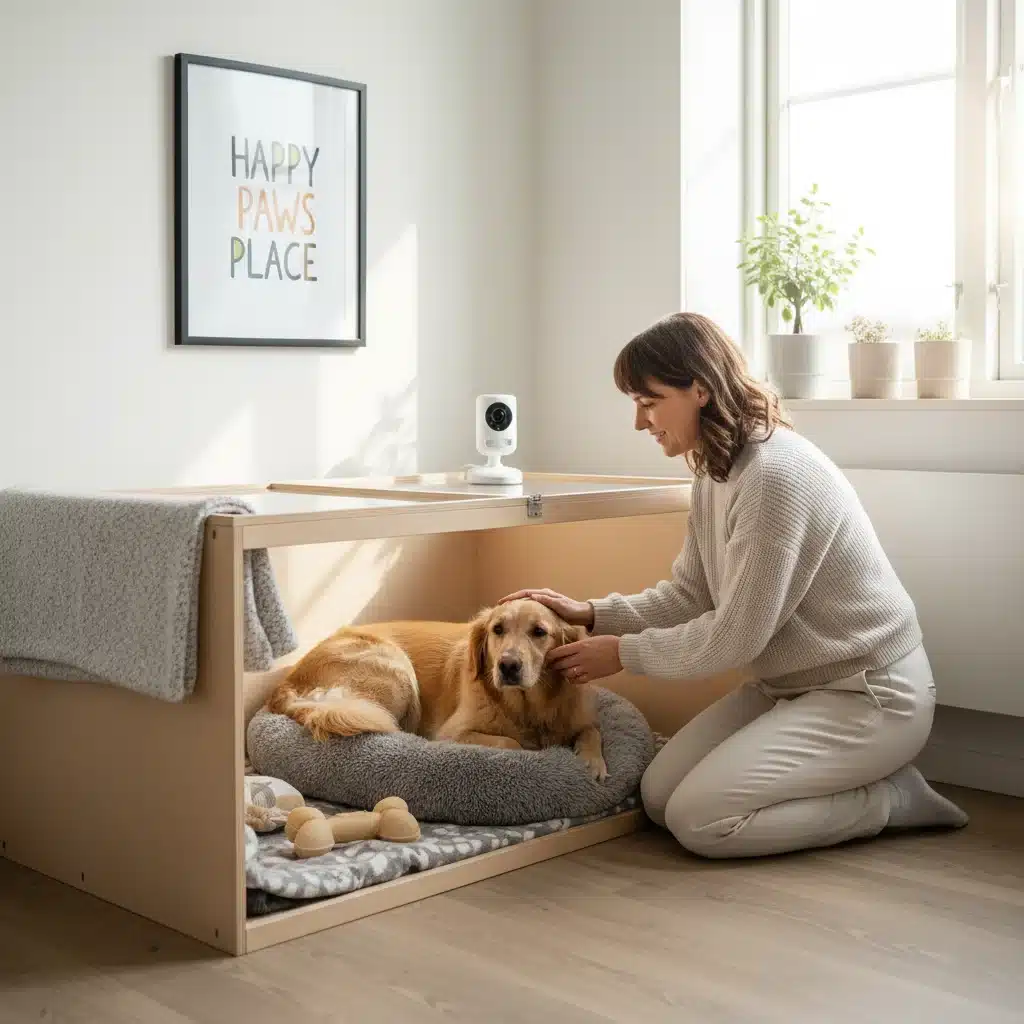
Create a comfortable, secure area where your dog can retreat when you’re gone. This could be a crate (if properly introduced and loved), a specific room, or a cozy corner. Equip this space with a comfortable bed, familiar toys, and perhaps an item of your clothing that carries your scent. The goal is for this area to be a positive, reassuring sanctuary, not a place of punishment. This ‘safe space’ becomes a crucial tool in managing dog separation anxiety.
Use Calming Aids
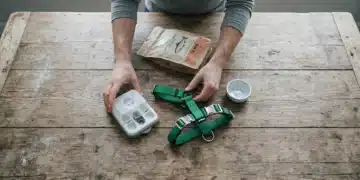
Various products can help create a calming atmosphere. DAP (Dog Appeasing Pheromone) diffusers or sprays can mimic the natural pheromones that mother dogs release to calm their puppies. Calming music or white noise machines can mask external sounds that might startle your dog. Some dogs also benefit from anxiety wraps, like a ThunderShirt, which provide gentle, constant pressure similar to swaddling a baby.
Minimize Departure Cues
Dogs are incredibly observant and learn to associate certain actions (picking up keys, putting on shoes, grabbing your bag) with your departure. To reduce anticipatory anxiety, try to desensitize your dog to these cues. Periodically perform these actions without actually leaving. Pick up your keys, walk to the door, then sit back down. This helps break the strong association between these cues and your absence, lessening the impact of dog separation anxiety triggers.
Strategy 2: Gradual Desensitization and Counter-Conditioning
This strategy is the cornerstone of treating dog separation anxiety. It involves slowly exposing your dog to increasing periods of alone time while associating that alone time with positive experiences. The goal is to change your dog’s emotional response from panic to calm.
Start Small: Short Absences
Begin by leaving your dog alone for very short durations – literally seconds. Step out the door, close it, and immediately return before your dog has a chance to become anxious. Gradually increase the time you’re gone, but only if your dog remains calm. If your dog shows any signs of anxiety, you’ve gone too far, too fast, and need to reduce the duration of your next absence.
Practice ‘Fake’ Departures
Just as you minimized departure cues, practice leaving and returning without making a big deal of it. Go through your routine, step out, wait a minute, then come back in as if nothing happened. The key is to make your departures and returns uneventful. This teaches your dog that your leaving is not a permanent state and that you will always come back. This repeated, calm exposure is crucial for managing dog separation anxiety.
Counter-Conditioning with High-Value Treats
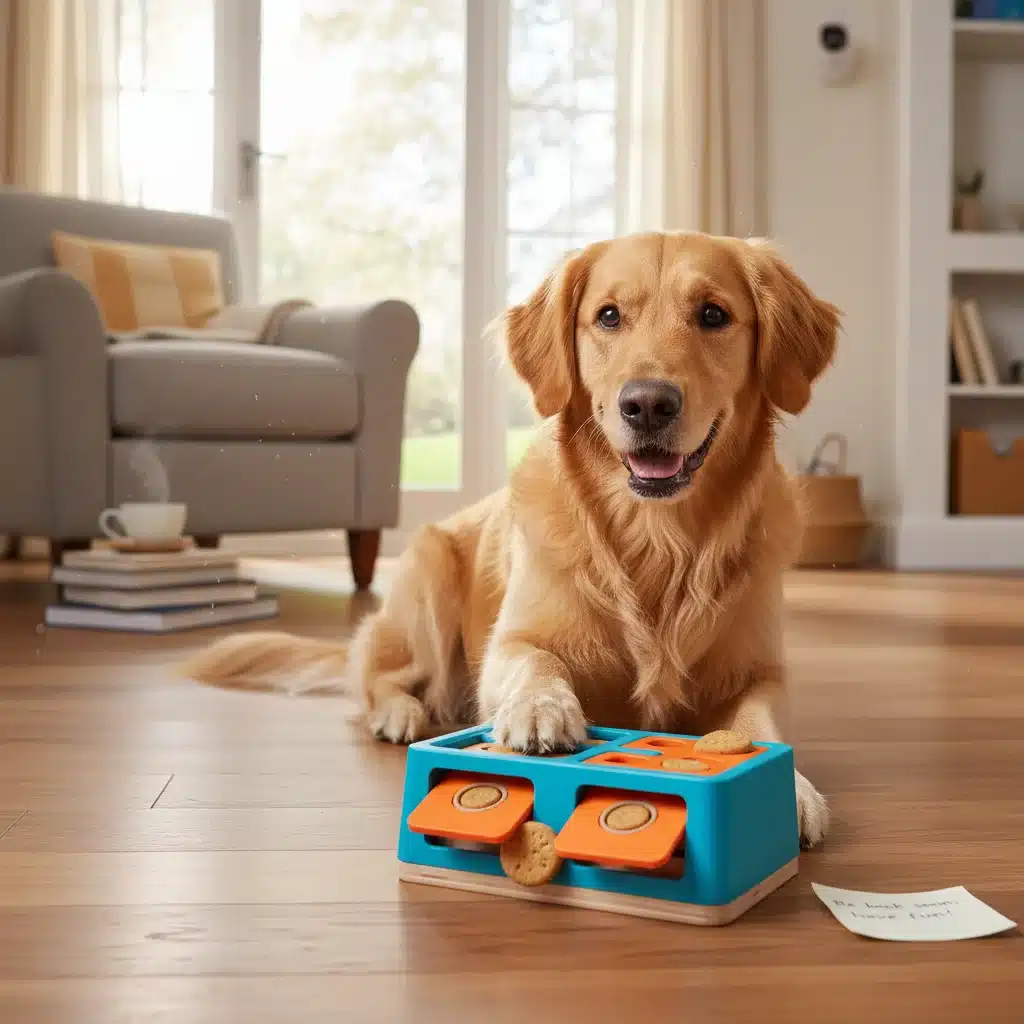
Associate your departure with something wonderful. Before you leave, give your dog a high-value, long-lasting treat or a puzzle toy filled with delicious goodies. This could be a Kong filled with peanut butter (ensure it’s xylitol-free!), frozen yogurt, or a chew toy. The idea is that your dog becomes so engrossed in this treat that they barely notice you leaving, or at least associate your departure with something positive. The treat should be given only when you leave and taken away when you return, making it a special ‘alone time’ reward.
Use a Pet Camera
A pet camera is an invaluable tool for monitoring your dog’s behavior while you’re away. It allows you to observe their reactions without being present, helping you determine if your desensitization efforts are working or if you need to adjust your approach. You can see when anxiety starts to set in and tailor your training accordingly. Many cameras also offer two-way audio, allowing you to speak to your dog, though this should be used cautiously as it can sometimes heighten anxiety if not used correctly.
Strategy 3: Boosting Physical and Mental Stimulation
A tired dog is often a good dog. Sufficient physical exercise and mental stimulation can dramatically reduce anxiety levels and help manage dog separation anxiety. For solo pet parents, this often means being creative with your time and resources.
Adequate Physical Exercise
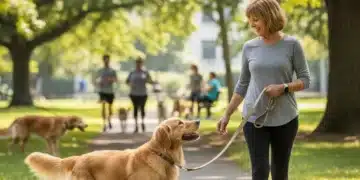
Ensure your dog gets plenty of exercise before you leave. A long walk, a vigorous game of fetch, or a run in the park can help burn off excess energy and promote a calm state. A dog that is physically tired is more likely to rest or sleep while you’re gone rather than pacing or engaging in destructive behaviors. Tailor the exercise to your dog’s breed and energy level.
Engaging Mental Stimulation
Mental exercise is just as important as physical exercise. Puzzle toys, snuffle mats, and interactive feeders challenge your dog’s brain and can keep them occupied for extended periods. Hide-and-seek games with treats around the house can also be mentally stimulating. Rotate these toys to keep things fresh and interesting. A mentally stimulated dog is less likely to become bored and anxious when left alone, directly addressing aspects of dog separation anxiety.
Enroll in Training Classes
Obedience classes or specialized dog sports (agility, nose work) can provide excellent mental and physical outlets. They also strengthen your bond with your dog and build their confidence. A confident dog is generally less prone to anxiety.
Consider Dog Walkers or Daycare
If your schedule as a solo pet parent makes it difficult to provide enough exercise or mental stimulation, consider hiring a reputable dog walker or enrolling your dog in a quality dog daycare a few days a week. This can break up their alone time, provide socialization, and ensure they get the activity they need.
Strategy 4: Modifying Your Departure and Arrival Routines
Your actions when leaving and returning can inadvertently contribute to or alleviate dog separation anxiety. Solo pet parents need to be particularly mindful of these interactions.
Keep Departures Low-Key
Avoid making a big fuss when you leave. Don’t engage in prolonged goodbyes, emotional speeches, or excessive petting. This can heighten your dog’s awareness of your impending absence and amplify their anxiety. Instead, be calm and matter-of-fact. Give them their special ‘departure treat’ or toy, and then simply leave.
Ignore Your Dog for a Few Minutes Upon Arrival
This might sound counterintuitive, but it’s a crucial step. When you return home, ignore your dog for the first few minutes (5-10 minutes, or until they are calm). Avoid eye contact, talking to them, or petting them. This prevents associating your arrival with an overly exciting, high-arousal event. Once they are calm, then you can offer a calm greeting. This teaches them that your return is not a cause for frantic celebration, which helps reduce the emotional rollercoaster associated with dog separation anxiety.
Practice Short, Frequent Absences
Rather than one long absence, try to incorporate several shorter absences throughout your day, if possible. This reinforces the idea that you always come back and normalizes your departures. Even stepping out for a quick errand can be a training opportunity.
Strategy 5: Nutritional Support and Supplements
While not a standalone cure, certain nutritional choices and supplements can play a supportive role in managing dog separation anxiety, especially when combined with behavioral modification techniques.
Balanced Diet
Ensure your dog is on a high-quality, balanced diet. Nutritional deficiencies can sometimes exacerbate anxiety. Consult your vet for recommendations on the best food for your dog’s specific needs.
Calming Supplements
Several over-the-counter supplements are designed to promote calmness in dogs. These often contain ingredients like:
- L-Theanine: An amino acid found in green tea, known for its calming effects without sedation.
- Tryptophan: A precursor to serotonin, a neurotransmitter associated with well-being and calmness.
- Chamomile or Valerian Root: Herbal remedies with mild sedative properties.
- CBD Oil: Gaining popularity for its potential anti-anxiety effects, though research is ongoing. Always choose a reputable brand and consult your vet before use.
Always consult your veterinarian before introducing any new supplements to your dog’s diet, especially if they are on medication or have underlying health conditions. Your vet can advise on appropriate dosages and potential interactions.
Strategy 6: When to Seek Professional Help
For solo pet parents dealing with severe dog separation anxiety, or if your efforts aren’t yielding significant results, professional intervention is highly recommended. There’s no shame in seeking expert guidance; in fact, it’s a sign of a responsible and caring pet owner.
Consult Your Veterinarian First
Your first step should always be a visit to your vet. They can rule out any underlying medical conditions that might be contributing to your dog’s anxiety or mimicking separation anxiety symptoms (e.g., incontinence due to a urinary tract infection). Your vet can also discuss prescription medications that might be appropriate for severe cases. These medications are not a cure but can help reduce anxiety to a level where behavioral modification becomes more effective.
Certified Professional Dog Trainer or Behaviorist
A certified professional dog trainer (CPDT) or a veterinary behaviorist (DACVB) specializes in addressing behavioral issues like dog separation anxiety. They can:
- Conduct a thorough assessment of your dog’s behavior and your home environment.
- Develop a customized training plan tailored to your dog’s specific needs and the severity of their anxiety.
- Provide hands-on guidance and support, teaching you the techniques to implement effectively.
- Help you identify subtle cues and adjust your approach as needed.
A good behaviorist can be a game-changer, especially for solo pet parents who might feel overwhelmed or unsure of how to proceed alone. They offer expertise and strategies that go beyond general advice.
Strategy 7: Patience, Consistency, and Self-Care for Solo Pet Parents
Dealing with dog separation anxiety is a marathon, not a sprint. It requires immense patience and unwavering consistency. As a solo pet parent, it’s also crucial to remember your own well-being.
Patience is Key
Behavioral change takes time. There will be good days and bad days. Don’t get discouraged by setbacks. Celebrate small victories and remind yourself that every step forward, no matter how small, is progress. Rome wasn’t built in a day, and neither is a dog’s confidence when left alone.
Consistency is Non-Negotiable
All family members (if any) and anyone who interacts with your dog must be on the same page regarding training protocols. For solo pet parents, this means being diligent in maintaining the routines, practicing the exercises, and responding consistently to your dog’s behavior. Inconsistency can confuse your dog and hinder progress in overcoming dog separation anxiety.
Manage Your Own Emotions
Your dog is highly attuned to your emotions. If you are anxious, stressed, or frustrated, your dog will pick up on that, potentially exacerbating their own anxiety. Try to remain calm and confident during your departure and arrival routines, even if you’re feeling stressed inside. Take deep breaths, and project a sense of calm reassurance to your dog.
Practice Self-Care
Managing a dog with separation anxiety can be emotionally and physically draining, especially for solo pet parents. Don’t forget to prioritize your own well-being. Seek support from friends, family, or online communities. Take breaks when you need them. A well-rested and less stressed you will be better equipped to help your dog.
Don’t Punish
Never punish your dog for symptoms of separation anxiety. Punishment will only increase their fear and anxiety, making the problem worse and potentially damaging your bond. Remember, these behaviors are not spiteful; they are expressions of panic and distress.
Long-Term Outlook for Dog Separation Anxiety
Successfully addressing dog separation anxiety is a journey, and for many solo pet parents, it’s an ongoing commitment. The goal isn’t necessarily to have a dog that never misses you, but rather one that can cope calmly and comfortably with your absence. With consistent application of these strategies, many dogs show significant improvement, leading to a much happier and healthier life for both pet and owner.
Continue to reinforce positive alone-time experiences. Regularly provide mental and physical stimulation. Be mindful of changes in routine and proactively work to ease your dog’s transition. Stay connected with your veterinarian or behaviorist for ongoing support and adjustments to your plan as needed.
The bond you share with your dog as a solo pet parent is incredibly special. By understanding, empathizing, and implementing these proven strategies, you can help your beloved companion overcome dog separation anxiety and enjoy a life filled with confidence, even when you’re not by their side. Here’s to a calmer, happier 2026 for you and your furry best friend!