Cat Enrichment Small Spaces: Boost Feline Happiness 40% by 2026
Cat Enrichment Small Spaces: Boost Feline Happiness 40% by 2026
Living in a small apartment or a compact home doesn’t mean your feline friend has to miss out on a rich, stimulating life. In fact, with a little creativity and understanding of their natural instincts, you can provide exceptional cat enrichment in small spaces, leading to a happier, healthier cat. Our goal by 2026 is to help cat owners boost their feline companion’s happiness by 40% through targeted daily activities, regardless of living area size. This comprehensive guide will delve into six essential daily activities designed to achieve just that.
Many cat owners worry that limited square footage translates to limited opportunities for their pets. However, cats, by nature, are incredibly adaptable creatures. Their ancestral behaviors – hunting, climbing, observing, and resting – can all be replicated and encouraged within even the coziest of homes. The key lies in strategic planning and consistent application of enrichment techniques. Let’s explore how to transform your small space into a feline paradise.
Understanding the Importance of Cat Enrichment in Small Spaces
Before diving into specific activities, it’s crucial to understand why cat enrichment in small spaces is so vital. Cats are natural predators, even if they spend their days napping on your couch. They possess an innate drive to hunt, explore, and interact with their environment. When these instincts are suppressed or ignored, it can lead to a range of behavioral issues, including:
- Boredom and Lethargy: A lack of stimulation can make cats listless and uninterested in play.
- Destructive Behavior: Cats might scratch furniture, chew on inappropriate items, or engage in excessive vocalization out of frustration.
- Anxiety and Stress: A monotonous environment can contribute to stress, manifesting as over-grooming, inappropriate urination, or aggression.
- Weight Gain: Reduced physical activity due to boredom can lead to obesity, a major health concern for cats.
- Inter-cat Aggression: In multi-cat households, lack of resources and enrichment can exacerbate tensions.
Conversely, a well-enriched environment promotes physical health, mental agility, and emotional well-being. It allows cats to express their natural behaviors in a safe and appropriate manner, fostering a stronger bond between pet and owner. Even in a small space, the possibilities for enrichment are vast, requiring only a shift in perspective and a commitment to your cat’s happiness.
Activity 1: Daily Interactive Play Sessions (The Hunter’s Delight)
One of the most effective ways to provide cat enrichment in small spaces is through consistent, interactive play. Cats are natural hunters, and play sessions mimic the hunt, providing both physical exercise and mental stimulation. Aim for at least two 10-15 minute sessions per day.
How to Implement:
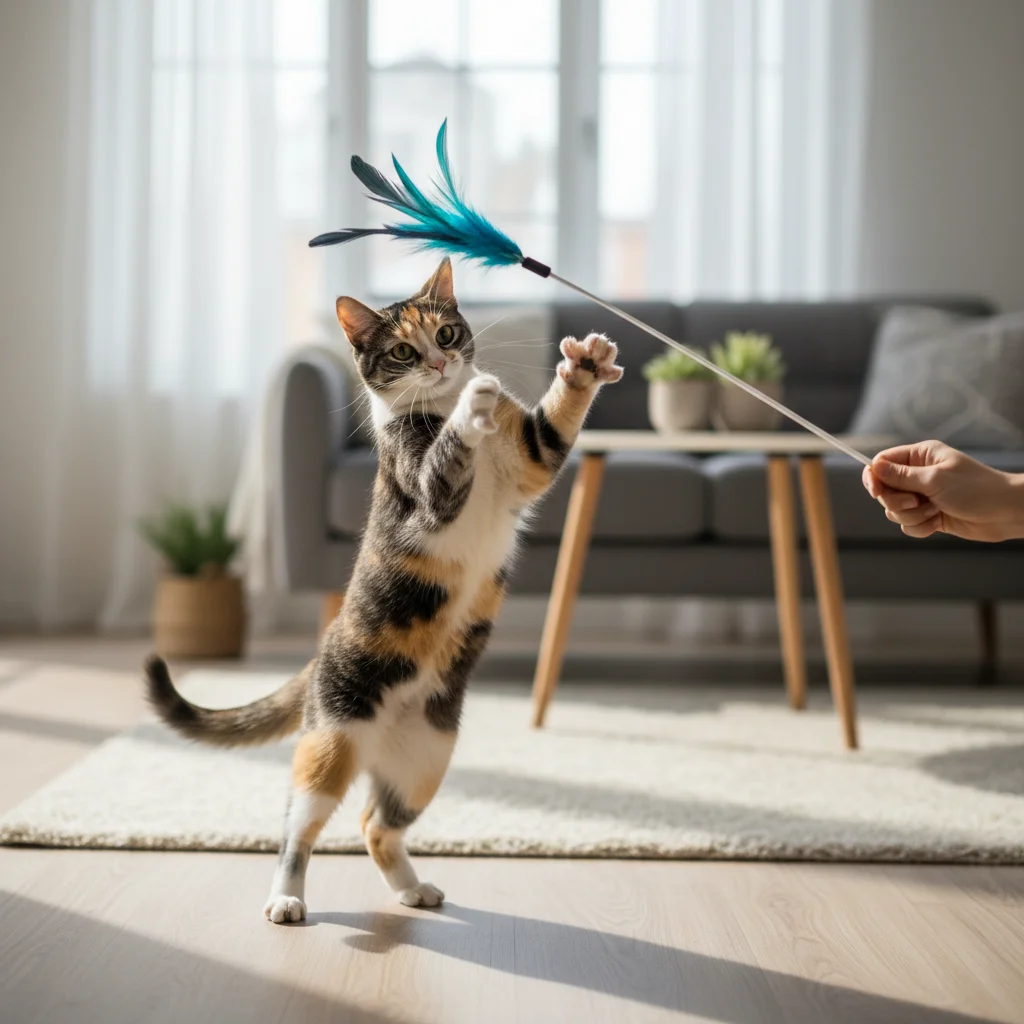
- Wand Toys are Your Best Friend: Feather wands, string toys, or fishing pole-style toys are excellent. They allow you to simulate prey movement – darting, hiding, pouncing – without putting your hands at risk.
- Mimic Prey Behavior: Don’t just wave the toy around. Make it move like a mouse or a bird. Let it hide behind furniture, scurry across the floor, and occasionally allow your cat to "catch" it. This builds confidence and satisfies their predatory drive.
- Rotate Toys: Cats can get bored with the same toy. Keep a variety and rotate them every few days to maintain interest.
- End with a "Kill": Always let your cat "catch" the toy at the end of the session. This provides a sense of accomplishment and concludes the hunt cycle.
- Consider Laser Pointers (with caution): While laser pointers can be stimulating, they don’t offer the satisfaction of a "kill." If you use them, always follow up with a physical toy that your cat can catch to prevent frustration.
Interactive play not only burns energy but also strengthens your bond with your cat. It’s a prime example of how simple, daily efforts contribute significantly to cat enrichment in small spaces.
Activity 2: Vertical Space Utilization (The Climber’s Paradise)
Small spaces often lack horizontal real estate, but they almost always have vertical space. Cats love to climb and perch, as it gives them a sense of security and a vantage point to observe their territory. Utilizing vertical space is paramount for effective cat enrichment in small spaces.
How to Implement:
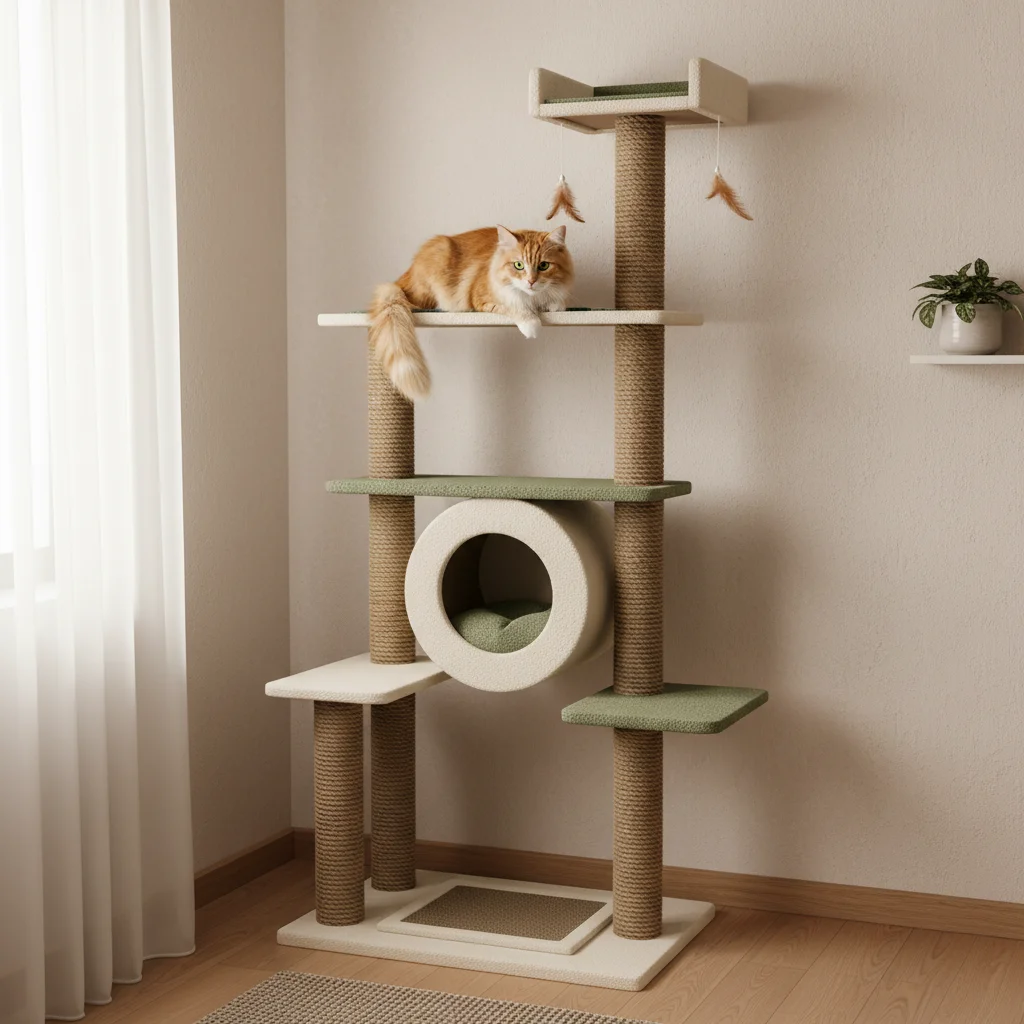
- Cat Trees and Condos: Invest in a multi-level cat tree. Look for ones that are tall and stable. Place them near windows or in central areas where your cat can watch household activities.
- Wall-Mounted Shelves and Perches: "Catification" is the term for creating a cat-friendly vertical landscape. Install sturdy wall shelves or perches, creating a pathway for your cat to explore different heights. Ensure they are secure and wide enough for your cat to comfortably sit or lie down.
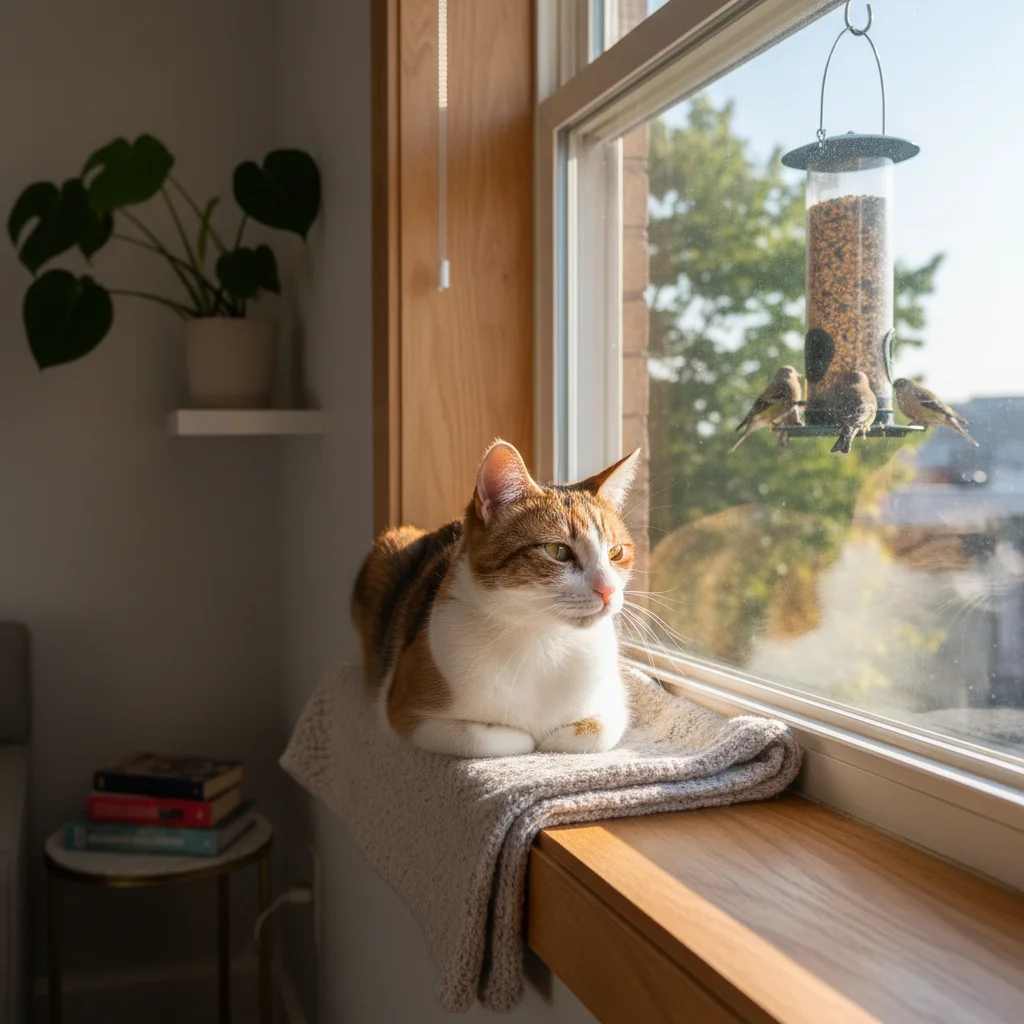
- Window Perches: A simple window perch can offer hours of entertainment, allowing your cat to watch birds, squirrels, and passersby. This provides crucial visual stimulation.
- Furniture as Climbing Opportunities: Encourage your cat to use existing furniture like bookshelves or the top of wardrobes (if safe and accessible) as part of their vertical territory.
By thinking vertically, you effectively expand your cat’s perceived territory, reducing boredom and providing crucial outlets for their natural climbing instincts. This is a cornerstone of successful cat enrichment in small spaces.
Activity 3: Puzzle Feeders and Food Dispensing Toys (The Forager’s Challenge)
In the wild, cats spend a significant portion of their day hunting for food. In our homes, food is often served in a bowl, requiring no effort. Puzzle feeders and food dispensing toys tap into their natural foraging instincts, providing mental stimulation and slowing down meal times. This is a brilliant strategy for cat enrichment in small spaces.
How to Implement:
- Start Simple: Begin with easy puzzle feeders where treats or kibble are readily accessible. As your cat gains confidence, introduce more complex designs.
- Variety is Key: There are many types of puzzle feeders – balls that dispense food as they roll, mazes that require paw manipulation, and interactive treat dispensers. Rotate them to keep your cat engaged.
- Use Dry Kibble or Healthy Treats: Utilize your cat’s regular dry food portion or small, healthy treats to prevent overfeeding.
- Hide and Seek Food: Beyond dedicated puzzle feeders, you can hide small portions of kibble around your small space – on shelves, under blankets, or in paper bags (ensure they are safe and non-toxic). This encourages exploration and problem-solving.
Puzzle feeders are a fantastic way to engage your cat’s mind and body, turning mealtime into an enriching activity. They are particularly effective for cat enrichment in small spaces as they don’t require much physical room.
Activity 4: Create "Safe Zones" and Hiding Spots (The Secure Retreat)
Even the most confident cats need places to retreat, observe, and feel secure. In a small space, it’s vital to intentionally create these safe zones. This contributes significantly to their overall well-being and is a crucial aspect of cat enrichment in small spaces.
How to Implement:
- Cozy Beds and Enclosures: Provide soft, comfortable beds in quiet corners. Enclosed beds, cat caves, or even cardboard boxes can offer a sense of security.
- High Perches: As mentioned in vertical space utilization, high perches serve as excellent safe zones, allowing cats to feel dominant and secure from potential threats (even if those threats are just noisy children or vacuum cleaners).
- Under Furniture Access: Ensure your cat has easy access to hide under beds, sofas, or other furniture if they choose.
- Consider a "Catio" or Screened Window: If possible, a small outdoor enclosure (catio) or a securely screened window can provide fresh air and outdoor stimulation without the dangers of free-roaming. Even a simple open window with a secure screen offers sensory enrichment.
Having designated safe spaces reduces stress and anxiety, making your cat feel more comfortable and content in their small home. This passive form of cat enrichment in small spaces is often overlooked but profoundly impactful.
Activity 5: Scent Enrichment (The Olfactory Adventure)
Cats rely heavily on their sense of smell to interpret the world. Providing scent enrichment can be incredibly stimulating, especially for indoor cats in small spaces where new odors might be limited. This is a subtle yet powerful form of cat enrichment in small spaces.
How to Implement:
- Catnip and Silvervine: Offer catnip-filled toys or sprinkle fresh catnip (or silvervine, which affects some cats more strongly than catnip) on a scratching post or bed. Observe your cat’s reaction – not all cats respond to catnip.
- Natural Scents: Bring in natural elements from outside (ensure they are non-toxic and pest-free). A fresh branch, a leaf, or even a small pinecone can provide interesting new smells.
- Familiar Scents: Rotate bedding or blankets with your scent or the scent of other friendly pets to provide comfort and familiarity.
- Safe "Outdoor" Scents: If you have a secure balcony or patio, allow your cat supervised access to experience new scents and sounds. Even bringing in a small amount of fresh soil (from a safe, pesticide-free source) for them to sniff can be enriching.
Scent enrichment engages a primary feline sense, adding a layer of complexity and interest to their daily lives without requiring significant physical space. It’s a thoughtful approach to cat enrichment in small spaces.
Activity 6: Provide Scratching Opportunities (The Essential Instinct)
Scratching is a natural, instinctual behavior for cats. It helps them maintain their claws, stretch their muscles, and mark their territory visually and with scent glands in their paws. Providing adequate scratching opportunities is non-negotiable for cat enrichment in small spaces and for protecting your furniture.
How to Implement:
- Variety of Scratching Surfaces: Offer both vertical and horizontal scratching options. Cats have preferences, so provide sisal, cardboard, carpet, and wood.
- Strategic Placement: Place scratchers in prominent areas where your cat likes to stretch or where they might be tempted to scratch furniture. Near their sleeping areas, entryways, and favorite resting spots are ideal.
- Sturdy and Tall Scratchers: Vertical scratchers should be tall enough for your cat to fully stretch out. Ensure all scratchers are stable and won’t tip over, which could deter your cat from using them.
- Refresh Cardboard Scratchers: Cardboard scratchers are popular but wear out. Replace them regularly to keep them appealing.
By catering to their innate need to scratch, you not only save your sofa but also provide a crucial outlet for physical and behavioral expression. This is a fundamental component of effective cat enrichment in small spaces.
Integrating Enrichment into Your Daily Routine for Maximum Impact
Achieving a 40% boost in feline happiness by 2026 isn’t about making drastic changes overnight, but rather about consistent, thoughtful integration of these activities into your daily life. Here’s how to make it work:
- Consistency is Key: Daily interactive play, regular access to vertical spaces, and consistent puzzle feeding will yield the best results.
- Observe Your Cat: Pay attention to what your cat enjoys most. Some prefer climbing, others love chasing. Tailor the enrichment to their individual personality.
- Rotate and Refresh: Keep toys, scratchers, and even the arrangement of furniture fresh to maintain interest.
- Be Patient: It might take time for your cat to adjust to new enrichment items or routines. Don’t get discouraged if they don’t immediately take to a new toy or puzzle.
- Safety First: Always ensure all enrichment items are safe, non-toxic, and securely installed.
Remember, your presence and interaction are perhaps the most significant forms of cat enrichment in small spaces. Even a few minutes of petting, talking, or gentle grooming can make a world of difference to your cat’s emotional well-being.
Beyond the 6 Activities: Continuous Improvement
While the six daily activities outlined provide a strong foundation for cat enrichment in small spaces, the journey to a happier cat is continuous. Consider these additional tips for ongoing improvement:
- Training and Clicker Training: Cats are intelligent and can be trained to perform tricks or respond to commands. This provides immense mental stimulation and strengthens your bond.
- Leash Training: For some cats, supervised outdoor excursions on a leash can offer unparalleled sensory enrichment, even if it’s just a walk around a quiet garden.
- Cat TV: Videos designed for cats (featuring birds, squirrels, or fish) can provide visual and auditory stimulation. Use them in moderation to avoid overstimulation.
- Feliway Diffusers: If your cat is particularly stressed or anxious, pheromone diffusers can help create a calmer environment.
- Regular Vet Check-ups: A healthy cat is a happy cat. Regular veterinary care ensures any underlying health issues are addressed, which can impact behavior and overall well-being.
By embracing these strategies, you’re not just providing for your cat’s basic needs; you’re actively enhancing their quality of life. The goal of boosting feline happiness by 40% by 2026 is ambitious but entirely achievable with dedication to comprehensive cat enrichment in small spaces.
Conclusion: A Thriving Cat, Regardless of Space
The notion that cats require vast expanses to be happy is a myth. With thoughtful planning and consistent effort, you can provide exceptional cat enrichment in small spaces, ensuring your feline companion lives a full, stimulated, and joyful life. By implementing daily interactive play, utilizing vertical space, offering puzzle feeders, creating safe zones, providing scent enrichment, and ensuring ample scratching opportunities, you are investing in your cat’s physical and mental health.
Remember, a happy cat leads to a happy owner. The bond you share with your feline friend will deepen as you actively engage with their natural instincts and provide an environment that caters to their unique needs. Start implementing these six daily activities today, and watch your cat’s happiness soar, well on its way to that 40% boost by 2026. Your small home can indeed be a haven of endless discovery and contentment for your beloved cat.