Pet Emergency Preparedness: Hurricane Season 2026 Checklist
Pet Emergency Preparedness: Hurricane Season 2026 Checklist for U.S. Pet Owners
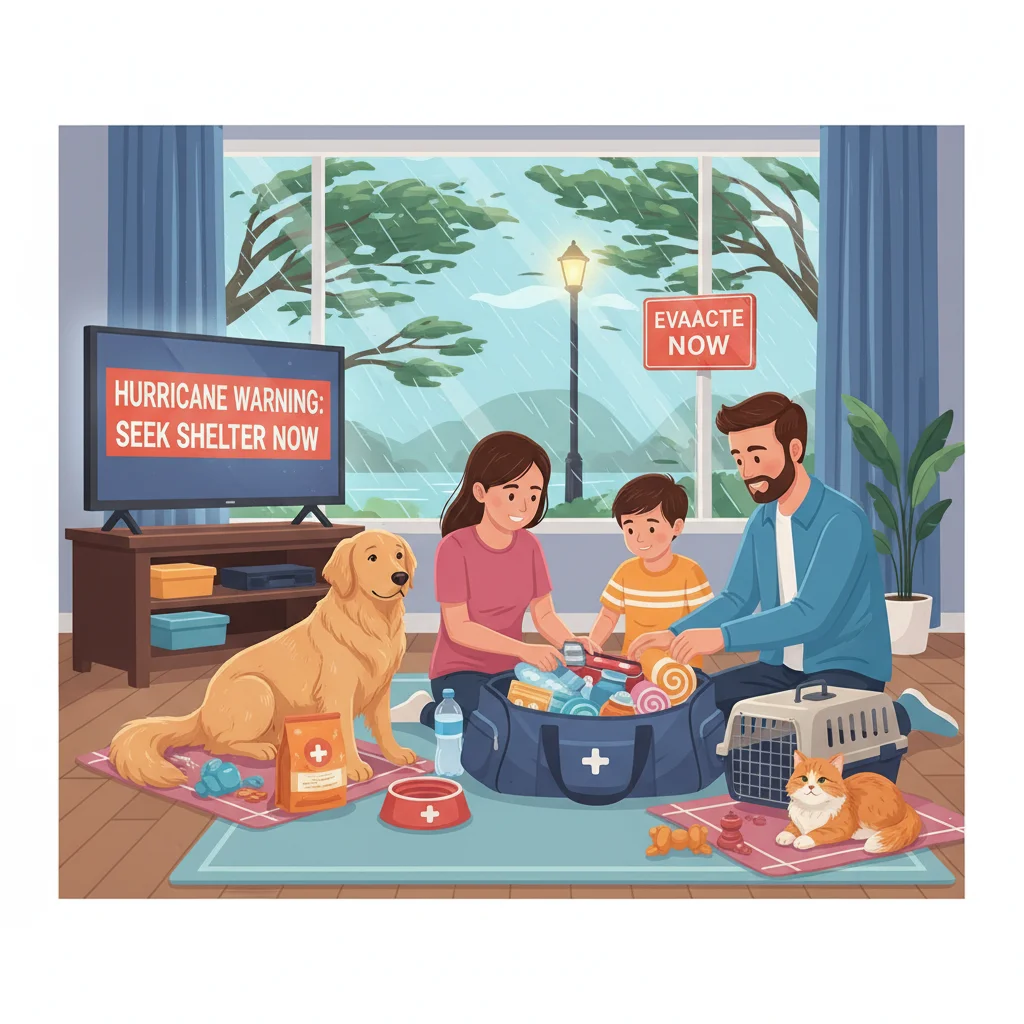
As the 2026 hurricane season approaches, the importance of comprehensive pet hurricane preparedness cannot be overstated. For pet owners across the United States, especially in coastal and hurricane-prone regions, understanding how to safeguard your beloved animals during a natural disaster is not just a recommendation—it’s a critical responsibility. This detailed guide will walk you through every aspect of preparing for pet emergencies, ensuring you have all the essential gear and knowledge to protect your furry, feathered, or scaled companions.
The unpredictable nature of hurricanes means that advanced planning is the only reliable defense. Waiting until a storm is imminent can lead to panic, shortages, and missed opportunities to secure your pets’ safety. From evacuation strategies to emergency kits, every detail matters when it comes to effective pet hurricane preparedness. This article aims to provide a definitive checklist, empowering you to face any storm with confidence, knowing your pets are as ready as you are.
Understanding the Threat: Why Pet Hurricane Preparedness is Crucial
Hurricane season in the U.S. typically runs from June 1st to November 30th, but the impact of these powerful storms can extend beyond these dates. The devastation caused by hurricanes—including severe flooding, high winds, power outages, and infrastructure damage—poses unique challenges for pet owners. Many emergency shelters cannot accept pets, and in the chaos of an evacuation, pets can easily become separated from their families. This is why a robust plan for pet hurricane preparedness is absolutely vital.
Consider the lessons learned from past hurricane seasons. Time and again, stories emerge of pets left behind, rescued from dangerous situations, or reunited with their owners weeks or months after a storm. While these stories often highlight the incredible resilience of animals and the dedication of rescue workers, they also underscore the preventable tragedies that can occur without proper planning. Your proactive steps today can mean the difference between life and death for your pet tomorrow.
Moreover, the emotional toll of a natural disaster is immense, and having your pet by your side can provide much-needed comfort and stability. However, this is only possible if you have a clear plan for their safety. The goal of this guide is to equip you with the knowledge and resources to make informed decisions, ensuring your entire family, including its four-legged members, is prepared for whatever the 2026 hurricane season may bring.
The Core Components of a Pet Emergency Plan
A comprehensive pet hurricane preparedness plan involves several key components, each playing a crucial role in ensuring your pet’s safety. These include: developing an evacuation strategy, assembling an emergency kit, identifying pet-friendly accommodations, and ensuring your pet’s identification is up-to-date. Neglecting any one of these areas can compromise the effectiveness of your overall plan.
It’s important to remember that every pet is unique, and your plan should be tailored to their specific needs. Factors such as size, breed, age, health conditions, and temperament should all be taken into account. For instance, a small cat will have different transportation needs than a large dog, and a pet with chronic medical conditions will require specific medications and veterinary records.
Regularly reviewing and updating your plan is also essential. Emergency contacts, vaccination records, and even your pet’s food preferences can change over time. By dedicating a small amount of time each year to reassess and refine your pet hurricane preparedness strategy, you can ensure it remains current and effective.
Essential Gear: Building Your Pet Emergency Kit for 2026
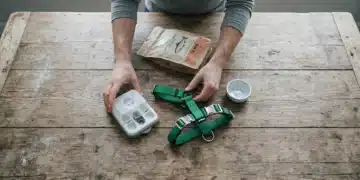
The cornerstone of any effective pet hurricane preparedness strategy is a well-stocked emergency kit. This kit should be easily accessible, portable, and contain enough supplies to sustain your pet for at least 5-7 days. Think of it as your pet’s ‘go-bag,’ ready to grab at a moment’s notice. Here’s a detailed breakdown of what to include:
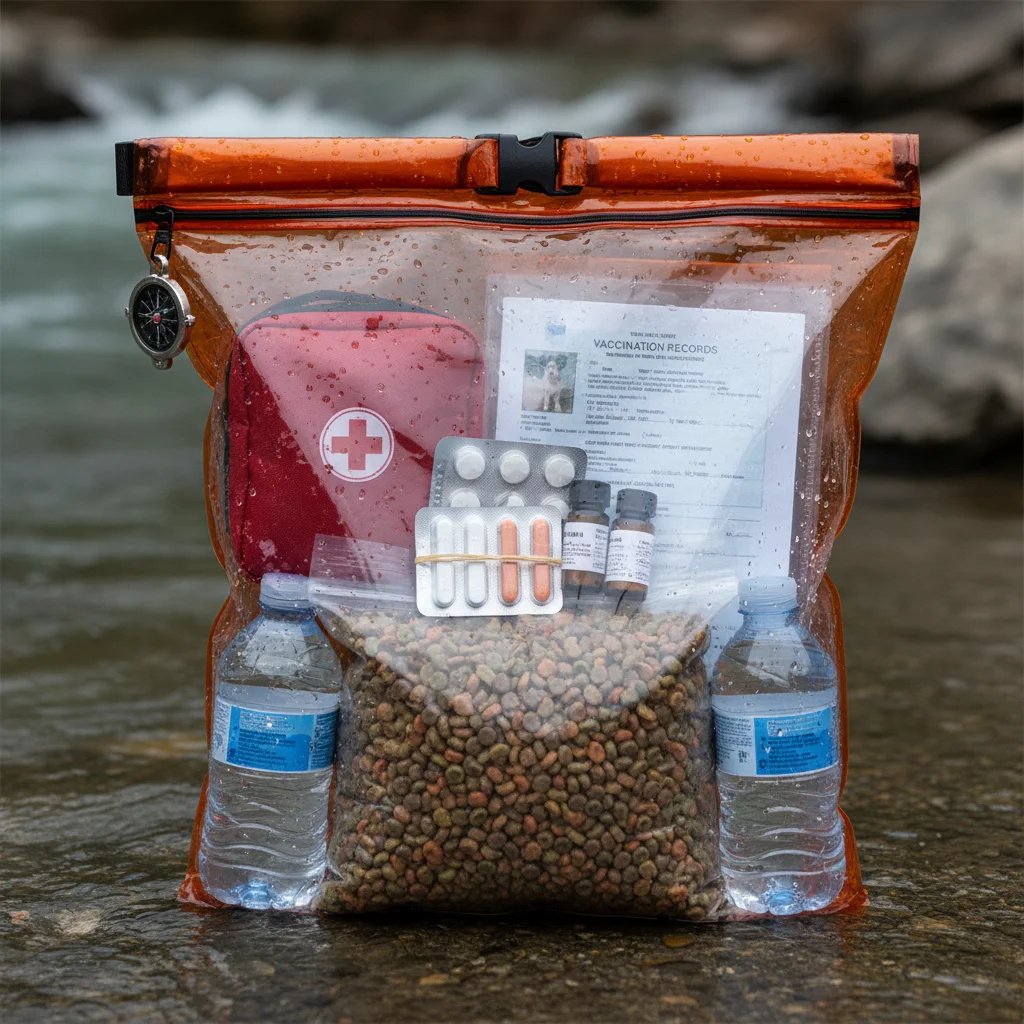
- Food and Water: Store at least a week’s supply of your pet’s regular food in airtight, waterproof containers. Don’t forget a manual can opener if needed. Provide a week’s supply of fresh water, specifically for your pet, or a portable water filter. Collapsible bowls are also a practical addition.
- Medications and Medical Records: If your pet is on medication, have a sufficient supply (at least two weeks’ worth) along with a copy of the prescription and dosage instructions. Include copies of vaccination records, medical history, and contact information for your veterinarian. A waterproof bag is ideal for these documents.
- First-Aid Kit: A pet-specific first-aid kit should include antiseptic wipes, gauze, adhesive tape, scissors, tweezers, a pet-safe antiseptic solution, and any specific items recommended by your vet. Knowing basic pet first aid can be invaluable during an emergency.
- Identification: Ensure your pet wears a collar with up-to-date ID tags, including your name, phone number, and address. Microchipping your pet is also highly recommended, as it provides a permanent form of identification. Keep a current photo of your pet with you, as well as a picture of you with your pet, to prove ownership if separated.
- Leash, Harness, and Carrier: Every pet should have a sturdy leash and harness. For cats and small animals, a secure, comfortable carrier is essential. Ensure the carrier is large enough for your pet to stand and turn around comfortably. Label carriers clearly with your pet’s name and your contact information.
- Comfort Items: Familiar items can help reduce stress for your pet. Include a favorite toy, blanket, or bed. These items can provide a sense of security in an unfamiliar environment.
- Sanitation Supplies: Include litter and a small litter box for cats, puppy pads for dogs, and plastic bags for waste disposal. These are crucial for maintaining hygiene, especially in temporary shelters or during travel.
- Current Photos: Keep recent photos of your pets, including one of you with your pets, to help prove ownership and aid in identification if you get separated.
- Emergency Contacts: A list of emergency contacts, including your vet, local animal shelters, pet-friendly hotels, and out-of-state friends or family members who could assist.
Periodically check and refresh the contents of your kit, especially perishable items like food and water, to ensure everything is current and usable. A well-maintained kit is a testament to thorough pet hurricane preparedness.
Evacuation Strategies: Planning Your Pet’s Safe Passage
One of the most critical aspects of pet hurricane preparedness is having a solid evacuation plan. This plan should address where you will go, how you will get there, and what provisions you will need for your pet along the way. Do not assume that emergency shelters will accept pets; many do not due to health and safety regulations.
Identifying Pet-Friendly Accommodations
- Out-of-State Relatives or Friends: Contact family or friends outside your immediate area to see if they would be willing to shelter you and your pets during an evacuation. Confirm their willingness and make arrangements in advance.
- Pet-Friendly Hotels: Research and identify hotels or motels in safer areas that accept pets. Keep a list of their contact information and pet policies (e.g., size restrictions, fees). Many hotel chains have specific pet policies, so it’s wise to check their corporate websites.
- Designated Pet Shelters: Some communities have emergency shelters that are specifically designed to accommodate pets, often co-located with human shelters or as separate facilities. Check with your local emergency management agency, animal control, or humane society for information on these facilities in your area. Be aware that these shelters often require proof of vaccination and may have capacity limits.
- Boarding Facilities: As a last resort, consider pre-booking a spot at a reputable boarding kennel or veterinary clinic in a safe zone. However, these facilities fill up quickly during emergencies, so early reservations are crucial.
Transportation Logistics
How will you transport your pet during an evacuation? For most pets, a secure carrier is essential. Ensure your pet is comfortable in their carrier before an emergency arises. Practice short trips in the carrier to reduce stress. For larger dogs, a sturdy harness and leash, along with a designated space in your vehicle, are necessary. Never leave pets unrestrained in a moving vehicle during an emergency.
If you do not own a car, arrange for transportation with a friend, family member, or a local service that assists with emergency pet transport. Public transportation options are typically very limited for pets during evacuations, so having a private vehicle plan is paramount for effective pet hurricane preparedness.
Practicing Your Evacuation Plan
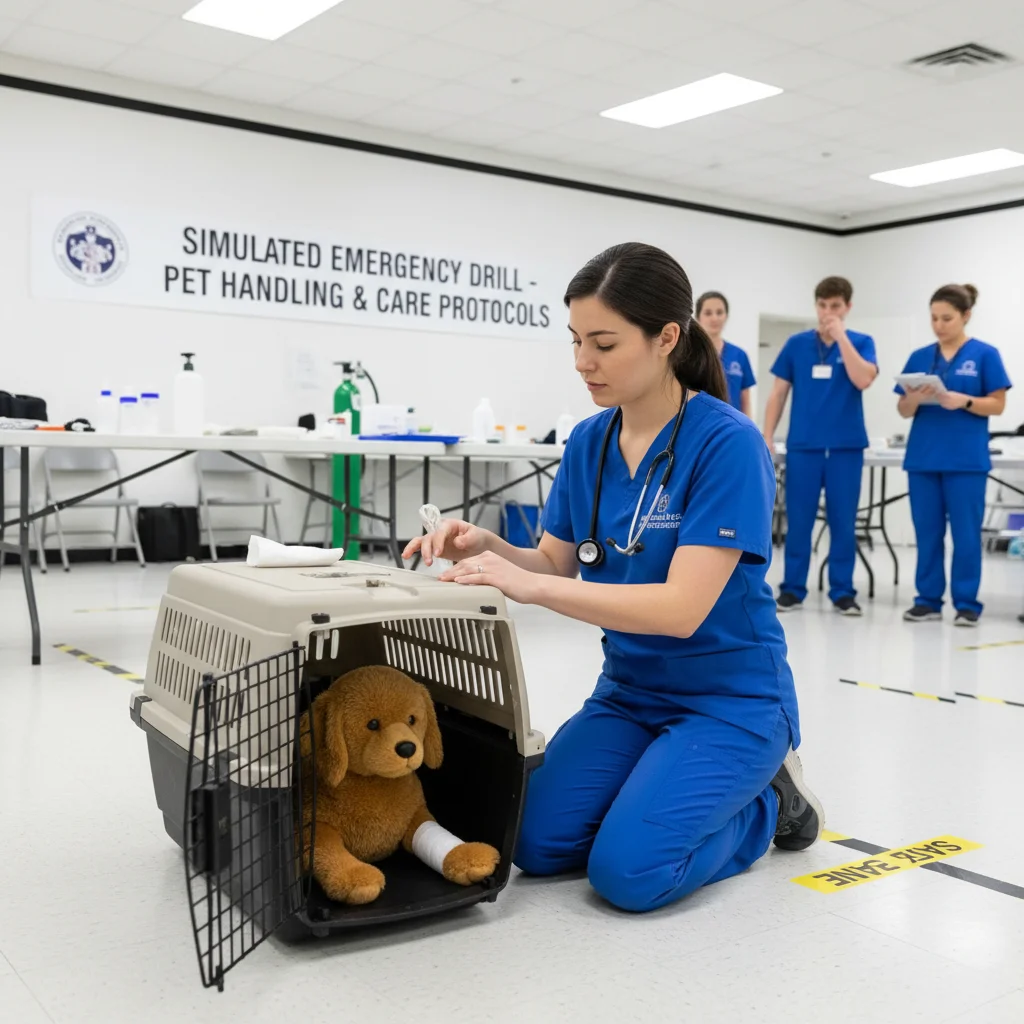
Just as you would practice a fire drill, it’s beneficial to practice your pet evacuation plan. This could involve packing your pet’s emergency kit, getting them into their carrier, and taking a short drive. This practice run can help identify any unforeseen challenges and allow you to refine your plan, making the actual evacuation smoother and less stressful for everyone involved.
Before the Storm: Proactive Steps for Pet Safety
Beyond the emergency kit and evacuation plan, several proactive measures can significantly enhance your pet hurricane preparedness. These steps should be taken well in advance of hurricane season to ensure maximum effectiveness.
Update Vaccinations and Preventative Care
Ensure all your pet’s vaccinations are current, especially rabies, distemper, and kennel cough. Many shelters and boarding facilities require proof of up-to-date vaccinations. Discuss flea, tick, and heartworm prevention with your veterinarian, as these parasites can be more prevalent in crowded or unsanitary conditions during an emergency.
Microchipping and Registration
Microchipping is one of the most reliable forms of pet identification. If your pet gets separated from you, a microchip can greatly increase the chances of a reunion. Make sure your contact information associated with the microchip is current and accurate. Register your pet’s microchip with a national database and keep the registration details readily available in your emergency kit.
Pet-Proofing Your Home
Before a storm hits, take steps to secure your home. Bring outdoor pets inside. Secure loose objects in your yard that could become projectiles. Identify a safe, interior room where your pet can stay during the storm if you are not evacuating. This room should be away from windows and doors and have easy access to their emergency kit.
Familiarize Your Pet with Carriers and Travel
If your pet is not accustomed to a carrier or car travel, start familiarizing them well in advance. Positive reinforcement, treats, and short, pleasant trips can help your pet associate these experiences with comfort rather than stress. This preparation is a crucial part of effective pet hurricane preparedness, reducing anxiety when it matters most.
Identify a Pet Emergency Contact
Designate an out-of-area friend or family member as an emergency contact who knows your pet’s routine, feeding schedule, and medical needs. Provide them with a spare key to your home and permission to care for your pets if you are unable to return. This is particularly important if you are away from home when an emergency strikes.
During the Hurricane: Staying Safe with Your Pets
Once a hurricane warning is issued, it’s time to put your pet hurricane preparedness plan into action. The decisions you make during this critical period can directly impact your pet’s safety and well-being.
Follow Evacuation Orders
If local authorities issue an evacuation order, do not hesitate to leave. Your pet’s safety, and your own, depends on it. Attempting to ride out a severe storm, especially with pets, can put everyone at extreme risk. Remember, the purpose of all your preparedness efforts is to enable a safe and timely evacuation.
Keep Pets Secure and Calm
Whether you are evacuating or sheltering in place, keep your pets in their carriers or on a leash at all times. The noise, wind, and unfamiliar surroundings of a hurricane can be terrifying for animals, increasing their risk of escape or injury. Provide comfort items and speak to them calmly. If possible, try to maintain some semblance of their routine to reduce stress.
Monitor Weather Updates
Stay informed about the storm’s progression through reliable sources like NOAA Weather Radio, local news, and emergency alerts. This information will help you make timely decisions and adjust your plans if necessary. Ensure your emergency kit includes a battery-powered or hand-crank radio.
Do Not Leave Pets Behind
Under no circumstances should you leave your pets behind. If it’s not safe for you, it’s not safe for them. This is the fundamental principle of pet hurricane preparedness. While it may be challenging, making arrangements for your pet’s safety during an evacuation is a non-negotiable part of responsible pet ownership.
After the Storm: Rebuilding and Recovery with Your Pets
The aftermath of a hurricane can be just as challenging as the storm itself. Your pet hurricane preparedness efforts extend to the recovery phase, ensuring a safe return home and ongoing well-being for your animals.
Returning Home Safely
Do not return home until authorities declare it safe to do so. The environment may still be dangerous, with downed power lines, damaged structures, and contaminated water. When you do return, survey your property for hazards before allowing your pets to roam freely. Familiar landmarks may be gone, and pets can easily become disoriented.
Beware of Hazards
Be vigilant about potential hazards such as broken glass, sharp debris, chemical spills, and displaced wildlife. Keep your pets on a leash and supervise them closely, especially during the initial days after returning. Contaminated water sources can also pose a risk, so ensure your pet only drinks clean, safe water.
Monitor Your Pet’s Health and Behavior
The stress of a hurricane can manifest in various ways in pets, including changes in appetite, increased anxiety, or unusual behavior. Monitor your pet closely for any signs of illness or injury. If you have concerns, contact your veterinarian immediately. Be patient and understanding with your pet as they readjust to their environment.
Update Identification and Records
Even after the storm, it’s a good practice to double-check your pet’s identification tags and microchip information. If any contact details have changed due to relocation or other circumstances, update them promptly. Replenish any items used from your emergency kit, ensuring you are ready for future events.
Seek Support if Needed
The emotional impact of a disaster can be overwhelming for both humans and pets. If you or your pet are struggling, do not hesitate to seek support. Many organizations offer resources for disaster recovery, including pet-specific aid. Maintaining strong pet hurricane preparedness also means being prepared for the emotional and psychological aftermath.
Special Considerations for Different Pets
While the core principles of pet hurricane preparedness apply to all animals, some pets have unique needs:
- Birds: Secure cages, provide extra food and water, and cover cages to reduce stress. Ensure they have perches and toys.
- Small Mammals (Hamsters, Guinea Pigs, Rabbits): Transport in their regular cage if possible, or a secure carrier with bedding, food, and water. Keep them warm and away from drafts.
- Reptiles and Amphibians: These animals require specific temperature and humidity levels. Discuss emergency care with your veterinarian in advance. Transport in secure containers with appropriate substrate.
- Fish: For small tanks, consider battery-operated air pumps. For larger aquariums, a plan for temporary housing in smaller containers with proper filtration and temperature control is needed.
- Livestock and Horses: Develop a separate emergency plan for larger animals, including identification (microchips, brands), safe shelter, and at least a week’s supply of feed and water. Know evacuation routes for large animals.
Tailoring your pet hurricane preparedness plan to the specific species and individual needs of your animals will significantly improve their chances of safety and well-being during and after a hurricane.
Conclusion: A Proactive Approach to Pet Safety in 2026
The 2026 hurricane season serves as a powerful reminder of the importance of proactive pet hurricane preparedness. By taking the time now to develop a comprehensive emergency plan, assemble a well-stocked kit, and familiarize yourself with evacuation procedures, you are not just preparing for a storm—you are investing in the safety and peace of mind for your entire family, including your cherished animal companions.
Remember, preparedness is an ongoing process. Regularly review your plan, update your supplies, and stay informed about local emergency protocols. Your diligence today can make all the difference when disaster strikes. Let this checklist be your guide to ensuring your pets are safe, secure, and by your side, no matter what challenges the hurricane season may bring.
Stay safe, stay prepared, and protect your pets. Their lives depend on it.