
The 3-Month Challenge: Optimizing Your Senior Dog’s Diet for Improved Mobility and Vitality in 2026 (PRACTICAL SOLUTIONS)
As our beloved canine companions age, their needs evolve significantly. Just like humans, senior dogs often face challenges such as decreased mobility, reduced energy levels, cognitive decline, and a higher susceptibility to various health issues. While we can’t stop the march of time, we can certainly make their golden years as comfortable, active, and joyful as possible. One of the most impactful ways to achieve this is by meticulously optimizing their senior dog diet. This article will guide you through a comprehensive 3-month challenge, providing practical, actionable solutions to enhance your senior dog’s mobility and vitality in 2026 and beyond.
The journey of a senior dog is a testament to the unconditional love and companionship they offer. From playful puppyhood to the dignified wisdom of their later years, every stage is precious. However, the transition into seniority often brings a unique set of dietary requirements that, if met correctly, can dramatically improve their quality of life. This isn’t just about feeding them less or more; it’s about feeding them smarter. It’s about providing the right balance of nutrients to support their aging bodies, bolster their immune systems, and keep their minds sharp. Our 3-month challenge is designed to be a structured yet flexible roadmap, allowing you to observe and adapt to your dog’s individual responses.
Understanding the Unique Nutritional Needs of a Senior Dog
Before we embark on our 3-month challenge, it’s crucial to understand why a senior dog diet differs from that of a younger dog. As dogs age, their metabolism slows down, their muscle mass tends to decrease, and their activity levels often decline. This combination can lead to weight gain if their caloric intake isn’t adjusted. Furthermore, their digestive systems might become less efficient, and their bodies may struggle to absorb nutrients as effectively. Joint health, cognitive function, and immune system strength become paramount concerns.
Key Nutritional Considerations for Senior Dogs:
- Reduced Caloric Intake: Due to decreased activity and a slower metabolism, senior dogs typically require fewer calories to maintain a healthy weight. Excess calories can lead to obesity, which exacerbates joint problems and other health issues.
- Higher Quality Protein: While overall protein needs might slightly decrease, the quality of protein becomes even more critical. Highly digestible, lean protein sources are essential to help maintain muscle mass without overworking the kidneys. Sources like chicken, turkey, fish, and eggs are excellent.
- Joint Support Nutrients: Glucosamine, chondroitin, and Omega-3 fatty acids (EPA and DHA) are vital for joint health. These can help reduce inflammation, support cartilage, and improve mobility. Many senior dog foods are fortified with these, but supplements can also be beneficial.
- Fiber for Digestive Health: Senior dogs can be prone to constipation. Adequate fiber helps promote healthy digestion and regular bowel movements. Sources include pumpkin, sweet potatoes, and certain grains.
- Antioxidants: Vitamins E and C, along with other antioxidants, help combat oxidative stress and support the immune system, which can weaken with age. They also play a role in cognitive function.
- Hydration: Senior dogs may drink less water or have conditions that increase their need for hydration. Wet food or adding water to kibble can help ensure they stay adequately hydrated.
- Dental Health: Dental issues are common in older dogs. While diet alone can’t solve severe dental problems, some senior dog foods are designed to help clean teeth or are softer for dogs with sensitive mouths.
The 3-Month Senior Dog Diet Challenge: A Step-by-Step Guide
This challenge is structured into three distinct phases, each building upon the last. Remember, consistency and careful observation are key to success. Always consult your veterinarian before making significant changes to your dog’s diet, especially if they have underlying health conditions.
Month 1: Assessment and Gradual Transition
Phase 1: Baseline Assessment (Week 1-2)
The first step in optimizing your senior dog diet is to understand where you’re starting from. This involves a thorough assessment of their current health, weight, and existing diet.
- Veterinary Check-up: Schedule a complete physical examination with your vet. Discuss your dog’s current weight, any mobility issues, changes in appetite, cognitive function, and existing health conditions. Your vet can provide tailored advice and rule out any medical reasons for their symptoms.
- Current Diet Analysis: Document everything your dog currently eats: brand of food, portion sizes, frequency, treats, and any human food scraps. Analyze the ingredient list of their current food. Is it a high-quality senior formula? Does it contain beneficial ingredients like glucosamine or Omega-3s?
- Weight and Body Condition Scoring: Accurately weigh your dog. Learn how to perform a body condition score (BCS) at home. This involves feeling their ribs, waist, and abdominal tuck. Your vet can help you understand what a healthy BCS looks like for your dog’s breed and size. This will be your benchmark for the next three months.
- Activity Level Tracking: Keep a journal of your dog’s daily activity. How long do they walk? How often do they play? Are they struggling with stairs or getting up from a lying position? This helps you gauge their mobility improvements.
Phase 2: Gradual Dietary Transition (Week 3-4)
Once you have your baseline, it’s time to begin the transition to a more appropriate senior dog diet. Abrupt changes can upset your dog’s digestive system, so go slowly.
Choosing the Right Food:
- High-Quality Senior Formula: Look for foods specifically formulated for senior dogs. These typically have reduced calorie content, higher fiber, and added joint supplements. Prioritize foods with real meat as the first ingredient and avoid excessive fillers, artificial colors, and preservatives.
- Wet vs. Dry Food: Consider incorporating more wet food, especially if your dog has dental issues or needs extra hydration. Wet food can also be more palatable for finicky eaters. If sticking with kibble, ensure it’s easy to chew.
- Home-Cooked Options (Vet Approved): If you’re considering a home-cooked diet, it’s imperative to work with a veterinary nutritionist to ensure it’s nutritionally complete and balanced. This is not a task to undertake without expert guidance.
Transition Schedule:
Over 7-10 days, gradually introduce the new food by mixing it with their old food. Start with 25% new food to 75% old food for a few days, then 50/50, then 75% new to 25% old, until they are fully on the new diet. Monitor for any digestive upset (diarrhea, vomiting, loss of appetite).
Month 2: Optimization and Supplementation
Phase 1: Fine-Tuning Portions and Schedule (Week 5-8)
Now that your dog is on their new senior dog diet, it’s time to optimize portions and consider meal frequency.
- Portion Control: Follow the feeding guidelines on the new food packaging, but remember these are just starting points. Adjust based on your dog’s BCS and activity level. If they are gaining weight, slightly reduce portions; if they are losing weight and are underweight, increase slightly. Aim for a healthy, lean body condition.
- Meal Frequency: Instead of one or two large meals, consider splitting their daily allowance into 2-3 smaller meals. This can be easier on their digestive system and help maintain stable energy levels throughout the day.
- Hydration Focus: Ensure fresh water is always available. Consider adding a pet fountain to encourage drinking. For dogs with specific hydration needs, ask your vet about adding low-sodium broth or water to their meals.

Phase 2: Introducing Targeted Supplements (Week 9-12)
With their core diet established, you can now consider targeted supplements to further support their health. Always discuss supplements with your vet first to ensure they are appropriate and won’t interact with any medications.
- Joint Supplements: If your chosen food isn’t heavily fortified, or if your dog has significant mobility issues, a dedicated joint supplement containing glucosamine, chondroitin, and MSM can be highly beneficial. Green-lipped mussel is another excellent natural source of joint-supporting nutrients.
- Omega-3 Fatty Acids: Fish oil (rich in EPA and DHA) is a powerful anti-inflammatory and supports joint health, skin and coat health, and cognitive function. Ensure you choose a high-quality, mercury-free source.
- Probiotics: For dogs with sensitive stomachs or occasional digestive upset, a probiotic supplement can help balance gut flora and improve nutrient absorption.
- Antioxidants: Beyond what’s in their food, some vets might recommend additional antioxidants like Vitamin E or C, or specific blends designed for senior cognitive support.
Month 3: Monitoring, Adjustment, and Long-Term Strategy
Phase 1: Continuous Monitoring and Adjustment (Week 13-16)
The final month is about observing the impact of your dietary changes and making any necessary adjustments to solidify your senior dog diet strategy.
- Re-evaluate Body Condition: Re-weigh your dog and reassess their BCS. Are they at an ideal weight? Have you noticed any positive changes?
- Mobility and Activity Tracking: Review your activity journal. Is your dog moving more freely? Are they less stiff after rest? Are they showing more interest in walks or play? Look for subtle improvements.
- Energy and Alertness: Observe their overall energy levels, alertness, and cognitive function. Are they more engaged? Do they seem less confused?
- Coat and Skin Health: A healthy diet often reflects in a shiny coat and healthy skin. Note any improvements.
- Digestive Health: Are their bowel movements regular and well-formed? Is there any gas or discomfort?
Based on your observations and feedback from your vet, be prepared to fine-tune portion sizes, supplement dosages, or even slightly adjust the food choice if needed. Every dog is an individual, and what works perfectly for one might need slight modification for another.
Phase 2: Establishing a Long-Term Senior Dog Diet Plan (Week 17-20)
By the end of the 3-month challenge, you should have a well-established and effective senior dog diet plan. This phase focuses on maintaining that success.
- Regular Vet Check-ups: Continue with regular veterinary visits (at least twice a year for senior dogs) to monitor their overall health and discuss any ongoing dietary needs.
- Consistency is Key: Stick to the optimized diet, portion sizes, and supplement regimen that has proven beneficial.
- Stay Informed: Nutritional science for pets is always evolving. Stay updated on new research and products, but always consult your vet before making further changes.
- Address New Challenges: As dogs continue to age, new health issues may arise. Be prepared to adapt their diet in consultation with your vet to address conditions like kidney disease, heart disease, or advanced arthritis.
Practical Solutions for Common Senior Dog Dietary Challenges
Even with the best intentions, you might encounter specific hurdles when optimizing your senior dog diet. Here are some practical solutions:
1. Picky Eaters:
- Warm it Up: Slightly warming wet food or adding warm water to kibble can enhance its aroma and palatability.
- Mix-ins: Add small amounts of highly palatable, vet-approved toppers like plain cooked chicken, scrambled egg, or low-sodium broth.
- Novel Proteins: If your dog has allergies or sensitivities, consider novel protein sources like duck, venison, or rabbit (after vet consultation).
- Dental Check: Ensure dental pain isn’t making eating difficult.
2. Weight Management (Overweight):
- Accurate Portions: Measure food precisely. Guessing can lead to overfeeding.
- Low-Calorie Treats: Switch to healthy, low-calorie treats like small pieces of carrot, green beans, or specialized diet treats.
- Increased Activity (Gentle): Incorporate more gentle exercise, such as shorter, more frequent walks or swimming, if appropriate for their joints.
- High-Fiber Diet: A higher fiber diet can help your dog feel fuller on fewer calories.
3. Weight Management (Underweight):
- Higher Caloric Density: Choose a senior food that is nutrient-dense and slightly higher in calories if your vet confirms they are underweight and have no underlying health issues.
- Smaller, More Frequent Meals: This can be easier to digest and absorb.
- Palatability: Ensure the food is appealing. Add toppers or warm it up.
- Rule Out Illness: Unexplained weight loss always warrants an immediate vet visit to check for underlying medical conditions.
4. Digestive Sensitivities:
- Single Protein Source: If allergies are suspected, try a limited ingredient diet with a novel protein.
- Probiotics and Prebiotics: These can support a healthy gut microbiome.
- Slow Transition: Ensure any dietary changes are introduced very gradually.
- Easily Digestible Ingredients: Look for foods with highly digestible carbohydrates and proteins.
5. Mobility Issues:
- Elevated Bowls: For dogs with neck or back pain, elevated food and water bowls can make eating more comfortable.
- Soft Bedding: Ensure they have comfortable, orthopedic bedding to rest on, which can reduce joint stiffness.
- Ramps/Stairs: Provide ramps or small stairs to help them access favorite spots without jumping.
- Consistent Supplementation: Maintain a consistent joint supplement regimen.
Beyond Diet: Holistic Care for Senior Dogs
While an optimized senior dog diet is foundational, it’s part of a larger holistic approach to senior dog care. To truly maximize their mobility and vitality, consider these complementary elements:
- Regular, Gentle Exercise: Short, frequent walks, gentle swimming, or controlled leash walks are excellent for maintaining muscle mass and joint flexibility without overexertion.
- Mental Stimulation: Keep their minds active with puzzle toys, scent games, or short training sessions. This helps combat cognitive decline.
- Comfortable Environment: Provide orthopedic beds, non-slip rugs on slick floors, and easy access to outdoor areas.
- Regular Grooming: Senior dogs may struggle with self-grooming. Regular brushing, nail trims, and dental care are crucial.
- Love and Attention: Never underestimate the power of your presence, gentle touch, and consistent routine. Emotional well-being is just as important as physical health.
Success Stories: The Impact of an Optimized Senior Dog Diet
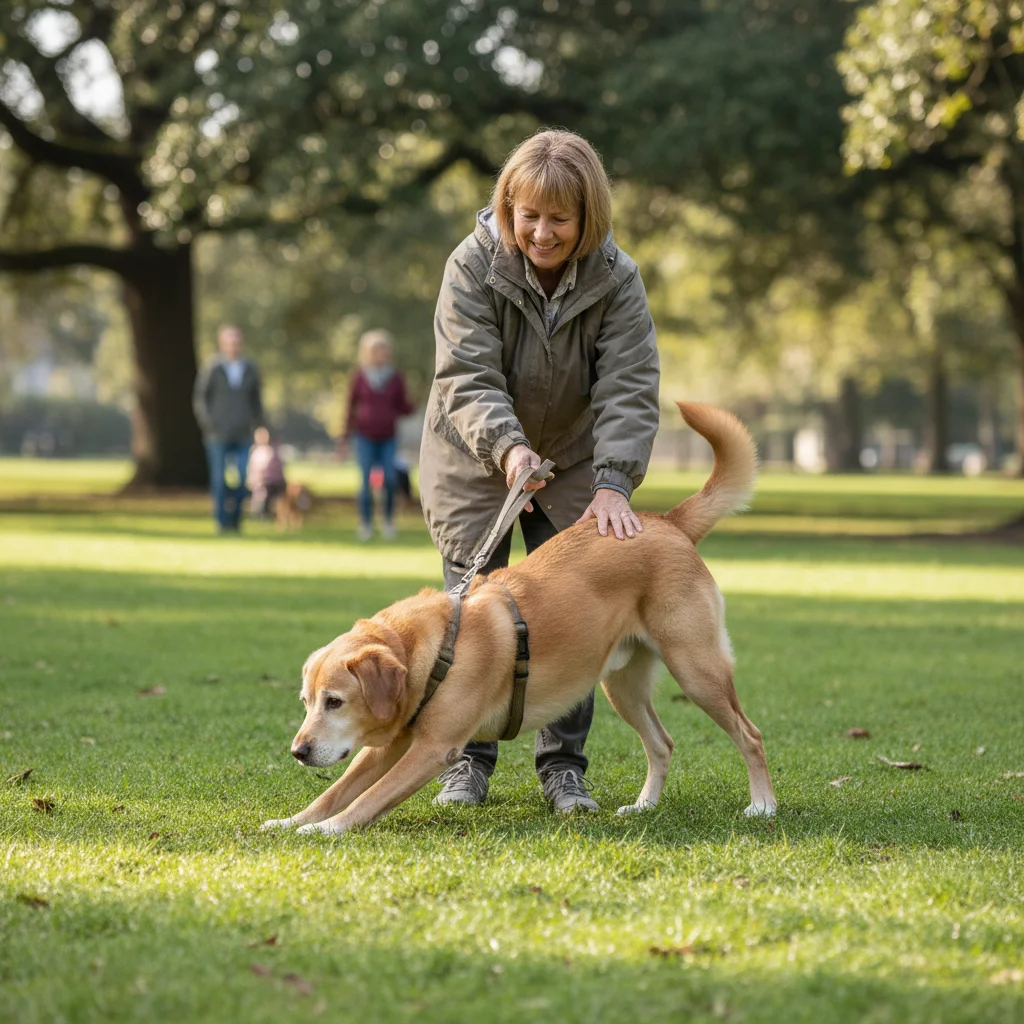
Imagine your senior dog, once slow and hesitant, now greeting you with a wagging tail and a noticeable spring in their step. Picture them enjoying longer, more comfortable walks, engaging more actively in family life, and experiencing fewer aches and pains. These are not just dreams; they are achievable realities for many dogs whose owners commit to optimizing their senior dog diet.
Many dog owners report significant improvements:
- Increased Stamina: Dogs who previously tired quickly during walks show renewed energy.
- Better Mobility: Less stiffness, easier rising from rest, and improved agility are common observations.
- Shinier Coats: A visible sign of improved nutrient absorption and overall health.
- Improved Cognitive Function: Some owners note increased alertness, better responsiveness, and reduced signs of canine cognitive dysfunction.
- Overall Happiness: A healthier, more comfortable dog is a happier dog, plain and simple.
The 3-month challenge provides a structured framework, but the real success comes from your dedication and attentiveness to your dog’s individual needs. By consistently applying these practical solutions, you’re not just changing their diet; you’re profoundly enhancing their quality of life.
Conclusion: A Brighter Future for Your Senior Companion
Optimizing your senior dog diet is one of the most proactive and loving steps you can take to ensure their well-being in their golden years. This 3-month challenge, focusing on assessment, gradual transition, careful supplementation, and continuous monitoring, offers a clear path to improved mobility and vitality. Remember that every dog is unique, and patience, observation, and partnership with your veterinarian are your greatest assets.
By implementing these practical solutions, you’re not just extending their lifespan; you’re enriching it, allowing your beloved senior dog to enjoy their days with greater comfort, energy, and joy. Here’s to a healthier, happier, and more vibrant 2026 for your cherished canine companion!