Achieving Multi-Pet Harmony: 3 Behavioral Adjustments for a Peaceful Home

Welcome to the wonderful, often chaotic, and always rewarding world of a multi-pet household! For many animal lovers, one pet is simply not enough. The joy of having a diverse family of furry, feathered, or scaled companions is unparalleled. However, with multiple personalities, instincts, and needs under one roof, achieving multi-pet household harmony can sometimes feel like an elusive dream. It’s not just about providing food and shelter; it’s about understanding and managing complex social dynamics to ensure every pet feels safe, loved, and respected.
The concept of multi-pet household harmony goes beyond mere tolerance. It aims for a state where pets not only coexist without conflict but genuinely enrich each other’s lives and, by extension, yours. This requires a proactive approach, keen observation, and a willingness to implement behavioral adjustments that cater to the unique characteristics of each animal.
In this comprehensive guide, we will delve into three crucial behavioral adjustments that are foundational to creating and maintaining a peaceful multi-pet household harmony. From the initial introduction of a new family member to managing everyday interactions and ensuring individual needs are met, these strategies will equip you with the knowledge and tools to foster a truly harmonious environment for all your beloved companions.
Understanding the intricacies of animal behavior is the first step. Each species, and indeed each individual animal, comes with its own set of instincts, communication signals, and past experiences. What might be a playful gesture for a dog could be perceived as a threat by a cat, or vice versa. Recognizing these differences and learning to interpret their signals is paramount to preventing misunderstandings and conflicts. Our goal is to transform your home into a sanctuary where every pet thrives.
1. Masterful Introductions: The Foundation of Multi-Pet Household Harmony
The way new pets are introduced into an existing household is arguably the most critical factor in determining future multi-pet household harmony. A rushed or poorly managed introduction can lead to fear, aggression, and lasting animosity. Conversely, a thoughtful, gradual approach can lay the groundwork for a lifelong bond.
The Art of Scent Swapping and Gradual Exposure
Before any face-to-face meeting, it’s essential to introduce pets through scent. Animals rely heavily on their sense of smell to gather information and identify others. By swapping bedding, toys, or even rubbing a cloth on one pet and then letting the other smell it, you allow them to become familiar with each other’s presence in a non-threatening way. This process helps to normalize the new scent and reduce anxiety.
Once scent swapping has occurred for several days, you can move to supervised, brief visual introductions. This often involves keeping pets separated by a barrier, such as a baby gate or crate, allowing them to see and hear each other without direct physical contact. These initial interactions should be short, positive, and always supervised. Look for signs of relaxation, curiosity, or indifference. Any signs of fear, aggression, or excessive stress mean you need to slow down and revert to earlier stages.
Neutral Territory and Positive Reinforcement
When direct interactions begin, always choose a neutral territory – an area where neither pet has established strong territorial claims. This minimizes the feeling of invasion for the resident pet and reduces anxiety for the newcomer. Keep initial meetings very short, perhaps just a few minutes, and always end on a positive note. Use high-value treats, praise, and favorite toys to create positive associations with each other’s presence. The goal is for them to associate the presence of the other pet with good things happening.
For example, if you’re introducing a new dog to an existing cat, have both animals in the same room, but keep the dog on a leash and maintain a safe distance. Reward both animals with treats for calm behavior. If the cat hisses or the dog barks excessively, gently redirect their attention and try again later, or increase the distance. Patience is key. This careful, controlled approach is vital for establishing multi-pet household harmony from the outset.
Understanding Species-Specific Needs During Introductions
Different species have different social structures and communication styles, which must be considered during introductions. Dogs, for instance, often communicate through body language and scent, while cats are more subtle and value personal space. Birds can be sensitive to loud noises and sudden movements. Researching the typical social behaviors of the species you are introducing will provide invaluable insight.
For instance, when introducing a new bird to an existing one, ensure they have separate cages initially, placed in the same room. This allows them to acclimate to each other’s sounds and presence without direct interaction. Gradually move the cages closer, and only after several days or weeks of positive interactions should you consider supervised out-of-cage time, always with an escape route for both. This meticulous attention to detail is what fosters true multi-pet household harmony.
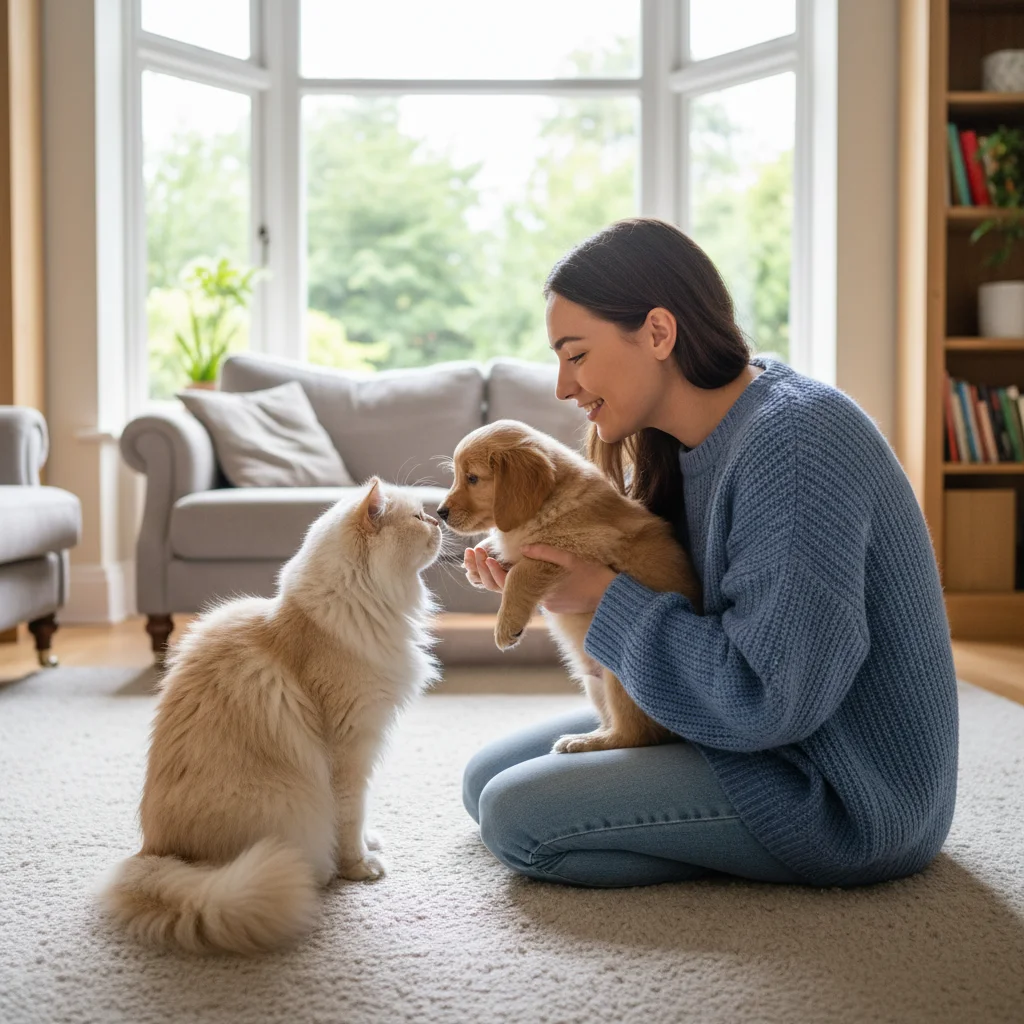
It’s also important to be aware of potential stress signals. For dogs, these might include lip-licking, yawning, averted gaze, or a tucked tail. For cats, flattened ears, a puffed tail, hissing, or swatting are clear indicators of discomfort. Birds might ruffle their feathers excessively, pace, or exhibit aggressive vocalizations. Recognizing these signals allows you to intervene before conflict escalates, preventing negative experiences that can hinder the development of multi-pet household harmony.
2. Resource Management: Preventing Conflict and Promoting Multi-Pet Household Harmony
Resource guarding is a natural instinct in many animals, stemming from their need to protect valuable items like food, water, resting spots, toys, and even human attention. In a multi-pet household harmony, this instinct can easily lead to conflict if not properly managed. Effective resource management is about ensuring every pet feels secure in accessing their necessities without competition or fear.
Separate Feeding Stations and Water Bowls
One of the most common sources of conflict in multi-pet homes is food. To prevent guarding, always feed pets separately. This could mean feeding them in different rooms, in crates, or at different times. Ensure each pet has their own designated food bowl and that they can eat without feeling rushed or threatened by another animal. This simple adjustment can significantly reduce tension around meal times.
Similarly, provide multiple water bowls in various locations throughout the house. This reduces competition and ensures all pets have easy access to hydration, especially if one pet tends to guard a particular area. The goal is to make resources so abundant and accessible that there’s no need for any pet to feel possessive or anxious about losing access.
Individual Resting Spots and Hiding Places
Just like humans, pets need their own space to retreat and feel safe. Provide each pet with their own bed, crate, or designated resting area. For cats, vertical spaces like cat trees or shelves can be invaluable, offering a sense of security and an escape route from more boisterous housemates. For smaller pets like hamsters or guinea pigs, ensure their enclosures are secure and provide ample hiding spots within them.
These individual spaces should be respected by all members of the household, both human and animal. Teach children not to disturb pets in their designated resting areas. For other pets, positive reinforcement can be used to teach them to respect boundaries. This sense of personal space is crucial for reducing stress and fostering multi-pet household harmony.
Managing Toys and Attention
Toys can also be a source of contention. Provide a variety of toys for each pet and rotate them regularly to keep interest high. Avoid leaving high-value toys unsupervised if there’s a history of guarding. When playing, ensure each pet gets individual attention and playtime, preventing jealousy. Group play can be fun, but always supervise and ensure it remains positive for all involved.
Attention from their human companions is perhaps the most guarded resource of all. It’s essential to give each pet individual attention every day. This could be dedicated cuddle time, a solo walk, or a training session. This reassures each pet of their importance in the family and reduces the likelihood of them competing for your affection. When giving group attention, ensure it is distributed fairly and calmly, reinforcing the idea that there is enough love to go around for everyone, thus strengthening multi-pet household harmony.
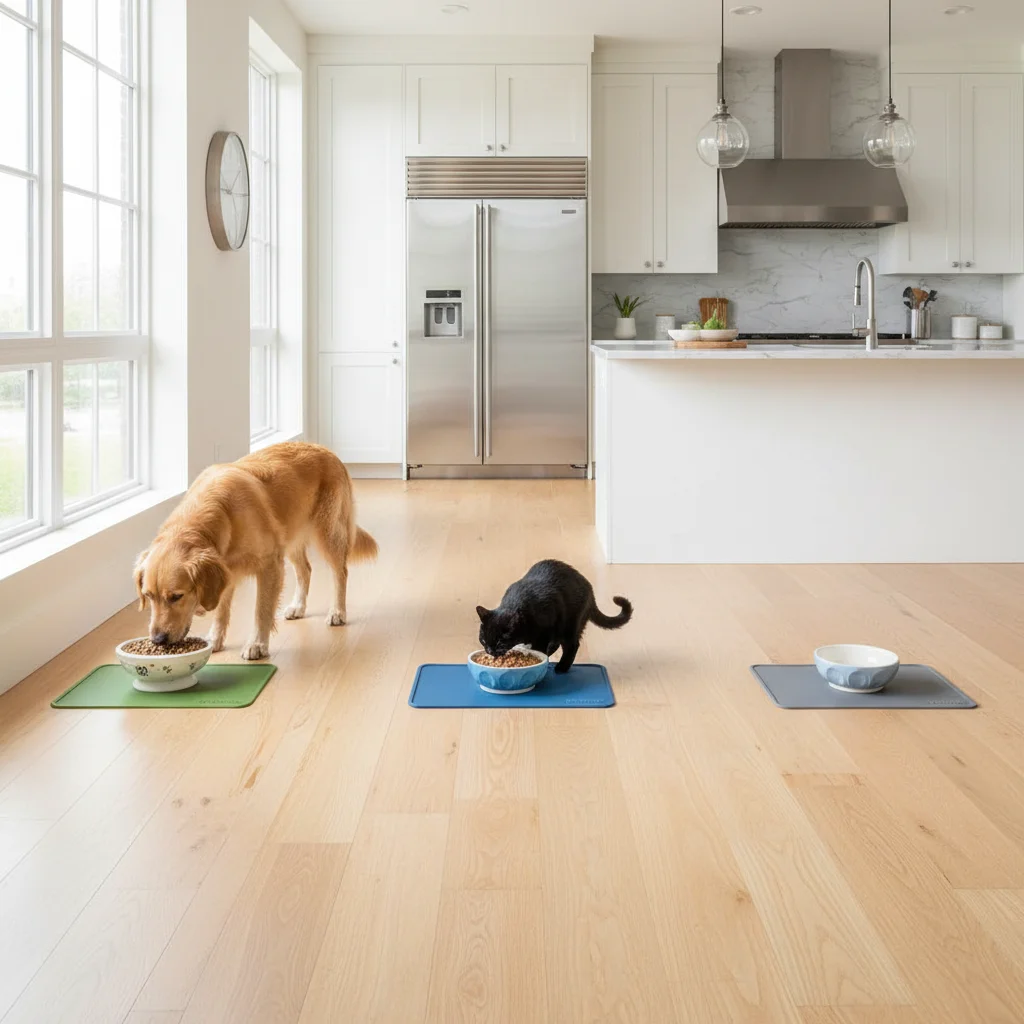
By proactively managing resources, you remove many potential triggers for conflict. This not only prevents fights but also builds trust and reduces overall stress levels in the household. A pet that feels secure in its access to necessities is a happier, more relaxed pet, contributing significantly to overall multi-pet household harmony.
3. Tailored Enrichment and Individual Needs: Nurturing Every Pet’s Well-being for Multi-Pet Household Harmony
Even in a bustling multi-pet household, each animal is an individual with unique needs, preferences, and personalities. Overlooking these individual requirements can lead to stress, boredom, and behavioral issues, ultimately disrupting multi-pet household harmony. Tailored enrichment and addressing specific needs are vital for the well-being of each pet and the peace of the entire household.
Understanding and Meeting Species-Specific Needs
Different species have vastly different requirements for exercise, mental stimulation, and social interaction. A dog might need daily walks and active playtime, while a cat might prefer quiet naps and puzzle feeders. Birds require opportunities for flight, foraging, and social interaction with their flock (which could be you!). Lizards and other reptiles have very specific environmental needs regarding temperature, humidity, and lighting.
Take the time to research and understand the natural behaviors and needs of each species you own. Providing appropriate outlets for these instincts is crucial. For example, a bored dog might resort to destructive chewing, while a frustrated cat might spray or become aggressive. Addressing these needs proactively prevents many behavioral problems from developing, thereby contributing to multi-pet household harmony.
Individual Training and Socialization
While group training can be beneficial, dedicating time to individual training sessions with each pet strengthens your bond and addresses specific behavioral challenges. For dogs, this might involve obedience training or teaching new tricks. For cats, it could be clicker training for desired behaviors or leash training. Even birds can be trained to step up or perform simple tasks.
Socialization is another critical aspect. While your pets socialize with each other, they also need appropriate socialization with other animals (if safe and desired) and humans outside the household. This helps them become well-adjusted and confident, reducing anxiety and fear that could lead to conflicts within the home. A well-socialized pet is generally more adaptable and less prone to stress, which is essential for maintaining multi-pet household harmony.
Addressing Health and Age-Related Changes
As pets age, their needs change. Older pets might require more rest, different diets, or have health issues that affect their mobility or temperament. A younger, more energetic pet might inadvertently stress an older, more fragile one. Be mindful of these dynamics and make adjustments as necessary. This could mean providing separate, quiet spaces for older pets or ensuring younger pets are adequately exercised to prevent them from bothering their senior housemates.
Regular veterinary check-ups are paramount for all pets in a multi-pet household. Undiagnosed pain or illness can significantly alter a pet’s behavior, leading to aggression or withdrawal. Addressing health concerns promptly ensures your pets are physically comfortable, which in turn supports their emotional well-being and the overall multi-pet household harmony.
Managing Personality Differences and Conflicts
Even with the best intentions, personality clashes can occur. Some pets are naturally more dominant, while others are shy or anxious. Observe the interactions carefully and learn to identify potential triggers for conflict. Sometimes, simply redirecting attention or providing a distraction can prevent an argument. In more severe cases, professional help from a certified animal behaviorist may be necessary.
Never punish pets for aggression or fear, as this can exacerbate the problem. Instead, focus on positive reinforcement and creating an environment where they feel safe and secure. Understanding that each pet is an individual, with their own strengths and weaknesses, allows you to tailor your approach and nurture their well-being, solidifying the foundation for lasting multi-pet household harmony.
The Long-Term Rewards of Multi-Pet Household Harmony
Achieving multi-pet household harmony is an ongoing journey, not a destination. It requires consistent effort, patience, and a deep understanding of animal behavior. However, the rewards are immeasurable. A home where pets coexist peacefully, where they feel secure, loved, and stimulated, is a joy to live in. It reduces stress for both animals and humans, fosters stronger bonds, and creates a richer, more vibrant living environment.
By mastering introductions, implementing effective resource management, and tailoring enrichment to meet the individual needs of each pet, you are not just preventing conflicts; you are actively building a community. You are teaching your pets to trust, to share, and to find comfort in each other’s presence. This creates a resilient and happy household where every wagging tail, purring cat, or chirping bird contributes to the overall well-being and happiness of the family.
Remember that setbacks can occur, and that’s perfectly normal. The key is to remain patient, consistent, and observant. Revisit these behavioral adjustments as needed, and don’t hesitate to seek professional guidance if you encounter persistent challenges. The investment of time and effort in fostering multi-pet household harmony will pay dividends in the form of a loving, peaceful, and joyful home for many years to come.
Embrace the journey, celebrate the small victories, and revel in the unique tapestry of personalities that make up your extraordinary multi-pet family. The love and companionship you receive in return will be a testament to your dedication to creating a truly harmonious household.