Clicker Training Mastery: Achieve 95% Command Compliance by 2026
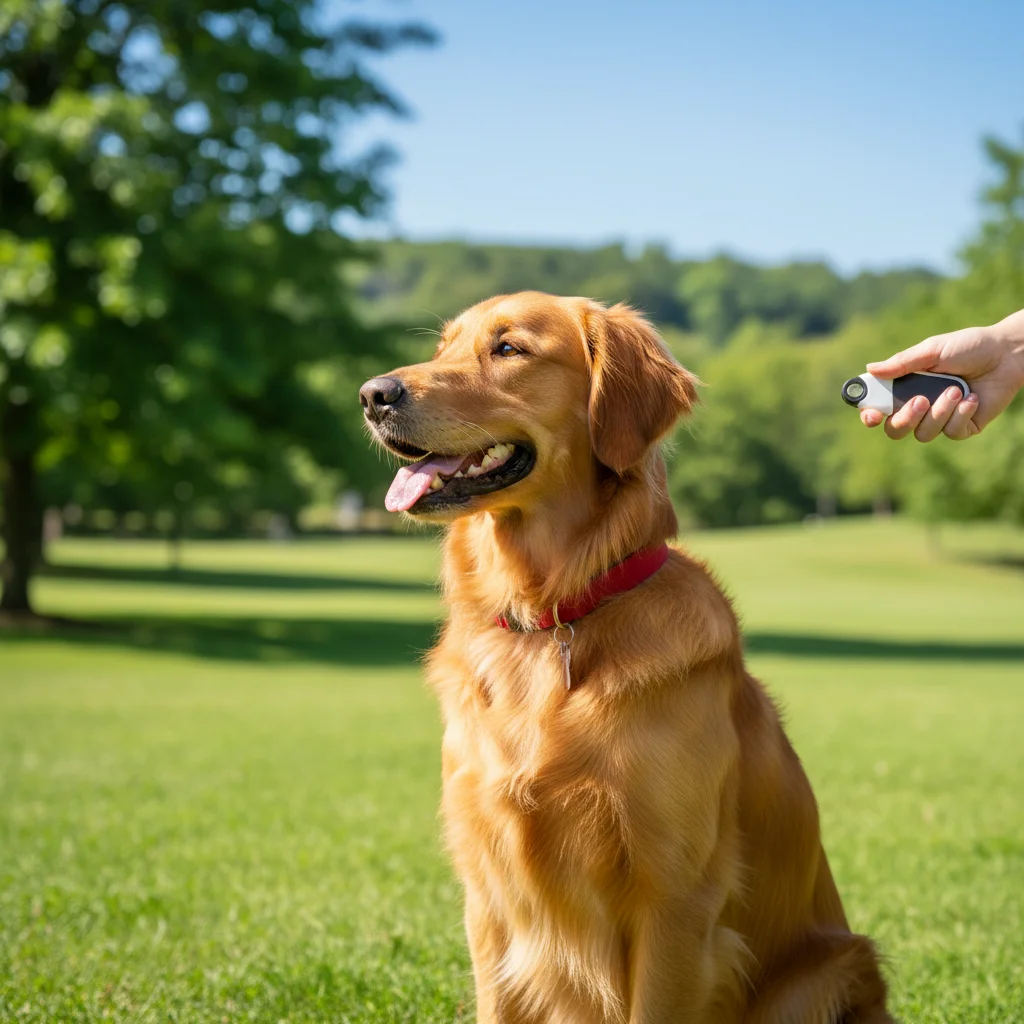
Clicker Training Mastery: Achieve 95% Command Compliance by 2026
Are you ready to revolutionize your pet’s training? Imagine a world where your furry companion responds to your commands with near-perfect precision, a remarkable 95% command compliance. This isn’t a far-fetched dream; it’s an achievable goal through the power of clicker training mastery. By 2026, with the right techniques, dedication, and understanding, you can transform your pet’s obedience and strengthen your bond like never before. This comprehensive guide will delve deep into the nuances of clicker training, offering insights, strategies, and advanced methods to help you reach this ambitious yet entirely realistic target.
The Foundation of Clicker Training Mastery: Understanding the ‘Why’
Before we embark on the journey to clicker training mastery, it’s crucial to understand the fundamental principles that make this method so incredibly effective. Clicker training is a form of positive reinforcement, relying on a small device that makes a distinct ‘click’ sound. This sound acts as a ‘marker signal,’ precisely pinpointing the exact moment your pet performs the desired behavior. The click is immediately followed by a reward, such as a treat or praise, which reinforces the behavior, making it more likely to occur again.
Why is the Clicker So Powerful?
- Precision: Unlike verbal praise or a treat alone, the clicker’s sound is instantaneous and consistent. It marks the exact millisecond your pet does something right, even if you can’t deliver the treat immediately. This precision is key to clear communication.
- Clarity: The clicker is a neutral sound that doesn’t carry emotional baggage. It’s not a scolding tone, nor is it overly enthusiastic in a way that might distract. It simply means, ‘Yes, that’s exactly what I wanted!’
- Motivation: Pets quickly learn that the click predicts a reward. This anticipation motivates them to actively try new behaviors and repeat successful ones.
- Universality: The principles of clicker training apply to almost any animal, from dogs and cats to birds and even fish. It’s a universal language of positive reinforcement.
Achieving clicker training mastery isn’t just about teaching tricks; it’s about fostering a deeper understanding between you and your pet. It builds trust, confidence, and a willingness to learn, setting the stage for that impressive 95% command compliance.
Setting the Stage for Success: Essential Equipment and Mindset
To begin your journey towards clicker training mastery, you’ll need minimal equipment but a significant amount of patience and a positive mindset. The right tools and approach will pave the way for effective learning.
Required Equipment:
- The Clicker: Choose a clicker that’s comfortable to hold and produces a clear, consistent sound. There are many types available, from box clickers to button clickers.
- High-Value Treats: These are small, soft, and incredibly enticing rewards that your pet absolutely loves. Think tiny pieces of cooked chicken, cheese, or specialized training treats. Avoid dry kibble, as it’s often not motivating enough.
- A Quiet Training Space: Especially in the beginning, minimize distractions. A quiet room or a calm outdoor area will help your pet focus on you and the task at hand.
The Right Mindset:
- Patience is Paramount: Learning takes time. There will be days of rapid progress and days of slow going. Embrace the process and celebrate small victories.
- Positive Reinforcement Only: Clicker training is built on rewarding desired behaviors. Avoid punishment or negative corrections, as these can undermine trust and hinder learning.
- Consistency: Both in your commands and your reward delivery, consistency is vital. Everyone in the household should use the same cues and methods.
- Observation: Pay close attention to your pet’s body language and responses. This will help you understand what’s working and what needs adjustment.
With these elements in place, you’re ready to start building the foundation for true clicker training mastery. Remember, every successful training journey begins with a solid understanding and the right approach.
Phase 1: Charging the Clicker – The Cornerstone of Understanding
Before you can teach any commands, your pet needs to understand what the clicker means. This process is called ‘charging the clicker’ or ‘creating a positive association.’ It’s a simple yet critical step in achieving clicker training mastery.
How to Charge the Clicker:
- Get Ready: Have your clicker in one hand and a handful of high-value treats in the other.
- Click and Treat: In a quiet environment, simply click the clicker, and immediately (within 1-2 seconds) give your pet a treat. Don’t ask for any behavior.
- Repeat: Do this 10-20 times in a short session. Repeat these short sessions several times a day.
- Observe the Reaction: You’ll know the clicker is charged when your pet hears the click and immediately looks at you, anticipating a treat. Their ears might perk up, or their tail might wag. This is the moment they’ve understood: ‘Click means treat!’
This initial phase is non-negotiable for clicker training mastery. Without a strong positive association with the click, the clicker will just be another random noise. Dedicate a day or two, or even a few days, to ensure your pet fully understands this fundamental connection.
Phase 2: Shaping Behaviors – The Art of Communication
Once the clicker is charged, you can begin shaping behaviors. Shaping is the process of rewarding successive approximations of a desired behavior. It’s how you communicate complex actions to your pet in small, manageable steps. This is where the true art of clicker training mastery begins to shine.
Shaping ‘Sit’ as an Example:
- Initial Movement: Wait for your pet to make any movement towards a ‘sit’ (e.g., lowering their head, shifting their weight backward). Click and treat.
- Further Movement: Wait for a more pronounced movement towards sitting (e.g., bending their back legs slightly). Click and treat.
- Partial Sit: Click and treat when their rear touches the ground, even for a second.
- Full Sit: Only click and treat when they are in a complete sit position.
The key to successful shaping in clicker training mastery is to reward effort, not just perfection. Gradually raise your criteria as your pet understands each step. If your pet gets stuck, go back a step or two to an easier approximation, then slowly build up again. If you’re new to pet training, you might want to check out our Hello world! post for some basic tips.
Phase 3: Adding the Verbal Cue – Bridging the Gap
After your pet reliably performs a behavior through shaping, it’s time to add a verbal cue. This is a crucial step in achieving 95% command compliance and demonstrating true clicker training mastery.
How to Add a Verbal Cue:
- Say the Cue: Just as your pet is *about* to perform the behavior (or is already performing it), say your chosen verbal cue (e.g., ‘Sit’, ‘Stay’, ‘Come’).
- Behavior Occurs: Your pet performs the behavior.
- Click and Treat: Immediately click and reward.
- Repeat: Practice this many times. Eventually, your pet will associate the verbal cue with the action.
Important Note: Never say the verbal cue *before* your pet knows the behavior. The cue should predict the action, not command it initially. By consistently pairing the cue with the action, your pet learns what the word means. Once your pet performs the behavior reliably on cue, you can start phasing out the clicker for that specific command, though many trainers continue to use it for maintenance or new behaviors.
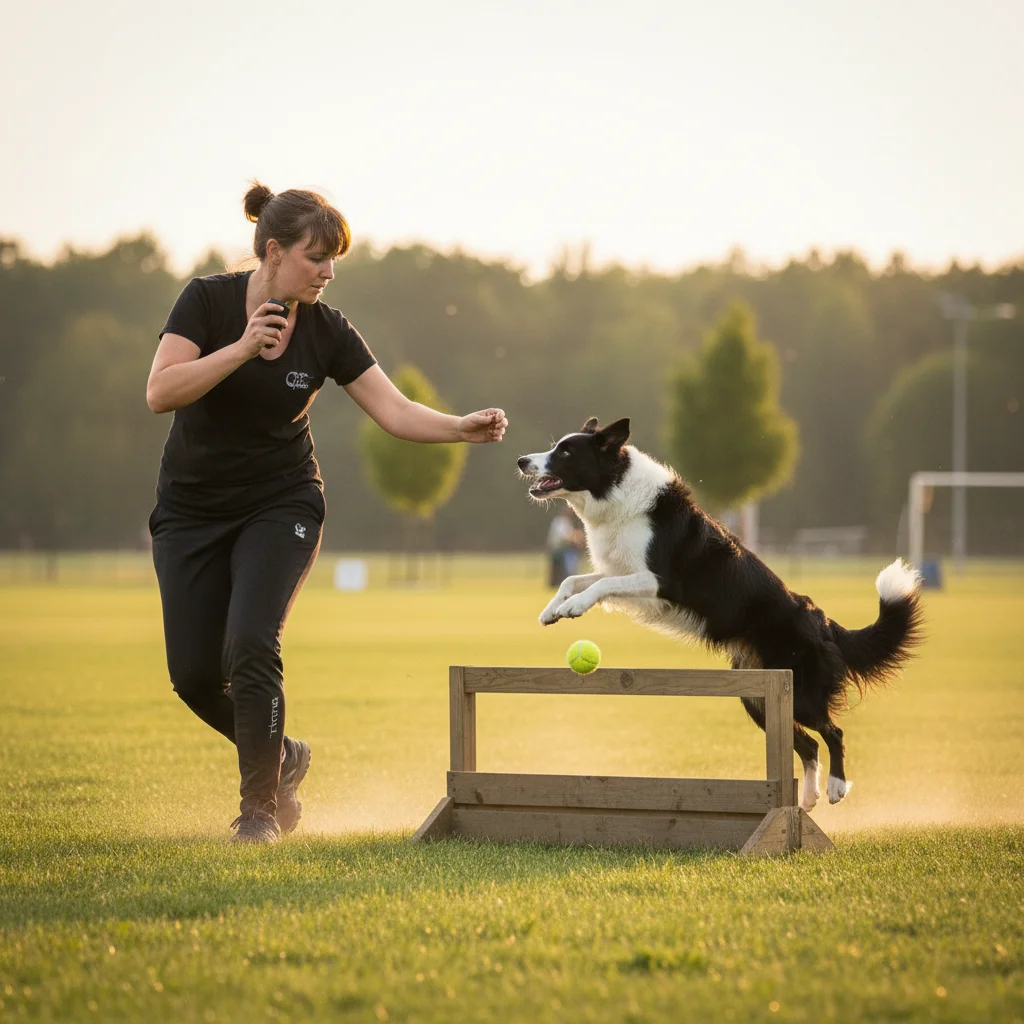
Advanced Clicker Training Mastery: Moving Beyond Basics
Reaching 95% command compliance by 2026 requires moving beyond basic commands and embracing more advanced techniques. This is where clicker training mastery truly distinguishes itself.
Generalization: Applying Behaviors in New Environments
A command isn’t truly mastered until your pet can perform it reliably in various environments, with different distractions, and even with different people. This is called generalization.
- Vary the Location: Practice commands in different rooms, in the yard, at the park, and eventually in busier public spaces.
- Introduce Distractions Gradually: Start with minor distractions (e.g., a toy on the floor) and slowly increase the level of distraction (e.g., other people, other animals).
- Different Handlers: Have other family members practice the commands with your pet.
Each new environment or distraction should be treated as a new learning opportunity. Start by clicking and treating for even slight success, and gradually raise your criteria again.
Duration, Distance, and Distraction (The 3 Ds)
To achieve high compliance, you need to extend the ‘3 Ds’ for each command:
- Duration: How long can your pet hold a ‘stay’ or ‘down’? Gradually increase the time before clicking and treating.
- Distance: How far away can you be from your pet while they perform a ‘stay’ or ‘come’? Slowly increase the distance.
- Distraction: How well can your pet perform the command amidst various distractions? Refer to the generalization tips above.
Always work on one ‘D’ at a time. For instance, if you’re working on duration, keep distance and distraction low. Gradually combine them as your pet shows consistent success. This systematic approach is vital for clicker training mastery.
Fading the Clicker and Lures
While the clicker is a powerful teaching tool, the ultimate goal for clicker training mastery is for your pet to respond to your verbal cues without needing the clicker for every repetition. Similarly, if you used lures (e.g., holding a treat to guide your pet into a sit), these need to be faded out.
- Fading the Lure: Once your pet performs the behavior reliably with the lure, start making the lure smaller and less obvious until it’s just a hand motion, then eventually just the verbal cue.
- Fading the Clicker: Once your pet consistently performs the behavior on verbal cue, you can start to use the clicker less frequently, saving it for new behaviors, challenging situations, or when you need to reinforce a particularly excellent performance. The reward, however, should always follow a successful behavior, even without the click.
Troubleshooting Common Clicker Training Challenges
Even with the best intentions, you might encounter challenges on your path to clicker training mastery. Here are some common issues and how to address them:
1. Pet is Not Interested in Treats/Clicker
- Higher Value Rewards: Experiment with different treats. Some pets prefer toys, praise, or a quick game of tug. Find what truly motivates your pet.
- Hunger Level: Ensure your pet isn’t full. Training before meals can increase motivation.
- Environment: Is the environment too distracting or overwhelming? Move to a quieter space.
2. Pet is ‘Clicker Smart’ (Only Works When Clicker is Present)
- This often means the verbal cue wasn’t properly paired with the behavior, or the clicker wasn’t faded effectively.
- Go back to Phase 3: Add the Verbal Cue. Ensure you say the cue *before* the behavior, then click and treat. Practice this repeatedly.
- Gradually reduce the frequency of the click, but always follow with a treat for successful behavior on cue.
3. Pet is Not Offering Behaviors
- Lower Your Criteria: Are you asking for too much too soon? Break the behavior down into even smaller steps.
- Observe Closely: Are you missing subtle attempts by your pet? Click for any movement in the right direction.
- Luring: If shaping is too slow, you can use a lure to guide your pet into the position, then fade the lure quickly.
4. Pet Gets Frustrated or Overwhelmed
- Keep Sessions Short: 5-10 minutes is ideal, especially for puppies or easily distracted pets.
- End on a High Note: Always finish a session with an easy command your pet knows well, followed by a big reward.
- Take Breaks: If you or your pet are getting frustrated, take a break and come back later with fresh energy.
Addressing these challenges proactively is a hallmark of true clicker training mastery. It shows an understanding of the learning process and a commitment to your pet’s success.
Maintaining 95% Command Compliance: The Long Game
Achieving 95% command compliance by 2026 isn’t a one-time event; it’s an ongoing commitment to consistent reinforcement and engagement. Clicker training mastery is a continuous journey.
1. Random Reinforcement
Once a behavior is well-established, you don’t need to click and treat every single time. Switch to a variable reinforcement schedule. This means sometimes you click and treat, sometimes you just praise, and sometimes you do nothing. This makes the reward unpredictable and actually strengthens the behavior, much like how slot machines keep people playing.
2. Keep it Fun and Engaging
Training shouldn’t be a chore for either of you. Incorporate training into daily activities. Make it a game. Introduce new tricks to keep your pet mentally stimulated.
3. Consistency Across the Household
Ensure everyone in the family uses the same commands and expectations. Inconsistency can confuse your pet and undermine progress.
4. Refreshers and New Challenges
Periodically revisit old commands, especially in new or challenging environments. Introduce new commands or complex sequences to keep your pet’s mind sharp and engaged in the learning process.
5. Observe and Adapt
Your pet’s needs and capabilities may change over time. Continue to observe their responses and adapt your training methods accordingly. This flexibility is a sign of true clicker training mastery.

The Benefits Beyond Compliance: Why Clicker Training Mastery Matters
The pursuit of 95% command compliance through clicker training mastery offers benefits far beyond simply having an obedient pet. It profoundly impacts your relationship and your pet’s overall well-being.
1. Enhanced Communication
Clicker training provides a clear, unambiguous line of communication between you and your pet. This reduces frustration for both parties and fosters a deeper understanding.
2. Stronger Bond and Trust
Because clicker training is entirely positive, it builds a relationship based on trust and mutual respect, rather than fear or intimidation. Your pet learns that engaging with you is always a positive experience.
3. Increased Confidence in Your Pet
Pets who are regularly engaged in positive training methods tend to be more confident, less anxious, and better adjusted. They learn that trying new things can lead to rewards.
4. Mental Stimulation
Training is an excellent form of mental exercise, which is just as important as physical exercise for a pet’s overall health and happiness. It combats boredom and destructive behaviors.
5. Problem Solving and Adaptability
The shaping process in clicker training teaches pets to think and problem-solve. This makes them more adaptable to new situations and better equipped to learn new behaviors throughout their lives.
6. Safety
A pet with high command compliance is a safer pet. A reliable ‘come’ or ‘stay’ can prevent them from running into danger, whether it’s traffic or an aggressive animal.
These profound benefits underscore why investing time and effort into clicker training mastery is one of the best things you can do for your beloved companion.
Looking Ahead to 2026: Your Roadmap to 95% Compliance
Achieving 95% command compliance by 2026 is an ambitious but entirely attainable goal. It requires a systematic approach, consistent effort, and a deep commitment to positive reinforcement. Here’s a quick roadmap to guide you:
- Master the Basics: Ensure a fully charged clicker and a clear understanding of shaping.
- Consistent Practice: Short, daily sessions are far more effective than long, infrequent ones.
- Gradual Generalization: Practice in diverse environments and with increasing distractions.
- Systematic ‘3 Ds’ Expansion: Methodically increase duration, distance, and distraction for each command.
- Smart Reinforcement: Transition to variable reinforcement once behaviors are strong.
- Ongoing Learning: Stay curious, read more, watch videos, and consider consulting with a professional clicker trainer for advanced guidance.
Remember, every pet is an individual, and their learning pace will vary. Celebrate every step of progress, and approach challenges with patience and a problem-solving mindset. Your dedication to clicker training mastery will not only lead to an incredibly well-behaved pet but also a deeper, more enriching relationship built on mutual understanding and joy.
Conclusion: The Journey to Clicker Training Excellence
The journey to clicker training mastery and 95% command compliance by 2026 is a rewarding one. It’s a testament to the power of positive reinforcement and the incredible capacity for learning that our pets possess. By understanding the science behind the click, applying systematic training techniques, and maintaining a positive and patient approach, you will unlock your pet’s full potential.
This isn’t just about commands; it’s about building a language, forging an unbreakable bond, and creating a harmonious life together. Start today, stay consistent, and watch as your pet transforms into a truly compliant and confident companion. The future of pet training is positive, precise, and profoundly effective – and you are now equipped to be a master of it.