Mastering Dog Separation Anxiety: A 4-Week Behavioral Plan for 2026
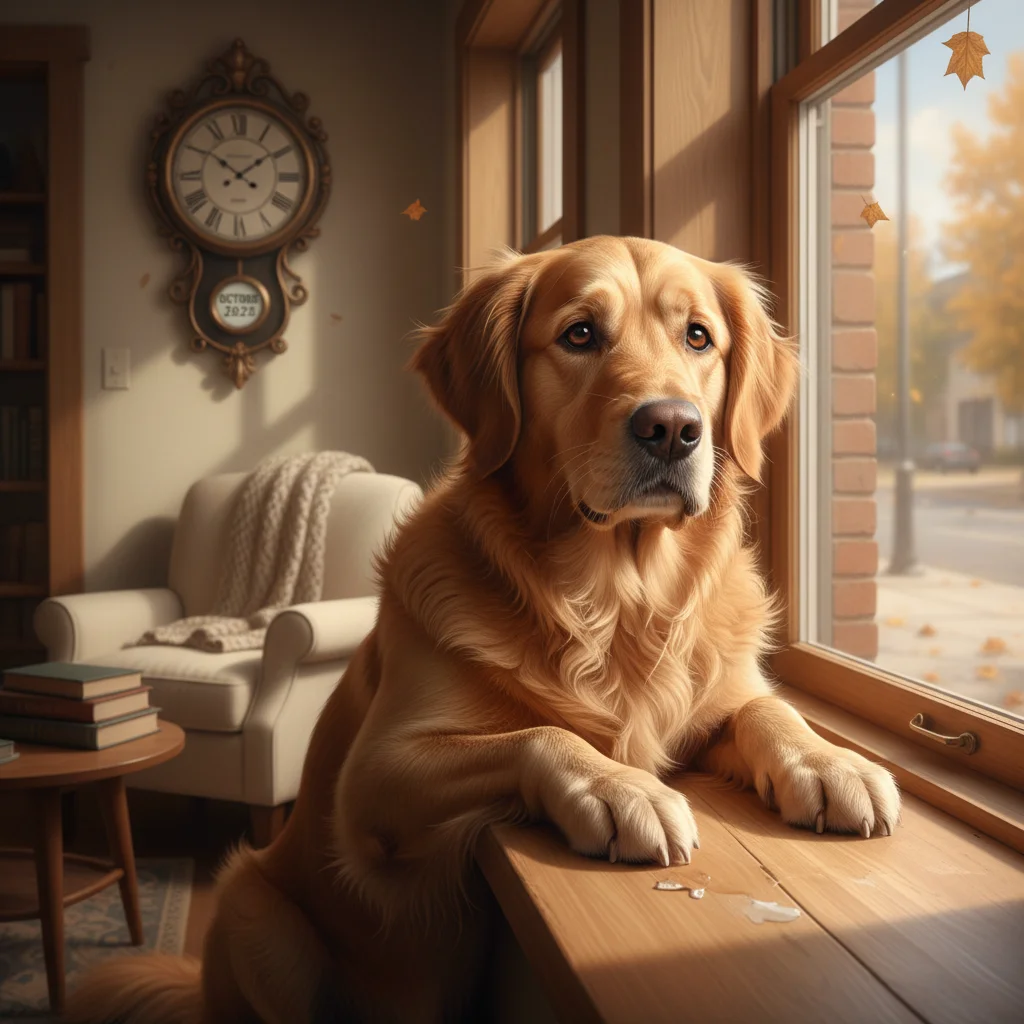
Dealing with a dog suffering from separation anxiety can be one of the most heartbreaking and challenging experiences for any pet owner. The destructive behaviors, the incessant barking, the frantic pacing, and the sheer distress your beloved companion exhibits when left alone can take a significant toll on both of you. But there’s good news: Dog Separation Anxiety Plan is a treatable condition, and with a structured, consistent approach, you can help your dog overcome this fear. This comprehensive 4-week behavioral modification plan for 2026 is designed to guide you through the process, offering practical steps and expert insights to foster a more confident and independent canine.
Understanding Dog Separation Anxiety: The Root Cause
Before diving into the intervention strategies, it’s crucial to understand what separation anxiety truly is. It’s not about your dog being ‘naughty’ or seeking revenge for being left alone. Instead, it’s a genuine panic disorder where your dog experiences extreme distress when separated from their attachment figure(s). This anxiety can manifest in various ways, including:
- Destructive Chewing: Often focused on exit points like doors and windows, or items that smell like you.
- Inappropriate Urination/Defecation: Even house-trained dogs may soil indoors when anxious.
- Excessive Barking, Howling, Whining: Continuous vocalization indicating distress.
- Pacing and Restlessness: Inability to settle down.
- Escaping Attempts: Trying to break out of crates or rooms.
- Self-Harm: Licking or chewing paws excessively.
- Vomiting or Diarrhea: Physical manifestations of extreme stress.
The triggers can vary. It might be a sudden change in routine, a new living situation, the loss of a family member (human or pet), or even an increase in the owner’s absence. Recognizing these signs is the first step in implementing an effective Dog Separation Anxiety Plan.
Preparation is Key: Setting the Stage for Success
Before embarking on the 4-week plan, some preparatory steps are essential to ensure the best possible outcome for your dog. This foundational work will create a stable environment conducive to learning and healing.
Consult Your Veterinarian
Always begin by consulting your veterinarian. They can rule out any underlying medical conditions that might be contributing to your dog’s symptoms. Sometimes, health issues can mimic separation anxiety, or exacerbate it. Your vet might also discuss pharmaceutical interventions as an adjunct to behavioral modification, especially in severe cases, to help reduce your dog’s overall anxiety levels and make them more receptive to training.
Identify Triggers and Baseline Behavior
Observe your dog’s behavior closely. What specific actions or cues seem to trigger their anxiety? Is it when you pick up your keys? Put on your shoes? Does it start immediately when you leave, or after a certain period? Video recording your dog when you’re out can provide invaluable insights into their behavior patterns and the severity of their anxiety. This baseline data will help you tailor the Dog Separation Anxiety Plan and track progress.
Establish a Consistent Routine
Dogs thrive on routine. A predictable schedule for feeding, walks, playtime, and potty breaks can significantly reduce overall anxiety. Consistency provides a sense of security and helps your dog understand what to expect throughout the day, minimizing uncertainty that can fuel separation distress.
Create a Safe Haven
Designate a comfortable, secure, and quiet space where your dog can relax when you’re away. This might be a crate (if they are crate-trained and comfortable with it), a specific room, or a dog bed in a low-traffic area. Ensure this space is associated with positive experiences. Provide comforting items like a favorite blanket, an old t-shirt with your scent, and engaging chew toys or puzzle feeders.
Exercise and Mental Stimulation
A tired dog is often a calmer dog. Ensure your dog receives adequate physical exercise and mental stimulation before you plan to leave them alone. A brisk walk, a game of fetch, or a training session can help burn off excess energy and satisfy their need for engagement, making them more likely to rest when you’re gone. This is a critical component of any effective Dog Separation Anxiety Plan.
The 4-Week Behavioral Modification Plan
This plan focuses on desensitization and counter-conditioning, gradually increasing your dog’s tolerance to being alone while associating your absence with positive experiences. Consistency and patience are paramount.
Week 1: Desensitization to Departure Cues & Short Absences
The goal this week is to break the association between your pre-departure rituals and your actual departure, and to introduce very brief periods of alone time.
Day 1-3: Neutralizing Departure Cues
- Practice Departure Cues Randomly: Pick up your keys, put on your coat, or open the door, but then don’t leave. Do this multiple times a day, without any emotion, until your dog no longer reacts anxiously.
- Short Absences (Seconds): Start by leaving for just 5-10 seconds. Step out of sight (e.g., into another room, or just outside the front door), then immediately return. Don’t make a big fuss when you leave or return. The goal is to make your absence a non-event.
- Reward Calmness: When you return, if your dog is calm, offer a calm praise or a small treat. Avoid overly enthusiastic greetings that might reinforce the idea that your return is a huge, exciting event.
Day 4-7: Gradually Increasing Absence Duration
- Increase Time Incrementally: Slowly extend the time you’re out of sight. Go from 10 seconds to 30 seconds, then 1 minute, 2 minutes, and so on. Always stay below the threshold where your dog starts to show signs of anxiety. If they show distress, you’ve gone too far, and you need to reduce the duration in the next session.
- Pre-Departure Routine: Introduce a calm, consistent pre-departure routine that doesn’t involve any excited goodbyes. This might include giving them a long-lasting chew toy or puzzle feeder just before you leave.
- Monitor Progress: Continue to record your dog’s behavior if possible. This will help you identify their threshold and adjust the plan accordingly.
Week 2: Building Tolerance & Independent Play
This week focuses on extending alone time slightly and encouraging your dog to entertain themselves.
Day 8-10: Extending Alone Time & Enrichment
- Continue Gradual Increases: Keep extending your absence, aiming for 5-10 minute intervals. Remember to always return before your dog becomes anxious. If you come back to an anxious dog, you’ve stayed too long.
- Introduce High-Value Distractions: Before leaving, provide a high-value, long-lasting chew toy or a puzzle feeder filled with their favorite treats. This associates your departure with something positive and keeps them occupied.
- Practice ‘Stay’ and ‘Place’ Commands: Reinforce these commands in various rooms. This helps build their ability to be calm and settled in one spot, even when you move around.
Day 11-14: Independent Play & Structured Alone Time
- Encourage Independent Play: Provide a variety of toys and rotate them regularly to keep interest high. Sometimes, simply ignoring your dog for short periods while you’re home can encourage them to entertain themselves.
- Structured Alone Time: Schedule specific times each day when your dog is left alone, even if you’re just in another room. This helps normalize alone time as part of their routine.
- Avoid Punishment: Never punish your dog for separation anxiety behaviors. This will only increase their fear and anxiety.
Week 3: Short Outings & Routine Integration
Now that your dog is more comfortable with short absences, this week aims to integrate these absences into your daily routine and introduce actual short outings.
Day 15-18: Short Outings & Varied Departures
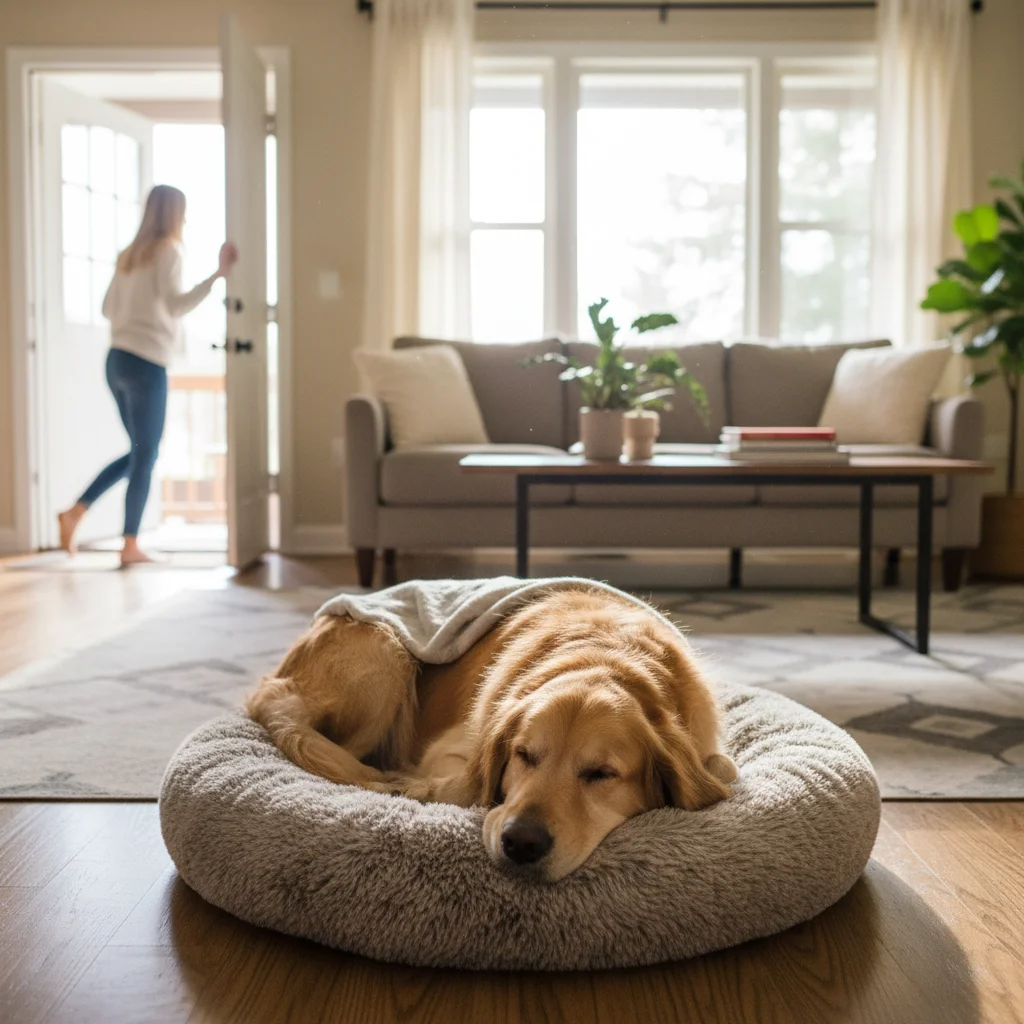
- Practice Actual Departures: Start with very short outings, such as checking the mail, taking out the trash, or going to your car and immediately returning. Keep these under 15 minutes initially.
- Vary Departure Cues: Sometimes pick up your keys, sometimes don’t. Sometimes leave through the front door, sometimes the back. This helps prevent your dog from fixating on specific cues.
- Camera Monitoring: Use a pet camera to monitor your dog’s behavior during these short outings. This allows you to observe their comfort level and return before they become distressed.
Day 19-21: Extending Outings & Environmental Management
- Gradually Increase Duration: Slowly extend the time you are away, aiming for 20-30 minutes. Always ensure your dog has had adequate exercise and a potty break before you leave.
- Environmental Enrichment: Continue to provide engaging toys, KONGs, or puzzle feeders. Consider calming music or a white noise machine to mask outside sounds that might trigger anxiety.
- Safe Space Reinforcement: Ensure their designated safe space remains a positive and comforting area.
Week 4: Consolidating Progress & Long-Term Strategies
This final week focuses on solidifying the progress made and establishing long-term management strategies for your Dog Separation Anxiety Plan.
Day 22-25: Longer Absences & Consistency
- Extend Absences Further: Work towards 45-60 minute absences, always monitoring your dog’s comfort level. Remember, slow and steady wins the race.
- Maintain Routine: Continue with your established routine for exercise, feeding, and potty breaks. Consistency is crucial for maintaining your dog’s sense of security.
- Practice ‘Coming and Going’: Make your arrivals and departures low-key. Avoid overly emotional goodbyes or excited greetings. Wait until your dog is calm before acknowledging them.
Day 26-28: Generalization & Maintenance
- Vary Locations: If possible, practice leaving your dog alone in different rooms or even at a trusted friend’s house for very short periods, once they are comfortable at home.
- Long-Term Management: Understand that separation anxiety management is often an ongoing process. Continue to provide mental and physical stimulation, maintain a consistent routine, and utilize calming aids as needed.
- Consider Professional Help: If your dog is still struggling significantly, or if their anxiety is severe, don’t hesitate to consult a certified professional dog trainer or a veterinary behaviorist. They can provide personalized guidance and advanced techniques.
Important Considerations and Tips for Success
Patience and Consistency
This cannot be stressed enough. Overcoming separation anxiety is not a quick fix. It requires immense patience, understanding, and unwavering consistency from all household members. Every step forward is a victory, and setbacks are a normal part of the process. Don’t get discouraged.
Avoid Punishment
Punishing your dog for anxiety-driven behaviors will only worsen their fear and erode the trust between you. They are not acting out of spite; they are in distress. Focus on positive reinforcement and creating a safe, calm environment.
The Power of Exercise
A well-exercised dog is a happier, calmer dog. Ensure your dog gets plenty of physical activity appropriate for their breed and age, especially before periods of alone time. This helps burn off nervous energy.
Mental Stimulation is Crucial
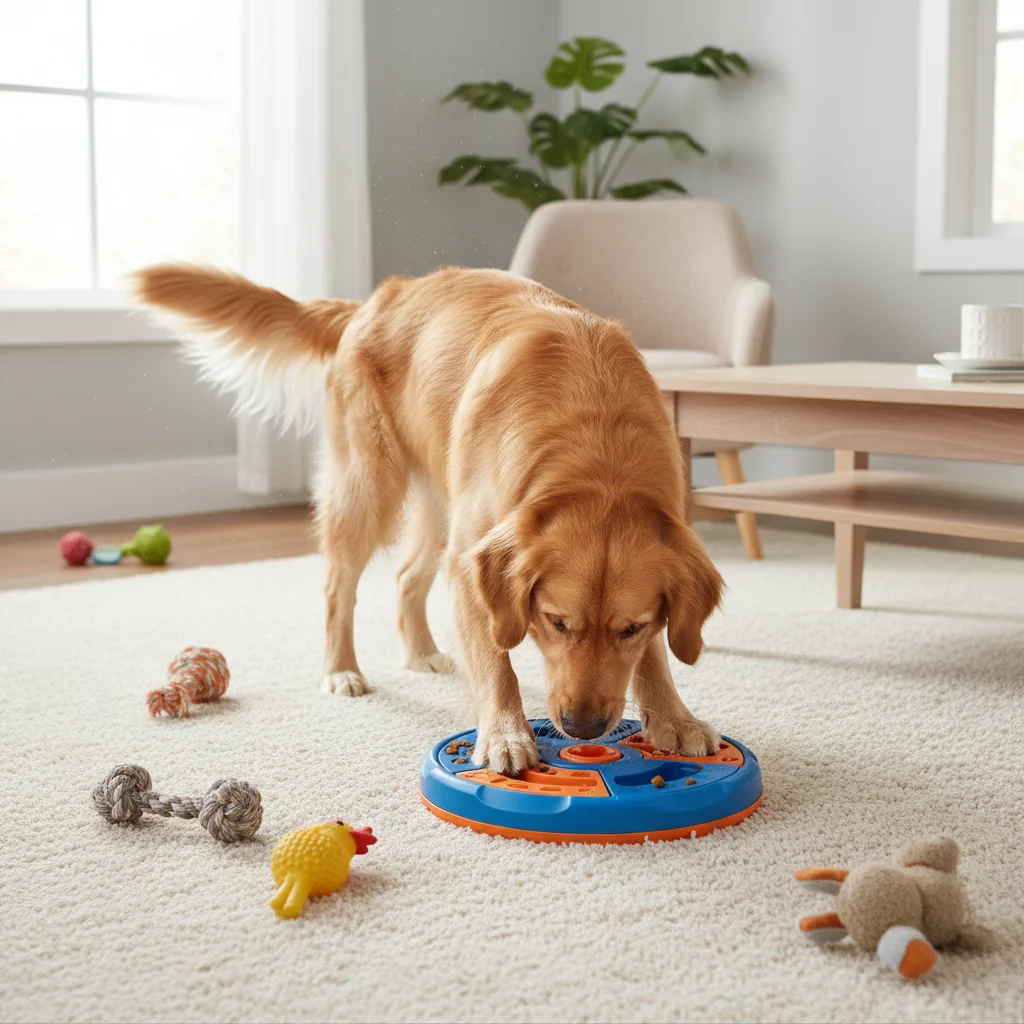
Beyond physical exercise, mental stimulation is vital. Puzzle toys, KONGs stuffed with treats (and frozen for longer lasting engagement), snuffle mats, and chew toys can keep your dog occupied and mentally engaged while you’re away. This redirects their focus from your absence to a rewarding activity.
Calming Aids
For some dogs, calming aids can provide additional support. These might include:
- Pheromone Products: Such as Adaptil diffusers or collars, which release synthetic dog appeasing pheromones.
- Calming Supplements: Natural supplements containing L-theanine, tryptophan, or CBD (consult your vet first).
- Thundershirts or Anxiety Wraps: These provide gentle, constant pressure that can have a calming effect on some dogs.
- Calming Music or White Noise: To mask external sounds and create a peaceful auditory environment.
Managing Your Own Anxiety
Dogs are incredibly perceptive and can pick up on our emotions. If you are anxious about leaving your dog, they will likely sense it, which can exacerbate their own anxiety. Try to remain calm and confident during your departures and arrivals.
Professional Help
If, after diligently following this Dog Separation Anxiety Plan, your dog’s anxiety shows little improvement, or if their symptoms are severe and potentially dangerous (e.g., self-harm, extreme escape attempts), it is highly recommended to seek professional help. A Certified Professional Dog Trainer (CPDT-KA), a Certified Separation Anxiety Trainer (CSAT), or a Veterinary Behaviorist can offer tailored strategies, in-home support, and potentially medication options to help your dog cope.
Conclusion: A Brighter Future for Your Anxious Dog
Addressing dog separation anxiety is a journey, not a destination. It requires dedication, understanding, and a willingness to adapt your approach based on your dog’s individual needs. This 4-week behavioral modification plan for 2026 provides a solid framework, but remember that every dog is unique. By consistently implementing these strategies, providing a safe and enriching environment, and seeking professional guidance when necessary, you can empower your dog to feel more secure and independent. Imagine a future where you can leave your home knowing your beloved companion is not only safe but also calm and content. With this Dog Separation Anxiety Plan, that future is within reach.