Mastering Pet Odor Control: 5 Daily Solutions for a Fresh Home in 2026
Mastering Pet Odor Control: 5 Daily Solutions for a Fresh Home in 2026
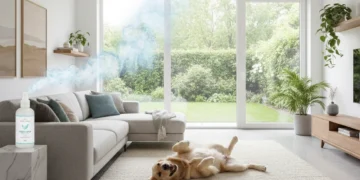
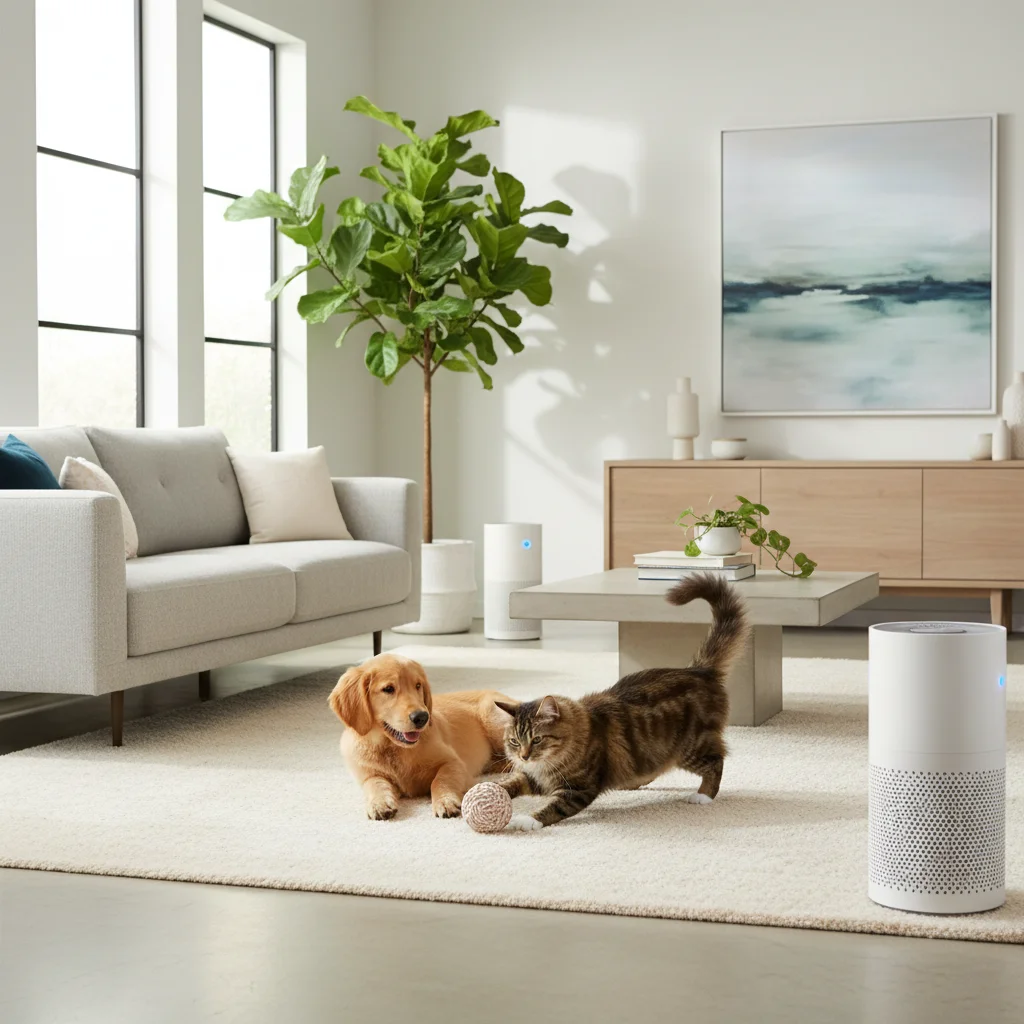
As pet parents, we adore our furry companions, but let’s be honest: their presence can sometimes come with a distinct set of aromas. The quest for effective pet odor control is a universal challenge, and in 2026, we have more innovative and efficient solutions than ever before. This comprehensive guide will walk you through five daily strategies designed not only to eliminate pet odors but also to significantly improve your home’s air quality, potentially by as much as 35%. Get ready to transform your living space into a haven of freshness, where the only thing you’ll smell is love (and maybe a hint of lavender).
The impact of pet odors extends beyond just an unpleasant smell. Poor indoor air quality, often exacerbated by pet dander, urine, and other organic compounds, can affect allergies, respiratory health, and overall well-being. Therefore, approaching pet odor control from a holistic perspective – focusing on prevention, immediate cleanup, and air purification – is crucial for a truly fresh and healthy home environment. We’re talking about a proactive approach that integrates seamlessly into your daily routine, making odor management less of a chore and more of a lifestyle.
The Science Behind Pet Odors: Understanding the Enemy
Before we dive into solutions, it’s helpful to understand what causes pet odors. Pet smells are primarily a result of several factors:
- Urine and Feces: These contain ammonia, sulfur compounds, and other volatile organic compounds (VOCs) that produce strong, lingering odors, especially when they seep into carpets, upholstery, and floorboards.
- Dander and Hair: Microscopic skin flakes (dander) and shed hair carry oils, bacteria, and allergens. As these accumulate, they can create a stale, musty smell.
- Saliva and Body Oils: Pets, especially dogs, produce natural oils and saliva that can transfer to furniture, bedding, and even walls, leading to a distinctive ‘dog smell.’
- Bacteria and Yeast: Microorganisms thrive in warm, moist environments and on pet fur, contributing to unpleasant smells.
Targeting these sources directly is key to effective pet odor control. Our daily solutions will focus on disrupting the lifecycle of these odor-causing elements, preventing them from taking hold and spreading throughout your home.
Daily Solution 1: Immediate and Thorough Cleanup of Accidents
This might seem obvious, but the speed and thoroughness of cleaning pet accidents are paramount for effective pet odor control. The longer urine or feces sit, the deeper they penetrate surfaces, making complete removal much harder. For 2026, advancements in enzymatic cleaners and portable spot removers have made this task more efficient than ever.
The Power of Enzymatic Cleaners
Enzymatic cleaners are your best friend when it comes to pet accidents. Unlike traditional cleaners that merely mask odors, enzymatic cleaners contain beneficial bacteria that produce enzymes. These enzymes break down the uric acid crystals and other organic matter in pet waste, effectively eliminating the odor at its source rather than just covering it up. For optimal results:
- Act Fast: Blot up as much of the liquid or solid waste as possible immediately. Do not rub, as this can push the odor deeper into the fibers.
- Saturate the Area: Generously apply the enzymatic cleaner, ensuring it reaches as deep as the urine or feces penetrated. This might mean soaking the carpet or upholstery.
- Let it Dwell: Allow the cleaner to sit for the time recommended on the product label (often 10-15 minutes or longer) to give the enzymes time to work.
- Blot and Air Dry: Blot the area dry with a clean cloth. Avoid scrubbing. You can place a towel over the area and weigh it down to absorb more moisture. Allow the area to air dry completely.
- Repeat if Necessary: For old or stubborn stains, multiple applications may be required.
Portable Spot Cleaners and Wet Vacuums
Investing in a good quality portable spot cleaner or a wet vacuum designed for pet messes can significantly enhance your cleanup routine. These devices offer powerful suction to extract liquid and cleaner from carpets and upholstery, reducing drying time and preventing odors from setting in. Many modern versions come with specialized pet cleaning formulas that work synergistically with the machine’s suction to provide deep cleaning and effective pet odor control.
By making immediate and thorough cleanup a non-negotiable part of your daily routine, you prevent odors from becoming ingrained in your home, setting a strong foundation for overall freshness.
Daily Solution 2: Consistent Cleaning of Pet-Related Items
Our pets’ belongings are often hotspots for odors. Beds, blankets, toys, and food bowls can accumulate dander, saliva, and food residue, becoming potent sources of unpleasant smells. Incorporating their cleaning into your daily or weekly routine is a simple yet highly effective strategy for pet odor control.
Pet Beds and Blankets
Aim to wash pet beds and blankets at least once a week, or more frequently if your pet is prone to accidents or spends a lot of time on them. Use a pet-safe detergent, and consider adding a cup of white vinegar to the wash cycle. White vinegar is a natural deodorizer that helps break down odors without harsh chemicals. Ensure everything is thoroughly dry before returning it to your pet to prevent mildew.
Food and Water Bowls
Daily cleaning of food and water bowls is essential. Leftover food particles and saliva can create a breeding ground for bacteria and yeast, leading to unpleasant smells and potential health issues for your pet. Use hot, soapy water, or run them through the dishwasher if they are dishwasher-safe. Stainless steel and ceramic bowls are generally easier to keep clean and less prone to harboring bacteria than plastic.
Toys and Accessories
Soft toys can be machine-washed (check labels first), while hard toys can be washed with warm, soapy water. Collars and leashes can also accumulate dirt and oils; a quick wipe-down or hand wash can make a big difference. Remember, clean pet items contribute directly to a cleaner-smelling home.
Daily Solution 3: Regular Vacuuming and Floor Cleaning
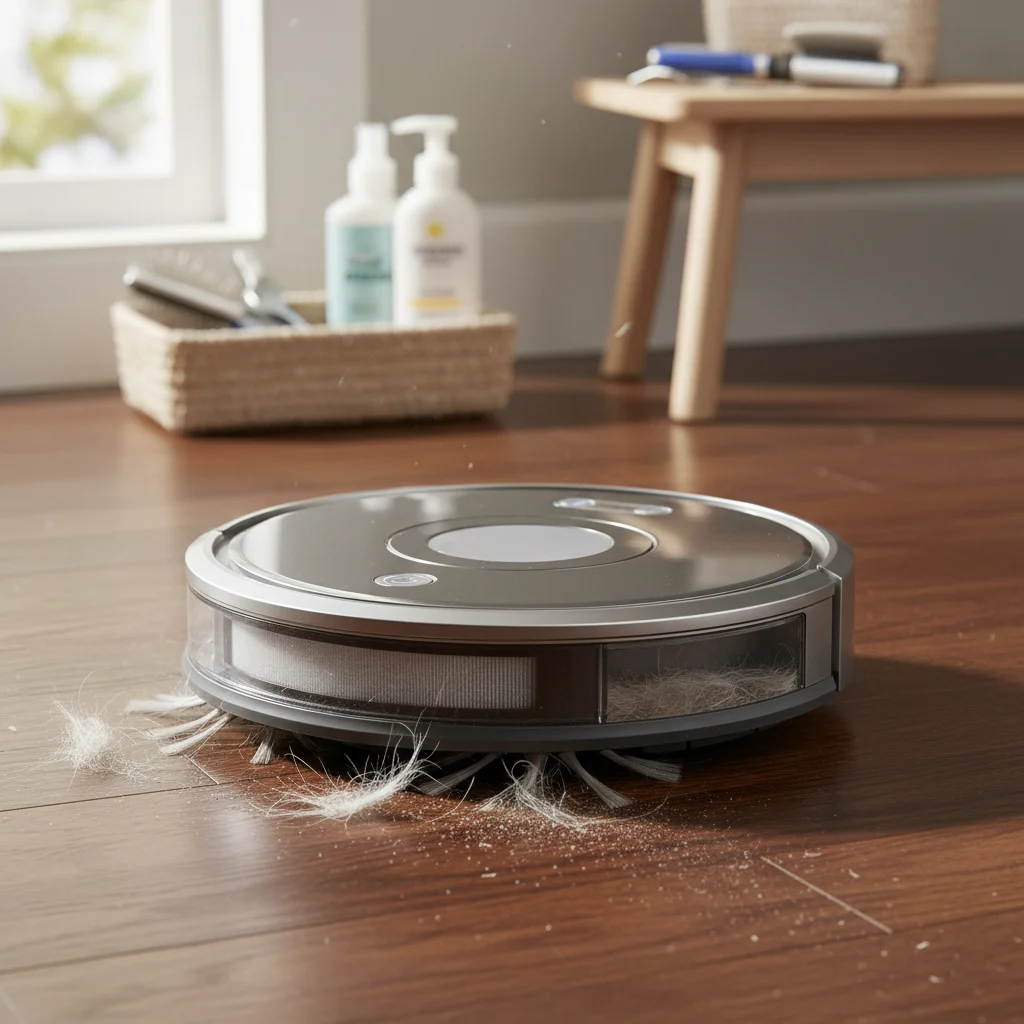
Pet hair and dander are pervasive, settling on every surface and embedding themselves in carpets and upholstery. Regular vacuuming and floor cleaning are non-negotiable for superior pet odor control and improved air quality. In 2026, robotic vacuums with advanced filtration systems and pet-specific features have become game-changers.
High-Efficiency Vacuuming
- Invest in a Pet-Specific Vacuum: Look for vacuums designed for pet owners, which often feature stronger suction, specialized brush rolls to prevent tangles, and most importantly, HEPA filters.
- HEPA Filters: These filters trap 99.97% of airborne particles as small as 0.3 microns, including pet dander, pollen, and dust mites, preventing them from being recirculated into the air. This is crucial for both odor and allergen control.
- Daily Vacuuming: For homes with pets, especially those that shed a lot, daily vacuuming (or running a robotic vacuum) is ideal. Focus on high-traffic areas, pet sleeping spots, and upholstered furniture.
- Attachments are Key: Use upholstery attachments to clean couches, chairs, and pet beds thoroughly.
Floor Cleaning for Hard Surfaces
For hardwood, tile, or laminate floors, a daily sweep or dry mop followed by a weekly (or more frequent) wet mop with a pet-safe cleaner is recommended. Avoid harsh chemicals that can be irritating to pets. Steam cleaners are also excellent for deep cleaning and sanitizing hard floors without chemicals, effectively neutralizing odors. Pay special attention to corners and under furniture where pet hair and dust can accumulate.
By diligently removing pet hair and dander from your floors and furniture, you significantly reduce the amount of odor-causing organic matter in your home, leading to a noticeable improvement in overall freshness.
Daily Solution 4: Advanced Air Purification and Ventilation
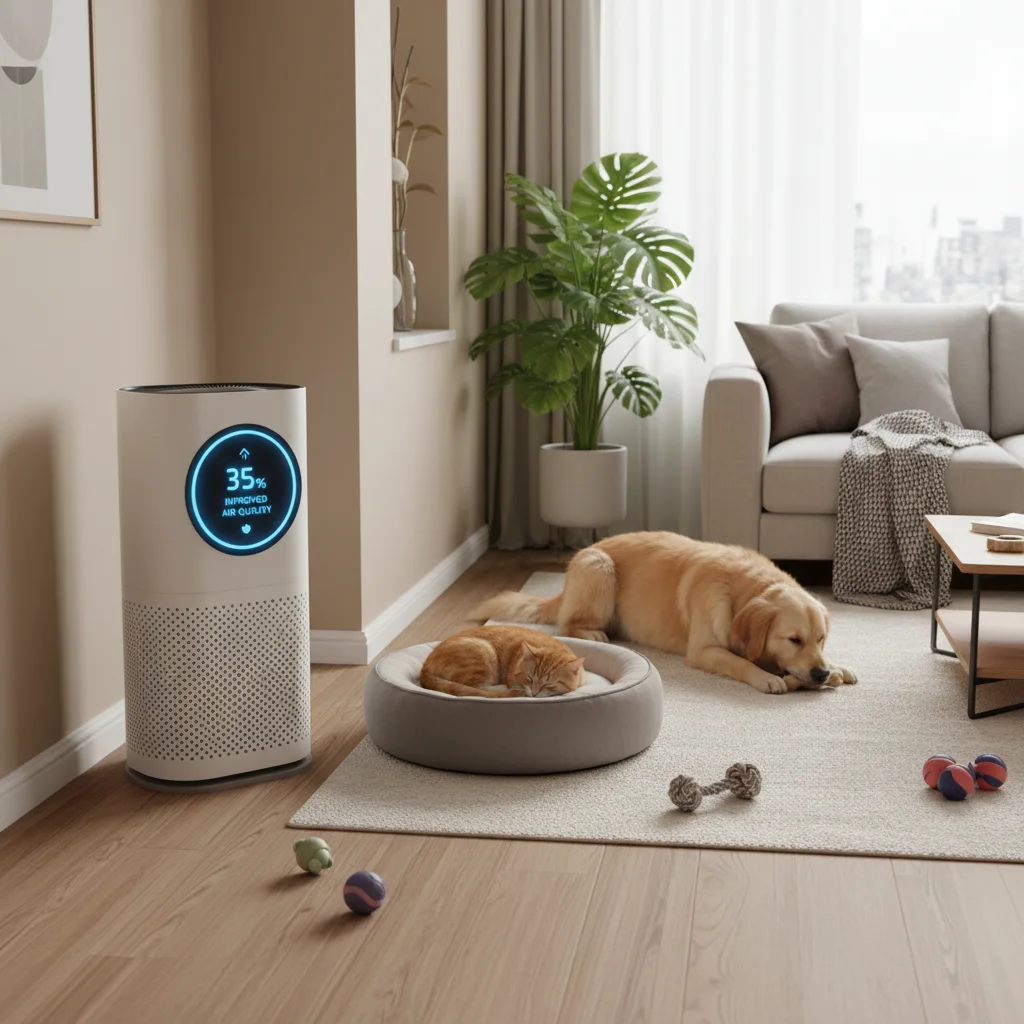
Even with meticulous cleaning, microscopic odor particles and allergens can linger in the air. This is where advanced air purification and proper ventilation become indispensable tools for pet odor control. The goal is to improve air quality by at least 35%, making your home noticeably fresher.
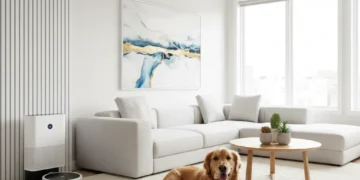
High-Quality Air Purifiers
Modern air purifiers are far more sophisticated than older models. Look for units that feature:
- HEPA Filtration: As mentioned, essential for capturing pet dander, dust, and other airborne allergens.
- Activated Carbon Filters: These are crucial for absorbing and neutralizing odors, including pet smells, cooking odors, and smoke. The carbon’s porous structure traps odor molecules.
- UV-C Light (Optional): Some purifiers include UV-C light, which can kill airborne bacteria, viruses, and mold spores, further enhancing air quality and reducing potential odor sources.
- CADR Rating: Check the Clean Air Delivery Rate (CADR) to ensure the purifier is powerful enough for your room size.
Place air purifiers in areas where your pets spend the most time, such as living rooms and bedrooms. Running them continuously, especially during peak pet activity times, can make a dramatic difference in ambient air freshness.
Regular Ventilation
Don’t underestimate the power of fresh air. Opening windows and doors for at least 15-30 minutes daily, even in cooler weather, can help exchange stale, odor-laden indoor air with fresh outdoor air. If you have a whole-house ventilation system, ensure it’s well-maintained and operating efficiently. Cross-ventilation (opening windows on opposite sides of the house) is particularly effective.
Dehumidifiers
In humid climates, pet odors can be exacerbated by moisture, which encourages bacterial growth. A dehumidifier can help control humidity levels, making it harder for odor-causing microbes to thrive. This indirectly contributes to better pet odor control.
Daily Solution 5: Grooming and Pet Hygiene
Sometimes, the source of the odor is directly on your pet! Regular grooming and maintaining good pet hygiene are fundamental to comprehensive pet odor control. A clean pet means a cleaner-smelling home.
Bathing Your Pet
The frequency of bathing depends on your pet’s breed, coat type, activity level, and any skin conditions. However, a regular bathing schedule (e.g., every 4-6 weeks for most dogs, less often for cats unless necessary) using a pet-specific shampoo can significantly reduce body odor. Consult your vet or a professional groomer for advice tailored to your pet.
Brushing and Deshedding
Daily brushing, especially for shedding breeds, removes loose hair and dander before it can accumulate in your home. This not only reduces the amount of odor-causing material but also keeps your pet’s coat healthier and shinier. Deshedding tools can be particularly effective during shedding seasons.
Paw Cleaning
Pets track in a lot of outdoor elements on their paws, including dirt, allergens, and sometimes even waste. Wiping your pet’s paws with a damp cloth or pet-safe paw wipes after walks can prevent these outdoor odors and contaminants from entering your home.
Dental Hygiene
Bad breath can be a significant source of pet odor, especially when your pet is close to you. Regular dental care, including brushing your pet’s teeth, dental chews, and professional cleanings, can dramatically improve their breath and overall oral health. This is an often-overlooked aspect of pet odor control.
Ear Cleaning
Some pets, especially those with floppy ears, can develop ear infections or excessive wax buildup, leading to unpleasant odors. Regular ear checks and cleaning with a vet-approved solution can prevent these issues. If you notice a strong, persistent odor from your pet’s ears, consult your veterinarian.
Integrating Solutions for Maximum Impact
The true power of these pet odor control strategies lies in their consistent and combined application. Think of it as a multi-layered defense system against unwanted smells. Here’s how to integrate them into a seamless daily routine:
- Morning Routine: Quick vacuum of high-traffic pet areas (or run your robot vacuum). Empty and clean pet food bowls after breakfast. Open windows for 15 minutes while you get ready.
- Throughout the Day: Be vigilant for accidents and clean them immediately with an enzymatic cleaner. Run air purifiers continuously.
- Evening Routine: Brush your pet to remove loose hair before they settle down for the night. Wipe paws after the last outdoor excursion. Check and clean water bowls.
- Weekly Tasks: Wash pet beds, blankets, and toys. Deep clean floors and vacuum upholstered furniture.
- Monthly/As Needed: Bathe your pet according to their needs. Check ears and teeth.
This integrated approach not only tackles existing odors but also prevents new ones from forming, creating a perpetually fresh environment. The cumulative effect of these daily actions will be a noticeable improvement in your home’s air quality and a significant reduction in pet-related smells, truly reaching that 35% improvement target.
Beyond the Daily: Long-Term Strategies for Pet Odor Control
While daily routines are crucial, some long-term considerations can further enhance your pet odor control efforts:
Consider Pet-Friendly Materials
When choosing flooring, furniture, and fabrics, opt for materials that are easier to clean and less likely to absorb odors. Hardwood, tile, or laminate floors are generally better than wall-to-wall carpeting. Look for performance fabrics for upholstery that are stain-resistant and easy to wipe down.
Professional Cleaning
Even with diligent daily care, carpets and upholstery can benefit from professional deep cleaning once or twice a year. Professional cleaners have equipment and solutions that can extract deep-seated odors and allergens that home equipment might miss.
Diet and Hydration
Believe it or not, your pet’s diet can influence their body odor and the smell of their waste. A high-quality, balanced diet can contribute to a healthier coat and less odorous stools. Ensure your pet is well-hydrated, as proper hydration supports overall health and can sometimes reduce strong urine odors.
Regular Vet Check-ups
Unusual or persistent odors from your pet can sometimes be a sign of an underlying health issue, such as skin infections, dental problems, or anal gland issues. Regular veterinary check-ups are essential to catch and address these problems early, which in turn contributes to better pet odor control.
The Future of Fresh: Innovations in Pet Odor Control for 2026 and Beyond
The field of pet odor control is constantly evolving. In 2026, we’re seeing more smart home integrations, advanced material science, and bio-engineered solutions:
- Smart Air Quality Monitors: Devices that not only purify air but also monitor air quality in real-time, adjusting purification levels based on detected pollutants and odors.
- Self-Cleaning Pet Tech: Innovations in self-cleaning litter boxes, water fountains with advanced filtration, and even grooming devices that minimize dander spread.
- Odor-Neutralizing Fabrics: Textiles for pet beds and furniture that are infused with odor-neutralizing agents, offering passive odor control.
- Probiotic Sprays: Non-toxic sprays that introduce beneficial microbes to surfaces, outcompeting odor-causing bacteria.
Staying informed about these emerging technologies can further empower you in your quest for a fresh, odor-free home. The goal is to create an environment where you and your pets can coexist harmoniously, without the constant battle against unpleasant smells.
Conclusion: A Fresh Home is an Achievable Goal
Achieving superior pet odor control in your home doesn’t require drastic measures or constant scrubbing. It’s about implementing consistent, effective daily solutions that tackle odors at their source and continuously purify your indoor environment. By embracing immediate accident cleanup, regular cleaning of pet items, diligent vacuuming and floor care, advanced air purification, and attentive pet grooming, you can significantly reduce pet odors and dramatically improve your home’s air quality. Imagine a home where the only scents are those you choose, and the air feels clean and crisp, all while enjoying the boundless love of your cherished pets. With these 2026 strategies, that fresh, healthy home is not just a dream – it’s an achievable reality.
Start implementing these five daily solutions today and experience the transformation. Your nose, your family, and your guests will thank you, and you’ll enjoy a cleaner, fresher home environment that everyone, including your beloved pets, can appreciate.