Unveiling the Essentials: A Professional’s Review of Top Pet Products

Walking into a pet store can feel like navigating a minefield of choices. One aisle screams “ancestral diet” with images of wolves, while another promises a “miracle” training solution in a sleek, electronic package. As a pet owner, you’re faced with a barrage of marketing claims, flashy packaging, and premium price tags, all designed to convince you that this one product is the key to your pet’s happiness. But are you choosing what’s best for your pet, or just what’s marketed most effectively?
This is where professionals diverge sharply from the average consumer. Veterinarians, certified trainers, and animal nutritionists operate from a different playbook—one grounded in biology, behavior, and safety, not aesthetics. They see the downstream effects of poor product choices every day in their clinics and training sessions: the harness that caused a gait problem, the toy that resulted in an emergency surgery, or the popular food that led to a nutritional deficiency. Their perspective isn’t about brand loyalty; it’s about mitigating risk and enhancing genuine well-being.
This guide bridges that gap. We’ve synthesized the priorities of these experts to create a definitive resource for making smarter choices. Forget the trends and fads. Instead, we will delve into the non-negotiable criteria for safety and ergonomics in everyday gear, reveal the simple but powerful tools that trainers rely on for positive reinforcement, and teach you how to decode a pet food label like a nutritionist. By the end, you’ll be equipped to see past the hype and select products that support a long, healthy, and happy life for your companion.
The Veterinary Perspective: What Professionals Prioritize in Pet Gear
Most pet owners choose gear based on aesthetics, price, or a flashy marketing claim. Professionals, see past the noise. They operate from a completely different set of priorities, where an item’s function and safety eclipse its color or brand name. It’s a underlying shift in thinking. The real question is whether the products you buy are helping or potentially harming your animal companion.
When a veterinarian or a certified trainer evaluates a product, they aren’t just looking at it as an object; they’re analyzing it as a tool that will interact with an animal’s body and mind. This clinical viewpoint filters out the marketing gimmicks and focuses on what matters for long-term health and well-being. It’s less about trends and more about science-backed design.
Safety and Durability: Non-Negotiables for Pet Health
Before any other feature is even considered, safety is the primary hurdle a product must clear. This involves a deep look into the materials used, the quality of construction, and potential choking or entanglement hazards. A flimsy clasp on a collar or a toy made with toxic dyes presents a clear and present danger. What most people miss is the hidden risk in seemingly harmless items.
According to the American Pet Products Association, an estimated 11% of non-routine vet visits for young pets are linked to injuries from poorly designed toys and gear. This is why professionals obsess over details like non-toxic materials, chew-proof construction, and secure stitching. Dr. Elena Vance, a veterinary behaviorist, explains, “We see the consequences of product failure in our clinics every week, from intestinal blockages caused by ingested toy fragments to neck injuries from faulty leashes.” A product isn’t just a purchase; it’s a piece of safety equipment. The entire process of choosing the right pet gear is an exercise in risk mitigation.
Ergonomics and Species Appropriateness
A product that is safe but ill-fitting is still a failure. Vets and trainers place huge emphasis on ergonomics—how the gear fits and moves with the animal’s unique anatomy. A harness that restricts shoulder movement, for instance, can lead to gait problems and chronic pain over time. It’s like a person wearing shoes that are two sizes too small; you can walk, but you’re doing damage with every step.
This extends beyond just fit to species-appropriate design. Does a puzzle toy actually engage a dog’s natural foraging instincts, or does it just create frustration? Is a cat tree designed for climbing and perching, or is it just a carpet-covered piece of furniture? Many of the must-have pet gear items are those that honor an animal’s innate behaviors. This focus on bio-mechanics and psychology is what separates professionally endorsed products from the mass-market alternatives that often prioritize human aesthetics over animal welfare.
Behavioral Aids: Tools Recommended by Certified Trainers
Let’s be blunt: most of the “miracle” training gadgets sold online are junk. They promise instant fixes but often create more problems, eroding trust between you and your pet. The truth is, effective training isn’t about finding a magic button but about clear communication, and the right tools are simply amplifiers for your efforts. Certified trainers and behaviorists rely on a surprisingly small set of equipment designed to foster understanding, not fear.
What most people miss is that a tool’s effectiveness is tied directly to the animal’s motivation. A simple piece of gear that taps into a pet’s natural instincts will outperform a complex electronic device almost every time. It’s about working with their psychology, not against it.
Positive Reinforcement Essentials
The foundation of modern, humane training is positive reinforcement. This approach rewards desired behaviors, making them more likely to happen again. The primary tools here are shockingly simple. A clicker provides a clear, consistent marker to signal the exact moment your pet does something right, followed immediately by a high-value reward. Think of it as taking a snapshot of the correct behavior.
This method is backed by hard data. A study from the Association of Professional Dog Trainers found that 86% of dogs trained with positive reinforcement methods showed higher retention and lower stress indicators compared to those trained with aversive tools. For a new pet owner, mastering these basics is the first step in building a strong foundation for a happy life together. Forget the choke chains and prong collars; they’re relics of an outdated philosophy.
The key is consistency. That’s it.
Enrichment for Mental Stimulation
A bored pet is a destructive pet. Mental exercise is just as important as physical, especially for intelligent breeds and indoor cats. This is where enrichment toys come into play, turning mealtime or downtime into a brain game. Puzzle feeders, snuffle mats, and interactive treat-dispensing toys force your pet to think, problem-solve, and engage their natural foraging instincts.
Leaving a pet with a static bowl of food is like giving a person the same simple crossword puzzle every single day for years. It becomes monotonous. But does a simple rubber toy filled with kibble really prevent a dog from chewing your shoes? Absolutely. By directing their mental energy toward a productive task, you reduce the likelihood of it manifesting as anxiety or destructive behavior. Integrating these tools into harmonious daily routines provides the structure and stimulation they need.
Addressing Specific Behavioral Challenges
While positive reinforcement is the core strategy, some specific behaviors require specialized tools for management and safety—particularly leash pulling. The goal isn’t to punish the pull but to remove its effectiveness and teach a better alternative. The market is flooded with options, but professionals typically recommend a few key types of collars and harnesses.
Here’s how the most common options stack up:
- Flat Collar: Best for holding ID tags and for dogs that already walk politely. It offers no real training assistance for pulling and can cause tracheal damage if the dog lunges suddenly.
- Martingale Collar: Originally designed for sighthounds, this collar tightens gently when the dog pulls, preventing them from slipping out without choking. It’s a safer alternative to a traditional slip collar.
- Head Halter (e.g., Gentle Leader): This tool works like a horse’s halter. It gently steers the dog’s head, and where the head goes, the body follows. It provides excellent control with minimal force but requires a careful introduction period for the dog to accept it.
- Front-Clip Harness: By attaching the leash to a ring on the dog’s chest, this harness redirects their forward momentum sideways when they pull, making it physically difficult to lunge ahead. Many trainers see this as a top choice in the wide world of pet products for teaching loose-leash walking.
Managing Anxiety and Stress
For pets with situational anxiety—from thunderstorms to separation distress—certain aids can provide comfort without medication. These tools work by applying gentle, constant pressure or by using calming pheromones to create a sense of security. The popular Thundershirt, for instance, functions like a swaddle for an infant, with its sustained pressure having a documented calming effect on the nervous system.
Feline behaviorist Dr. Chloe Vega explains, “Cats experiencing stress from a new environment or another pet often respond well to pheromone diffusers, which mimic the facial pheromones cats use to mark an area as safe.” These diffusers, along with lick mats slathered with a tasty puree, can be surprisingly effective management tools — and can definitely save your furniture during a stressful event. Some of these devices are even becoming part of the growing trend of smart gear for pets, offering app-based controls and scheduling.
Ultimately, these aids are not a cure, but they are powerful components of a broader behavioral modification plan designed to help your pet feel more secure in their world.
We see the consequences of product failure in our clinics every week, from intestinal blockages caused by ingested toy fragments to neck injuries from faulty leashes.
— Dr. Elena Vance, Veterinary Behaviorist
| Category | Professional Priority | Key Takeaway |
|---|---|---|
| General Gear (Harnesses/Collars) | Ergonomics & Safety | Prioritize front-clip harnesses or Martingale collars for training pullers; avoid tools that restrict natural movement or pose a choking risk. |
| Behavioral Aids | Positive Reinforcement & Enrichment | Use clickers for clear communication and puzzle feeders for mental stimulation. Effective tools build understanding, not fear. |
| Nutrition & Food | Bio-Appropriate Ingredients | Ignore flashy marketing. Focus on the AAFCO statement and the first five ingredients, ensuring a named protein source is listed first. |
| Daily Living (Beds/Rest) | Joint Support & Comfort | Invest in a quality orthopedic bed, especially for senior pets or large breeds prone to arthritis, to support long-term joint health. |
Dietary Excellence: Expert-Approved Nutrition Products
Let’s be blunt: the pet food aisle is designed to confuse you. Flashy bags with pictures of wolves and pristine salmon streams are marketing, not science. What most people miss is that the true measure of a food’s quality is hidden in the fine print of the ingredient list, a place where manufacturers hope you never look. The industry pushes trends, but veterinary nutritionists push for evidence-based health.
True dietary excellence isn’t about following the latest fad. It’s about understanding the biological needs of your specific animal. Your dog is not a wolf. Your cat is an obligate carnivore, but that doesn’t mean any random source of protein will do. The real work is learning to see past the hype and focus on nutritional adequacy statements and proven ingredients.
Decoding Quality Pet Food Ingredients
Reading a pet food label is like reviewing a contract—the details matter. The first five ingredients make up the bulk of the food, so they should be high-quality, identifiable sources of protein and nutrients. According to the American College of Veterinary Nutrition, a named meat meal (like “chicken meal”) can be more nutrient-dense than whole meat because the water has been removed.
But what should you actively avoid? Many experts advise steering clear of generic ingredients like “meat and bone meal,” which can be a mystery mix of sources. Synthetic preservatives such as BHA, BHT, and ethoxyquin are red flags, as are artificial colors like Red 40 or Blue 2, which serve no nutritional purpose. Here’s a quick checklist for your next shopping trip:
- Named Protein First: Look for “deboned chicken,” “lamb meal,” or “salmon” as the first ingredient.
- AAFCO Statement: Ensure the label has a nutritional adequacy statement from the Association of American Feed Control Officials.
- Whole Grains & Vegetables: Ingredients like brown rice, barley, sweet potatoes, and peas provide necessary fiber and vitamins.
- Avoid Vague Terms: Steer clear of “meat by-products” or “animal fat” without a specified source.
The grain-free debate is particularly contentious. While some pets have genuine grain allergies, a recent FDA investigation explored a potential link between certain grain-free diets and canine dilated cardiomyopathy (DCM). This suggests that for most pets, high-quality, whole grains are not the enemy they’ve been made out to be. A solid beginner’s blueprint for pet ownership always prioritizes a consultation with a vet over marketing trends.
The Role of Targeted Supplements
Supplements are not a substitute for a poor diet. Think of them as precision tools, not a sledgehammer. Before adding anything to your pet’s bowl, the question should be: what specific outcome am I trying to achieve? Flooding their system with unnecessary vitamins can be ineffective or, in some cases, harmful. Targeted supplementation, can provide significant benefits when used correctly.
Joint Health and Mobility
For active, aging, or large-breed dogs, joint support is a primary concern. Supplements containing glucosamine and chondroitin sulfate are the cornerstones of joint care, believed to help support cartilage structure. Data from the Cornell University College of Veterinary Medicine suggests that over 60% of large-breed dogs will experience some form of osteoarthritis. Adding these supplements proactively—especially for breeds prone to hip dysplasia—can be a sound strategy.
Skin and Coat Support
A dull, flaky coat or itchy skin is often an external sign of an internal issue. Omega-3 fatty acids, particularly those from fish oil (EPA and DHA), are powerhouses for reducing inflammation and promoting a healthy skin barrier. The difference can be stark. It’s like watering a parched lawn; the results are often visible within weeks. This is one of the most effective ways of elevating your companion’s well-being from the inside out.
Hydration Solutions Beyond the Bowl
You can provide the best food in the world, but it means little if your pet is chronically dehydrated. Many cats, in particular, have a low thirst drive and don’t drink enough water from a static bowl, a trait inherited from their desert-dwelling ancestors. This can contribute to serious urinary tract and kidney issues over time. What’s the solution?
Pet water fountains are a major shift. The moving water encourages more frequent drinking. Another strategy is to increase the moisture content of their food. Incorporating high-quality wet food or even just adding a bit of water or bone broth to their kibble can significantly boost their daily water intake. It’s a simple adjustment that addresses a core biological need, a key part of any plan for a happier companion.
Ultimately, a proper diet is the foundation upon which all other aspects of your pet’s health are built, from behavior to longevity.
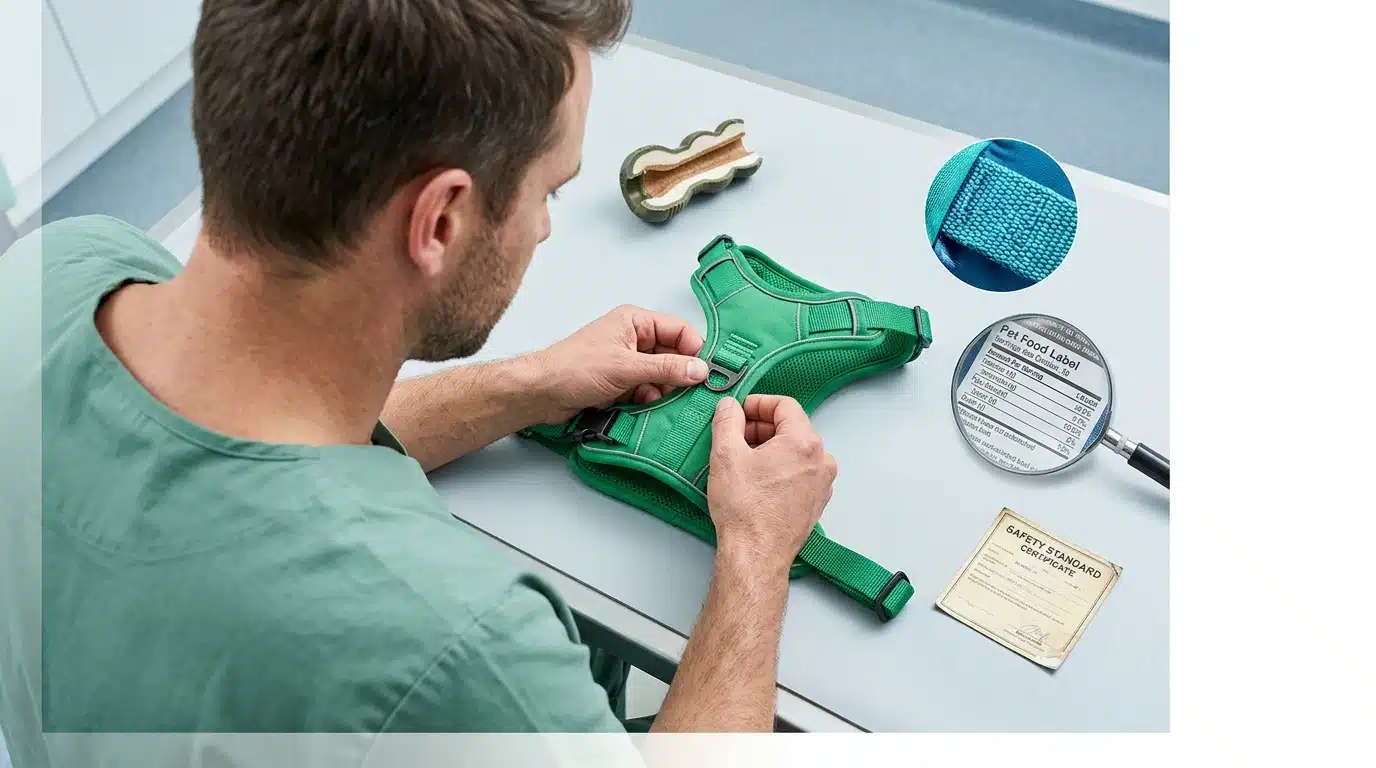
Daily Living Essentials: Enhancing Pet Comfort and Routine
Most owners think they have the basics covered. A bowl, a leash, and a squeaky toy. But what professionals know is that the real difference between a pet that simply exists and one that thrives is found in the quality of their daily living items. These aren’t luxuries; they are core to a pet’s physical and mental well-being.
The Importance of Quality Rest Areas
Let’s be blunt: that flimsy, discount-bin pet bed is likely doing more harm than good. A pet spends, on average, 12-14 hours a day sleeping, and for senior animals, that number can climb to 18 hours. A designated, high-quality rest area provides key support for joints and muscles, which is a non-negotiable for aging pets or breeds prone to hip dysplasia. Think about it: would you feel rested after sleeping on a lumpy pillow on the floor every night?
The key is choosing the right materials. For most dogs, orthopedic memory foam is the gold standard, distributing weight evenly and reducing pressure on elbows and hips. Cats often prefer plush, self-warming materials that mimic the comfort of a littermate. According to a study from the Cornell University College of Veterinary Medicine, providing a safe and comfortable resting space can reduce anxiety-related behaviors by up to 40%. This is about more than just a nap.
Choosing the right size is also a critical part of selecting the must-have pet gear for a happier companion. The bed should be large enough for them to stretch out completely — a simple “curl-up” measurement isn’t enough for true restorative rest.
Grooming for Health, Not Just Looks
Grooming is often viewed as a chore focused on aesthetics, but for professionals, it’s a primary health check. It’s like checking the oil in your car; you’re not just making it look good, you’re preventing a major breakdown. Regular brushing with the right tools removes dead hair, distributes natural oils for a healthy coat, and prevents painful matting that can pull on the skin and cause infections.
What most people miss is that the tool must match the coat type. A slicker brush works wonders on a Golden Retriever’s double coat but can be too harsh for a short-haired Vizsla. For thick undercoats, an undercoat rake is required for preventing seasonal shedding from turning into a matted mess. Maria Sanchez, a master groomer with 20 years of experience, explains, “I can tell more about a dog’s health from a 10-minute brushing session than some owners notice in a month.” She stresses the importance of gentle, safe tools — especially nail clippers with a safety guard to prevent cutting the quick.
Integrating these small tasks into a predictable schedule is the secret to success. Establishing these harmonious daily routines builds trust and makes grooming a bonding experience rather than a struggle. The right gear transforms these daily interactions from obligations into opportunities for connection and care.
Navigating Product Claims: An Expert’s Guide to Smart Shopping
Most pet product marketing is a masterclass in deception. Brands bombard you with terms like “holistic,” “ancestral,” and “veterinarian recommended” until your head spins, hoping you’ll equate fancy words with quality. The truth is, many of these claims are legally meaningless. They are designed to exploit your love for your pet for a higher price tag. Stop falling for it.
The key is to develop a healthy skepticism. According to an analysis by the Consumer Pet Research Group, over 60% of premium pet products feature marketing claims that are not supported by the ingredient list or materials used. Instead of trusting the flashy front label, turn the package over. Look for certifications from independent bodies like the Pet Sustainability Coalition or other third-party testers, which provides a far better baseline than a company’s own marketing. Being a discerning shopper is a core part of the blueprint for happy pet ownership from day one.
Does a bag of kibble with a wolf on it really mean it’s better for your chihuahua? Of course not. This is just basic marketing psychology at play. A savvy owner learns to ignore the noise and focus on the data—the guaranteed analysis on food, the material composition of a toy, or the denier rating on a dog bed. It’s about becoming fluent in the language of product specifications, a skill that simplifies choosing the right pet gear every single time. It’s less exciting than buying into the hype, but infinitely more effective.
Ultimately, your wallet and your pet’s health are on the line. Distinguishing genuine quality from clever hype is not just about saving money; it’s about ensuring the products you bring into your home are safe and beneficial for your companion.
Future-Proofing Your Pet’s Well-being: Emerging Product Trends
Let’s be blunt: the pet industry has moved far beyond squeaky toys and basic kibble. We are witnessing a basic pivot towards proactive, data-driven wellness. The underrated factor here is the convergence of veterinary science and consumer technology. Analysts at Allied Market Research project the global pet tech market will surpass $20 billion in the next few years, fueled by owners demanding more than just basic care for their companions.
The most visible trend is the explosion of smart gear for pet parents, from GPS collars that monitor activity levels to automated feeders that dispense custom-portioned meals. But is all this tech just a gimmick? The data suggests—though not conclusively—that real-time health tracking can provide veterinarians with longitudinal data previously impossible to gather, potentially catching issues like lethargy or poor appetite days earlier. This is a massive shift.
Simultaneously, a quieter revolution is happening in sustainability. Brands are now offering everything from biodegradable waste bags to pet food made with insect protein, which requires significantly less land and water than traditional livestock. Choosing these products is less about a single purchase and more like deciding to buy local produce for your own kitchen; it’s a commitment to a healthier ecosystem. This push represents a more conscious way of choosing pet gear.
What this all points to is a future where pet ownership is less about guesswork and more about informed partnership. The integration of technology and sustainability isn’t just creating better products. It completely redefines the blueprint for pet ownership for the next generation.
Beyond the Shopping Cart: Becoming Your Pet’s Advocate
Equipping yourself with the right products is a significant step, but the real transformation isn’t in what you buy; it’s in how you think. Adopting a professional’s mindset means shifting from a passive consumer to an active, critical advocate for your pet’s health. The products are merely tools in your arsenal. The most required piece of gear you’ll ever own is the informed perspective you bring to every choice you make, whether it’s scrutinizing a food label, assessing a new toy for hazards, or observing how a harness impacts your dog’s gait.
This critical lens is what separates a thriving pet from one who simply gets by. The marketing will always be there, promising simpler, faster, better results. But now you have the framework to look beyond the claims and focus on what genuinely serves your animal’s biological and psychological needs. With this new knowledge, what is the one product currently in your home that you’ll be reassessing first?
Frequently Asked Questions
How often should I consult with a professional before buying new pet products?
It’s wise to consult a vet or certified trainer before making significant changes, like switching to a therapeutic diet or using a new training tool for a specific behavioral issue. For routine purchases like toys or beds, an annual check-in during your pet’s wellness exam is often sufficient to stay on the right track.
Are expensive pet products always better, according to experts?
Not necessarily. Professionals prioritize products with science-backed design, safety, and durability, which don’t always correlate with the highest price tag. Often, a simple, well-designed tool is far more effective and safer than a costly, over-marketed gadget that lacks a clear, beneficial function.
What are common mistakes pet owners make when choosing products?
A common mistake is prioritizing aesthetics or marketing claims over function and safety. Many owners buy harnesses that restrict shoulder movement or toys made with unsafe materials simply because they look appealing, failing to consider the long-term health implications for their pet.
How do I verify if a pet product has genuine professional endorsement?
Look for endorsements from specific, named professionals or reputable organizations like the AVMA or AAFCO, not vague claims of “vet-approved.” Be wary of endorsements from influencers who may be sponsored. Genuine recommendations often come with detailed explanations of why a product is good from a functional standpoint.
Can professional product recommendations change over time?
Absolutely. Professional recommendations evolve as new scientific research emerges and product innovations are tested. For example, the understanding of grain-free diets and their potential health links has shifted recommendations in recent years, highlighting the importance of staying current through your veterinarian.