Solving Cat Behavior Problems: A Comprehensive Guide for Owners
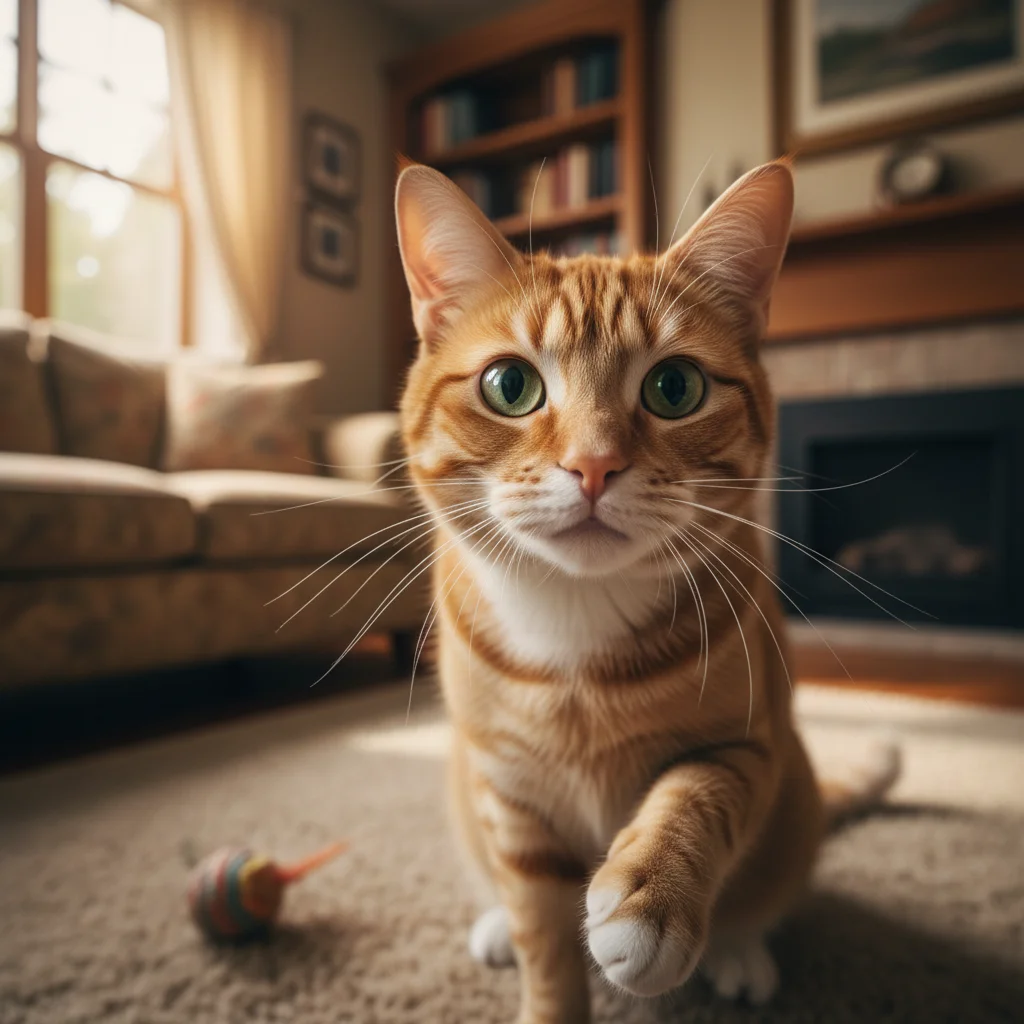
Cats are beloved companions, bringing joy, comfort, and sometimes, a bit of mystery into our lives. While their independent nature is often endearing, it can also lead to a range of cat behavior problems that leave owners puzzled and frustrated. From inappropriate urination to unexpected aggression, these issues are not signs of a ‘bad’ cat, but rather indicators that something in their environment or health needs attention. Understanding the root causes of these behaviors is the first step toward finding effective and humane solutions.
This comprehensive guide aims to demystify common cat behavior problems, providing you with the knowledge and tools to address them proactively. We’ll delve into the ‘why’ behind these behaviors and offer practical, actionable strategies to modify them, fostering a stronger, happier bond between you and your feline friend. By 2026, with the insights shared here, you’ll be well-equipped to tackle even the most persistent challenges, transforming your home into a sanctuary for both human and cat alike.
Understanding the Feline Mind: Why Cat Behavior Problems Arise
Before we dive into specific cat behavior problems, it’s crucial to grasp the fundamental nature of cats. They are creatures of habit, territorial, and highly sensitive to their environment. Any sudden change, perceived threat, or underlying health issue can manifest as undesirable behavior. Often, what we perceive as ‘misbehavior’ is simply a cat communicating their needs, discomfort, or stress in the only way they know how.
The Impact of Environment on Cat Behavior
A cat’s environment plays a monumental role in shaping its behavior. A lack of stimulating activities, insufficient resources (like litter boxes, food, water, or scratching posts), or perceived threats from other pets or people can all contribute to stress and anxiety. These stressors can trigger a cascade of behavioral issues, ranging from destructive scratching to withdrawal and hiding. Creating a rich, safe, and predictable environment is foundational to preventing and resolving many cat behavior problems.
Health as a Precursor to Behavioral Changes
It cannot be overstated: always rule out medical issues first. Many behavioral changes, especially sudden ones, are symptoms of underlying health problems. A cat that suddenly starts urinating outside the litter box might have a urinary tract infection, while increased aggression could signal pain or discomfort. A visit to the veterinarian is always the first and most critical step when addressing new or escalating cat behavior problems.
Communication Breakdown: Interpreting Feline Cues
Cats communicate through a complex language of body postures, vocalizations, and scent marking. Misinterpreting these signals can exacerbate cat behavior problems. For instance, a cat that hisses or swats isn’t being ‘mean’; it’s expressing fear, pain, or a desire for space. Learning to read your cat’s body language can help you anticipate and prevent undesirable behaviors, fostering a more harmonious relationship.
Common Cat Behavior Problems and Their Solutions
Now, let’s explore some of the most frequently encountered cat behavior problems and equip you with effective strategies to address them.
1. Inappropriate Urination or Defecation (Litter Box Aversion)
This is arguably one of the most frustrating cat behavior problems for owners. When a cat stops using its litter box, it’s a strong indicator that something is wrong. As mentioned, medical issues like UTIs, kidney disease, or diabetes are prime suspects and must be ruled out by a vet.
Environmental Factors and Solutions:
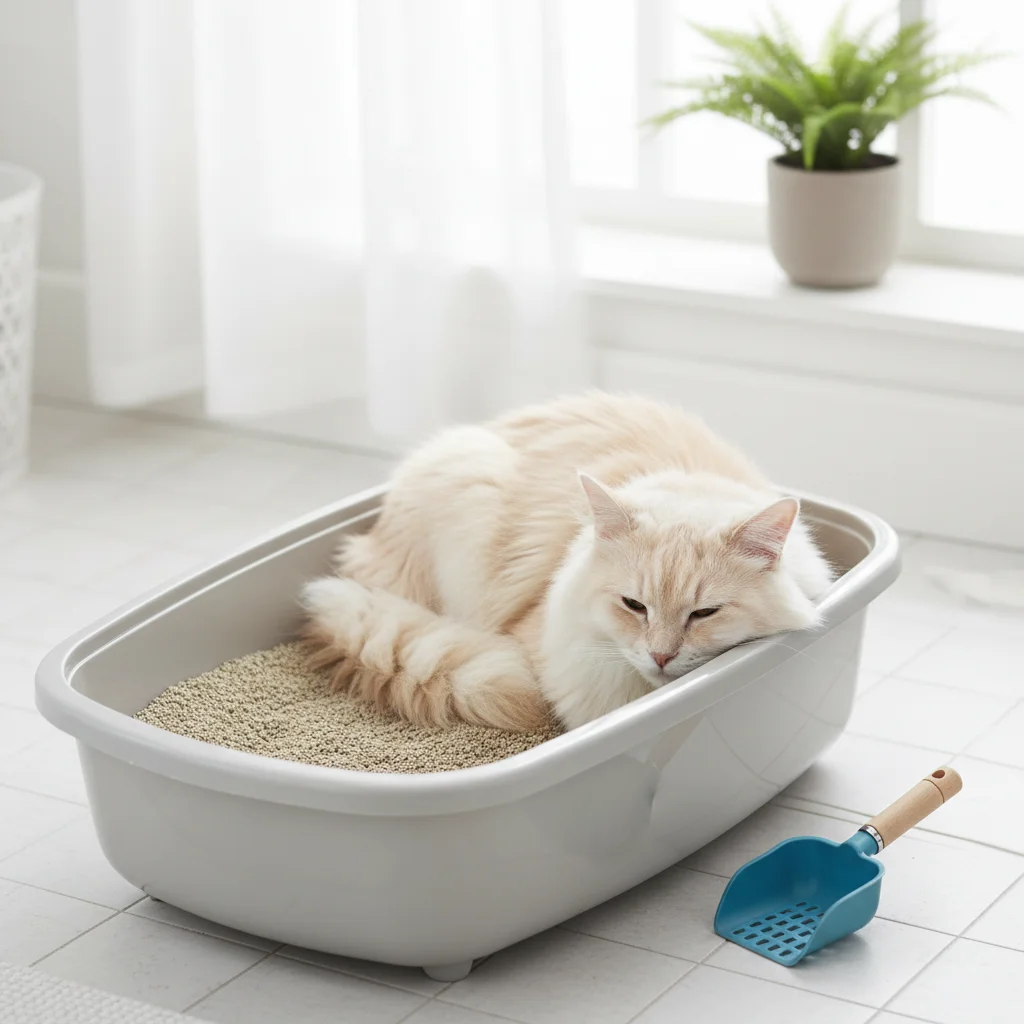
- Litter Box Cleanliness: Cats are fastidious. A dirty litter box is the most common reason for aversion. Scoop at least once, ideally twice, daily. Change the litter completely and clean the box with mild, unscented soap weekly.
- Number of Litter Boxes: The general rule of thumb is one litter box per cat, plus one extra. For example, two cats should have three litter boxes. This prevents competition and ensures a clean option is always available.
- Litter Type: Many cats have strong preferences. Unscented, fine-grained clumping litter is usually preferred as it mimics natural digging surfaces. Avoid scented litters, as the perfumes can be off-putting.
- Litter Box Location: Place litter boxes in quiet, private, easily accessible locations. Avoid high-traffic areas, noisy appliances, or places where the cat might feel trapped. Ensure they are not near food and water bowls.
- Litter Box Type: Some cats dislike covered boxes because they trap odors or make them feel vulnerable. Others may not like automatic self-cleaning boxes due to the noise or movement. Experiment with different types if your cat is particular.
- Stress and Anxiety: Changes in routine, new pets, new people, or inter-cat aggression can cause stress leading to inappropriate elimination. Address the source of stress, provide calming pheromone diffusers, or consult a vet for anti-anxiety medication if severe.
2. Destructive Scratching
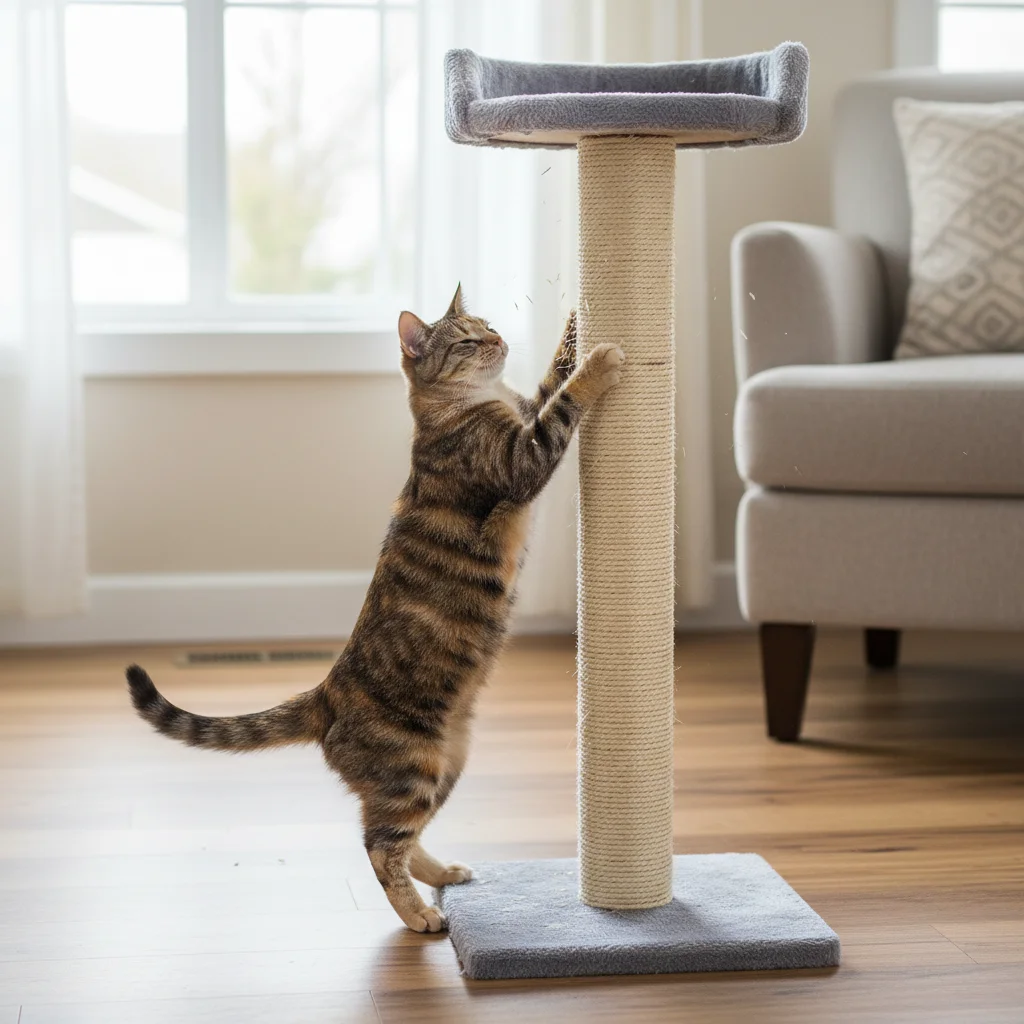
Scratching is a natural and essential feline behavior. Cats scratch to sharpen their claws, stretch their muscles, mark their territory (visually and with scent from glands in their paws), and relieve stress. The problem arises when they choose your furniture over appropriate scratching surfaces. This is one of the most common cat behavior problems that can damage household items.
Solutions for Appropriate Scratching:
- Provide Ample Scratching Posts: Offer a variety of scratching surfaces – vertical posts, horizontal pads, cardboard, sisal, carpet, wood. Cats have preferences!
- Placement is Key: Place scratching posts in prominent areas where your cat already spends time, especially near their sleeping spots and areas they’ve previously scratched inappropriately. Cats often scratch after waking up.
- Stability and Height: Ensure scratching posts are tall enough for your cat to stretch to their full height and are stable so they don’t wobble.
- Make Inappropriate Areas Undesirable: Cover previously scratched furniture with thick blankets, double-sided tape (cats dislike sticky surfaces), aluminum foil, or plastic sheets. You can also use citrus-scented sprays, as most cats dislike citrus.
- Positive Reinforcement: When your cat uses the scratching post, praise them and offer a treat. Make the scratching post appealing by sprinkling catnip on it or hanging toys from it.
- Regular Nail Trims: Keep your cat’s claws trimmed regularly. This won’t stop scratching, but it will minimize damage.
3. Aggression Towards Humans or Other Pets
Feline aggression is a serious cat behavior problem that can be complex and dangerous. It can stem from fear, pain, territoriality, play, redirected aggression, or maternal instincts. Always consult a veterinarian first to rule out any medical causes for sudden aggression.
Types of Aggression and Solutions:
- Play Aggression: Common in young, energetic cats who weren’t taught appropriate play by littermates or owners. Avoid using your hands or feet as toys. Instead, use wand toys, laser pointers, and interactive toys that keep your hands out of harm’s way. Provide plenty of active play sessions daily.
- Fear Aggression: A cat that feels threatened may lash out. Identify and eliminate the perceived threat. Provide safe hiding spots (cat trees, boxes) where your cat can retreat. Approach fearful cats slowly and gently, allowing them to initiate contact.
- Territorial Aggression: Often seen with the introduction of new pets. Gradual, positive introductions are crucial. Provide ample resources (food, water, litter boxes, resting spots) to minimize competition. Use pheromone diffusers to reduce stress.
- Redirected Aggression: Occurs when a cat is agitated by something they can’t reach (e.g., another cat outside a window) and then lashes out at the closest target (you or another pet). Identify and remove the source of frustration. Provide environmental enrichment to keep your cat engaged indoors.
- Petting-Induced Aggression: Some cats have a limited tolerance for physical contact. Learn your cat’s warning signs (tail flicking, skin twitching, ears flattening, growling) and stop petting before they reach their limit. Focus on shorter, more frequent interactions.
4. Excessive Vocalization (Meowing, Yowling)
While some cat breeds are naturally more vocal than others (e.g., Siamese), excessive meowing or yowling can be a distressing cat behavior problem. Again, a vet check is paramount to rule out medical issues like hyperthyroidism, pain, or cognitive dysfunction in older cats.
Behavioral Causes and Solutions:
- Attention Seeking: Cats quickly learn that vocalizing gets them what they want. If your cat meows for food, attention, or to be let outside, try to ignore the meows and only reward quiet behavior. Provide attention on your terms, not theirs.
- Boredom or Loneliness: A bored or lonely cat might meow excessively. Increase playtime, provide puzzle feeders, interactive toys, and environmental enrichment (cat trees, window perches). Consider a second cat if your lifestyle allows and your current cat is social.
- Hunger/Thirst: Ensure food and water bowls are always full and accessible. If your cat is on a strict feeding schedule, they may vocalize around meal times.
- Stress/Anxiety: New environments, changes in routine, or the loss of a companion can cause stress. Provide a consistent routine, safe spaces, and consider calming pheromones.
- Heat Cycle (Unspayed Females): Unspayed female cats will yowl loudly and frequently when in heat. Spaying is the definitive solution and offers numerous health benefits.
- Cognitive Dysfunction (Elderly Cats): Older cats can experience disorientation and anxiety, leading to increased vocalization, especially at night. Consult your vet for diagnosis and potential medication.
5. Chewing on Inappropriate Objects
While less common than other cat behavior problems, some cats develop a habit of chewing on houseplants, electrical cords, fabrics, or other household items. This can be dangerous and destructive.
Reasons and Solutions:
- Boredom/Lack of Stimulation: A bored cat may chew to entertain themselves. Provide plenty of interactive toys, puzzle feeders, and regular playtime.
- Teething (Kittens): Just like puppies, kittens explore the world with their mouths and may chew to relieve discomfort during teething. Offer appropriate chew toys designed for cats.
- Nutritional Deficiencies/Pica: In rare cases, chewing on non-food items (pica) can indicate a nutritional deficiency or an underlying medical condition. Always consult your vet.
- Stress/Anxiety: Chewing can be a self-soothing behavior for anxious cats. Address the source of stress in their environment.
- Attraction to Specific Textures: Some cats are simply attracted to the texture of certain fabrics, plastics, or plants.
Preventative Measures:
- Remove or Secure Dangerous Items: Hide electrical cords, keep toxic plants out of reach, and put away valuable items your cat might chew.
- Provide Safe Chew Toys: Offer cat-specific chew toys, silvervine sticks, or even raw, unseasoned chicken necks (under supervision) as appropriate chewing outlets.
- Deterrents: Apply bitter-tasting sprays (designed for pets) to items your cat chews. Most cats dislike the taste.
- Environmental Enrichment: Keep your cat mentally and physically stimulated to reduce boredom-induced chewing.
The Importance of Patience and Consistency
Addressing cat behavior problems requires a significant amount of patience, consistency, and a willingness to understand things from your cat’s perspective. There are no quick fixes, and punishment is almost always counterproductive. Punishment can instill fear, damage your bond, and often exacerbates the underlying problem rather than solving it.
Positive Reinforcement: The Key to Success
Cats respond best to positive reinforcement. Reward desired behaviors with treats, praise, or affection. This helps your cat associate good behavior with positive outcomes, making them more likely to repeat it. For example, if your cat uses the scratching post, immediately praise and treat them. If they go to the litter box, a quiet ‘good kitty’ can reinforce the behavior.
Creating a Predictable and Enriched Environment
Many cat behavior problems stem from a lack of environmental enrichment or an unpredictable routine. Cats thrive on routine and feeling secure in their territory. Ensure your cat has:
- Safe Spaces: Hiding spots, cat trees, and elevated perches where they can feel secure and observe their surroundings.
- Mental Stimulation: Puzzle feeders, interactive toys, regular play sessions, and access to window views.
- Physical Exercise: Daily play with wand toys to mimic hunting behavior.
- Consistent Routine: Feeding times, playtimes, and interaction should be as consistent as possible.
- Adequate Resources: Sufficient food, water, and litter boxes in appropriate locations.
When to Seek Professional Help
While many cat behavior problems can be managed with the strategies outlined above, some cases require professional intervention. If you’ve tried various methods without success, if the behavior is dangerous (severe aggression), or if you feel overwhelmed, don’t hesitate to consult:
- Your Veterinarian: Always the first step to rule out medical causes. They can also refer you to specialists.
- Certified Feline Behaviorist: These professionals specialize in understanding and modifying cat behavior. They can conduct in-home assessments and develop tailored behavior modification plans.
- Veterinary Behaviorist: A veterinarian with specialized training in animal behavior. They can prescribe medication in conjunction with behavior modification if necessary.
Preventing Cat Behavior Problems Before They Start
Prevention is always better than cure. By being proactive, you can significantly reduce the likelihood of developing cat behavior problems. Here are some preventative measures:
- Early Socialization: Expose kittens to various sights, sounds, people, and gentle handling from a young age to help them become well-adjusted adults.
- Spaying/Neutering: This prevents unwanted litters and significantly reduces hormone-driven behaviors like spraying, yowling, and roaming.
- Environmental Enrichment: Provide a stimulating environment from day one. This includes vertical space, scratching posts, toys, and opportunities for play and exploration.
- Consistent Routine: Establish a predictable routine for feeding, play, and interaction.
- Positive Reinforcement Training: Teach your cat basic commands (like ‘come’ or ‘sit’) using positive reinforcement. This strengthens your bond and provides mental stimulation.
- Regular Vet Check-ups: Routine veterinary care helps catch potential health issues early, before they manifest as behavioral problems.
- Careful Introductions: When introducing new pets or people, do so gradually and positively to minimize stress and prevent territorial or fear-based aggression.
Conclusion: A Harmonious Home for You and Your Cat
Living with cats is an incredibly rewarding experience, and understanding their unique needs is paramount to a happy coexistence. By recognizing that cat behavior problems are often a form of communication rather than defiance, we can approach them with empathy and effective strategies. From ensuring a pristine litter box to providing ample scratching opportunities and engaging playtime, each solution contributes to a cat’s overall well-being and reduces stress for everyone in the household.
Remember, patience is your greatest ally. Implementing changes takes time, and consistency is key. By diligently applying the advice in this guide, and knowing when to seek professional help, you can transform challenging situations into opportunities for deeper understanding and a stronger bond with your feline companion. By 2026, let’s aim for a world where every cat owner feels empowered to solve cat behavior problems, creating harmonious, loving homes for our cherished pets.