
As pet ownership continues to rise across the United States, so does the desire among pet parents to ensure their furry companions are well-behaved, happy, and integrated members of the family. However, even the most beloved pets can develop challenging behaviors that test our patience and strain our bond. From incessant barking and destructive chewing to leash reactivity and house-soiling, these common issues often leave owners feeling frustrated and unsure where to turn. The good news? Most pet behavior issues are manageable and can be significantly improved with consistent effort, the right strategies, and a structured approach. This comprehensive 4-week pet behavior training plan is designed specifically for U.S. pet owners in early 2026, offering practical, actionable steps to address common problems and foster a harmonious household.
Embarking on a pet behavior training journey requires commitment, patience, and a deep understanding of your pet’s needs. This isn’t about quick fixes; it’s about building a foundation of trust, clear communication, and positive reinforcement. By dedicating just a few weeks to this structured plan, you’ll not only see a noticeable improvement in your pet’s behavior but also deepen the incredible connection you share. Let’s dive into how you can transform your pet’s habits and create a more peaceful home environment.
Understanding the Root Cause of Pet Behavior Issues
Before we jump into specific training techniques, it’s crucial to understand that undesirable behaviors rarely happen in a vacuum. They are often symptoms of underlying needs, emotions, or learned associations. A dog that barks excessively might be bored, anxious, seeking attention, or reacting to external stimuli. A cat that scratches furniture might not have appropriate outlets for its natural instincts. Identifying the ‘why’ behind the behavior is the first, and arguably most important, step in effective pet behavior training.
- Medical Conditions: Always rule out health issues first. A sudden change in behavior, such as house-soiling or aggression, could indicate pain, discomfort, or an underlying illness. Consult your veterinarian for a thorough check-up.
- Lack of Exercise/Mental Stimulation: Many behavior problems stem from pent-up energy or boredom. Dogs and cats need appropriate physical activity and mental enrichment to thrive.
- Anxiety and Fear: Loud noises, new environments, separation from owners, or past negative experiences can trigger anxiety, leading to behaviors like destructive chewing, excessive vocalization, or aggression.
- Attention-Seeking: Pets quickly learn that certain behaviors (like barking or nudging) garner attention, even if that attention is negative (e.g., yelling).
- Inconsistent Training/Boundaries: If rules aren’t clear, consistent, and applied by everyone in the household, pets can become confused about what is expected of them.
- Natural Instincts: Behaviors like digging, chewing, scratching, or hunting are natural for pets. The goal isn’t to eliminate them but to redirect them to appropriate outlets.
By taking the time to observe your pet and consider these factors, you’ll be better equipped to choose the most effective pet behavior training strategies.
The Philosophy of Positive Reinforcement in Pet Behavior Training
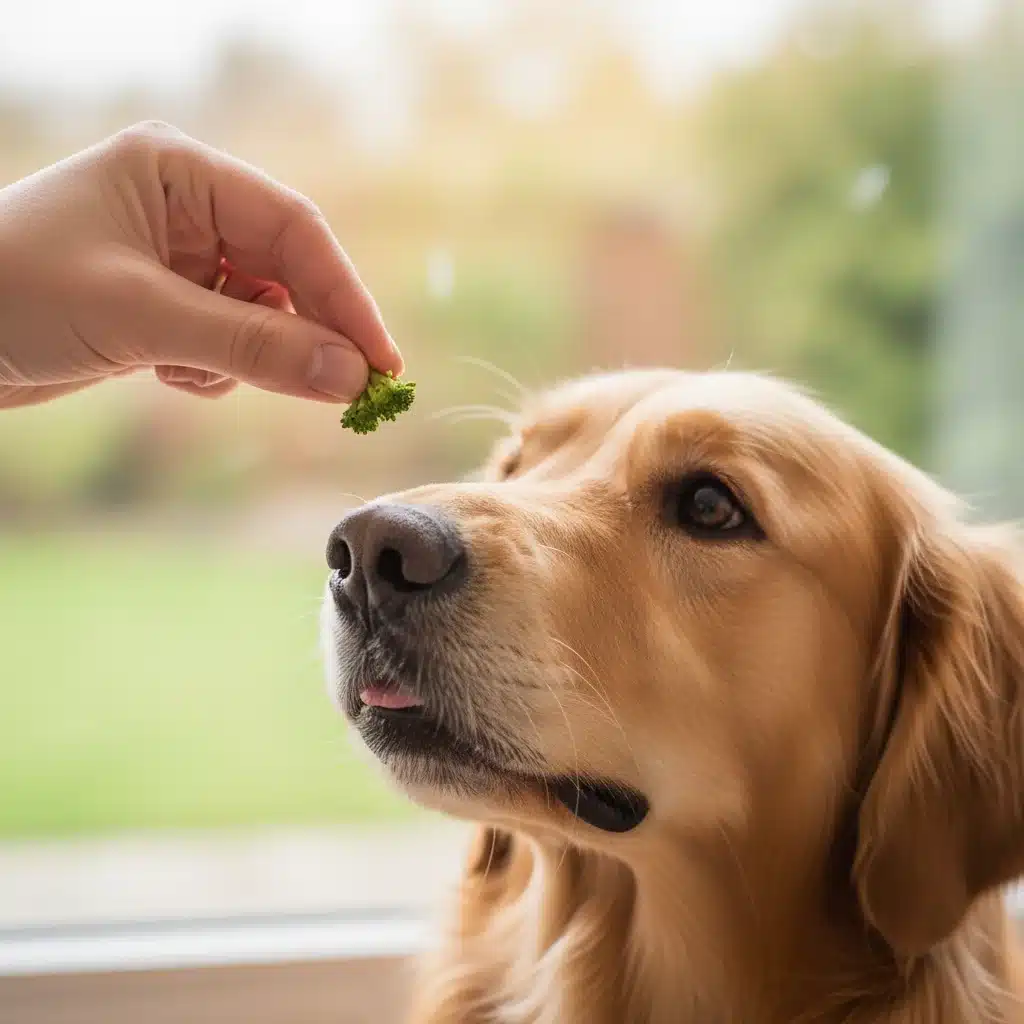
This 4-week plan is built on the principles of positive reinforcement, a highly effective and humane training method. Positive reinforcement involves adding something desirable (like a treat, praise, or a favorite toy) immediately after your pet performs a desired behavior. This makes your pet more likely to repeat that behavior in the future. It fosters a positive relationship between you and your pet, built on trust and cooperation, rather than fear or intimidation.
Key Principles of Positive Reinforcement:
- Reward Immediately: The reward must be delivered within 1-3 seconds of the desired behavior so your pet clearly associates the action with the positive outcome.
- High-Value Rewards: Use treats or praise that your pet absolutely loves, especially when learning new behaviors. Over time, you can fade out constant treats.
- Consistency is Key: Everyone in the household must be on board with the training plan and apply rewards and cues consistently.
- Short, Frequent Sessions: Pets, especially young ones, have short attention spans. Aim for 5-10 minute training sessions multiple times a day rather than one long, tedious session.
- Avoid Punishment: Punishment can lead to fear, anxiety, and aggression, and it often only suppresses the behavior without addressing the underlying cause. Instead, focus on redirecting unwanted behaviors and rewarding desired ones.
Week 1: Establishing Foundation and Addressing Basic Needs
The first week focuses on setting the stage for success. This means optimizing your pet’s environment, ensuring their basic needs are met, and establishing clear communication. This foundational work is critical for any effective pet behavior training.
Day 1-3: Assessment and Environment Optimization
- Behavioral Audit: Keep a journal of your pet’s problem behaviors. When do they occur? What happens right before? What happens right after? Who is present? This data will be invaluable.
- Vet Check-up (if not recent): As mentioned, rule out any medical causes for behavior changes.
- Adequate Exercise: Are you meeting your pet’s daily exercise requirements? For dogs, this might mean longer walks, fetch, or dog park visits. For cats, interactive play with wand toys or laser pointers.
- Mental Enrichment: Provide puzzle toys, snuffle mats, or chew toys to keep them mentally stimulated, especially when you’re not around.
- Safe Space: Ensure your pet has a quiet, comfortable space where they can retreat and feel secure (e.g., a crate for dogs, a high perch for cats).
Day 4-7: Introducing Cues and Positive Associations
- “Look at Me”/”Focus” Command: Teach your pet to make eye contact with you on cue. Start in a quiet environment, hold a treat near your eye, and when they look, say “Yes!” and give the treat. Practice frequently. This is fundamental for gaining their attention when distractions arise.
- Crate Training/Place Training (Dogs): If your dog struggles with separation anxiety or destructive chewing, a crate can be a safe haven. Make it a positive experience with treats and toys. Teach a “Go to your place” cue for settling.
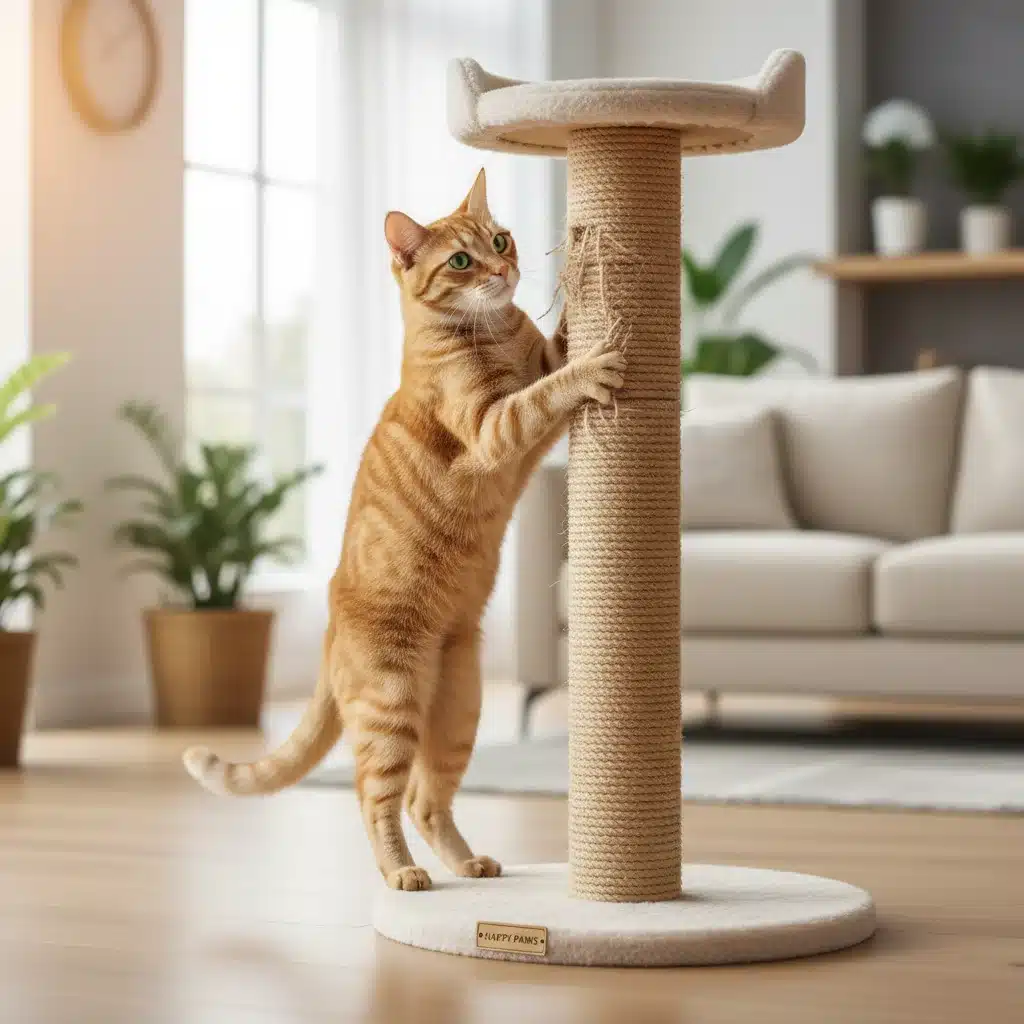
- Appropriate Scratching (Cats): Provide multiple scratching posts (different materials and orientations – vertical and horizontal). Make them appealing with catnip and praise when used. Redirect from furniture by covering it or making it less appealing (e.g., double-sided tape).
- Managing Attention-Seeking: Ignore unwanted attention-seeking behaviors (like nudging or whining) and only give attention when your pet is calm and quiet. This is harder than it sounds but incredibly effective.
Week 2: Addressing Common Nuisance Behaviors
With a foundation established, Week 2 tackles some of the most common complaints among pet owners. Consistency and patience remain paramount during this phase of pet behavior training.
Day 8-10: Excessive Barking (Dogs) / Excessive Meowing (Cats)
- Identify Triggers: Refer to your behavior journal. Is it doorbell, other dogs, boredom, anxiety?
- Doorbell Barking: When the doorbell rings, immediately distract with a high-value treat, then send your dog to their “place” and reward them for staying quiet. Practice with a simulated doorbell.
- Boredom Barking/Meowing: Increase exercise and mental stimulation. Rotate toys, use puzzle feeders.
- Anxiety Barking/Meowing: Consult a professional if severe. For mild cases, counter-condition by associating the trigger with positive things (e.g., treats during a thunderstorm).
- Ignore and Reward Quiet: For attention-seeking vocalization, ignore the noise. The moment there’s a pause in barking/meowing, reward them.
Day 11-14: Destructive Chewing (Dogs) / Inappropriate Chewing (Cats)
- Provide Appropriate Outlets: Offer a variety of durable chew toys (Kongs, Nylabones, natural chews) that are more appealing than your furniture. Rotate them to keep interest high.
- Supervision and Redirection: Actively supervise your pet. If you catch them chewing something inappropriate, calmly interrupt, redirect them to an approved chew toy, and then praise and reward when they engage with it.
- Bitter Sprays: For persistent chewing on specific items, use pet-safe bitter-tasting sprays as a deterrent.
- Secure Your Home: “Puppy-proof” or “kitten-proof” your home by removing tempting items from reach.
Week 3: Leash Manners and House-Training Refinements
This week focuses on improving outdoor experiences and ensuring house-training is solid, crucial aspects of successful pet behavior training.
Day 15-17: Leash Pulling (Dogs)
- Equipment Check: A front-clip harness or a head halter can be very effective tools for managing pulling without causing pain. Avoid retractable leashes as they teach dogs to pull.
- Stop-and-Go Method: When your dog pulls, immediately stop walking. Only resume walking when the leash slackens. Reward them when they walk calmly beside you.
- Change Direction: If your dog pulls, abruptly change direction. This forces them to pay attention to you.
- Reward Loose Leash: Consistently reward your dog with treats and praise when they walk on a loose leash.
- Practice in Low-Distraction Areas: Start in your yard or a quiet street, gradually introducing more distractions as your dog improves.
Day 18-21: House-Training Refreshers and Consistency (All Pets)
- Consistent Schedule: Maintain a predictable schedule for potty breaks, feeding, and play.
- Supervision: When your pet is indoors and not confined, actively supervise them. Use a tether or keep them in the same room as you.
- Immediate Potty Breaks: Take your pet out immediately after waking up, after eating/drinking, and after play.
- Reward Success: Lavishly praise and reward your pet immediately after they eliminate in the appropriate spot.
- Clean Accidents Thoroughly: Use an enzymatic cleaner to eliminate odors that might attract your pet back to the same spot.
- Litter Box Maintenance (Cats): Ensure litter boxes are clean (scoop daily, change litter weekly/bi-weekly), easily accessible, and in a private location. Have one more litter box than the number of cats.
Week 4: Advanced Socialization and Maintaining Progress
The final week of our pet behavior training plan focuses on generalizing behaviors to new environments, improving social skills, and establishing long-term maintenance strategies.
Day 22-24: Socialization and Desensitization
- Gradual Exposure: If your pet is reactive to other animals, people, or noises, begin very gradual, controlled exposure from a safe distance. Reward calm behavior.
- Positive Experiences: Arrange positive interactions with well-behaved animals and calm people. Always ensure these experiences are positive and never force your pet into uncomfortable situations.
- Controlled Environments: Start in quiet parks or pet-friendly stores during off-peak hours.
- Professional Guidance: For severe reactivity or aggression, consult a certified professional dog trainer or veterinary behaviorist.
Day 25-28: Generalization and Long-Term Strategies
- Practice in New Environments: Once your pet is reliable with cues at home, start practicing in different, slightly more distracting environments.
- Fade Treats (Gradually): While treats are great for learning, you don’t want your pet to only perform for food. Gradually replace treats with praise, petting, or a favorite toy. Keep treats unpredictable – sometimes they get one, sometimes they don’t.
- Continue Mental & Physical Stimulation: This is an ongoing need. Keep your pet engaged to prevent boredom-related behaviors from resurfacing.
- Enroll in Classes: Consider an obedience class for dogs or a trick-training class for cats. This provides continued learning and socialization.
- Be Prepared for Setbacks: No training journey is linear. If a behavior resurfaces, go back to basics, simplify the environment, and reinforce heavily.
Troubleshooting Common Pet Behavior Training Challenges
Even with a solid plan, you might encounter hurdles. Here are some common challenges and how to address them:
- Lack of Progress: Re-evaluate your consistency, the value of your rewards, and whether you’ve truly identified the root cause. Are you asking too much too soon? Break behaviors into smaller steps.
- Regression: This often happens during growth spurts, changes in routine, or increased stress. Go back to basics, review the foundations, and increase your positive reinforcement.
- Pet is Not Food Motivated: Experiment with different treats (cheese, cooked chicken, hot dogs). If food isn’t a motivator, use toys, praise, or brief play sessions as rewards.
- Too Many Distractions: Start training in a very quiet environment. Gradually introduce distractions once your pet is reliable. Never set your pet up for failure.
- Owner Frustration: Take a break! Training should be enjoyable for both of you. If you’re getting frustrated, your pet will sense it. End the session on a positive note, even if it’s for a simple, known cue.
When to Seek Professional Help for Pet Behavior Training
While this 4-week plan covers many common issues, some behaviors require specialized expertise. Do not hesitate to contact a professional if you encounter:
- Aggression: Any form of aggression (growling, snapping, biting) towards humans or other animals warrants immediate professional intervention from a certified professional dog trainer (CPDT-KA), veterinary behaviorist (DACVB), or certified applied animal behaviorist (CAAB).
- Severe Separation Anxiety: If your pet exhibits extreme distress, destructive behavior, or self-harm when left alone, a veterinary behaviorist can provide a diagnosis and treatment plan, which may include medication alongside behavior modification.
- Deep-Seated Fears/Phobias: Severe phobias (e.g., to thunderstorms, fireworks) can be debilitating. Professionals can help with desensitization and counter-conditioning protocols.
- Unexplained House-Soiling: After ruling out medical issues, persistent house-soiling may indicate a deeper behavioral problem requiring expert assessment.
- Lack of Progress: If you’ve diligently followed a plan and seen no improvement, a fresh pair of expert eyes can offer new insights and customized strategies for your specific situation.
Look for professionals who use positive reinforcement and science-based methods. Avoid anyone who suggests harsh punishment or dominance-based techniques, as these can harm your pet and your relationship.
Beyond 4 Weeks: Maintaining Good Pet Behavior
Completing this 4-week pet behavior training plan is a fantastic achievement, but remember that behavior is dynamic and requires ongoing maintenance. Think of it as a lifestyle, not a one-time project.
- Continue Daily Practice: Integrate short training sessions into your daily routine. Practice known cues and introduce new, fun tricks.
- Keep Rewards Varied: Don’t let your pet get bored with the same treats or toys. Mix it up!
- Socialization is Ongoing: Continue to provide positive, controlled social experiences for your pet throughout their life.
- Be Consistent: Reinforce desired behaviors consistently, especially during times of change or stress.
- Observe and Adapt: Pay attention to your pet’s body language and signals. If new behaviors emerge, revisit the assessment phase and adapt your approach.
- Enjoy Your Pet: Remember the joy and companionship your pet brings. Training should enhance this relationship, making life more enjoyable for both of you.
Conclusion: A Harmonious Home in 2026 and Beyond
Solving common pet behavior training issues is a journey, not a destination. This 4-week plan provides a robust framework for U.S. pet owners in early 2026 to tackle challenging behaviors with confidence and compassion. By understanding the ‘why’ behind the behavior, committing to positive reinforcement, and maintaining consistency, you’re not just training your pet; you’re strengthening your bond and building a foundation for a happy, well-adjusted life together. The effort you invest now will pay dividends in a more peaceful, enjoyable, and harmonious home for years to come. Embrace the process, celebrate the small victories, and enjoy the incredible transformation in your beloved companion.