Mastering Leash Training: Reduce Pulling by 80% with Proven Methods
Are you tired of feeling like you’re water skiing every time you take your dog for a walk? Does the thought of a peaceful stroll feel like a distant dream? You’re not alone. Leash pulling is one of the most common and frustrating behaviors dog owners face. It can turn what should be an enjoyable bonding experience into a test of strength and patience. But what if we told you that you could significantly reduce dog pulling, perhaps by as much as 80%, with just a few consistent methods? It’s not magic; it’s effective training, and it’s entirely achievable for you and your furry friend.
Many owners mistakenly believe that pulling is just ‘how dogs walk’ or that their dog is simply too strong or too excited to learn better leash manners. While some breeds may have a stronger natural inclination to pull, every dog, regardless of size or energy level, can learn to walk politely on a leash. The key lies in understanding why dogs pull and then implementing humane, consistent, and effective training strategies. This comprehensive guide will delve into the root causes of leash pulling and, more importantly, equip you with three proven methods to transform your walks from a chore into a joy.
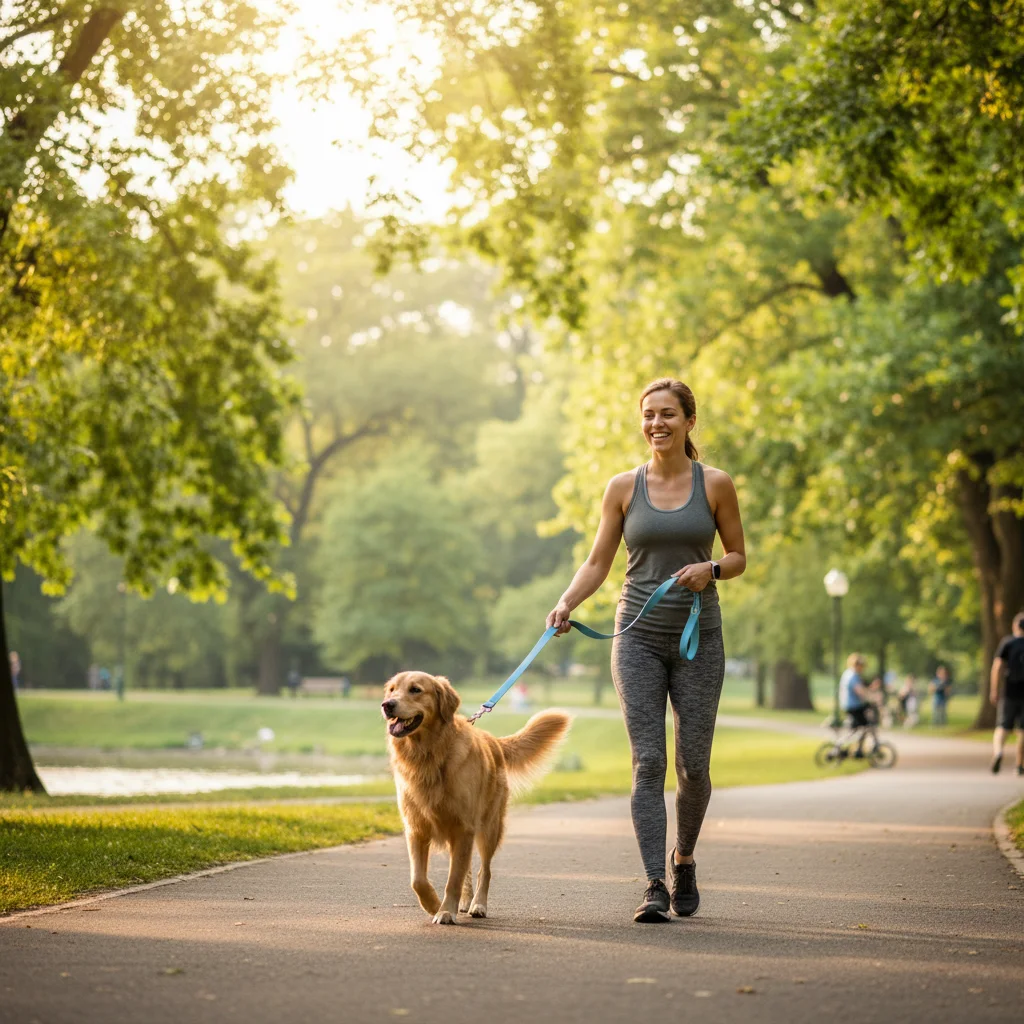
Imagine walking your dog through a bustling park, past other dogs and distractions, with your dog calmly trotting beside you, leash loose and slack. This isn’t just a fantasy. With dedication and the right techniques, you can achieve this harmonious walking experience. We’ll cover everything from choosing the right equipment to mastering positive reinforcement techniques that encourage your dog to walk politely. Get ready to say goodbye to pulled shoulders and hello to relaxed, enjoyable outings. Let’s embark on this journey to reduce dog pulling and reclaim the pleasure of walking your best friend.
Understanding Why Dogs Pull: More Than Just Excitement
Before we dive into the solutions, it’s crucial to understand the ‘why’ behind leash pulling. Dogs don’t pull to be disobedient; they pull because it works for them. Every time they pull and you continue moving forward, even for a step, you’re inadvertently rewarding the pulling behavior. Here are some common reasons:
- Oppositional Reflex: Dogs naturally have an oppositional reflex. When pressure is applied to their collar, their instinct is to pull against it. This is why a simple flat collar often exacerbates pulling.
- Desire to Explore: Dogs experience the world through their noses. They want to get to that interesting smell, that tree, or that other dog. If pulling gets them there faster, they’ll continue to do it.
- Lack of Training: Many dogs simply haven’t been taught what a loose leash feels like or what ‘heel’ means. They don’t know the alternative.
- Excess Energy: A dog with pent-up energy is more likely to pull. If they haven’t had enough physical or mental exercise before a walk, they’ll be more inclined to rush ahead.
- Fear or Anxiety: In some cases, a dog might pull to get away from something that scares them or makes them anxious, such as loud noises, strange people, or other dogs.
- Over-stimulation: A new environment or an area with many distractions can cause a dog to become over-stimulated, leading to frantic pulling as they try to take everything in.
Recognizing these underlying motivations is the first step towards effectively addressing and reduce dog pulling. It’s not about punishing your dog for pulling, but rather about teaching them a more desirable behavior and making that behavior more rewarding than pulling.
Essential Equipment for Success: Choosing the Right Tools
While training is paramount, having the right equipment can make a significant difference, especially when you’re starting to reduce dog pulling. Not all collars and harnesses are created equal, and some can even worsen the problem or cause discomfort. Here are the most effective tools:
1. Front-Clip Harnesses
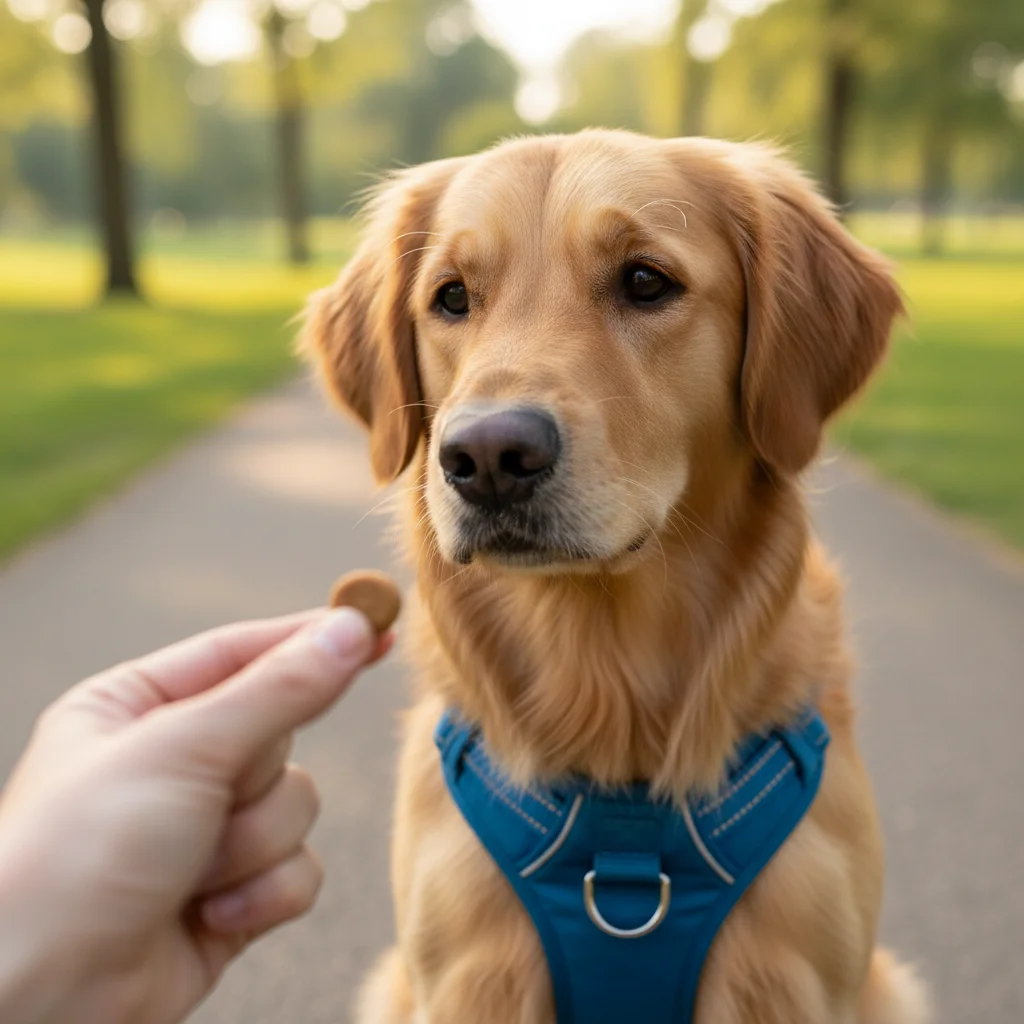
This is often the go-to recommendation for dogs that pull. Unlike traditional back-clip harnesses or flat collars, a front-clip harness has the leash attachment ring on the dog’s chest. When your dog pulls, the leash pressure redirects them to the side, turning them towards you instead of allowing them to surge forward. This makes it very difficult for them to gain traction for pulling and encourages them to stay by your side.
- Benefits: Humane, effective, distributes pressure across the chest, prevents tracheal damage, and offers better control.
- Considerations: Ensure a proper fit to prevent chafing or your dog slipping out.
2. Head Halters (Gentle Leaders)
Head halters work similarly to a horse’s halter, giving you control over your dog’s head, and where the head goes, the body follows. When your dog pulls, the halter gently turns their head to the side, interrupting the pulling motion. They are highly effective for strong pullers but require careful introduction as some dogs initially resist wearing them.
- Benefits: Excellent control, especially for large or strong dogs; redirects focus; humane when used correctly.
- Considerations: Requires desensitization and positive association to ensure your dog accepts it. Never yank or pull on a head halter, as it can cause neck injury.
3. Standard Leash (6-foot)
A standard 6-foot nylon or leather leash is ideal. Avoid retractable leashes, as they teach your dog that pulling is necessary to gain distance and offer no consistent tension, making it harder to teach loose-leash walking. A longer leash (like a 10 or 15-foot lead) can be useful for practicing recall in a safe, open area, but not for everyday leash training.
What to Avoid:
- Choke Chains: These can cause tracheal damage, esophageal damage, and even eye problems due to increased pressure. They work through pain and fear, which can damage your relationship with your dog.
- Prong Collars: While often effective at stopping pulling, they also work through pain and discomfort. Misuse can lead to injury and can create negative associations with walks or other dogs.
- Retractable Leashes: As mentioned, these teach pulling and offer no control in an emergency.
Choosing the right equipment is a crucial first step in your journey to reduce dog pulling. Combine these tools with positive reinforcement, and you’ll be well on your way to more enjoyable walks.
Method 1: The ‘Stop and Go’ Technique (Red Light, Green Light)
The ‘Stop and Go’ method is a fundamental and highly effective way to teach your dog that pulling gets them nowhere, while a loose leash allows them to move forward. It’s simple, consistent, and relies on your dog making the connection between their actions and the consequences.
How it Works:
- Start with a Loose Leash: Begin your walk with your dog next to you on a loose leash. The leash should form a ‘J’ shape, not be taut.
- The Moment of Tension: The instant your dog pulls and the leash becomes taut, stop immediately. Become a tree. Do not take another step forward.
- Wait for Slack: Stand still until the leash goes slack. This might mean your dog turns to look at you, takes a step back, or simply stops pulling. The key is that the tension on the leash is released.
- Reward and Resume: The moment the leash is slack, praise your dog (‘Good!’) and immediately start walking again. You can also offer a small, high-value treat as you start moving. This reinforces that a loose leash means progress and rewards.
- Repeat, Repeat, Repeat: This is crucial. Every single time your dog pulls, stop. Every single time the leash goes slack, praise and resume walking. Consistency is key to help your dog understand the rule.
Tips for Success with ‘Stop and Go’:
- Be Patient: In the beginning, you might stop every few feet. This is normal. Your dog is learning a new behavior.
- Choose the Right Environment: Start in a low-distraction area, like your backyard or a quiet street, before moving to more stimulating environments.
- High-Value Treats: Use treats your dog absolutely loves to make the loose-leash walking more rewarding than pulling.
- Short Training Sessions: Keep initial sessions short (5-10 minutes) to prevent frustration for both you and your dog.
- Don’t Yank: Resist the urge to yank the leash back. The sudden stop is the consequence; yanking can be painful and counterproductive.
This method teaches your dog that pulling literally gets them nowhere, while a relaxed leash allows them to continue their walk. Over time, your dog will learn that a loose leash is the only way to make progress, drastically helping to reduce dog pulling.
Method 2: Lure and Reward (Positive Reinforcement)
The Lure and Reward method focuses on actively teaching your dog where you want them to be and rewarding them for being there. It builds a positive association with walking politely beside you, making it a much more enjoyable experience for both of you.
How it Works:
- Start with a Treat: Hold a high-value treat in your hand, keeping it close to your dog’s nose, at your side where you want them to walk (e.g., your left hip).
- Lure into Position: Begin walking, using the treat to lure your dog into the desired ‘heel’ position (walking calmly beside you with a loose leash). Say a cue like ‘Let’s go’ or ‘Heel’ as you start.
- Reward for Loose Leash: As long as your dog stays in position and the leash remains loose, continue walking and periodically offer small pieces of the treat. Praise them verbally (‘Good walk!’) frequently.
- Stop and Reset (if pulling occurs): If your dog starts to pull ahead, immediately stop (as in the ‘Stop and Go’ method). Wait for them to return to the loose-leash position, then lure them back into place and resume walking, rewarding generously.
- Fade the Lure: Gradually start to move the treat away from their nose, using it more as a hand signal. Eventually, you’ll only need to show the treat occasionally or use it after they’ve walked politely for a longer duration.
- Introduce Distractions Gradually: Once your dog is proficient in a quiet area, gradually introduce more distractions. Start with mild distractions and slowly increase the difficulty, always rewarding heavily for success.
Tips for Success with Lure and Reward:
- Consistency is Key: Everyone who walks the dog needs to use this method.
- High-Value Rewards: Use treats your dog truly loves. These are motivators!
- Timing is Everything: Reward the instant your dog is in the correct position or performing the desired behavior.
- Short, Frequent Sessions: Keep training sessions positive and relatively short to maintain your dog’s focus and enthusiasm.
- Combine with ‘Stop and Go’: These two methods complement each other beautifully. Use ‘Stop and Go’ as the consequence for pulling, and Lure and Reward as the way to proactively teach the desired behavior.
By making loose-leash walking a highly rewarding experience, you’ll teach your dog that staying by your side is much more beneficial than straining against the leash. This positive association will significantly help to reduce dog pulling over time.
Method 3: The ‘Change of Direction’ Technique
The ‘Change of Direction’ technique is another powerful tool to teach your dog that pulling is counterproductive. It keeps your dog engaged and attentive to you, as they never know which way you’re going to turn next. This method emphasizes that you are the leader and dictate the direction of the walk.
How it Works:
- Start Walking: Begin your walk with your dog on a loose leash.
- Monitor Leash Tension: Pay close attention to the leash. The moment it starts to tighten, indicating your dog is about to pull or is already pulling, change direction immediately.
- Change Direction: Without warning, turn and walk in the opposite direction, or make a sharp turn to the side. You can also make a U-turn. The goal is to surprise your dog and interrupt their forward momentum.
- Dog Follows: Your dog will likely be caught off guard and have to hustle to catch up to you. As they do, the leash will go slack.
- Reward for Slack: The moment your dog is by your side and the leash is loose, praise them (‘Yes!’ or ‘Good!’) and continue walking in the new direction. You can also offer a quick treat.
- Randomize Turns: Don’t make your turns predictable. Change direction frequently and randomly. This keeps your dog guessing and focused on you, rather than on forging ahead.
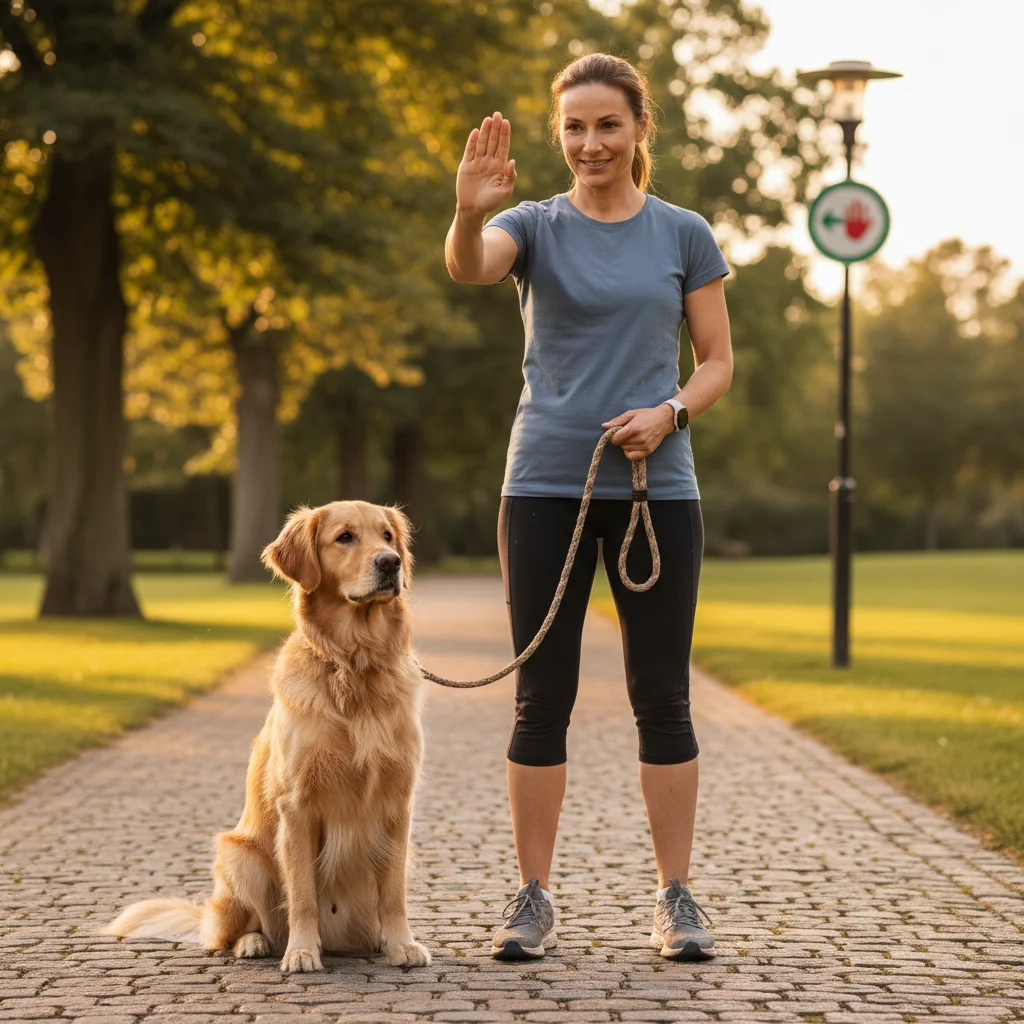
Tips for Success with ‘Change of Direction’:
- Be Swift: The key is to change direction the *instant* the leash tightens, not after your dog has already pulled for several feet.
- Maintain a Loose Grip: Don’t hold the leash tightly. A loose grip allows you to feel the tension immediately and react.
- Lead, Don’t Drag: When you change direction, don’t drag your dog. Let the change in direction be the consequence. Your dog should learn to follow.
- Practice Regularly: Integrate this into every walk. The more you practice, the faster your dog will understand.
- Combine with Other Methods: This method can be effectively combined with the ‘Stop and Go’ and ‘Lure and Reward’ techniques for a comprehensive approach to reduce dog pulling.
The ‘Change of Direction’ technique teaches your dog that if they pull, they lose their forward momentum and have to work harder to keep up. It encourages them to pay attention to your movements, making you the focal point of the walk rather than their environment.
Integrating All Three Methods for Optimal Results
While each of these methods is effective on its own, combining them creates a powerful, multi-faceted approach to reduce dog pulling. Think of it as a toolkit: you’ll use different tools depending on the situation and your dog’s learning style.
- Start with Lure and Reward: Use this proactively to teach your dog where you want them to be and what a loose leash feels like. Reward heavily for walking politely.
- Implement ‘Stop and Go’ as a Consequence: The moment your dog pulls, become a tree. This is the immediate, clear consequence for pulling.
- Use ‘Change of Direction’ for Engagement and Correction: If your dog is distracted or starting to pull, a sudden change of direction can quickly re-engage them and remind them to pay attention to you.
By weaving these methods together, you’re creating a comprehensive learning experience for your dog. They learn that walking politely by your side is highly rewarding (Lure and Reward), that pulling stops all progress (‘Stop and Go’), and that they need to stay attentive to your movements to continue the walk (‘Change of Direction’).
Common Challenges and Troubleshooting
Even with the best techniques, you might encounter some hurdles. Here’s how to address common challenges when trying to reduce dog pulling:
1. My Dog is Still Pulling a Lot!
- Are you consistent? This is the biggest factor. Every time your dog pulls, you must react. Even one instance of letting them pull can set back progress.
- Are your rewards high-value enough? If your dog isn’t motivated by your treats, they won’t value the polite walking. Experiment with different treats (e.g., cooked chicken, cheese, hot dogs).
- Is your equipment appropriate? Re-evaluate if a front-clip harness or head halter might be more effective for your dog.
- Manage their energy: A tired dog is a well-behaved dog. Ensure your dog gets enough exercise and mental stimulation before walks. A quick play session in the yard or a puzzle toy can help burn off excess energy.
2. My Dog is Distracted by Everything!
- Start in low-distraction environments: Don’t expect perfect loose-leash walking in a busy park on day one. Begin in your home, then your yard, then a quiet street, gradually increasing distractions.
- Increase reward value: In distracting environments, your rewards need to be even more enticing than the distractions.
- Shorten training sessions: If your dog is overwhelmed, keep sessions very brief (even 2-3 minutes) and end on a positive note.
- Work on focus exercises: Practice ‘look at me’ or ‘watch me’ commands in various environments to build your dog’s ability to focus on you amidst distractions.
3. My Dog Hates the Harness/Head Halter!
- Positive association: Introduce the equipment slowly and pair it with highly positive experiences (treats, praise, play). Put it on for a few seconds, give treats, then take it off. Gradually increase the time.
- Wear it indoors: Let your dog wear the harness or halter for short periods inside the house, allowing them to get used to the feel before attaching the leash.
- Consult a professional: If resistance is strong, a professional trainer can offer guidance on desensitization techniques.
4. I Feel Frustrated and Want to Give Up.
- Take a break: If you’re feeling frustrated, your dog will pick up on it. End the session, take a deep breath, and try again later.
- Celebrate small victories: Acknowledge and praise every moment your dog walks nicely, even if it’s just for a few steps.
- Seek professional help: A certified professional dog trainer can provide personalized guidance, identify specific issues, and offer hands-on support.
Remember, training takes time, patience, and consistency. Don’t get discouraged by setbacks. Every step forward, no matter how small, is progress towards a better walking experience and will help you to reduce dog pulling effectively.
Beyond the Walk: Building a Stronger Relationship
Effective leash training is about more than just stopping your dog from pulling; it’s about building a stronger relationship based on trust, communication, and mutual respect. When your dog learns to walk politely by your side, they are also learning to pay attention to you, respond to your cues, and see you as a reliable leader.
The Benefits Extend Beyond the Leash:
- Improved Communication: As you work together on loose-leash walking, your communication with your dog will naturally improve. You’ll learn to read their body language better, and they’ll learn to understand your expectations.
- Increased Trust: When your dog knows you’ll guide them safely and reward their good behavior, their trust in you deepens.
- Reduced Stress for Both: Walks become a source of joy and relaxation, rather than stress and frustration, for both you and your dog.
- Greater Confidence: A dog that walks politely is often a more confident dog, as they learn to navigate the world calmly with their human by their side.
- Opportunities for Socialization: Once your dog’s leash manners are solid, you can explore new places and safely introduce them to new people and dogs, further enriching their lives.
- Better Overall Behavior: The discipline and focus learned during leash training often translate into improved behavior in other areas of your dog’s life.
Remember that training is an ongoing process. Continue to reinforce good behavior, even after your dog has mastered loose-leash walking. Occasionally practice in new environments, and always carry treats to reward their efforts. The bond you build through this training journey will be invaluable, leading to a happier, healthier relationship with your canine companion.
Conclusion: Enjoying Stress-Free Walks with Your Dog
Taming a dog that pulls on the leash might seem like an insurmountable challenge at first, but with the right approach, it’s a completely achievable goal. By understanding why dogs pull, choosing appropriate equipment, and consistently applying the ‘Stop and Go,’ ‘Lure and Reward,’ and ‘Change of Direction’ techniques, you can dramatically reduce dog pulling and transform your daily walks.
Imagine the freedom of strolling through your neighborhood, a park, or even a busy city street with your dog calmly walking beside you, the leash hanging loose. No more jarring pulls, no more aching shoulders, just a peaceful, connected experience. This isn’t just about control; it’s about fostering a deeper understanding and respect between you and your dog. It’s about giving your dog the guidance they need to navigate the world politely and confidently.
Remember, patience, consistency, and positive reinforcement are your greatest allies in this journey. Don’t get discouraged by slow progress or occasional setbacks. Every step you take, every treat you give for a loose leash, and every time you stop when your dog pulls, you are building a foundation for better behavior. Embrace the training process as an opportunity to strengthen your bond and communicate more effectively with your furry friend.
So, grab your treats, choose your preferred equipment, and start implementing these proven methods today. You and your dog deserve to enjoy every walk together. With dedication, you can indeed achieve that 80% reduction in pulling, leading to a lifetime of happy, stress-free adventures side by side.