Top Pet Odor Eliminators 2026: Banish Smells Effectively
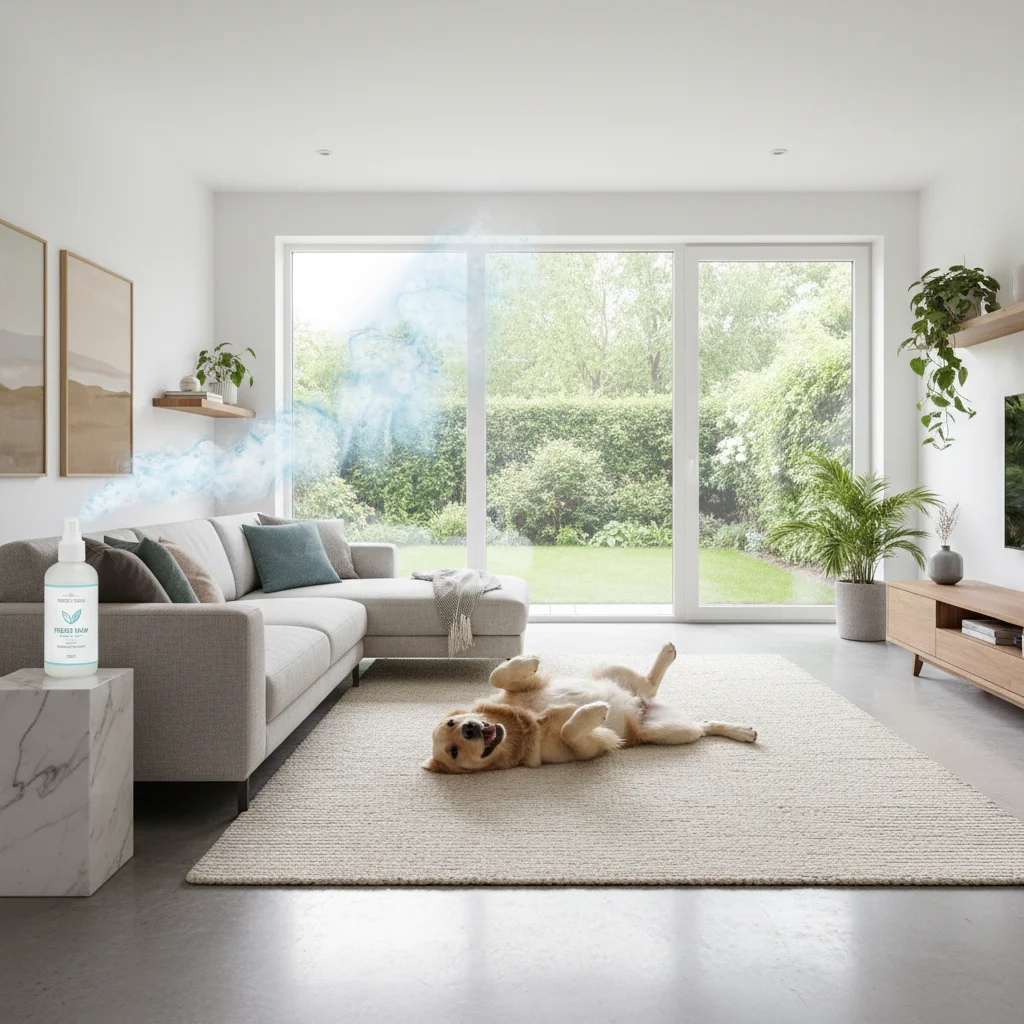
The Best Pet Odor Eliminators for Pet Owners in 2026: Tackling Common U.S. Household Pet Smells Effectively
Welcome, fellow pet parents! We all adore our furry, feathered, or scaled companions, but let’s be honest: sometimes, their presence comes with an unwanted olfactory signature. That distinctive ‘pet smell’ can permeate carpets, furniture, and even the very air we breathe, making our homes feel less inviting. But fear not! In 2026, the market is brimming with innovative and highly effective pet odor eliminators designed to neutralize, not just mask, those stubborn smells.
This comprehensive guide is your ultimate resource for identifying the best solutions to keep your home smelling fresh and clean, even with the most enthusiastic of pets. We’ll delve into the science behind pet odors, explore various types of eliminators, and provide top recommendations for tackling everything from urine stains to general pet dander smells. Get ready to reclaim your home’s freshness!
Understanding the Source: Why Do Pet Odors Linger?
Before we can effectively eliminate pet odors, it’s crucial to understand what causes them to linger. Pet smells aren’t just a simple nuisance; they’re often complex mixtures of organic compounds that stubbornly cling to surfaces and permeate the air. Here’s a breakdown of the usual suspects:
Urine and Feces
Accidents happen, especially with puppies, kittens, or older pets. Pet urine, in particular, is a potent source of odor. Fresh urine contains urea, uric acid, creatinine, and various proteins. As it dries, bacteria break down the urea, releasing ammonia, which gives it that sharp, pungent smell. Over time, the uric acid crystallizes and becomes insoluble, making it incredibly difficult to remove with just water. These crystals continue to release odors, especially in humid conditions, explaining why an old stain might suddenly smell again.
Dander and Shed Hair
All pets shed, and with that shedding comes dander – tiny flakes of skin. Dander, along with shed hair, can trap oils, dirt, and microscopic organisms, contributing to a general ‘doggy’ or ‘catty’ smell. This dander often settles into carpets, upholstery, and even air ducts, acting as a continuous source of odor.
Sebum and Skin Oils
Pets’ skin produces natural oils (sebum) that protect their skin and coat. While essential for their health, these oils can accumulate on bedding, furniture, and even walls, leading to a distinct smell, especially if the pet isn’t bathed regularly or has certain skin conditions.
Saliva and Breath
Drooling, licking, and even just breathing can deposit saliva and breath particles onto surfaces. Pet breath can be a significant source of odor, especially if dental hygiene is neglected, and these odors can transfer to anything they interact with.
Bacteria and Fungi
Warm, moist environments (like a damp carpet after an accident) are breeding grounds for bacteria and fungi. These microorganisms break down organic matter, producing volatile organic compounds (VOCs) that are responsible for many of the unpleasant smells we associate with pets.
The Science of Odor Elimination: How Pet Odor Eliminators Work
Not all pet odor eliminators are created equal. Understanding their mechanisms helps you choose the right product for the job. There are generally three main approaches:
1. Enzymatic Cleaners: The Gold Standard for Organic Stains
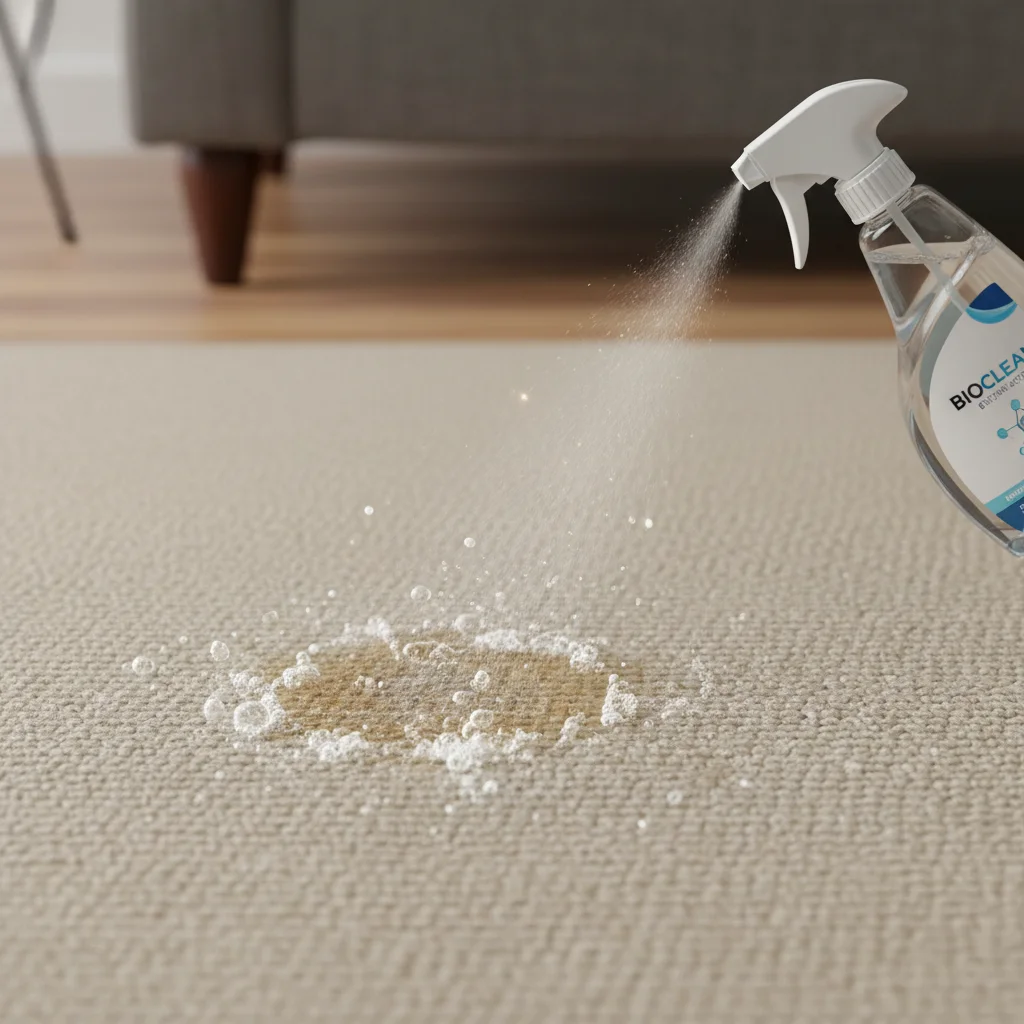
Enzymatic cleaners are arguably the most effective solution for urine, feces, vomit, and other organic pet stains. They contain specialized enzymes (proteins) that act as biological catalysts, breaking down the complex odor-causing molecules into smaller, odorless compounds (like carbon dioxide and water). This process doesn’t just mask the smell; it eliminates the source. For these cleaners to work effectively, they need time to penetrate the stain and allow the enzymes to do their job, often requiring several hours or even overnight saturation.
2. Oxidizers: Breaking Down Odor Molecules
Oxidizing agents, such as hydrogen peroxide or chlorine dioxide, work by chemically altering the structure of odor molecules, rendering them odorless. They are effective against a wide range of organic and inorganic odors and can be very powerful. However, some oxidizers can cause discoloration on certain fabrics, so always patch test in an inconspicuous area first.
3. Absorbents: Trapping and Holding Odors
Absorbents don’t chemically change odor molecules but rather trap them within their porous structure. Activated charcoal, baking soda, and zeolites are common examples. While effective for general air freshening or for drawing out moisture and minor odors from surfaces, they are less effective at completely neutralizing deeply embedded, strong organic odors like old urine stains. They are excellent for ongoing odor control.
4. Masking Agents: A Temporary Fix
Many air fresheners and scented sprays fall into this category. They release pleasant fragrances that temporarily cover up unpleasant odors. While they can provide immediate relief, they don’t address the underlying cause of the smell, and the original odor often returns once the masking agent dissipates. For true odor elimination, these should be used in conjunction with other methods, or avoided altogether if you want to tackle the root problem.
Top Pet Odor Eliminators for 2026: Our Expert Picks
The market for pet odor eliminators is constantly evolving, with new formulations and technologies emerging each year. Based on efficacy, safety, user reviews, and ingredient innovation, here are our top recommendations for 2026:
For Urine & Fecal Stains (Enzymatic Powerhouses)
1. Rocco & Roxie Supply Co. Professional Strength Stain & Odor Eliminator: This continues to be a perennial favorite for a reason. Its professional-strength enzymatic formula is incredibly effective at breaking down urine, feces, vomit, and other organic stains and odors. It’s safe for carpets, upholstery, tile, and hardwood, and is chlorine-free and color-safe. Many users rave about its ability to remove old, set-in stains that other products couldn’t touch.
2. Nature’s Miracle Advanced Stain & Odor Eliminator: A classic in the pet care world, Nature’s Miracle offers a powerful enzymatic formula that targets tough stains and odors. The ‘Advanced’ version includes a bio-enzymatic cleaning system that works to eliminate pheromones, discouraging remarking. It’s excellent for fresh and old messes and comes in various formulations for different surfaces.
3. Bubba’s Rowdy Friends Pet Stain & Odor Eliminator: This product has gained significant traction for its industrial-strength formula. It uses dormant bacteria that activate upon contact with organic matter, devouring odor-causing bacteria and leaving surfaces clean and fresh. It’s highly concentrated, making it a cost-effective choice for larger areas or frequent use.
For General Room & Air Freshening (Absorbers & Purifiers)
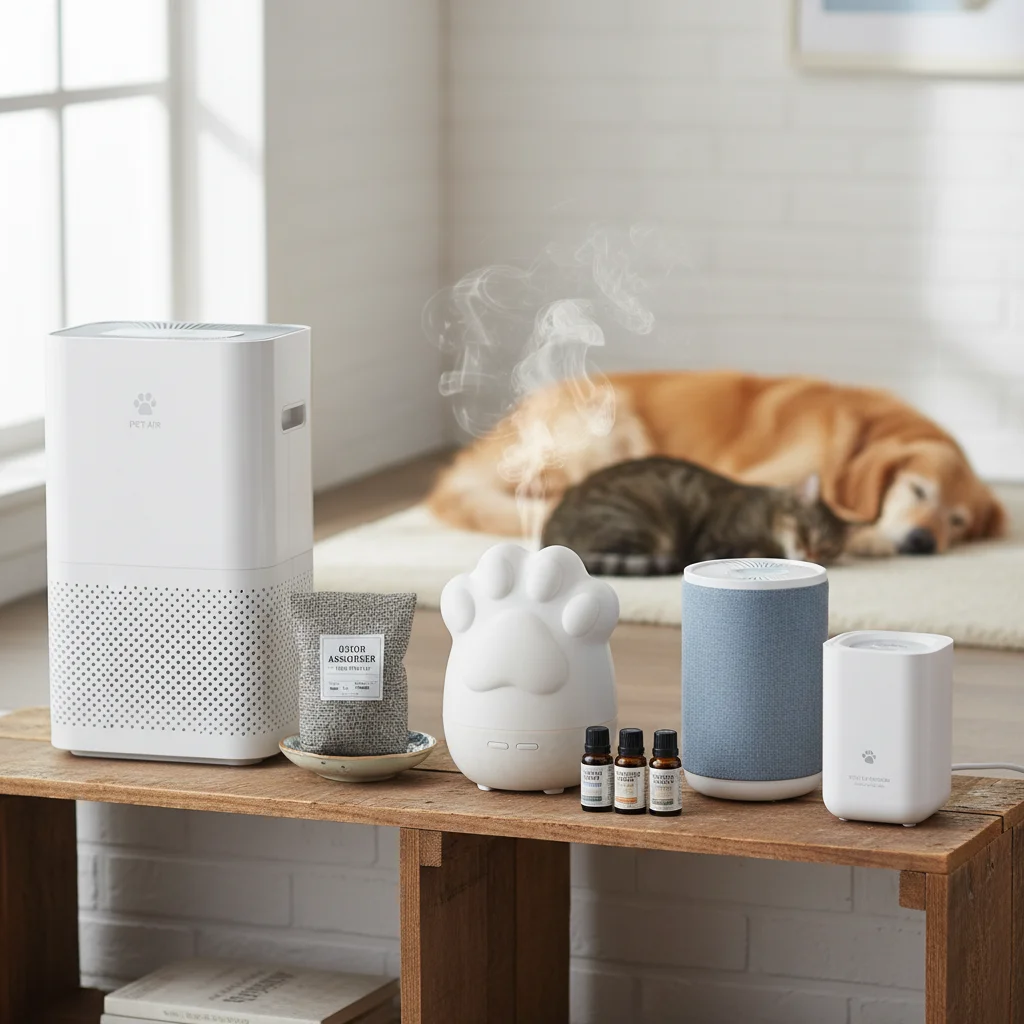
1. Activated Charcoal Bags/Canisters (e.g., Moso Natural Air Purifying Bag, California Air Purifier Bags): These simple yet effective solutions utilize activated bamboo charcoal to naturally absorb odors, moisture, and allergens from the air. They are non-toxic, fragrance-free, and can be recharged by placing them in direct sunlight. Perfect for ongoing odor control in specific rooms, litter box areas, or even inside pet crates.
2. Air Purifiers with HEPA and Activated Carbon Filters (e.g., Coway Airmega, Levoit Core 300S): For comprehensive air quality improvement and significant odor reduction, a high-quality air purifier is an invaluable investment. Models with both HEPA filters (to capture dander and allergens) and activated carbon filters (to absorb VOCs and odors) are ideal for pet households. They continuously circulate and clean the air, making a noticeable difference in overall freshness.
3. Odor Neutralizing Sprays (e.g., Febreze Fabric Refresher Pet Odor Eliminator, Angry Orange Pet Odor Eliminator): While some sprays merely mask, certain formulations are designed to neutralize odor molecules on contact. Febreze’s pet-specific line often contains cyclodextrin, which traps odor molecules. Angry Orange uses a powerful citrus oil concentrate that effectively breaks down and neutralizes a wide range of pet odors, leaving a pleasant, natural orange scent.
For Laundry & Fabrics (Specialized Detergents & Additives)
1. Odor-Specific Laundry Detergents (e.g., Skout’s Honor Laundry Booster, Nature’s Miracle Laundry Boost): Regular laundry detergents often aren’t enough to remove deeply embedded pet odors from bedding, blankets, and washable pet toys. Specialized laundry boosters or detergents contain enzymes or powerful surfactants designed to break down pet-specific odors and stains, leaving fabrics truly clean and fresh.
2. White Vinegar (Natural & Cost-Effective): For a natural and budget-friendly option, adding half a cup of white vinegar to your laundry’s rinse cycle can work wonders. Vinegar is a mild acid that helps neutralize alkaline odors (like urine) and acts as a fabric softener, without leaving a lingering vinegar smell once dry.
For Hard Surfaces (Floor Cleaners & Wipes)
1. Pet-Safe Floor Cleaners (e.g., Zep Commercial Pet Stain & Odor Remover, OdoBan Pet Odor Eliminator): For tile, sealed hardwood, laminate, and vinyl, look for floor cleaners specifically formulated to tackle pet odors and stains. Many contain enzymatic or oxidizing agents safe for hard surfaces. Always ensure they are non-toxic and pet-safe once dry.
2. Disinfectant Wipes with Odor Neutralizers (e.g., Clorox Pet Solutions, Lysol Pet Solutions): For quick clean-ups of minor accidents or general surface wiping, pet-specific disinfectant wipes can be very convenient. Ensure they are explicitly labeled as pet-safe and rinse the area if your pet frequently licks surfaces.
Choosing the Right Pet Odor Eliminators: Factors to Consider
With so many options available, how do you pick the best pet odor eliminators for your home? Consider these key factors:
Type of Odor & Surface
- Urine/Feces: Enzymatic cleaners are paramount for organic waste on carpets, upholstery, and porous surfaces.
- General Pet Smell/Dander: Air purifiers, activated charcoal, and regular cleaning with appropriate surface cleaners are best.
- Fabrics: Specialized laundry boosters or vinegar are effective.
- Hard Surfaces: Pet-safe floor cleaners or disinfectant wipes.
Ingredients & Safety
Always prioritize the safety of your pets and family. Look for:
- Non-toxic formulas: Especially important for products that pets might come into contact with or ingest.
- Enzyme-based: Generally safe and highly effective for organic odors.
- Fragrance-free or naturally fragranced: Strong artificial scents can be irritating to pets and humans alike.
- Read labels carefully: Ensure products are safe for the specific surfaces you intend to use them on (e.g., color-safe for carpets, safe for sealed wood floors).
Application Method
- Sprays: Convenient for spot treatments.
- Foams: Can offer better penetration for deeper carpet stains.
- Liquids: For machine use (carpet cleaners) or saturating large areas.
- Absorbent bags/canisters: For passive air purification.
Odor Persistence
For persistent, old stains, you’ll need a stronger, more dedicated enzymatic cleaner and potentially multiple applications. For new, minor odors, lighter solutions might suffice.
Beyond the Bottle: Holistic Approaches to Pet Odor Control
While pet odor eliminators are powerful tools, a multi-faceted approach yields the best results. Here are essential practices to integrate into your routine:
1. Regular Cleaning is Key
- Vacuum frequently: At least 2-3 times a week, using a vacuum with a HEPA filter, to remove pet hair, dander, and dirt before they accumulate and break down into odors.
- Wash pet bedding: Weekly or bi-weekly, using an odor-specific laundry additive.
- Clean litter boxes: Scoop daily, change litter regularly, and deep clean the box with a pet-safe cleaner.
- Wipe down hard surfaces: Regularly clean floors, walls, and baseboards where pet dander and oils can collect.
2. Groom Your Pet
Regular bathing (with pet-specific shampoo), brushing, and even professional grooming can significantly reduce the amount of dander and oils released into your home, thereby cutting down on overall pet smell. Pay attention to dental hygiene too, as bad breath can contribute to home odors.
3. Maintain Good Ventilation
Open windows regularly to allow fresh air to circulate, especially in pet-heavy areas. Consider using exhaust fans in bathrooms and kitchens. Good airflow helps dissipate odors and reduces humidity, which can exacerbate smells.
4. Use Air Purifiers
As mentioned, a good air purifier with activated carbon and HEPA filters can continuously remove airborne particles and odors, significantly improving indoor air quality.
5. Protect Furniture & Carpets
Use washable covers on furniture that your pets frequent. Consider pet-friendly rugs that are easier to clean or have stain-resistant properties. For new pets, especially puppies, consider using waterproof pads under bedding or rugs to protect surfaces from accidents.
6. Address the Root Cause
If your pet is having frequent accidents, exhibiting unusual odors, or has persistent bad breath, consult your veterinarian. Underlying medical conditions (e.g., urinary tract infections, dental disease, skin issues) can be the cause of new or worsening odors and require professional attention.
Common Myths About Pet Odor Elimination
Let’s debunk a few common misconceptions that can hinder your efforts to achieve an odor-free home:
Myth 1: Air Fresheners Eliminate Odors
Reality: Most air fresheners only mask odors with stronger fragrances. True odor elimination involves neutralizing or removing the odor-causing molecules. While they can provide a temporary pleasant scent, they don’t solve the underlying problem.
Myth 2: Bleach is the Best Cleaner for Pet Stains
Reality: Bleach can be effective as a disinfectant, but it doesn’t break down organic matter like urine effectively. In fact, the strong smell of bleach can even attract some pets to remark the area. It can also damage and discolor many surfaces, especially carpets and fabrics.
Myth 3: All-Purpose Cleaners Work Just as Well
Reality: While all-purpose cleaners are great for general cleaning, they typically lack the specific enzymes or oxidizing agents needed to break down the complex molecules found in pet urine and other organic waste. Using them on pet stains might clean the surface but often leaves the odor source intact.
Myth 4: Once a Stain is Dry, the Odor is Gone
Reality: This is perhaps the biggest myth. As mentioned, uric acid crystals in dried urine can reactivate and release odors, especially in humid conditions. An area might seem clean and odorless when dry, only to reek on a rainy day. This is why enzymatic cleaners are crucial for truly eliminating these persistent residues.
The Future of Pet Odor Control: Innovations to Watch
The pet care industry is always innovating, and pet odor eliminators are no exception. Here are a few trends and technologies we anticipate seeing more of in the coming years:
- Smarter Air Purifiers: Devices with AI capabilities that detect specific odor types or air quality changes and adjust filtration accordingly.
- Probiotic Cleaners: Beyond enzymes, cleaners that introduce beneficial microbes to outcompete and consume odor-causing bacteria.
- Sustainable & Eco-Friendly Formulas: An increasing focus on biodegradable ingredients, plant-derived enzymes, and recycled packaging.
- Targeted Odor Neutralizers: More specialized formulas designed to specifically target odors from different types of pets (e.g., cat urine vs. dog urine), or even specific breeds with unique scent profiles.
- Integrated Home Solutions: Smart home systems that incorporate odor control, perhaps through automated air freshening or purification linked to pet activity sensors.
Conclusion: A Fresh Home is Possible with the Right Pet Odor Eliminators
Living with pets enriches our lives in countless ways, and a little extra effort to maintain a fresh-smelling home is a small price to pay for their unconditional love. By understanding the science of pet odors and arming yourself with the best pet odor eliminators available in 2026, you can effectively tackle even the most stubborn smells.
Remember, consistency is key. Combine powerful enzymatic cleaners for accidents with regular cleaning, good ventilation, and proactive odor control measures like air purifiers or activated charcoal. With the right strategy and the right products, your home can remain a welcoming, fresh-smelling sanctuary for both you and your beloved pets. Say goodbye to unwanted pet odors and hello to a cleaner, fresher living space!